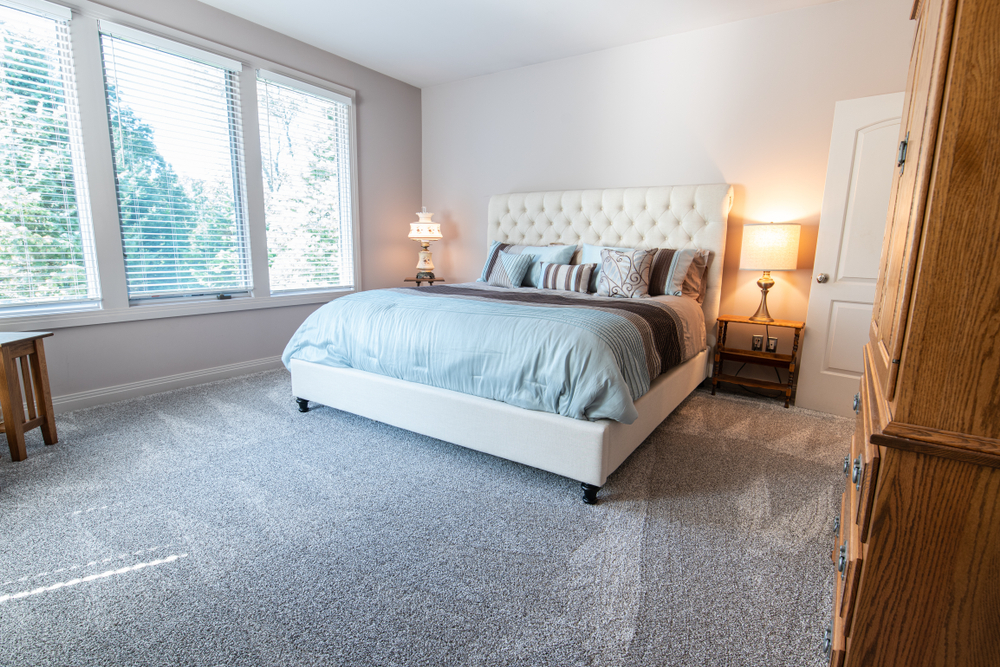


When homes sit unsold in a hot market, it’s tempting to assume something must be seriously wrong. In reality, most of these listings don’t fail because demand vanished—they fail because the listing is slightly misaligned with how buyers are actually behaving right now. In competitive markets, small mismatches get punished quickly. These reasons explain why some homes stall while others move fast.
1. The Price Is Anchored To The Peak
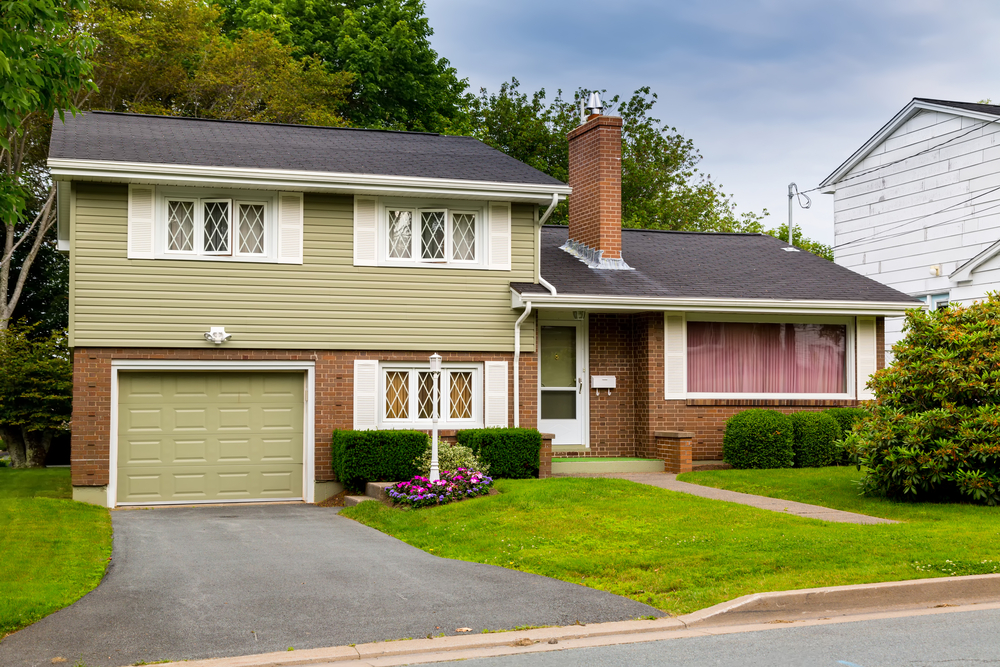
Many listings stall because they’re priced based on what homes sold for months ago, not what buyers are currently willing to pay. According to housing market analysis from the National Association of Realtors, even small price mismatches in cooling or plateauing markets dramatically increase days on market. Buyers track comps closely, and they notice when a home is priced wrong.
The issue isn’t always that the home is wildly overpriced. It’s that it doesn’t leave room for negotiation or uncertainty. In hot markets, buyers move quickly—but only when the price feels defensible right now.
2. The Homes Aren’t Move-In Ready

Many buyers in competitive markets are already stretched financially and emotionally. They’re less willing to take on projects, even modest ones. A home that needs paint, flooring, or visible repairs can stall simply because buyers are calculating time, effort, and stress, not just cost.
What used to feel like a manageable fixer is now seen as friction. Buyers move on to listings that feel easier to step into, even if they’re smaller or slightly more expensive. Convenience beats potential.
3. The Listing Photos Are Bad

Buyers make decisions faster than they used to, often eliminating homes before ever stepping inside. According to consumer behavior data cited by Zillow, listings with outdated, poorly lit, or misleading photos see significantly longer days on market, even when the home itself is solid. First impressions now happen almost entirely on a screen.
If photos don’t clearly communicate space, light, and layout, buyers don’t linger. They don’t assume the home looks better in person—they assume it doesn’t. In hot markets, hesitation is usually fatal.
4. The Layout Doesn’t Match How People Live
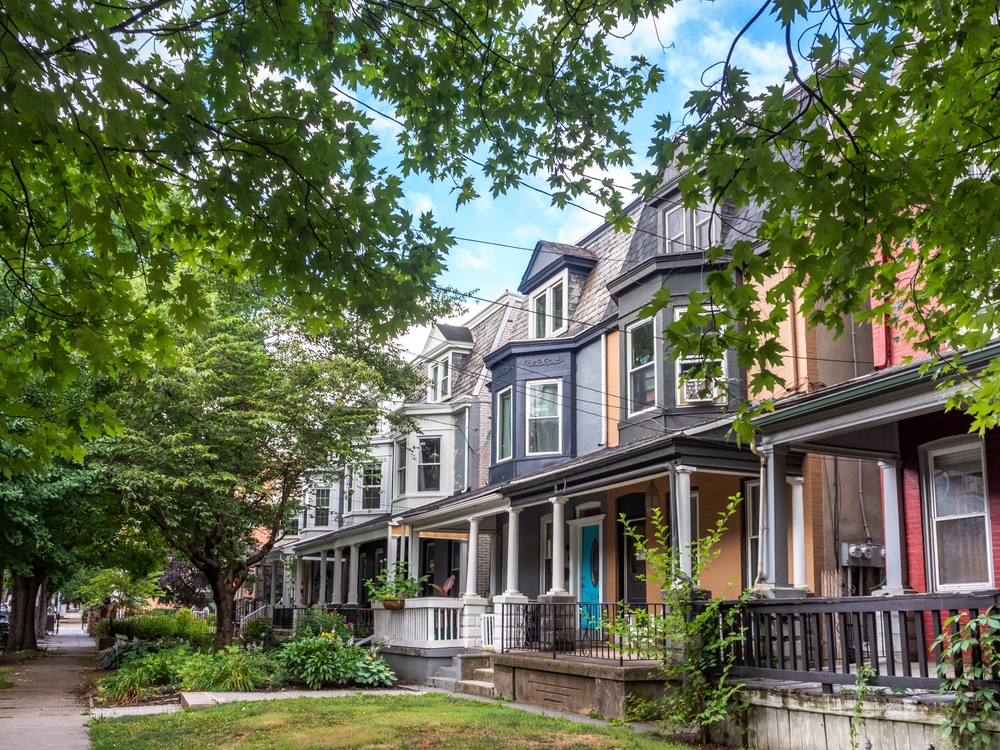
Some homes sit because the floor plan feels awkward in ways buyers can’t quite articulate, but immediately react to. Bedrooms that require walking through another room, kitchens cut off from the living space, or oddly placed bathrooms create friction. Buyers may not say exactly what’s wrong, but they feel it within minutes.
In hot markets, people don’t spend time trying to talk themselves into a layout. They move on to homes that make sense intuitively. A functional mismatch can outweigh good finishes or a desirable location.
5. The Home’s Costs Feel Unpredictable

Buyers aren’t just calculating the purchase price anymore. According to housing affordability analysis cited by the Federal Housing Finance Agency, rising insurance premiums, property taxes, and maintenance costs are playing a larger role in buyer hesitation. Homes with unclear or unusually high ongoing costs trigger second thoughts.
If taxes jump sharply year over year or insurance is known to be volatile in the area, buyers factor that in immediately. Even strong demand can’t override uncertainty about monthly expenses. Predictability matters more than ever.
6. The Home Is Competing In The Wrong Category

Some listings sit because they’re positioned incorrectly relative to their competition. A home may be priced like a turnkey property while presenting like a fixer, or marketed as luxury without delivering the finishes buyers expect at that level. The mismatch confuses buyers.
When people can’t quickly tell who a home is for, they don’t linger. In fast-moving markets, clarity wins. Homes that clearly belong in a specific category tend to move faster than those trying to straddle multiple ones.
7. Buyers Can’t Tell What Justifies The Price
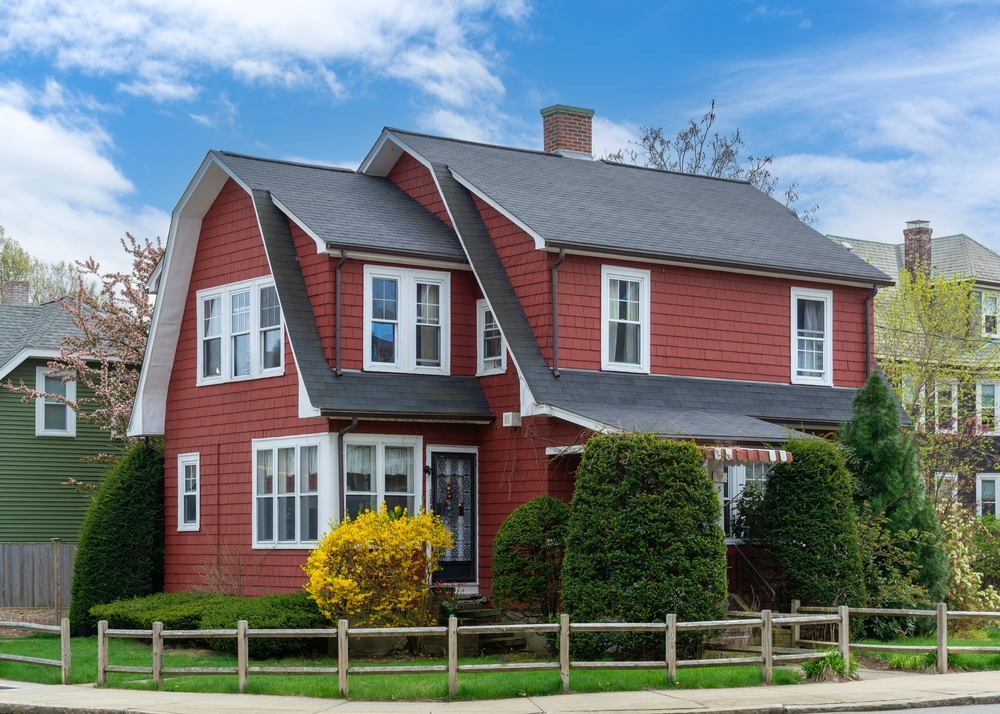
Even in hot markets, buyers want to understand why a home costs what it does. According to consumer housing research cited by Redfin, listings that clearly communicate value drivers—recent renovations, structural upgrades, or location-specific advantages—sell faster than those that rely on vague descriptors like “charming” or “rare.” When the justification isn’t obvious, buyers hesitate. Hesitation quickly turns into scrolling past.
If the upgrades are hidden, outdated, or hard to explain in a showing, buyers don’t assume value—they assume risk. In competitive environments, homes that make buyers do mental work tend to sit longer than those that spell it out.
8. The Showing Experience Feels Uncomfortable

Sometimes the problem isn’t the house—it’s how it’s experienced. Poor showing access, awkward scheduling, pets present, strong odors, or overly personal decor can break momentum. Buyers want to imagine themselves living there, not navigating someone else’s life.
In hot markets, buyers often see multiple homes in one day. Anything that makes a showing feel tense or inconvenient stands out for the wrong reasons. Comfort and ease matter more than sellers realize.
9. The Home’s Downsides Are Obvious

Every home has tradeoffs, but some reveal them too quickly. Street noise, lack of privacy, low ceilings, or poor natural light can register within seconds. When the first impression highlights the downside, buyers discount the rest.
In slower markets, buyers might rationalize or negotiate. In hot ones, they simply move on. A strong location or good price can’t always offset a drawback that’s felt immediately.
10. Buyers Sense Seller Rigidity Early On
Homes often sit when buyers sense that the seller is difficult or inflexible. This can show up in small ways: refusal to negotiate obvious issues, unwillingness to adjust terms, or an overly defensive listing description. Buyers read between the lines quickly.
In competitive markets, buyers don’t want friction. If they suspect the transaction will be stressful, they choose another option. Even strong demand doesn’t overcome the perception of a hard deal.
This article is for informational purposes only and should not be construed as financial advice. Consult a financial professional before making investment or other financial decisions. The author and publisher make no warranties of any kind.