

Resale value isn’t just about location anymore—it’s about how a home fits into how people actually live. Features that once felt desirable, impressive, or “ahead of the curve” are starting to work against sellers as buyer priorities shift. These aren’t catastrophic flaws, but they are friction points that slow interest and force price adjustments. In many markets, they’re even costing sellers leverage.
1. Oversized Formal Dining Rooms

Formal dining rooms are increasingly viewed as wasted space rather than a selling point. Buyers struggle to picture how often they’d realistically use a room dedicated to a single purpose. Many would rather have a flexible space that can adapt to daily life. When a room feels obsolete, it drags on perceived value.
Homes with rigid layouts feel harder to personalize. Buyers mentally subtract renovation costs before making offers. That hesitation shows up in longer days on market. Flexibility now beats formality.
2. High-Maintenance Landscaping

Elaborate landscaping can look beautiful, but buyers are increasingly wary of the upkeep. Large lawns, intricate gardens, and water-heavy designs read as time and money commitments. What once signaled pride of ownership now signals ongoing labor. Low-maintenance exteriors feel more realistic.
According to data from the National Association of Realtors, buyers increasingly prioritize ease of maintenance over curb appeal alone. Rising water costs and busier schedules factor into that shift. Landscaping that feels like a second job turns people off. Simpler exteriors are easier to say yes to.
3. Overly Personalized Renovations

Highly specific design choices limit a home’s audience. Bold colors, niche layouts, or trend-heavy finishes make it harder for buyers to imagine themselves living there. Personal taste doesn’t always translate to broad appeal. Customization can become a liability.
Buyers often price in the cost of undoing someone else’s vision. Even well-executed renovations can feel like extra work. Neutral spaces sell faster for a reason. Flexibility matters more than flair.
4. Homes Without Dedicated Workspaces

Even as remote work evolves, buyers still expect some form of work-from-home flexibility. Homes without a quiet office, nook, or adaptable space feel limiting. Kitchen tables no longer cut it. Function matters more than ever.
Data from the U.S. Census Bureau shows remote and hybrid work remain a significant part of the workforce. Buyers want options, even if they don’t work from home full-time. A lack of workspace signals friction. That friction affects offers.
5. Aging Major Systems

Outdated roofs, HVAC systems, plumbing, or electrical work create uncertainty. Buyers are more cautious about taking on unknown costs. Even charming homes lose appeal when major systems feel close to failure. Risk makes people hesitate.
Renovation fatigue is real. Many buyers want move-in-ready or at least predictable. Deferred maintenance often leads to lower offers. Confidence sells more than charm.
6. Condos With Financially Weak HOAs

A poorly funded homeowners’ association can tank resale value quickly. Buyers worry about surprise assessments, rising fees, and deferred repairs. Even a great unit feels risky if the building isn’t financially healthy. The association matters as much as the condo.
Lenders have tightened standards based on HOA reserves, according to guidance from Fannie Mae and Freddie Mac. Financing becomes harder when red flags appear. Fewer qualified buyers means less demand. That pressure shows up in pricing.
7. Outdated or Inefficient Energy Features

Drafty windows, poor insulation, and inefficient systems raise red flags for buyers. Utility costs matter more than they used to. Homes that feel expensive to operate lose appeal quickly. Efficiency is no longer a bonus.
Buyers increasingly factor monthly operating costs into affordability. Energy inefficiency feels like a long-term drain. Even small upgrades can shift perception. Ignoring this hurts resale.
8. Awkward or Closed-Off Floor Plans

Layouts that feel chopped up or disconnected struggle to compete. Buyers favor flow, light, and multifunctional spaces. Closed-off kitchens and narrow hallways feel dated. Layout matters more than finishes.
Housing market analyses from Zillow show that homes with open, adaptable layouts tend to sell faster. Renovating layouts is costly and disruptive. Many buyers won’t bother. They simply move on.
9. Luxury Features That Inflate Maintenance Costs

Heated driveways, elaborate pools, and specialty systems can scare buyers off. These features often come with high upkeep and repair costs. What once felt aspirational now feels impractical. Buyers think long-term.
Luxury that increases monthly expenses narrows the buyer pool. Many people prefer simpler homes with lower overhead. Maintenance-heavy features slow momentum. Value becomes harder to justify.
10. Homes in Areas With Rising Insurance Costs

Insurance availability and cost are now part of the buying decision. Homes in wildfire, flood, or storm-prone areas face added scrutiny. Even buyers who love the property hesitate when coverage feels uncertain. Risk changes the equation.
Higher premiums affect affordability calculations. Some buyers walk away entirely. This factor rarely shows up in listing photos but weighs heavily later. Resale takes the hit.
11. Excessively Large Square Footage

Bigger isn’t always better anymore. Oversized homes come with higher taxes, utilities, and maintenance. Buyers question whether they need the space. Empty rooms feel wasteful.
Efficiency is becoming more attractive than scale. Buyers want homes that match how they live now. Excess space feels like unnecessary cost. That shift affects demand.
12. Features That Lock Buyers Into One Lifestyle
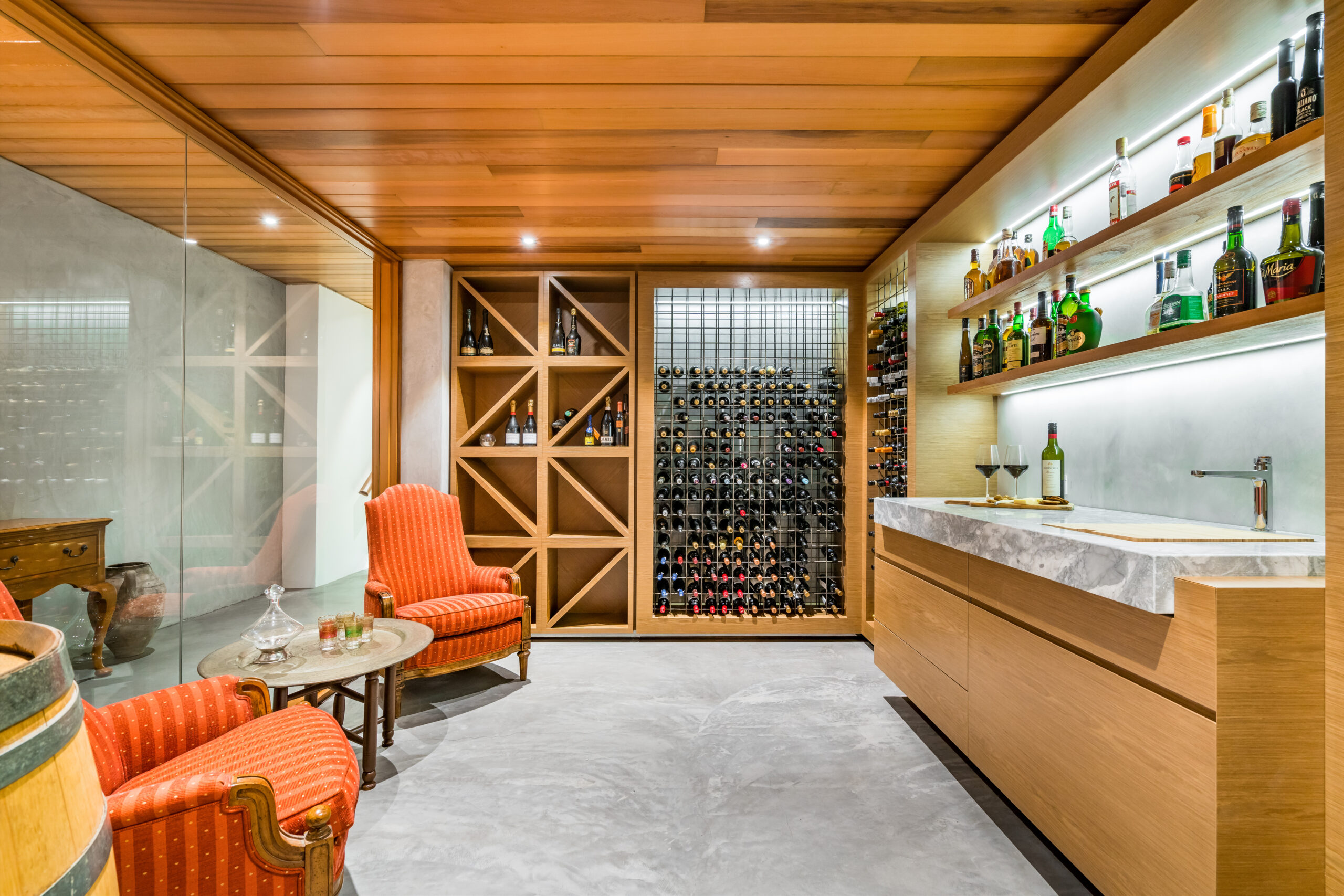
Homes that only work for a very specific type of buyer struggle to resell. Think ultra-specialized rooms or rigid layouts with no flexibility. The narrower the audience, the slower the sale. Optionality matters.
Buyers want adaptability. Life changes, and homes need to keep up. Features that limit future use reduce appeal. Resale value depends on versatility.
This article is for informational purposes only and should not be construed as financial advice. Consult a financial professional before making investment or other financial decisions. The author and publisher make no warranties of any kind.