


The home inspection is supposed to be an assurance—a professional confirmation that the house you love is structurally sound and worth the offer you made. But increasingly, buyers are getting inspection reports back and immediately reconsidering their commitment. These aren’t always dramatic disasters like crumbling foundations, though those happen, too. Often, it’s a combination of smaller issues that add up to one clear message: this house is going to cost you way more than the purchase price suggests.
1. Electrical Systems That Haven’t Been Updated Since the 1970s
Opening the electrical panel during an inspection and seeing outdated wiring, aluminum connections, or Federal Pacific panels sends immediate red flags. These systems aren’t just old—they’re genuine safety hazards that insurance companies often refuse to cover without complete replacement. The cost to rewire an entire house can easily reach $8,000 to $15,000 or more depending on size and complexity. Beyond the expense, the disruption of having electricians tear into walls throughout the house is something most buyers aren’t prepared to handle.
Old electrical systems also mean the house likely can’t handle modern power demands from multiple devices, appliances, and HVAC systems. You might move in only to experience frequent breaker trips, flickering lights, or the inability to run basic appliances simultaneously. Sellers sometimes dismiss these concerns as “it’s worked fine for us,” but that doesn’t address the underlying risk or the fact that you’ll eventually need to update it. When inspection reports highlight significant electrical issues, many buyers calculate the true cost of ownership and decide to find a house that doesn’t need this level of immediate investment.
2. Foundation Cracks and Settlement Issues
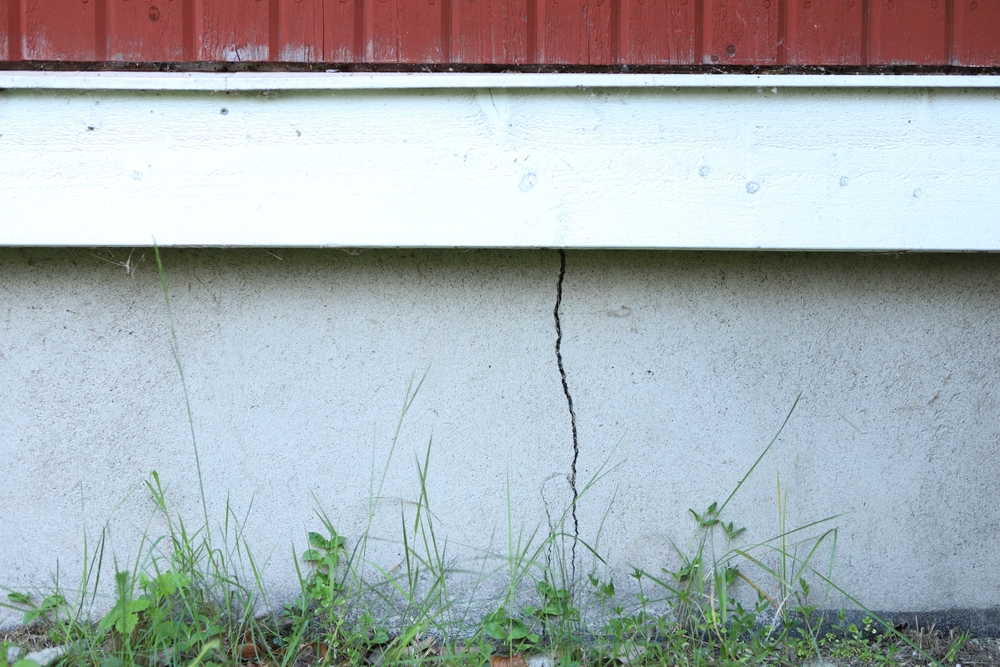
Small hairline cracks in foundations are relatively normal, but inspectors know the difference between cosmetic issues and structural problems. When reports mention horizontal cracks, stair-step patterns in brick, doors that don’t close properly, or uneven floors, buyers start imagining worst-case scenarios. Foundation repairs range dramatically in cost from a few thousand dollars for minor issues to $50,000 or more for major structural work involving piers, underpinning, or complete stabilization.
The uncertainty around foundation problems is particularly unsettling because it’s hard to know the full extent without expensive structural engineering assessments. What looks manageable might be the visible symptom of ongoing settlement that will require years of monitoring and intervention. Lenders also get nervous about foundation issues, sometimes refusing to approve loans or requiring repairs before closing. Between the financial risk and the stress of wondering whether your house is literally sinking, foundation concerns are among the top reasons buyers back out after inspections.
3. Roof Replacement Needed Within a Year or Two
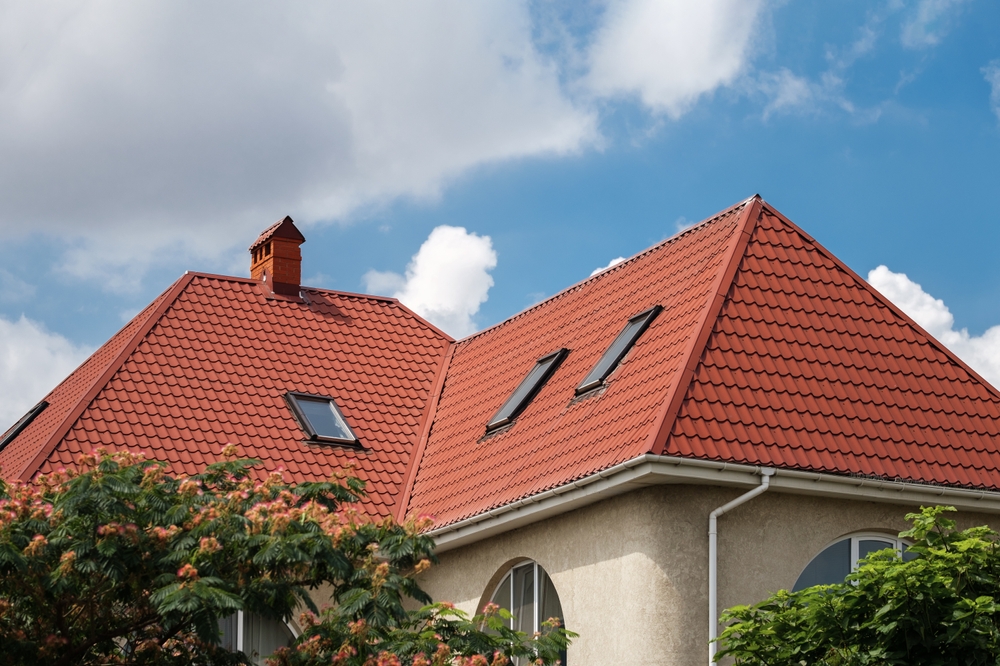
A roof with just a few years of life left might seem acceptable at first—after all, it’s still functional right now. But when inspectors estimate you’ll need replacement within one to three years, buyers start doing the math on a $10,000 to $30,000 expense they didn’t budget for. That timeline means you’ll barely settle into the house before facing a major capital expense and the disruption of contractors tearing off and replacing your entire roof.
Missing shingles, multiple layers of old roofing, sagging areas, or evidence of leaks in the attic all signal that the roof has reached the end of its useful life. Sellers often price homes as if the roof is fine, when really they’re passing off a massive upcoming expense to the buyer. Some buyers try negotiating for credits or price reductions, but if the seller won’t budge, walking away makes sense. Why take on someone else’s deferred maintenance when other houses on the market don’t come with an immediate five-figure repair bill?
4. Evidence of Previous Water Damage and Mold
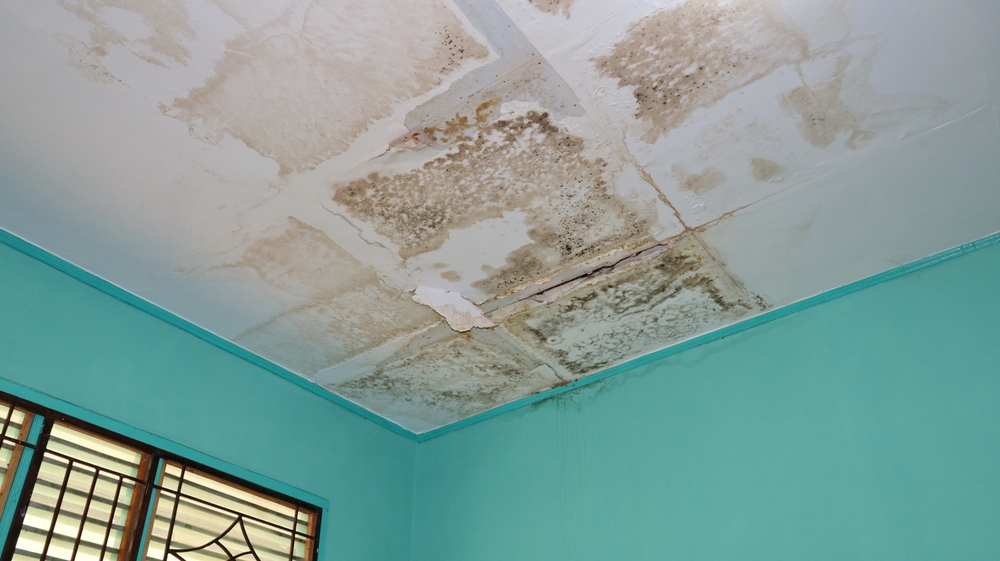
Water stains on ceilings or walls, musty odors, or actual mold growth discovered during inspections are major warning signs that often kill deals. Even if the visible damage seems minor, it raises questions about what’s hidden inside walls or under flooring. Strip away those walls and flooring, and what’s revealed can span even further than anticipated. Mold remediation can cost thousands of dollars, and the health implications worry many buyers, particularly those with children or respiratory sensitivities.
The bigger concern is that water damage indicates an ongoing or unresolved problem—a roof leak, plumbing issue, or drainage problem that will continue causing damage. Sellers might paint over stains or clean visible mold, but if the underlying cause isn’t fixed, you’re buying into a recurring nightmare. Professional mold inspection and remediation, combined with fixing the source of moisture, can quickly exceed $10,000. Many buyers decide that the uncertainty and health risks aren’t worth it, especially when cleaner options exist in the same price range.
5. HVAC Systems at the End of Their Lifespan
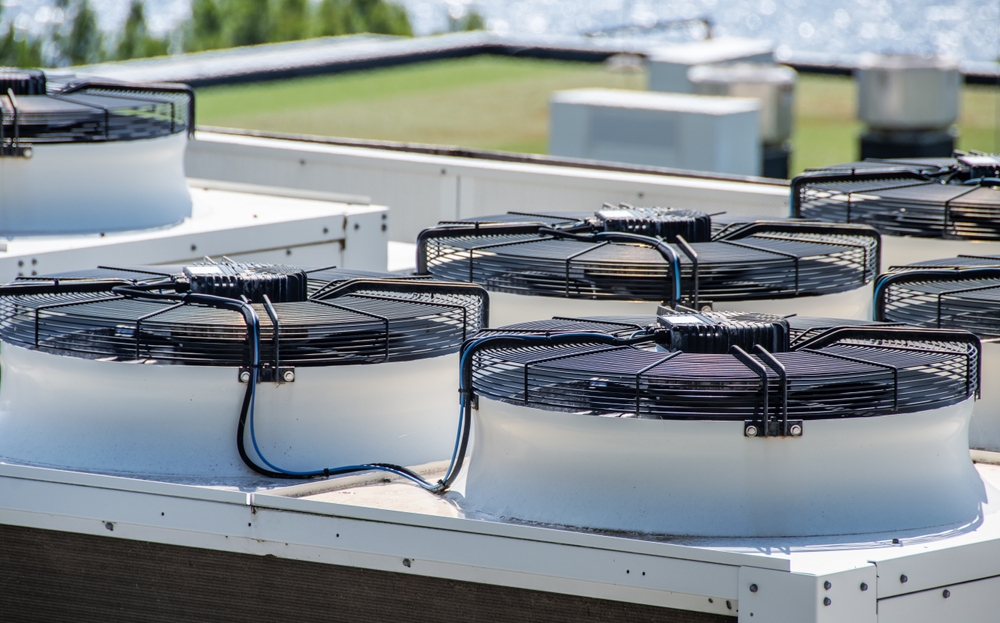
Heating and cooling systems typically last 15 to 20 years, and inspectors can usually estimate remaining life pretty accurately. When a report indicates that a furnace or air conditioner is 18 years old and showing signs of inefficiency or component failure, buyers know they’re looking at a $5,000 to $15,000 replacement in the near future. That’s particularly frustrating if the house is already at the top of your budget and you were counting on a few years before major system replacements.
Old HVAC systems also mean higher utility bills due to decreased efficiency, adding ongoing costs to the eventual replacement expense. Some systems use outdated refrigerants that are being phased out, making repairs increasingly expensive and difficult. Sellers sometimes argue that the system “still works,” which is technically true but ignores the reality that it could fail at any moment. Facing a potential HVAC replacement during your first winter in a new house isn’t most people’s idea of a good investment, so many buyers prefer to keep looking.
6. Plumbing Made From Problematic Materials
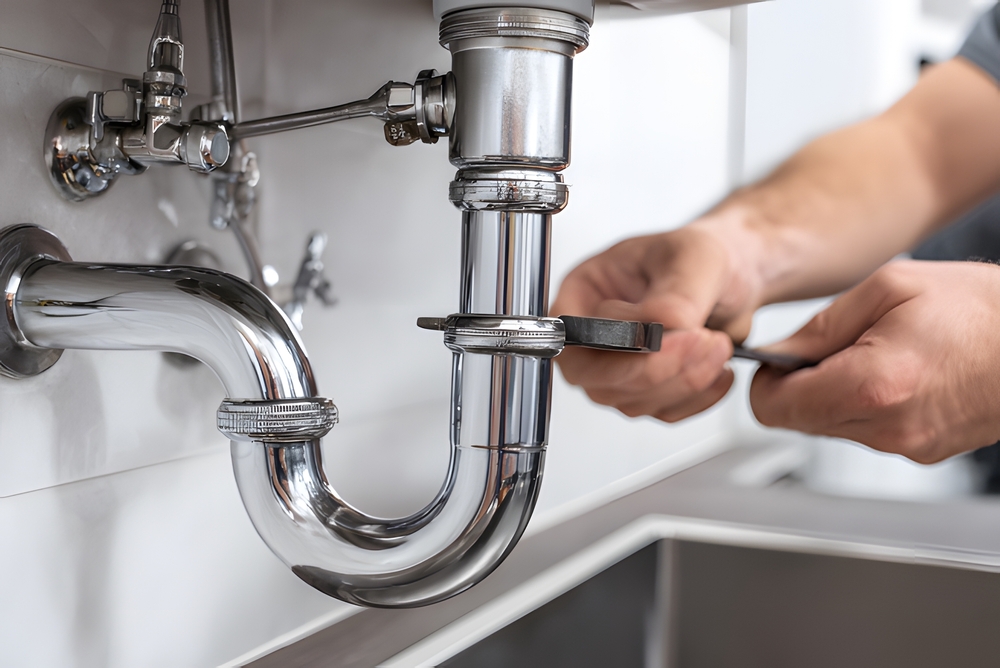
Discovering that a house has polybutylene pipes, galvanized steel, or lead plumbing sends many buyers running. These materials are known to fail, corrode, or pose health risks, and insurance companies sometimes refuse coverage or charge premium rates for homes with them. Complete replumbing can cost $4,000 to $15,000 depending on house size and accessibility of pipes, plus you’ll need to repair walls and ceilings after the work is done.
Polybutylene pipes, commonly installed from the 1970s through 1990s, are particularly notorious for sudden failures that cause significant water damage. Even if the pipes seem fine during inspection, they’re essentially ticking time bombs that most buyers don’t want to inherit. Galvanized pipes corrode from the inside out, leading to low water pressure and potential burst pipes. The scope of replumbing an entire house—including disruption to your life and additional finishing costs—makes these properties hard sells no matter how attractive the rest of the house might be.
7. Termite Damage or Active Infestations
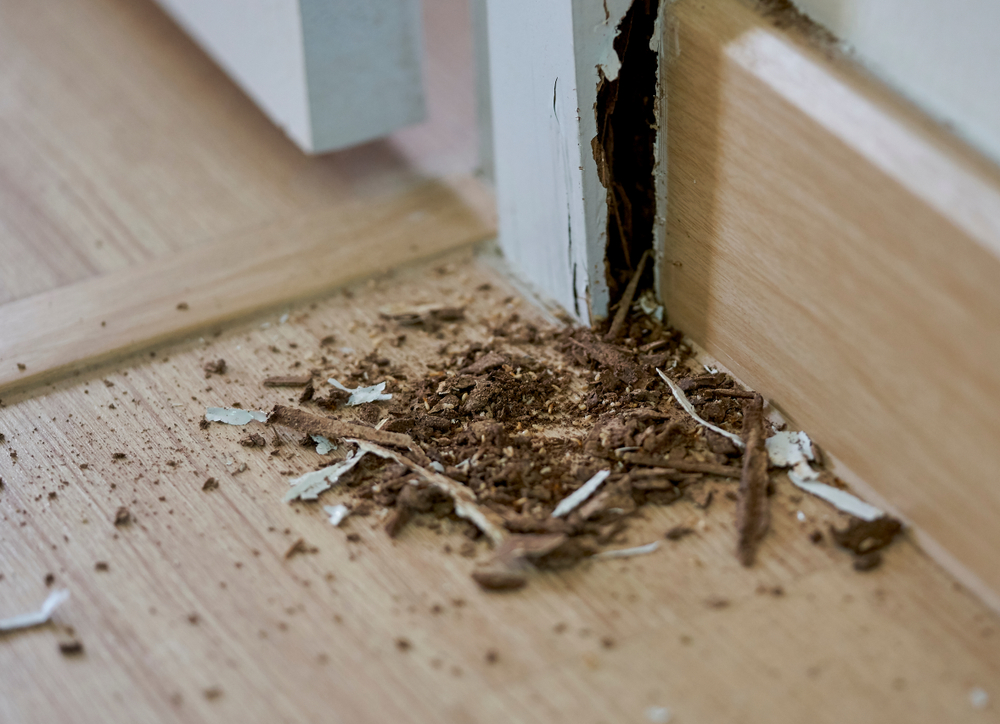
Finding evidence of termites during inspection immediately shifts a house from dream home to potential money pit. Active infestations require professional treatment costing hundreds to thousands of dollars, while previous damage might indicate compromised structural wood that needs replacement. Sellers are sometimes unaware of termite activity, but once discovered, it becomes the buyer’s problem to assess the full extent and cost of remediation.
The challenge with termite damage is that you often can’t see the full scope without invasive investigation—tearing into walls or crawl spaces to check structural members. Even after treatment, there’s no guarantee that you’ve found all the damage or that termites won’t return. Some states require termite inspections and clearances before sale, but others don’t, leaving buyers vulnerable. Between treatment costs, repair expenses, and ongoing prevention measures, termite issues can add tens of thousands to a home’s true cost, making many buyers decide it’s not worth the risk.
8. Inadequate or Failing Drainage Systems
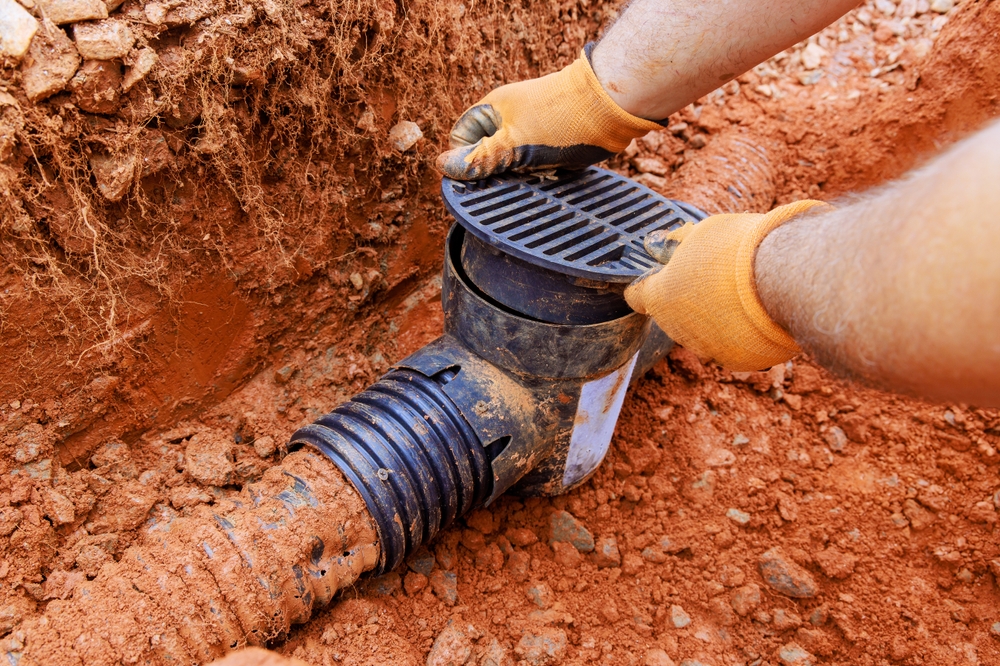
Inspectors checking grading, gutters, and drainage often find that water flows toward the house rather than away from it, or that downspouts dump water right next to the foundation. These seemingly minor issues lead to basement flooding, foundation damage, and moisture problems that cost far more to fix than proper drainage would have cost initially. Installing French drains, regrading landscaping, and fixing drainage can run $3,000 to $10,000 or more.
Wet basements or crawl spaces discovered during inspection suggest chronic drainage problems that will plague you for as long as you own the house. Mold, structural damage, and ruined belongings become recurring issues rather than one-time problems. Sellers might dismiss concerns with “we’ve never had issues,” but that doesn’t mean the next heavy rain won’t flood your basement. Proper drainage is fundamental to a home’s longevity, and fixing someone else’s negligence feels like a punishment for buying their house.
9. DIY Work Done Without Permits
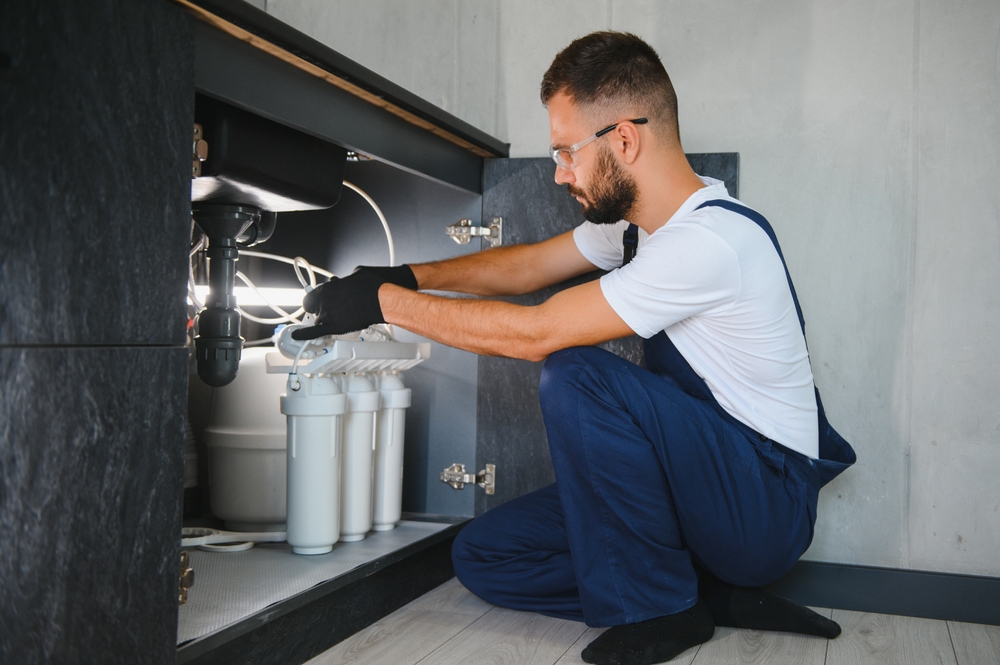
Home inspectors often spot DIY electrical work, plumbing modifications, or structural changes that clearly weren’t done by professionals or permitted by local authorities. While some unpermitted work is competently done, much of it violates building codes and creates safety hazards or future selling difficulties. When you try to sell the house later, buyers will have the same concerns, and you might be forced to bring unpermitted work up to code or obtain retroactive permits.
Lenders sometimes refuse to close on homes with significant unpermitted work, and insurance companies may deny claims related to those modifications. Discovering an unpermitted addition, bathroom, or electrical panel means you’re inheriting both the risk of faulty work and potential legal and financial complications. Some buyers try negotiating for the seller to permit or remove the work, but often the cost and hassle make walking away the cleaner option. You want a house you can confidently insure and eventually sell without these complications hanging over you.
10. Knob-and-Tube Wiring Still in Use
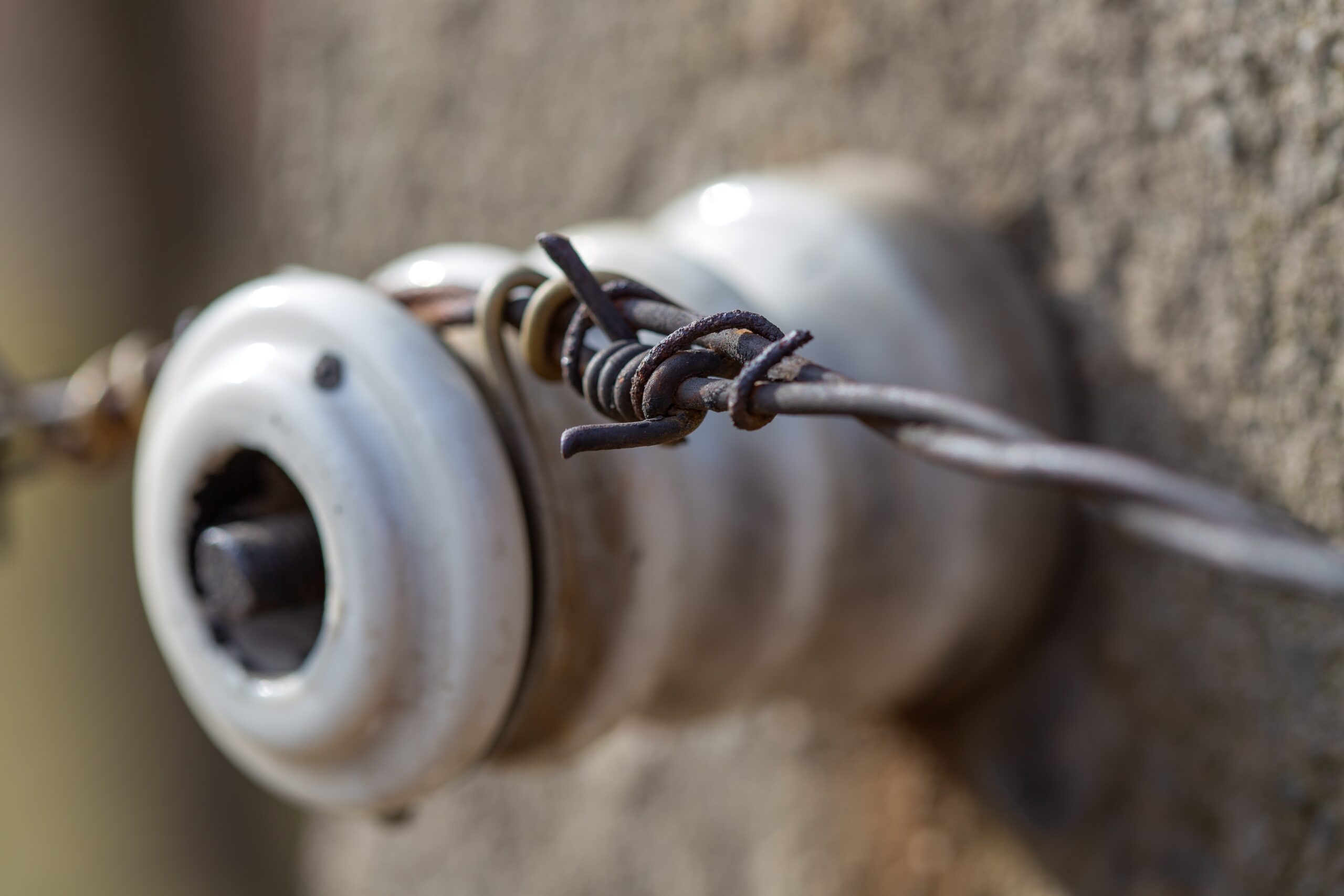
Finding knob-and-tube wiring during an inspection is an immediate deal-breaker for many buyers because most insurance companies won’t cover homes with it or charge prohibitively high premiums. This obsolete wiring system, common in homes built before the 1940s, lacks grounding and isn’t designed for modern electrical loads. Complete removal and replacement can cost $8,000 to $15,000, and the work involves opening walls throughout the house.
Even if portions have been updated, any remaining knob-and-tube wiring represents a fire hazard and insurability problem. Some sellers try to claim “the insurance has always been fine,” but new buyers often face different requirements or discover their preferred insurers won’t touch the property. The combination of safety concerns, insurance obstacles, and substantial replacement costs makes these homes extremely difficult to finance and insure. Unless you’re prepared to immediately rewire the entire house, finding knob-and-tube wiring is a valid reason to terminate the purchase agreement.
11. Septic System Failures or Needed Replacements
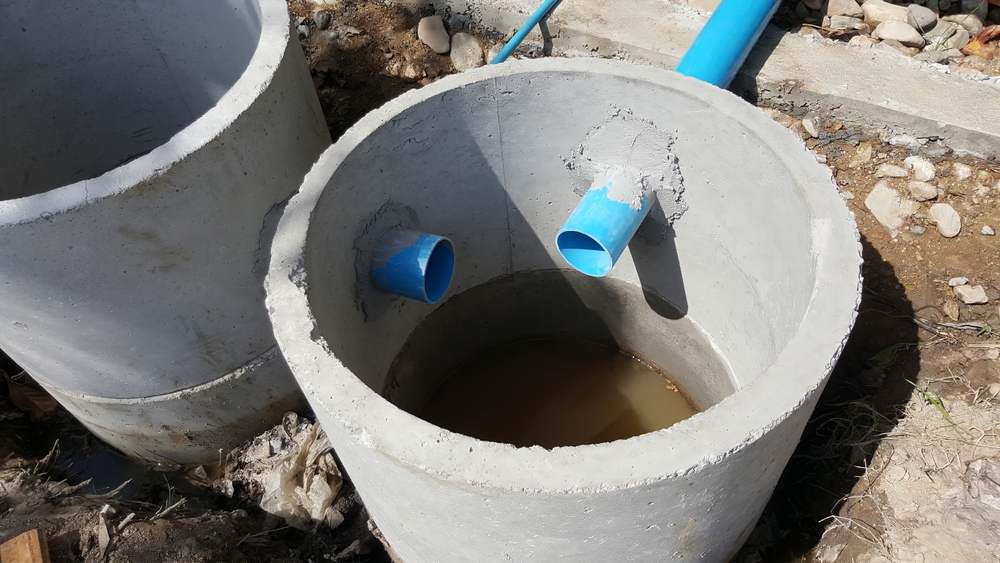
For homes with septic systems, inspection can reveal tanks that are failing, drain fields that are saturated, or systems sized inadequately for the house. Septic replacement is catastrophically expensive, often running $15,000 to $30,000 or more depending on soil conditions and local regulations. Unlike most home repairs you can defer, a failing septic system is an immediate crisis that affects basic habitability.
Backed-up sewage, foul odors, or wet areas in the yard signal septic problems that need urgent attention. Some failures occur because previous owners neglected maintenance, while others result from system age or changing regulations that grandfathered in inadequate systems. Getting accurate assessments requires specialized septic inspections that go beyond standard home inspections. The scope and cost of septic replacement, combined with the disruption to your property, make these issues among the most serious discoveries that can emerge from inspections.
12. Structural Issues With Additions or Decks
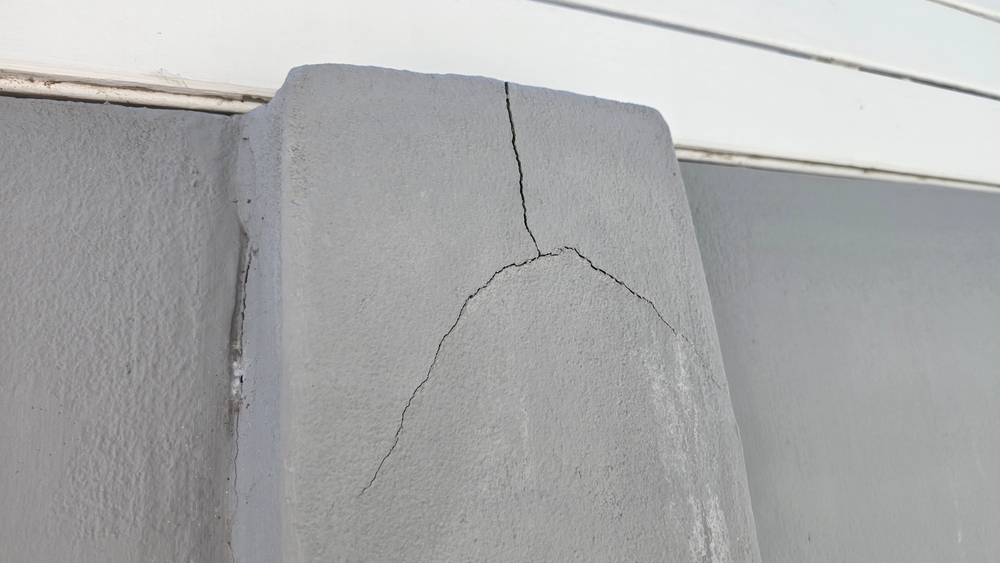
Inspectors examining additions, decks, or other structures often find they’re inadequately attached to the main house, built without proper footings, or showing signs of structural failure. A deck pulling away from the house represents a genuine safety hazard that could collapse under load, while poorly built additions might lack proper foundations or weather protection. Rebuilding or properly securing these structures can cost $10,000 to $50,000 depending on size and extent of problems.
The liability concerns around unsafe decks and additions weigh heavily on buyers, particularly those with children or who plan to entertain. Even if you’re willing to avoid using the structures until repairs are made, you’re still paying purchase price for square footage that’s unusable. Sellers might claim these features “add value,” but if they’re built improperly, they actually represent negative value—something you’ll need to pay to fix or remove. Discovering significant structural issues with additions often convinces buyers to find properties where all the square footage is safely usable from day one.
This article is for informational purposes only and should not be construed as financial advice. Consult a financial professional before making investment or other financial decisions. The author and publisher make no warranties of any kind.