


Feeling poor isn’t always about income. For a lot of people, it’s about how money moves through their life, how predictable it feels, and how much margin it leaves behind. Two people can earn the same amount and experience completely different levels of financial stress. These reasons explain why.
1. Their Expenses Scale As Fast As Their Income

For some people, higher earnings immediately trigger higher fixed costs. According to spending data analyzed by the Bureau of Labor Statistics, households tend to increase housing, transportation, and lifestyle spending in direct proportion to income gains. The extra money never really settles—it gets absorbed. As a result, day-to-day pressure doesn’t ease, even when the numbers look better on paper.
What changes is the price point, not the feeling. The bills get larger, expectations rise, and the margin stays thin. The person earning more doesn’t feel richer because their financial breathing room never actually expands.
2. They Compare Themselves To Higher Income Groups

How wealthy someone feels depends heavily on who they’re comparing themselves to. Research on social comparison cited by the American Psychological Association shows that people assess their financial well-being relative to peers, not absolute income. When someone’s social circle shifts upward—through work, location, or online exposure—the sense of being behind can intensify even as earnings increase.
The comparison resets expectations. Normal spending starts to feel inadequate. Financial choices that once felt responsible begin to feel restrictive. The feeling of “not enough” comes from the reference point moving, not from income falling short.
3. Their Money Is Locked Into Obligations

High earners often have a lot of money committed before they even touch it. Mortgages, childcare, insurance, tuition, and debt payments eat up cash automatically. What’s left over feels surprisingly small given the headline salary.
Because these expenses aren’t flexible, the person doesn’t experience their income as usable. They know the money is technically there, but it doesn’t feel available. That gap between earnings and accessible cash is a big driver of feeling poor.
4. They Don’t Have Liquid Savings

Someone can have a high net worth and still feel financially stressed if their money isn’t easy to access. According to consumer finance data from the Federal Reserve, households with limited liquid savings report significantly higher financial anxiety regardless of income level. Money tied up in retirement accounts, home equity, or investments doesn’t help much in everyday uncertainty.
When unexpected costs come up, there’s no cushion to absorb them. Even a high income feels fragile without cash on hand. The absence of liquidity keeps the nervous system on edge, which translates directly into feeling poor.
5. They Experience Income Unpredictably

According to research cited by the Federal Reserve Bank of San Francisco, income volatility is strongly linked to financial stress, even among top earners. When pay fluctuates due to bonuses, commissions, equity compensation, or contract work, people tend to mentally discount future money. They act as if it might not really be there.
That uncertainty shapes behavior. People hesitate to relax, spend, or plan ahead because they’re always bracing for a down month. Even strong annual earnings don’t register as security when the timing feels unstable.
6. Their Lifestyle Requires Constant Maintenance Spending

Some lifestyles don’t just cost money to acquire—they cost money to sustain. According to consumer expenditure data from the Bureau of Labor Statistics, recurring maintenance costs rise sharply once households pass certain income thresholds. Cars, homes, memberships, services, and convenience spending quietly pile on.
A large portion of income goes toward keeping things running at the same level. When so much money is already spoken for, higher earnings don’t translate into relief.
7. They Internalize Financial Pressure As Failure

People who earn well often assume they shouldn’t struggle. When they do, they blame themselves rather than the structure of their expenses or environment. That internal pressure makes every financial stressor feel heavier.
Instead of adjusting expectations or systems, they push harder. They assume feeling poor means they’re doing something wrong. The shame compounds the stress, making it harder to see practical solutions.
8. They Don’t Feel Like They Can Enjoy Their Money

For some people, spending triggers anxiety regardless of income. Purchases are second-guessed, even when affordable. Enjoyment is delayed or minimized out of fear that something will go wrong later.
That constant restraint creates emotional scarcity. Money exists, but it doesn’t feel usable. Over time, withholding enjoyment can feel just as draining as overspending.
9. Their Financial Wins Never Fully Register

Some people move the goalposts the moment they reach them. A raise, a bonus, or a milestone is immediately absorbed into the next target. There’s little pause to acknowledge that something improved. The baseline resets before relief ever arrives.
Over time, this trains the brain to treat progress as invisible. Income grows, but satisfaction doesn’t keep up. Without moments of recognition, financial life feels like constant chasing rather than forward movement.
10. They’re Responsible For More Than Just Themselves

Supporting family members, helping parents, or being the financial safety net for others changes how money feels. Even a high income can feel thin when it’s stretched across multiple obligations. The pressure isn’t always visible from the outside, but it’s always present.
That responsibility creates a sense that money is already spent before it arrives. There’s little room for error, which keeps stress high.
11. They Live In Expensive Environments
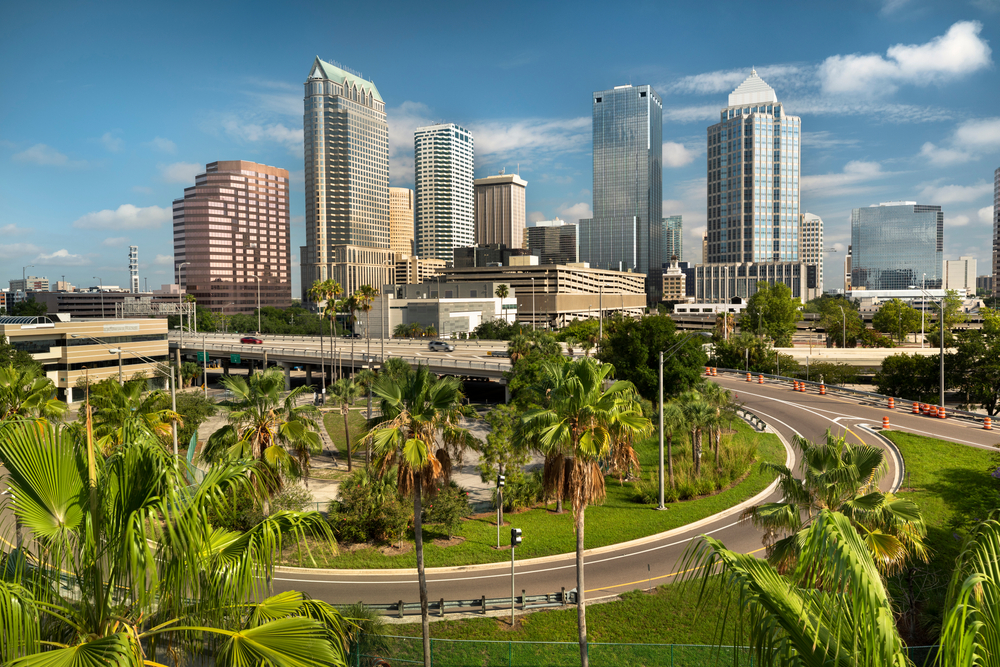
Living in expensive cities or social ecosystems reshapes expectations fast. Rent, childcare, healthcare, and basic services consume a larger share of income, even at higher salary levels. What would feel comfortable elsewhere feels tight here.
Because these costs are structural, not optional, there’s no easy way to downshift. People can earn more and still feel behind simply because the environment absorbs it. The paycheck grows, but the context stays demanding.
12. They Never Feel Ahead

For some people, financial progress is framed entirely around catching up. Paying off debt, covering obligations, or stabilizing past decisions becomes the focus. Even when things improve, the narrative stays defensive.
Money feels like damage control rather than a tool. That mindset keeps stress active even as numbers improve. Without a sense of being ahead of anything, the feeling of poverty lingers long after the actual risk has passed.
This article is for informational purposes only and should not be construed as financial advice. Consult a financial professional before making investment or other financial decisions. The author and publisher make no warranties of any kind.