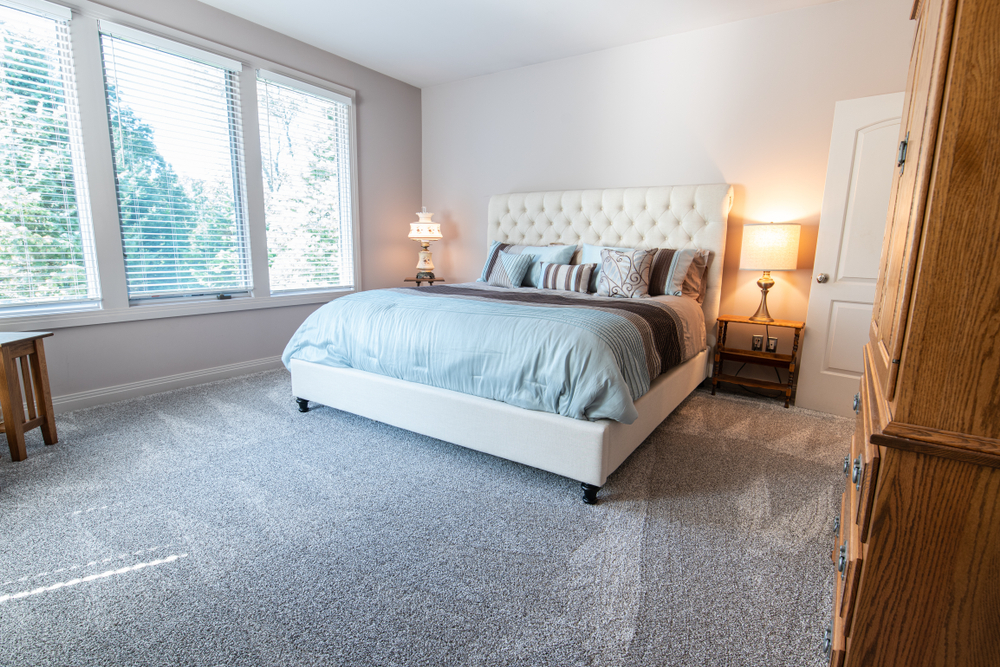


There was a long stretch of time when buying something meant you were done buying it. Big purchases were decisions meant to last decades. Our parents planned their lives around that assumption because products, pricing, and wages mostly supported it. But now? So many of those “lifetime” expectations collapsed without anyone saying a word.
1. A Single Home They’d Never Need to Leave

For many of our parents, buying a house wasn’t a stepping stone—it was the destination. According to housing data analyzed by the Urban Institute, postwar homeowners were far more likely to stay in one primary residence for decades, often paying off the mortgage well before retirement. The house was expected to age with them. It wasn’t something to trade up, cash out, or constantly reassess.
That expectation shaped everything from school choices to retirement plans. Moving was seen as disruptive, not strategic. Today, housing costs, job mobility, and property taxes have turned ownership into something far less permanent. The idea that one home could carry you for life stopped being realistic.
2. A Car They’d Drive Until It Was Truly “Done”

Cars used to be bought with endurance in mind. You drove them until repairs outweighed usefulness, not until the tech felt dated or the warranty expired. A car’s value was measured in years, not lease terms or resale timing.
Now, constant model refreshes, expensive electronic components, and financing structures have shortened that relationship. What used to feel like a long-term possession now feels temporary by design.
3. Major Appliances That Would Last Decades
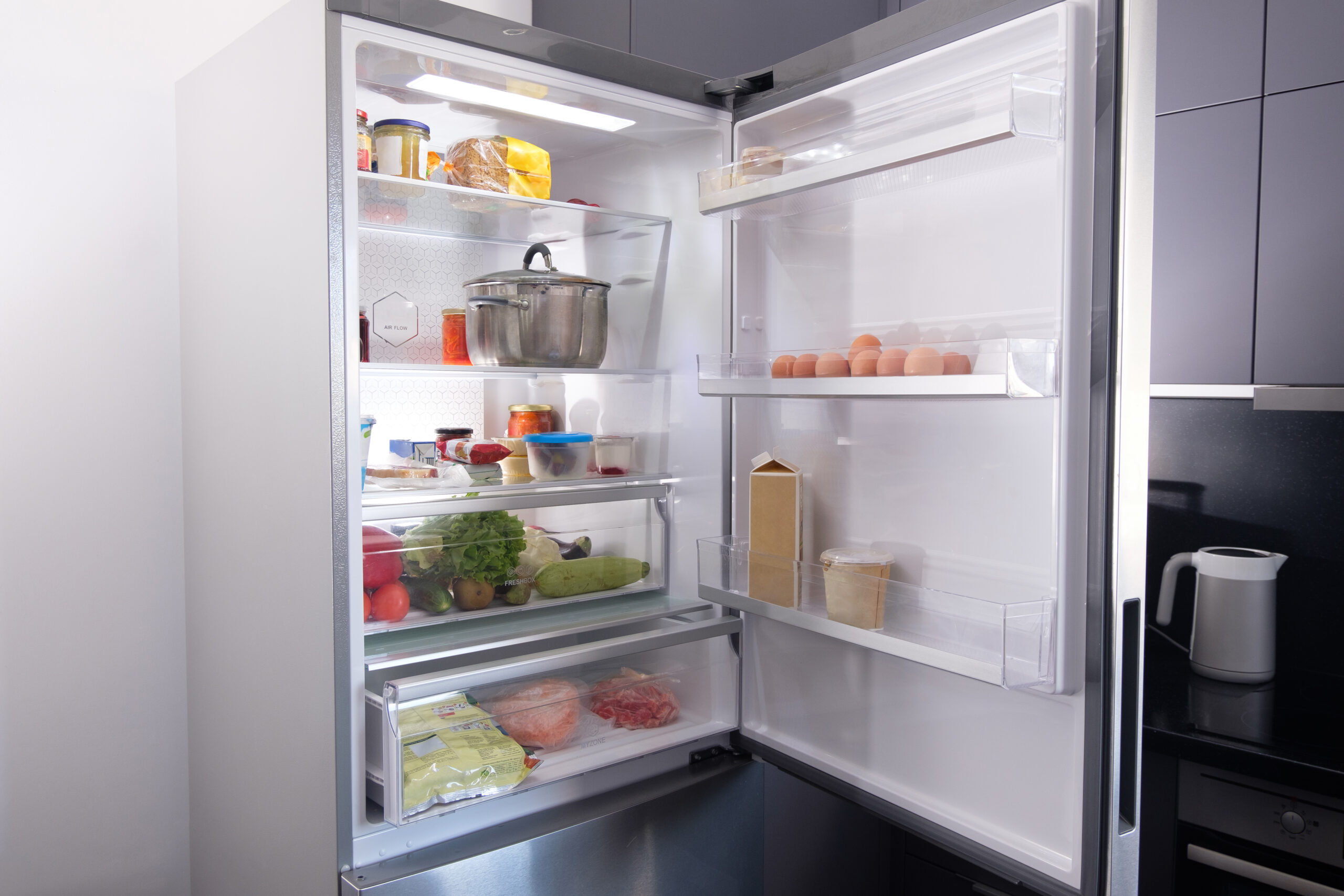
Refrigerators, washers, and ovens were once treated as near-permanent fixtures. According to historical consumer durability data cited by Consumer Reports, appliances produced in the 1970s and 1980s routinely lasted 20–30 years. Repairs were expected, affordable, and straightforward. Replacement wasn’t the default.
Today’s appliances are more efficient and more fragile. Proprietary parts, sealed systems, and planned obsolescence have shortened lifespans dramatically. What was once a one-time purchase has become a recurring expense that resets every decade—or less.
4. Furniture That Would Outlive Multiple Life Stages
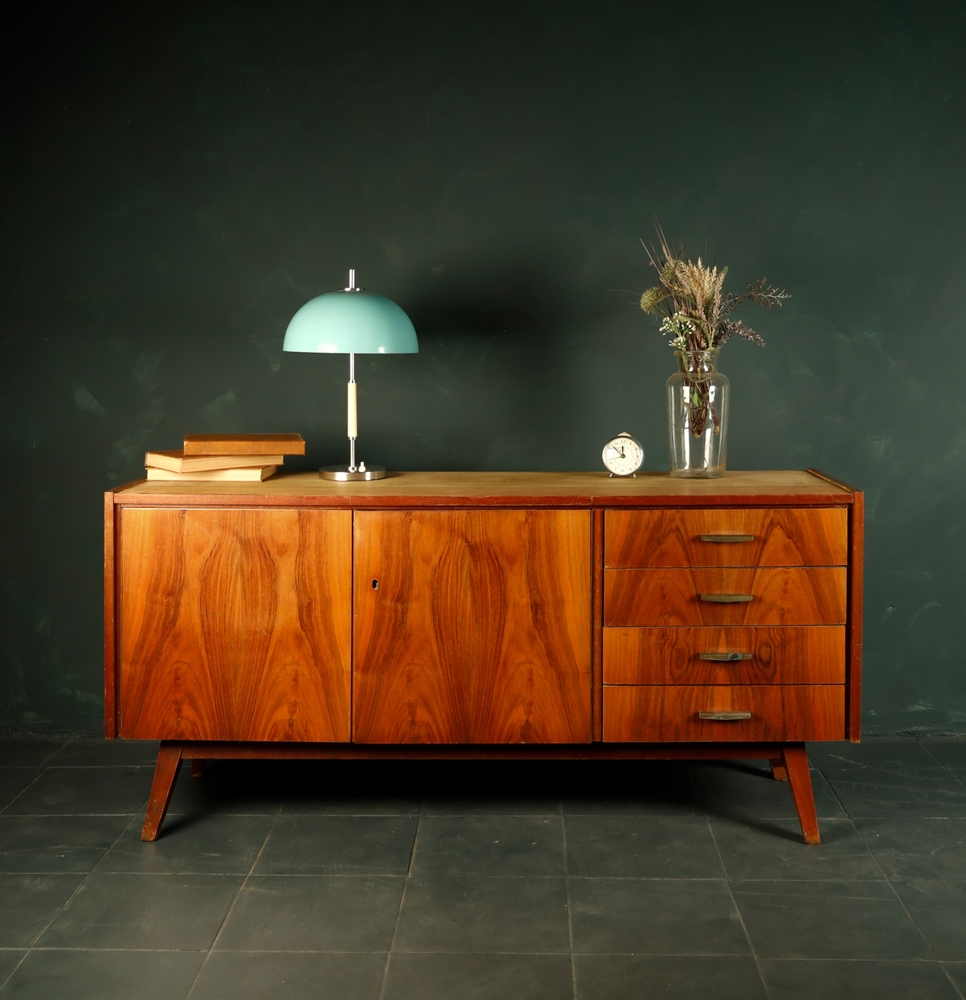
Couches, dining tables, and bedroom sets were bought with the assumption they’d move with you, not be replaced when your style changed. According to consumer spending research from the Bureau of Labor Statistics, earlier generations allocated far less spending to furniture replacement. Pieces were repaired, reupholstered, or passed down.
Furniture wasn’t disposable or trend-driven. It was heavy, durable, and expected to survive moves, kids, and time. Today’s furniture market prioritizes affordability and aesthetics over longevity, making the idea of “buy it once” feel increasingly out of reach.
5. A Single Set Of Dishes For Everyday
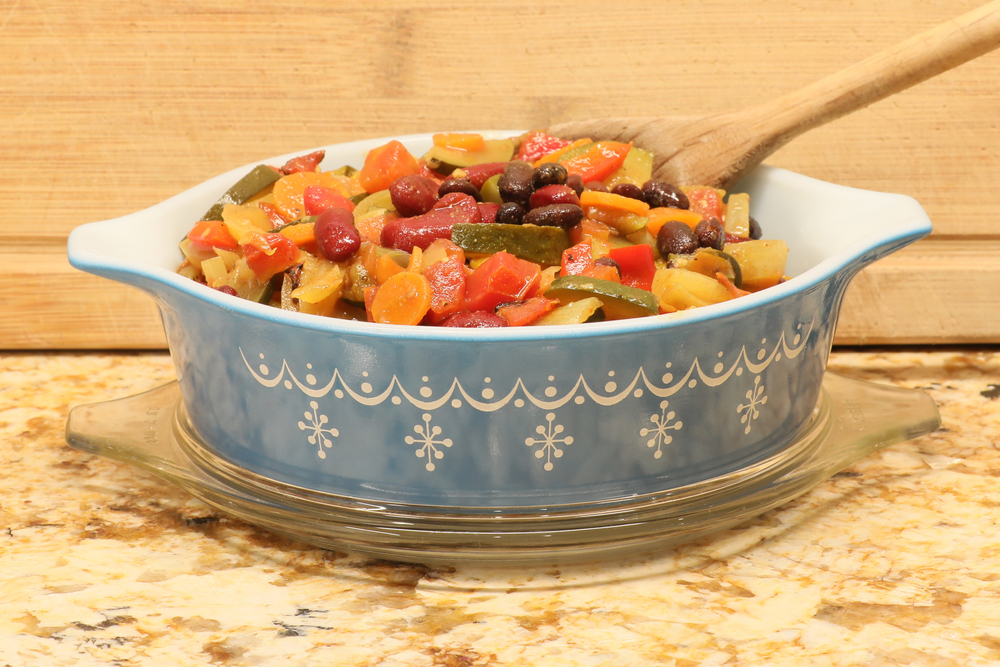
There was a time when one set of dishes handled everything. Everyday meals, holidays, guests, leftovers—it was all on the same plates. The expectation wasn’t that dishes would be stylish or Instagram-worthy. They were supposed to do their job.
People didn’t rotate dishware based on mood or occasion. Chips and scratches accumulated, but that was normal. Now, dishes are cheaper, thinner, and easier to replace, which turned them into another category of semi-disposable household item.
6. A Job That Would Carry Them to Retirement

According to longitudinal labor data cited by the U.S. Bureau of Labor Statistics, workers in the late 20th century spent significantly longer with a single employer than workers do today. Jobs were expected to provide stability, progression, and benefits over decades. Loyalty was treated as an asset.
That structure has mostly disappeared. Layoffs, restructuring, and benefit erosion changed what employment could realistically promise. What used to feel like a long-term arrangement now feels provisional, even in fields that once seemed secure.
7. Tools That Would Never Need Replacing
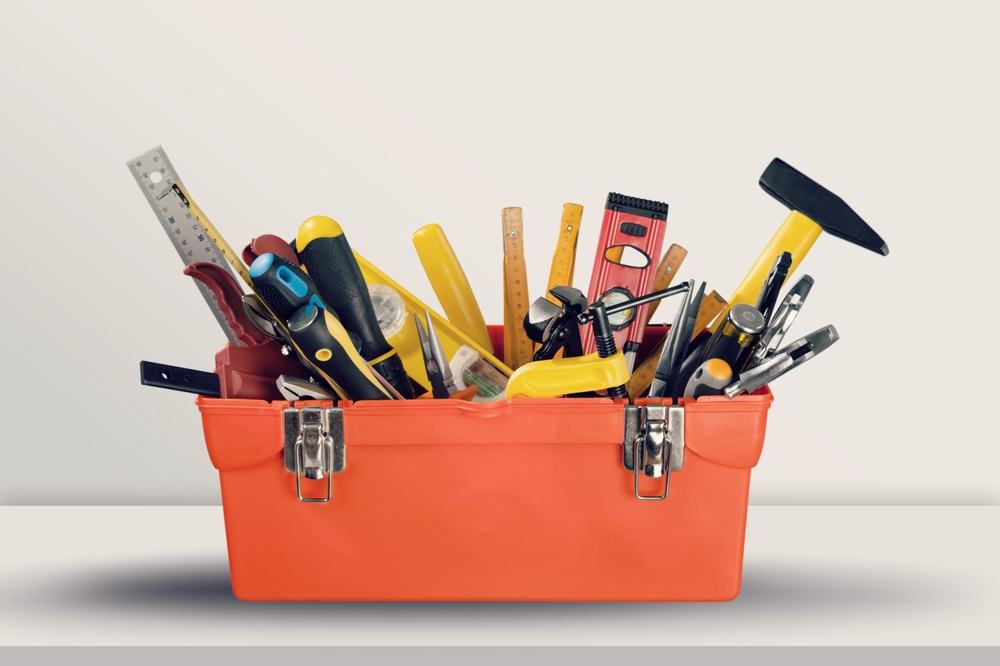
Whether it was a drill, a wrench set, or lawn equipment, tools were bought with the expectation that they’d simply live in the garage forever. You bought them once, learned how to use them, and trusted they’d be there when you needed them. The idea of “upgrading” tools rarely came up unless something truly broke.
Today’s tools often rely on batteries, proprietary parts, or materials that don’t age well. When something fails, repair isn’t always possible or cost-effective.
8. A Phone Plan They’d Never Have To Rethink

Early phone service wasn’t something people revisited often. You picked a provider, paid the bill, and expected it to work indefinitely. The phone itself didn’t change much, and neither did the service.
Now, phones and plans are in constant motion. Devices age out, networks change, and pricing structures shift regularly. It now requires ongoing attention, comparison, and replacement cycles.
9. A Television That Would Last Until It Broke
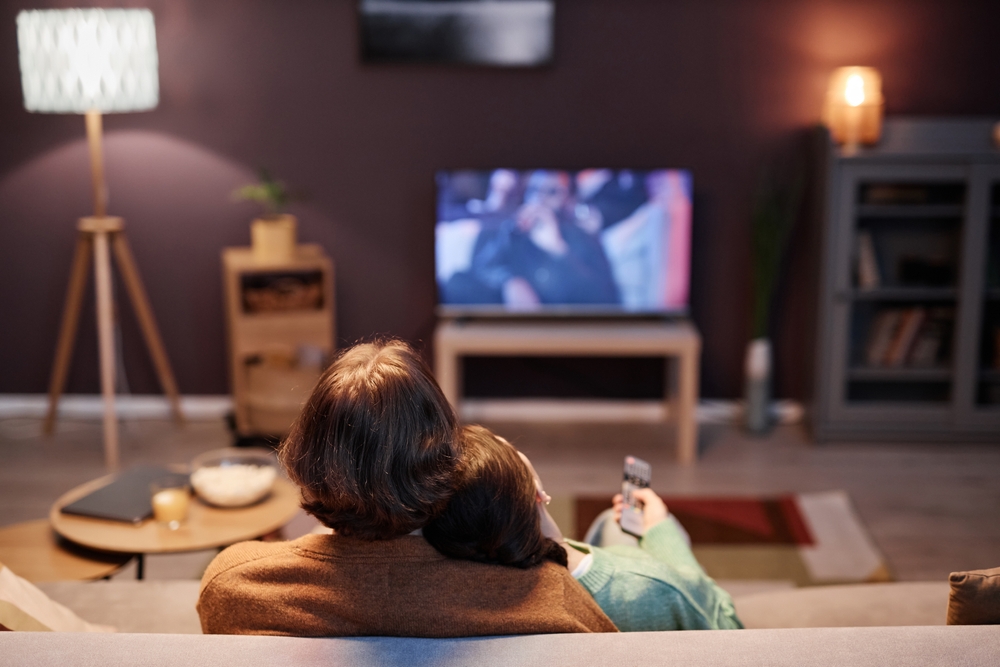
Televisions used to be bought with the expectation that you’d replace them only when they stopped working. Picture quality mattered, but incremental upgrades weren’t part of the equation. If the TV turned on and the picture looked fine, there was no reason to think about it again. It was furniture as much as technology.
Now, screens cycle faster than their actual usefulness. New formats, smart features, and software support aging devices long before the hardware breaks. It used to be a one-time purchase, but now it’s something people anticipate replacing every few years, whether it’s broken or not.
10. A Set of Clothes That Would Age With Them

Clothing wasn’t expected to rotate constantly. You bought fewer items, wore them often, and replaced them when they wore out, not when trends changed. Pieces softened, faded, and adjusted to the body over time. That was normal.
Today, fabric quality, price pressure, and fast production shortened that lifespan. Clothes are lighter, cheaper, and less tolerant of repeated wear. The expectation shifted from durability to what’s trendy.
11. A Lawn Mower That Would Keep Working
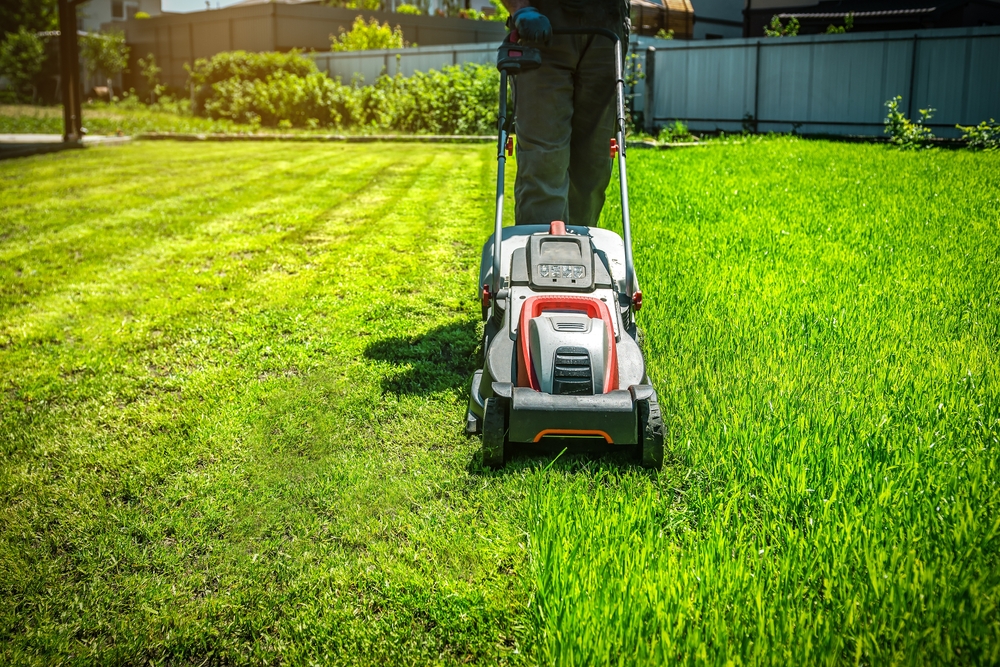
Lawn equipment used to be bought with the assumption that it would live in the garage indefinitely. You sharpened the blade, changed the oil, and pulled the cord until it started. If something went wrong, a local repair shop could usually fix it. Replacement wasn’t the first thought.
Today’s mowers rely more heavily on plastic components, sealed systems, or batteries that degrade long before the machine itself should. Repairs are often expensive or impractical. A once-every-couple-of-decades purchase now feels temporary, even if the yard hasn’t changed.
12. A Stereo System Meant To Last
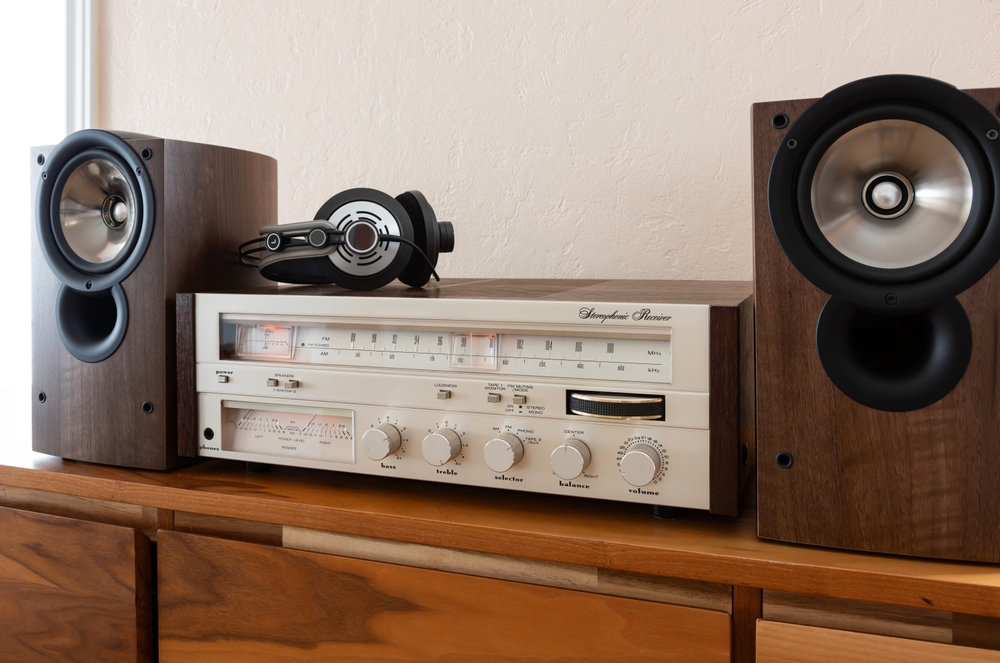
Stereo systems were once major purchases chosen carefully and kept for years. You bought separate components, learned how they worked, and expected them to stay in place. Sound quality mattered more than convenience, and there was no expectation that the system would become obsolete quickly.
Now, audio gear cycles with formats, connectivity standards, and software compatibility. Speakers still work, but the inputs don’t. What was once treated as a permanent setup has become a category people replace incrementally, even when nothing is technically broken.
This article is for informational purposes only and should not be construed as financial advice. Consult a financial professional before making investment or other financial decisions. The author and publisher make no warranties of any kind.