


The internet already profits from your data—you’re just usually not the one getting paid. In response, a wave of apps now promise to cut you in on the deal by compensating you for browsing habits, location data, or shopping behavior. The pitch sounds empowering, even fair. But what you’re really trading isn’t obvious until you slow down and follow the money.
1. Nielsen Mobile Panel

Nielsen has been collecting consumer data for decades, long before “data privacy” became a household phrase. Its mobile panel app pays users small monthly amounts to track how they use their devices. The value proposition is stability rather than speed. You’re not cashing out big, but the payments are predictable.
What you’re giving up is long-term behavioral insight. Nielsen isn’t interested in what you click once—it’s interested in patterns over time. That makes your data more valuable than it feels in the moment. The money is real, but modest, and the trade-off is ongoing visibility into your habits.
2. Facebook Viewpoints

Facebook Viewpoints pays users for surveys, tasks, and limited activity tracking tied to Facebook research. According to reporting from The Wall Street Journal and Meta’s own disclosures, the program was designed to help the company study user behavior while rebuilding trust after multiple privacy scandals. Payments usually come through PayPal. The amounts are small but clearly defined.
The catch is context. You’re selling data back to the same ecosystem that already monetizes you aggressively. While Viewpoints claims separation from ad targeting, your participation still strengthens Facebook’s internal research. You’re compensated, but you’re also reinforcing a system that profits far beyond what you’re paid.
3. Rakuten Insights

Rakuten Insights offers cash and gift cards in exchange for surveys and shopping behavior data. It’s positioned as market research rather than surveillance. You opt in actively, answer questions, and get paid per task. The transaction feels transparent.
Still, your answers feed corporate decision-making at scale. Preferences, spending habits, and demographic details are aggregated and sold. The pay is proportional to effort, not value extracted. You earn something, but the platform earns far more.
4. Honeygain

Honeygain pays users to share unused internet bandwidth, effectively routing anonymous data traffic through their connection. According to analyses cited by cybersecurity firms and coverage in tech publications like TechRadar, the app markets itself as safe while functioning as a data proxy network. Payments accumulate passively.
The risk lies in abstraction. You’re not sharing opinions—you’re sharing infrastructure. While Honeygain claims security safeguards, you have limited visibility into how your connection is ultimately used. The money feels easy because the trade-off is hard to picture.
5. Sweatcoin

Sweatcoin pays you for steps by converting movement data into a digital currency. The app tracks your location and activity throughout the day, then rewards you with points that can be redeemed for products, discounts, or limited cash options. It feels like free money for doing something you already do. The psychological hook is strong.
What you’re really exchanging is continuous location and behavior data. Movement patterns are incredibly valuable to advertisers and urban planners. Sweatcoin monetizes aggregate insights far more efficiently than individual payouts suggest. You’re paid, but not proportionally to the value extracted.
6. Brave Browser
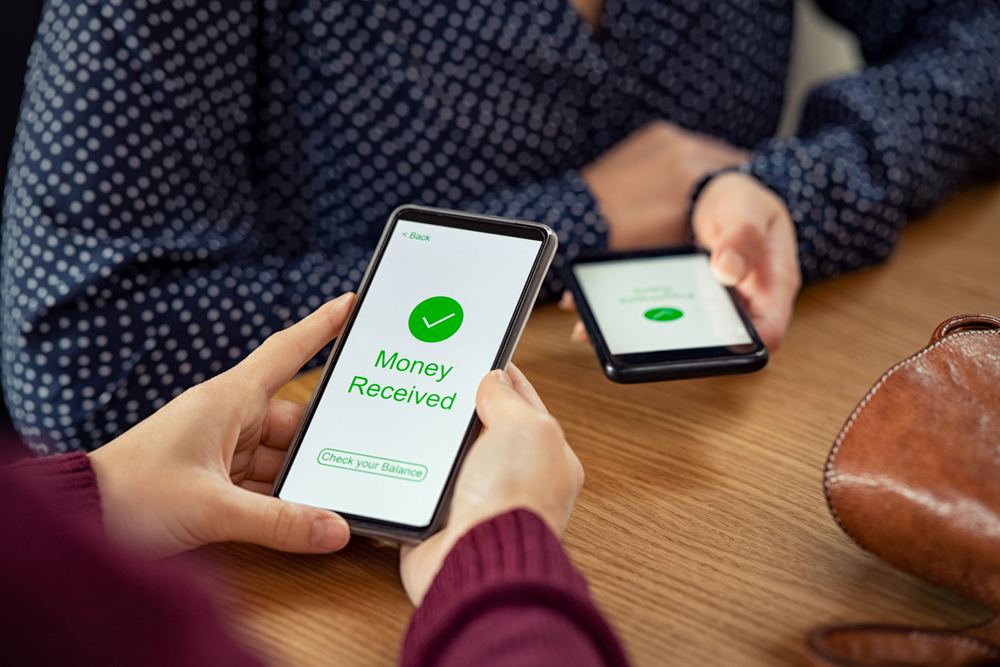
Brave pays users in its own cryptocurrency for opting into privacy-respecting ads. According to coverage from Wired and The Verge, the browser blocks traditional trackers while replacing them with its own ad ecosystem. Users earn small amounts of Basic Attention Token for viewing ads. The pitch is control and transparency.
The trade-off is subtle. You’re still participating in advertising—you’re just choosing which version. Brave keeps more user data local, but it also builds a parallel monetization system around your attention. You gain privacy relative to mainstream browsers, but you’re still selling engagement.
7. Achievement

Achievement pays users for sharing health and fitness data from connected apps like Fitbit or Apple Health. Steps, sleep, and activity are converted into points that eventually cash out. The app positions itself as wellness-focused rather than extractive. The money arrives slowly.
Health data is among the most sensitive information you can share. Even anonymized, it’s valuable to insurers, researchers, and corporations. Achievement sells access to large datasets, not individual profiles. You’re compensated, but the real asset is scale.
8. Killi

Killi pays users directly for demographic data, shopping habits, and opinions. According to reporting from Fast Company and interviews with the company’s founders, Killi was built to formalize the data-for-cash exchange rather than hide it. You answer questions, set permissions, and get paid in cash. The transaction is explicit.
That clarity is also the risk. You’re consciously selling pieces of your identity. While Killi emphasizes consent, once data is shared, it can’t be unshared. The payment is immediate, but the exposure is permanent.
9. Lympo
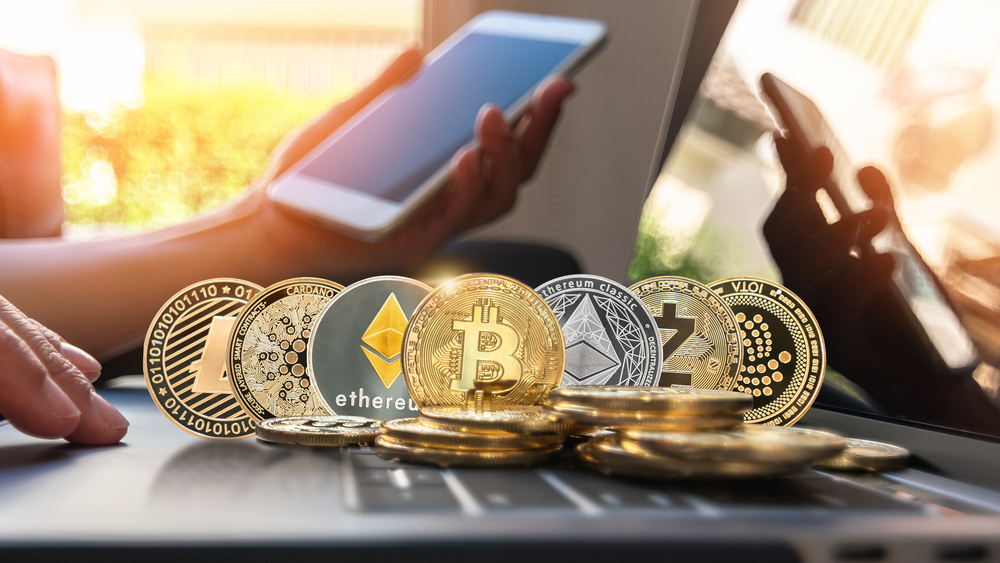
Lympo rewards users with cryptocurrency for fitness activity and health engagement. Like similar apps, it connects to wearable devices and logs physical data over time. The incentive is gamified and aspirational. Earnings fluctuate with crypto markets.
The value proposition depends on belief. If the token collapses, your data trade looks lopsided. You’re betting that speculative rewards justify sharing long-term health metrics. That’s a gamble, not a guarantee.
10. MobileXpression

MobileXpression pays users to install a VPN-like app that tracks browsing activity across their devices. The compensation comes in the form of gift cards rather than cash, which makes the exchange feel less transactional. Once installed, the app runs quietly in the background. That passivity is part of the appeal.
The cost is the scope. MobileXpression doesn’t just see what you buy or search—it observes how you move through the internet. Browsing patterns reveal intent long before purchases happen. You’re paid for access, but you give up a detailed behavioral map of your online life.
11. User Interviews

User Interviews pays significantly more than most apps, often $20 to $100 per session, for participating in research studies. These are usually interviews, usability tests, or product feedback sessions. You opt in deliberately and know when you’re being observed. The trade feels professional.
The difference is intensity rather than volume. You’re not leaking data passively—you’re actively explaining your habits, preferences, and frustrations. That depth is extremely valuable to companies. The pay is fairer, but you’re selling insight, not clicks.
12. InboxDollars

InboxDollars pays users to read emails, take surveys, and shop through affiliate links. The app frames data sharing as side income. Earnings accumulate slowly and require patience to cash out. The experience feels harmless.
Behind the scenes, your engagement data fuels targeted marketing. Email interaction, survey responses, and shopping behavior form a detailed consumer profile. The money makes the exchange feel optional. The profiling continues regardless.
13. Premise

Premise pays users for completing location-based tasks, surveys, and photo submissions. You might be asked to photograph a grocery shelf, answer questions about local prices, or confirm whether a business is open. Payments are task-based and can add up faster than passive apps. The work feels closer to gig labor than background data sharing.
The trade-off is physical-world exposure. Premise isn’t just learning how you think—it’s learning where you go and what you see. Location data paired with visual proof is extremely valuable to companies and researchers. You’re paid more because you’re giving more, and the exchange is far less abstract than most people realize.
This article is for informational purposes only and should not be construed as financial advice. Consult a financial professional before making investment or other financial decisions. The author and publisher make no warranties of any kind.