


Saving money doesn’t have to mean sacrificing the things you love. With a little creativity and awareness, you can keep your lifestyle feeling full—without the full price tag. These swaps are about working smarter, not harder, and finding balance between indulgence and intention. Here are 13 clever trade-offs that help you spend less while still living well.
1. Swap Barista Coffee for Home Espresso

Those daily coffee runs might feel essential, but they’re quietly eating into your savings. Investing in a quality espresso machine pays for itself within months, especially if you love your lattes or iced matchas. You still get the same ritual and flavor—just without the markup. Once you’ve nailed your routine, your homemade version will taste better than the café’s.
Plus, you can customize your drink exactly how you like it: temperature, foam, milk type, all on your terms. Try setting up a mini “coffee station” at home to make it feel special. Small luxuries are about experience, not expense. Your mornings will feel just as indulgent—and a lot more affordable.
2. Swap Gym Memberships for Outdoor or At-Home Workouts

That $100 monthly gym fee might not seem like much until you realize how little you use it. Swapping to outdoor runs, yoga videos, or strength apps can save hundreds a year without sacrificing your fitness. You’ll get fresh air, variety, and no commute. Health doesn’t need a swipe card—it needs consistency.
You can even build your own mini home gym with a few essentials: resistance bands, a mat, and a set of dumbbells. Apps and free YouTube workouts rival most classes now. The real motivation comes from flexibility and routine, not fancy facilities. Your wallet and your body will thank you.
3. Swap Streaming Overload for a Rotating Subscription

You don’t need Netflix, Hulu, Disney+, and HBO all at once. Rotating one or two streaming subscriptions monthly keeps things fresh and affordable. You’ll save money while actually appreciating what you watch. The trick is to cancel before renewal—then resubscribe when you’re ready for new content.
This strategy prevents endless scrolling and “subscription fatigue.” Make it a habit to reassess every few months. It’s the easiest financial detox you’ll ever do. When everything feels like a choice again, your entertainment feels intentional, not habitual.
4. Swap Retail Therapy for Thrifting or Resale Finds

That new-outfit rush doesn’t have to come with a brand-new price tag. Thrifting, consignment stores, or apps like Poshmark and The RealReal let you find designer pieces for a fraction of retail. It’s sustainable and surprisingly addictive once you realize how much you save. The thrill of the find replaces the guilt of overspending.
Curate a “capsule closet” filled with versatile staples that mix and match effortlessly. When you shop secondhand, you’re investing in style, not hype. Plus, unique pieces often feel more personal than fast-fashion trends. You’ll look elevated—without the financial hangover.
5. Swap Takeout Nights for Meal Kits or Batch Cooking

Ordering in feels convenient, but delivery fees and markups add up fast. Switching to affordable meal kits or batch cooking lets you eat well without the waste. Prep a few favorite dishes on Sundays so weeknights feel effortless. You’ll still get that “treat yourself” vibe—just for half the cost.
Cooking at home also gives you control over ingredients and portion sizes. Make it fun by trying copycat versions of your favorite restaurant meals. You’ll feel proud, not deprived. Food tastes better when it’s saving you money, too.
6. Swap Pricey Wine for Affordable Hidden Gems

You don’t need a $40 bottle to enjoy a great glass of wine. Many affordable wines from Chile, Portugal, and South Africa rival luxury labels at a third of the price. Learning which regions overdeliver for value is the real hack. You’ll impress guests while spending less.
Do a little research or ask local wine shops for recommendations under $15. Presentation also elevates the experience—pour it into a decanter, light a candle, and you’re golden. It’s not the price that makes wine feel fancy—it’s the ritual. Sophistication has never been so affordable.
7. Swap Expensive Vacations for Local Adventures

Exotic getaways are amazing, but local adventures can scratch the same itch for far less. Weekend road trips, nearby beaches, or hiking escapes offer the same reset without airfare. It’s all about the mindset: adventure is about exploration, not distance. You’ll return refreshed—and debt-free.
Use the money you save to upgrade your experience—like a boutique Airbnb or nice meal. Treat “staycations” with the same care you’d give international travel. Plan your itinerary, pack intentionally, and disconnect fully. The magic isn’t the destination—it’s how you spend your time there.
8. Swap Name Brands for Store Brands

Most store-brand products come from the same manufacturers as big names—they just skip the marketing markup. From pantry staples to skincare, swapping to private-label options can cut grocery costs by 20–30%. Once you make the switch, you’ll hardly notice the difference. Except when your receipt total surprises you—in the best way.
Start small by replacing one or two products each trip. Over time, your household essentials will feel streamlined and smarter. Many store brands now focus on quality and sustainability, too. You’ll save money and feel good about what you buy.
9. Swap Salon Visits for At-Home Beauty Treatments

Frequent salon visits can drain your budget faster than you realize. With the right tools and tutorials, you can recreate manicures, hair treatments, or facials at home. Investing once in quality products saves hundreds a year. It’s luxury on your own schedule.
Make it a ritual instead of a chore—light candles, play music, and turn it into self-care time. You’ll learn new skills and feel empowered by the savings. For big events, save splurges for professionals—but keep maintenance in your own hands. Beauty doesn’t have to come with a bill.
10. Swap Impulse Buys for a 48-Hour Rule

Impulse shopping is the fastest way to derail your savings goals. Try the 48-hour rule: if you still want something two days later, it’s probably worth it. Most of the time, the urge fades, saving you both money and regret. This one simple mindset shift can save thousands yearly.
Add desired items to a “wish list” instead of your cart. Revisit later to see if they still excite you. The delay builds intention and makes your purchases feel earned. It’s not about restriction—it’s about awareness.
11. Swap Paper Products for Reusables
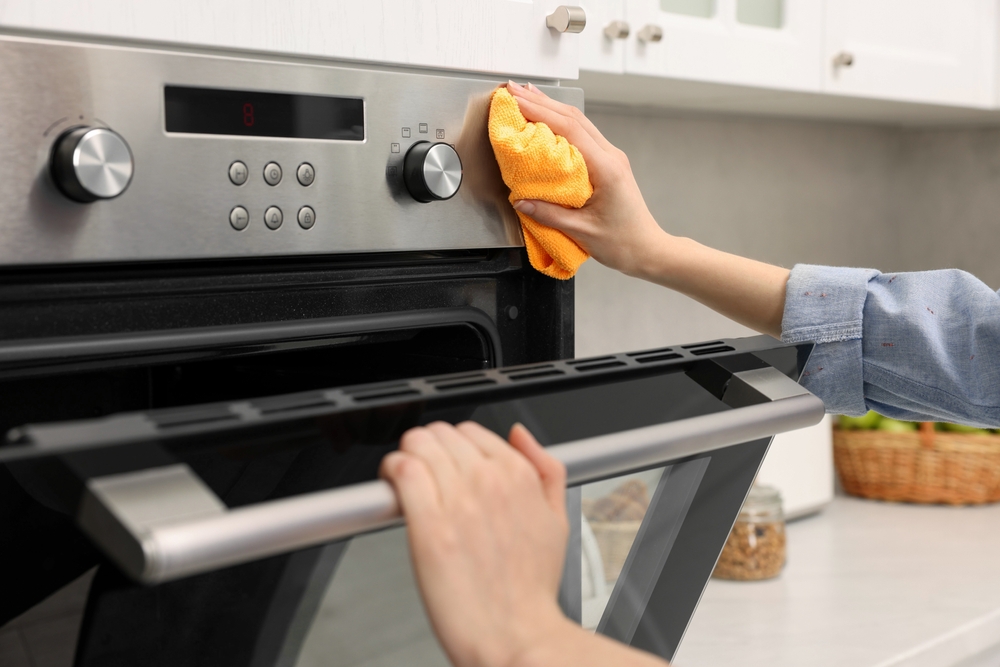
Paper towels, napkins, and disposable wipes might seem small, but they add up fast. Replacing them with reusable alternatives saves money and reduces waste. Microfiber cloths, washable sponges, and cloth napkins last for years. It’s a quiet, eco-friendly swap that feels instantly smarter.
Once you build the habit, you’ll wonder why you didn’t switch sooner. It’s better for the planet and your wallet. Plus, reusable items often look more stylish in your kitchen or bathroom. Sustainable living is surprisingly chic when it’s done simply.
12. Swap Pricey Gifts for Thoughtful Gestures

You don’t have to spend a fortune to make people feel special. Handwritten notes, homemade treats, or experience-based gifts often mean more than anything store-bought. The thought and effort carry emotional weight that money can’t buy. It’s about connection, not cost.
Start keeping a few affordable “go-to” gifts on hand—like candles, plants, or good books. Add a personal touch and presentation that feels intentional. People remember how you make them feel, not what you spend. Heartfelt always beats high-priced.
13. Swap New Purchases for Repairs or Refurbs
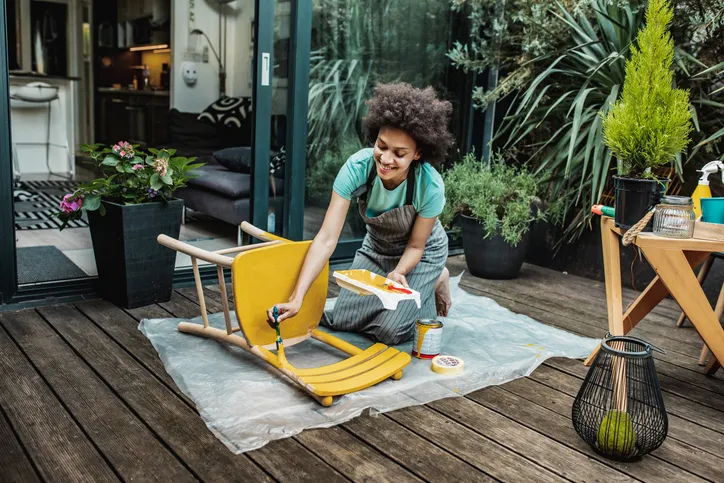
In a culture obsessed with “new,” repairing what you already own feels quietly rebellious. From tech to furniture, choosing repairs over replacements saves hundreds—and keeps waste out of landfills. Refurbished electronics and reupholstered chairs often look brand new at a fraction of the cost. Sustainability and savings go hand in hand.
You’ll start seeing longevity as luxury. Fixing something well feels better than replacing it mindlessly. Plus, it adds character and story to the things you own. The smartest lifestyle upgrades don’t cost more—they last longer.
This article is for informational purposes only and should not be construed as financial advice. Consult a financial professional before making investment or other financial decisions. The author and publisher make no warranties of any kind.