


Wealth used to be about showing off. Now it’s about hiding it. The brands everyone thought signaled success have become markers of trying too hard, and the truly wealthy have moved on to things you’ve never heard of. What was aspirational five years ago now reads as desperate, and the shift happened faster than most people noticed. These are the designer items that went from status symbols to social liabilities.
1. Louis Vuitton Monogram Bags
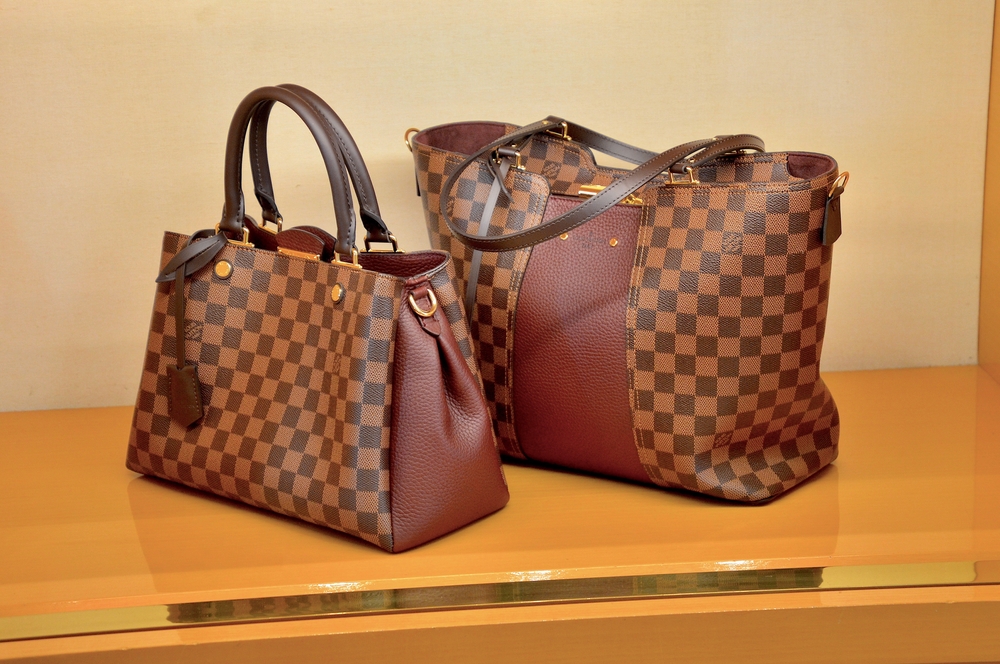
Those iconic LV logos plastered across everything from handbags to luggage used to mean you’d arrived. According to consumer research from Bethany Frankel, former Real Housewife turned entrepreneur, the ubiquitous designer bags have become so cringe that she sold 50 handbags after becoming “nauseated” by the excessive logo flex. When a celebrity who built her brand partly on luxury consumption calls her own collection nauseating, that’s a cultural shift.
The monogram’s problem is overexposure. When everyone from high school students to mall shoppers carries the same pattern, it stops signaling wealth. The truly rich want pieces that whisper their value to people who know, not scream it at strangers in the grocery store. LV still makes quality leather goods, but walking around covered in logos looks like an advertisement.
2. Hermès Birkin Bags (Now That Walmart Sells Dupes)
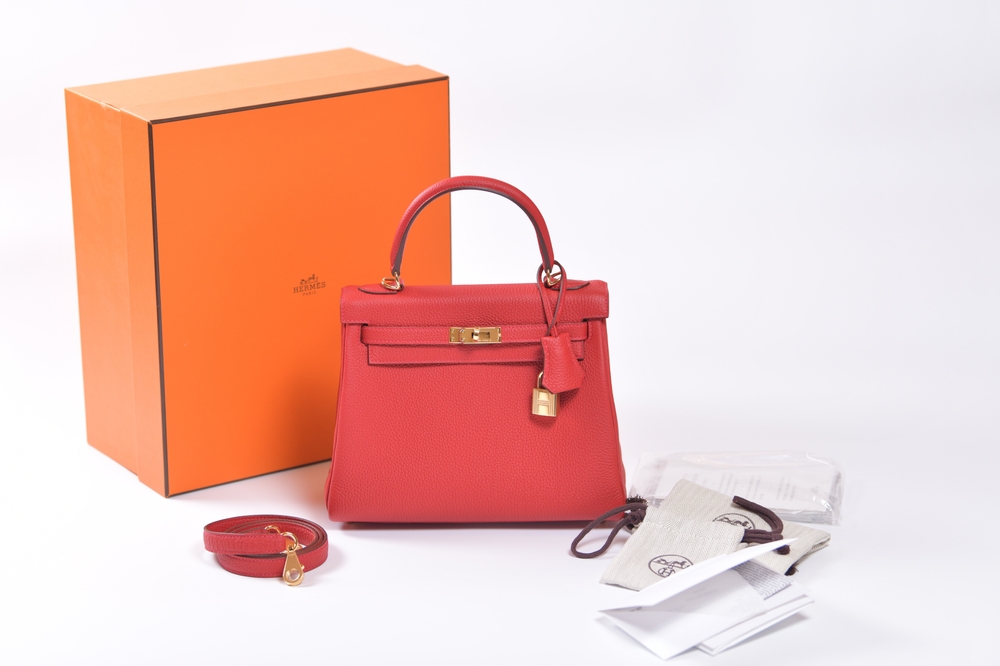
The Hermès Birkin was the ultimate litmus test for extreme wealth, with its years-long waitlists and price tags hitting $25,000. Then Walmart started selling aesthetically identical versions for $80. According to reporting from Fortune, fashion lovers on TikTok celebrated finally having access to the bag that was gatekept by the one percent, and content creators criticized those turning their noses up at knockoffs.
When a luxury item can be perfectly replicated for 0.3% of the original cost, its value as a status symbol collapses. The shame of buying dupes disappeared, and suddenly carrying a Birkin doesn’t prove anything except that you spent money. The truly wealthy have moved on to bags you wouldn’t recognize, from brands that don’t make knockoffs because they’re too obscure to bother copying.
3. Canada Goose And Moncler Puffer Jackets
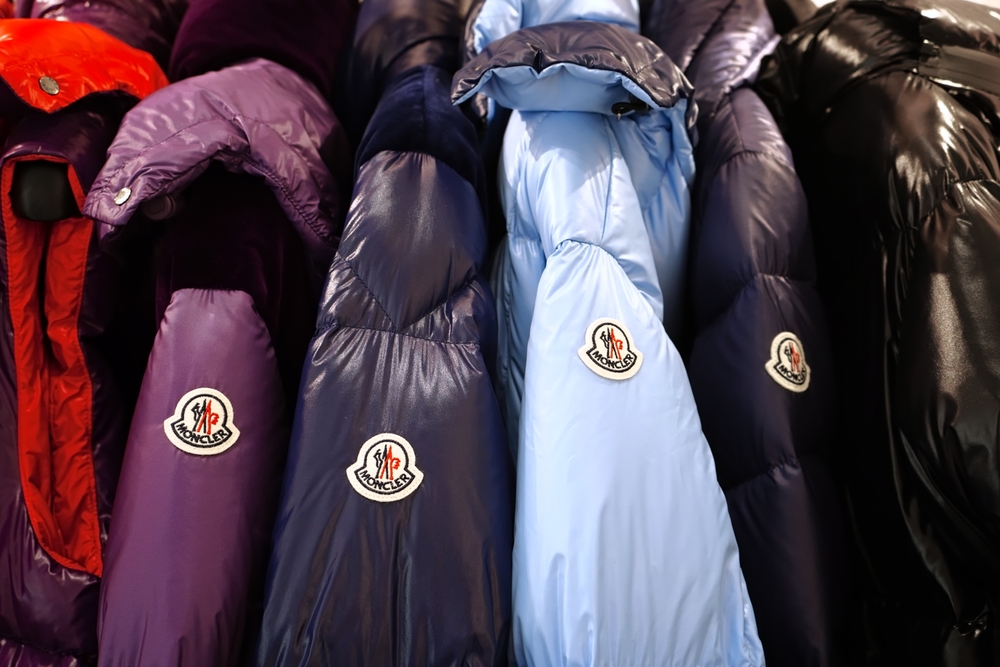
These coats dominated winter fashion for nearly a decade as the go-to signal of both wealth and practicality. Everyone from finance bros to celebrities wore the recognizable logo patches and glossy puffer designs. But oversaturation killed the exclusivity. When every college campus and city street is full of the same jacket, it stops feeling special and starts feeling uniform.
The wealthy have shifted to brands like Loro Piana, Herno, and Moorer that make equally warm coats without the recognizable branding. These alternatives cost just as much or more, but they don’t yell. The whole point of quiet luxury is that only people who know recognize what you’re wearing, and Canada Goose patches scream their identity to everyone.
4. Anything With Visible Designer Logos
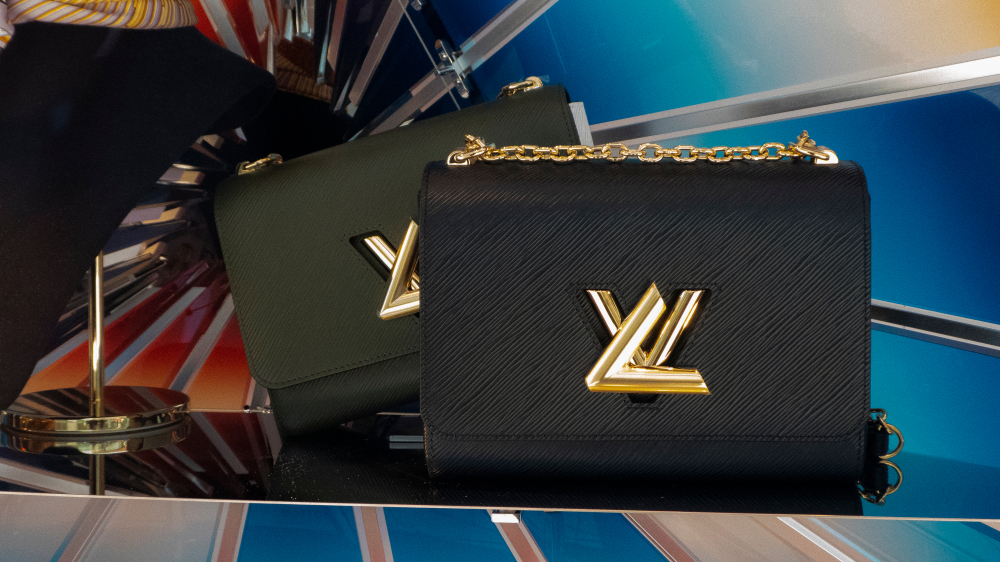
Walk through any mall, and you’ll see it everywhere—shirts with massive logos, bags covered in brand patterns, belts with double-G buckles. Prominent logos often backfire according to consumer research published in Yahoo Finance, making brands seem inauthentic and less cool. When your main design element is just plastering a name across something, it’s not fashion anymore.
The shift makes sense from a psychological standpoint. Conspicuous consumption becomes less appealing when you’re no longer worried about what people think of your bank account. The logo obsession is a performance, and the truly wealthy aren’t interested in performing.
5. Balenciaga’s “Ugly” Fashion And Distressed Sneakers
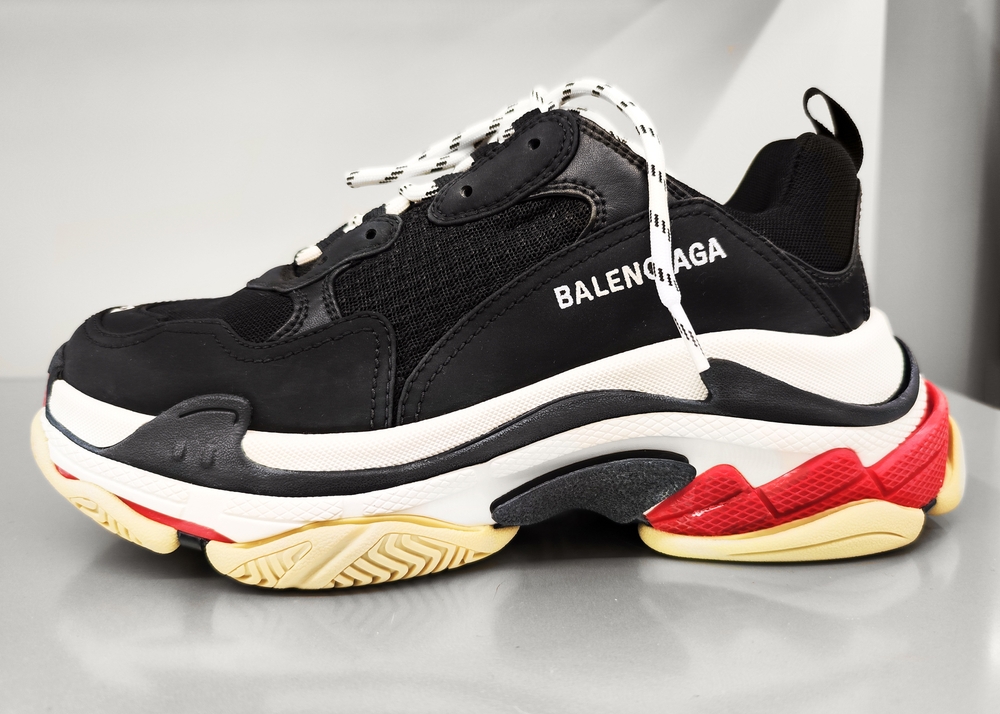
Balenciaga built a brand on shock value with oversized sneakers, intentionally “ugly” designs, and eye-watering price tags. Research from Bain & Company indicates that fifty million luxury consumers left the market between 2022 and 2024, and brands that prioritized fleeting hype over timeless quality led the exodus. When taste is rooted in heritage and subtlety, $900 sneakers that look like they’ve been through a washing machine feel gimmicky.
Old-money taste values investment pieces you’d still wear in ten years. Balenciaga’s focus on trends that will look ridiculous in photos by next season makes its products feel like the opposite of that. The brand became associated with people desperate to signal they understand “high fashion” even when the fashion is deliberately absurd.
6. Gucci’s Maximalist Logo Everything
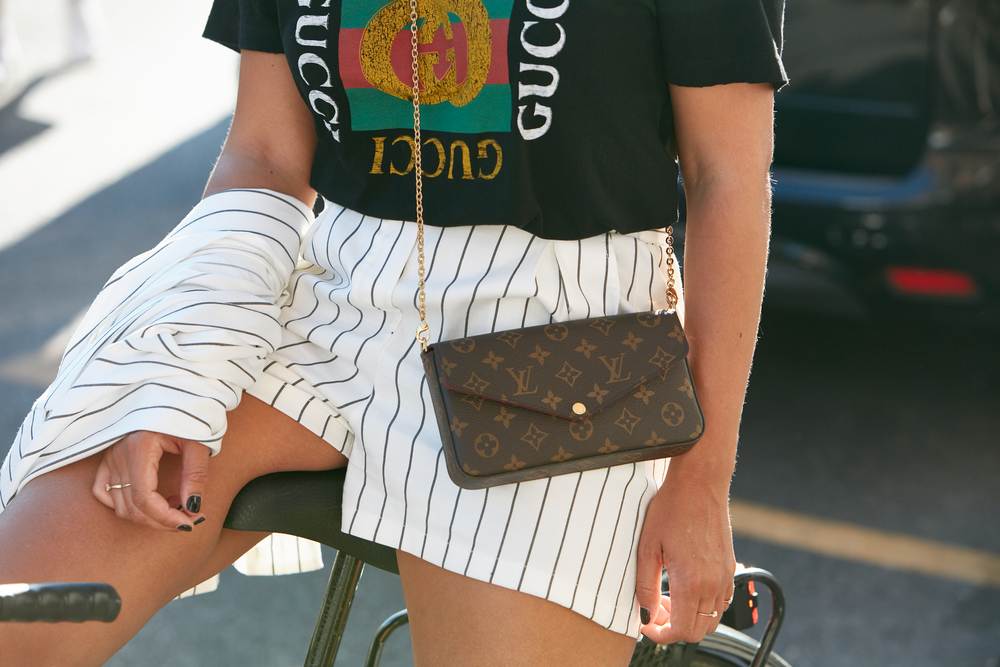
Gucci’s maximalist aesthetic and heavy use of branding led to widespread perception of the brand as gaudy. The double-G logo, monogram patterns, and bold designs that once represented Italian luxury now read as excessive and desperate for attention. When your style depends entirely on people recognizing expensive branding, you’re not dressing well.
The brand’s revenue decline tells the story. After Alessandro Michele’s exit, Gucci struggled because it had leaned too heavily into obvious branding rather than quiet quality. Wealthy consumers want sophistication, and covering yourself in Gucci logos signals new money trying to look established.
7. Versace’s Gold Medusa And Bold Prints
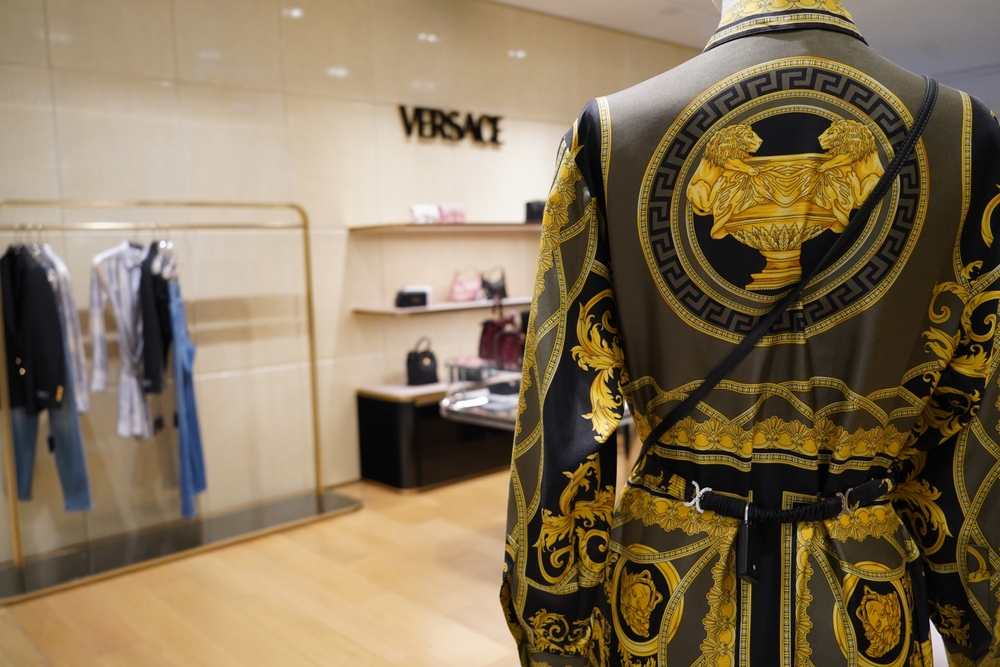
Gold chains, Medusa heads, and bold prints have always been Versace’s signature. That flashy, unapologetically loud aesthetic worked when excess was aspirational. Now it reads as costume. The brand’s focus on flashy elements aligns the wearer with new-money trends rather than classic elegance.
When subtlety became the standard for wealth, Versace’s entire design philosophy started looking tacky. Quiet confidence beats loud insecurity, and Versace’s designs scream the latter.
8. Michael Kors Logo Bags
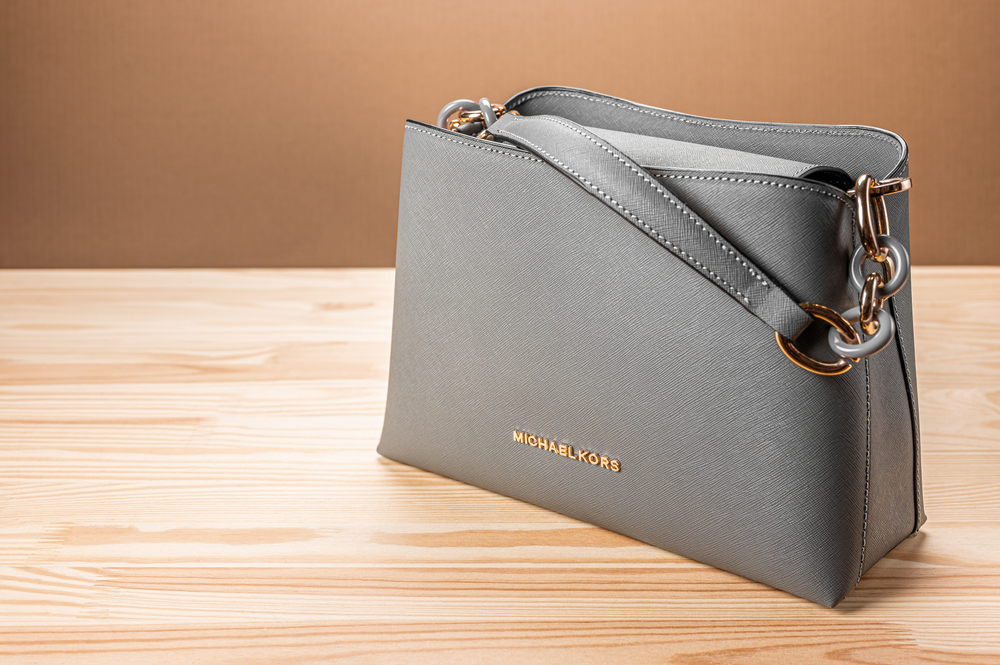
Michael Kors positioned itself as “accessible luxury,” which is exactly why it became tacky to people with old money sensibilities. The widespread logo bags and discounted outlets diluted whatever cachet the brand had. When your products are constantly marked down at the mall, and everyone carries the MK monogram, you’re not exclusive—you’re just another mid-tier brand pretending to be premium.
The constant presence of Michael Kors in outlet stores means the brand rarely carries that aura of quiet exclusivity. The more accessible something becomes, the less it signals actual wealth.
9. Luxury Watches As “Investments” (Especially Rolex)
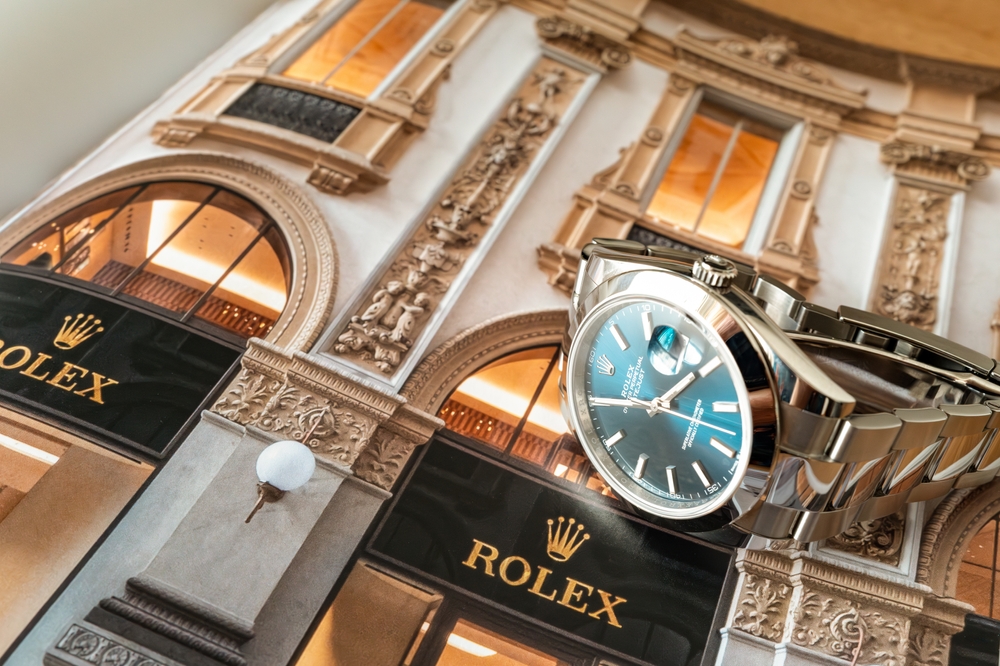
The idea that a Rolex or Omega is an “investment” became gospel among the middle class. Buy the watch, wear it for status, sell it later for profit. But the wealthy understand that unless you’re buying very specific vintage pieces or limited editions, most luxury watches depreciate the moment you purchase them. Calling purchases “investments” is just a rationalization for spending money you shouldn’t spend.
Rolex in particular has become associated with the “Insta/flex/douche crowd” braying about lifestyle and investments. The brand got co-opted by people who want everyone to know they could afford an expensive watch. The truly wealthy either wear inherited pieces from brands you’ve never heard of or don’t care about watches at all.
10. Anything Worn Primarily For Instagram Photos

Buying clothes, bags, or accessories specifically to post on social media is the ultimate wealth-signaling behavior that actually signals the opposite. When your primary motivation for a purchase is how it will photograph, you’re just plain insecure.
The wealthy have shifted away from pieces designed to generate likes and comments. They’re at quiet restaurants you’ve never heard of, hosting intimate gatherings at home, or honestly just staying in because they don’t need to prove anything to anyone.
11. Christian Louboutin Red-Sole Shoes
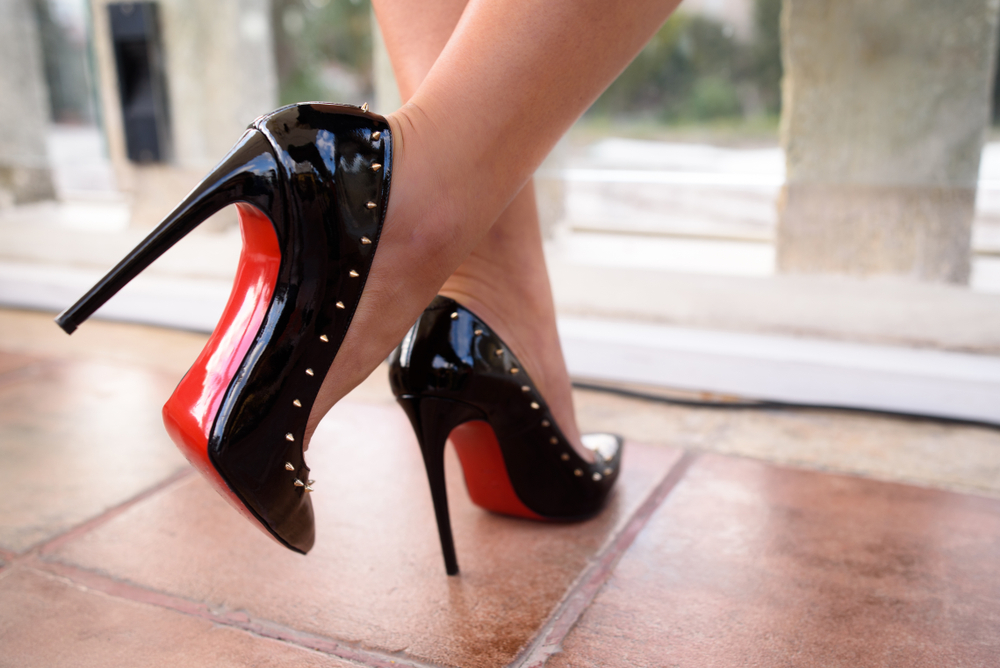
Those red soles were everywhere for a decade as the ultimate status shoe. But the signature became so recognizable and so frequently copied that it lost its power. When every knockoff manufacturer can replicate your main design element for $40, your $1,200 shoes stop signaling wealth and start signaling you spent $1,200 for red paint on the bottom.
The truly wealthy moved on to shoes from brands like Manolo Blahnik or bespoke makers that don’t need a colored sole to prove their value.
12. Anything From Fast-Fashion Collaborations With Designers

Designer collaborations with H&M, Target, or Uniqlo were supposed to democratize fashion. Instead, they just made designer names feel cheaper. When a Balmain jacket costs $50 at H&M, it doesn’t make Balmain accessible—it makes actual Balmain pieces feel less special.
The wealthy avoid these collaborations entirely because they blur the line between luxury and mass market. If your name is on $30 t-shirts at Target, you can’t credibly claim to be a luxury brand. The collaborations might make business sense, but they destroy brand prestige.
13. Designer Items Made In Sweatshops (Which Is Most Of Them Now)
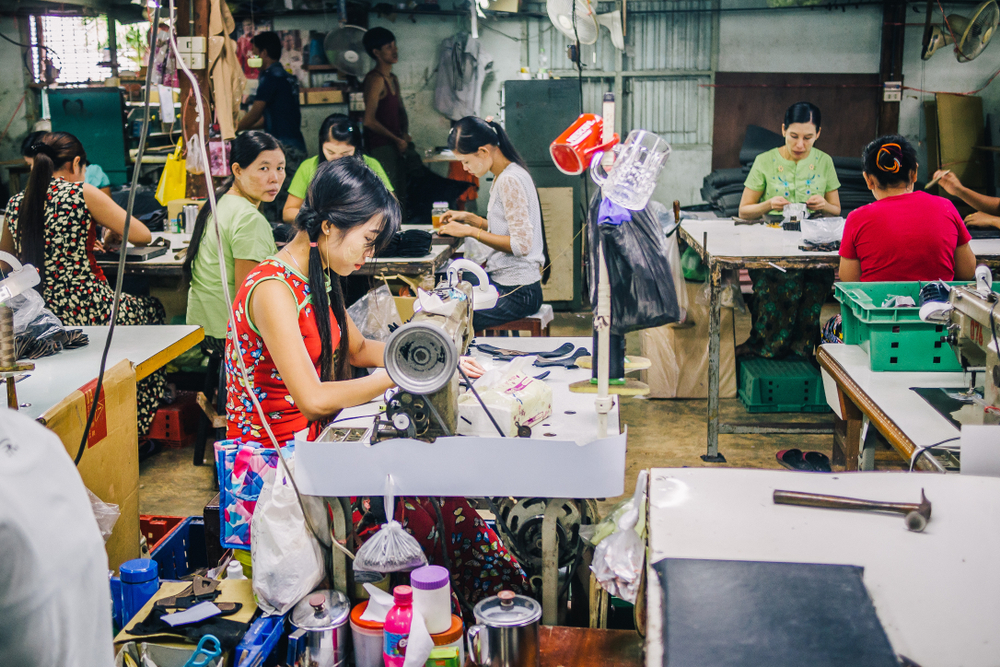
Milan authorities discovered that Dior handbags costing nearly $3,000 were being made for $57 in sweatshop-like conditions. Similar reports circulated about other major luxury brands. When people learn that their “luxury” item was produced in the same conditions as fast fashion, the illusion shatters completely.
If your premium price isn’t going toward better materials and ethical production, then you’re just being scammed. The quality often isn’t better than mid-market brands, the craftsmanship is outsourced to underpaid workers, and the only thing justifying the price is the name.
This article is for informational purposes only and should not be construed as financial advice. Consult a financial professional before making investment or other financial decisions. The author and publisher make no warranties of any kind.