


Everyone knows about income tax, but the reality is you’re paying taxes on far more than your paycheck. From your morning coffee to your monthly streaming subscription, various taxes are quietly siphoning money out of your wallet. While some of these are embedded in the price tag, others sneak up on you in unexpected ways. Here are 12 everyday things Americans might not realize are subject to taxes.
1. Grocery Items

You might think that the grocery store is a tax-free zone, but that’s a bit of a misconception. While most staple food items like bread and milk are exempt from sales tax, plenty of other items, such as soda and candy, are not. The rules vary by state, making it a maze to navigate. For example, in Illinois, candy and soda are taxed, while other groceries aren’t.
According to a report from the Tax Foundation, states employ a wide range of definitions for what qualifies as taxable food, leading to confusion at the checkout. This means you could be paying more than you anticipated. So, while you might feel savvy shopping for deals, you’re likely still contributing to state revenue without even noticing. Next time you’re shopping, take a closer look at your receipt — you might be surprised at what’s taxed.
2. Utility Bills

Your electricity, water, and gas bills aren’t just high because of your consumption — taxes have a role, too. Utility taxes are often baked into the bills, making them easy to overlook. These charges are usually authorized by state governments and can significantly drive up costs. For instance, living in a city like Los Angeles might mean higher utility taxes than in a rural area.
The specifics can vary, with some areas imposing flat fees while others charge a percentage of your total bill. This tax often covers essential services like streetlights and emergency services, which means it’s indirectly benefiting you. But it still stings to see your bill after a relentless summer heatwave with the air conditioning running non-stop. As you review your bill, remember that taxes are helping keep the lights on — literally and metaphorically.
3. Digital Subscriptions

In the age of Netflix and Spotify, even your digital life isn’t immune to taxation. Many states have recognized these services as taxable goods, applying sales tax to your monthly bill. This isn’t just limited to streaming services — any digital good, from e-books to software subscriptions, may be taxed. This shift reflects the changing nature of consumption in our increasingly digital world.
A study by the Tax Policy Center found that digital goods and services are becoming a significant revenue stream for states. As more people cut the cord and shift to digital, states are adjusting their tax codes to not miss out on potential revenue. So, when you binge-watch your favorite series, remember you’re also contributing to state coffers. It’s the modern-day “Netflix and tax.”
4. Vending Machine Snacks

Those quick snacks from vending machines come with a side of tax. While grabbing a bag of chips or a candy bar may seem like a small, untaxed indulgence, it’s actually subject to sales tax in many places. This is one of those small taxes that most people aren’t aware of, yet it adds up over time. In some states, even healthier options in vending machines don’t escape this tax.
The rules can vary quite a bit, with some states taxing only certain items or price ranges. It’s a subtle reminder that taxes are everywhere, even in your casual munchies. So, next time you’re fishing for quarters, remember that part of your change is going toward taxes. It’s a little bite out of your snack budget you probably didn’t account for.
5. Hotel Stays

Next time you book a hotel, look closely at the detailed breakdown of your bill — taxes are often lurking there. Most people are aware of room rates, but taxes on these can be surprisingly hefty. Known as occupancy or lodging taxes, these are imposed by local governments to generate additional revenue. This is especially common in tourist-heavy areas where governments capitalize on the influx of visitors.
According to an article in USA Today, these taxes can add as much as 20% to your bill depending on the location. While it’s frustrating as a traveler, these funds are often used to maintain the infrastructure that supports tourism. This means that while you’re paying more, you’re also contributing to the local economy. Consider it a small, albeit mandatory, tip for the city you’re visiting.
6. Phone Bills

Your monthly phone bill is doing more than just covering your talk, text, and data. It’s also stuffed with a variety of taxes and fees that boost the overall cost significantly. These taxes fund everything from emergency services to infrastructure development. The federal government, states, and municipalities all dip their hands into your pocket via your phone bill.
The surcharges can be confusing, often listed as cryptic abbreviations. It’s easy to overlook them as you skim your bill, focusing instead on your actual service charges. These taxes are a necessary evil, contributing to the broader telecommunications infrastructure. So, while it may spike your bill, it’s also ensuring that your calls remain connected and clear.
7. Gasoline
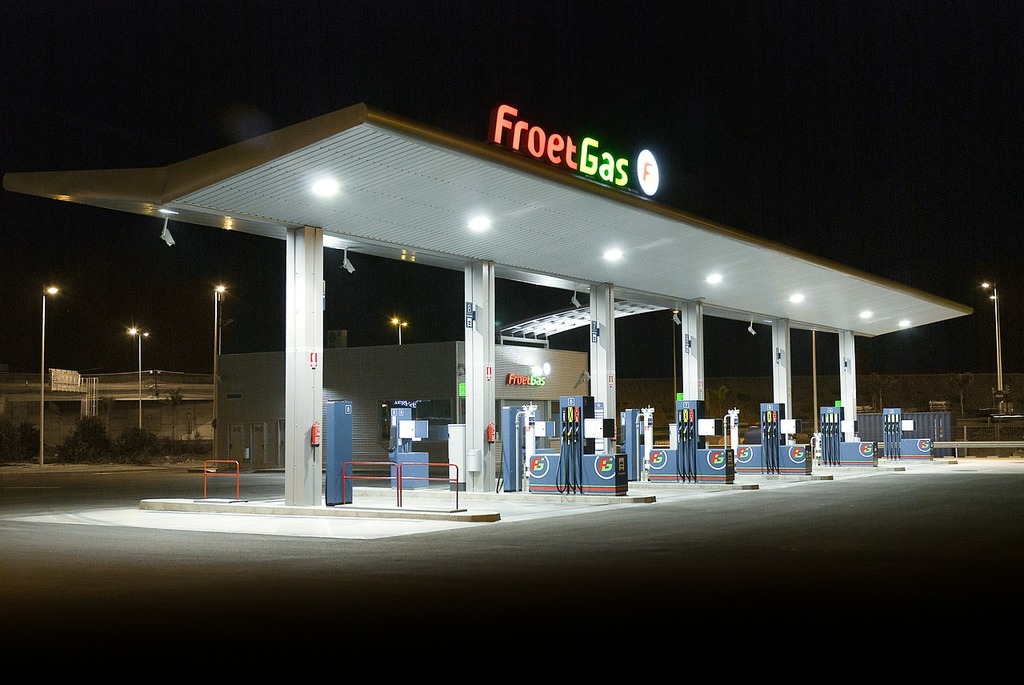
Everyone notices when gas prices go up, but not everyone realizes how much of that price is actually tax. Taxes on gasoline are levied at both federal and state levels, making up a sizable chunk of what you pay at the pump. This revenue is crucial for maintaining and building infrastructure, like highways and public transport. The American Petroleum Institute highlights that federal taxes alone account for over 18 cents per gallon.
State taxes can vary widely, with some areas charging significantly more. These taxes are a double-edged sword; while they make driving more expensive, they also fund roads that make driving possible. So, next time you’re refueling, remember that part of that cost is paving the way for your journey. It’s a small consolation, but it adds perspective to the pump price.
8. Alcohol

Whether you’re toasting a celebration or unwinding with a glass of wine, you’re also paying a quiet tribute to Uncle Sam. Alcohol is famously taxed, with the rates varying significantly based on type and location. These taxes are a major revenue source for governments, and they can be quite steep. In some states, the tax on a bottle of spirits is higher than on beer or wine.
The exact rate depends on several factors, including the alcohol content and the size of the container. While it might seem like a simple luxury tax, these taxes have a public health angle, too. They’re intended to curb excessive consumption, while also funding health programs. So, while you savor that drink, know that you’re supporting more than just your local bar.
9. Parking Fees

Even finding a place to park your car can lead to an unexpected tax hit. Many cities impose parking taxes, not only on metered spots but also on parking garage fees. These taxes are often used to fund public transportation and city improvements. They can be particularly high in dense urban areas where space is at a premium.
The tax rates can vary greatly, making it tricky to anticipate the final cost until you’re faced with a payment screen. While you might feel this is just another city squeeze, it’s a way to balance the use of public space. Next time you’re plugging the meter, remember that part of your coin goes toward city upkeep. It’s a hidden cost of urban convenience.
10. Cigarettes

If you’re a smoker, you’re well aware that you’re paying a hefty tax on each pack of cigarettes. These taxes are among the highest for consumer goods and are a major deterrent to smoking, particularly for young people. Every state levies a different rate, with places like New York charging significantly more than others. These taxes fund health programs and anti-smoking campaigns, aimed at reducing overall consumption.
The steep taxes are a public policy tool to discourage smoking and cover the healthcare costs associated with it. This means that while smokers pay more, the revenue is reinvested into public health. It’s a classic case of using taxation as a means of social policy. So, while it’s a financial burden for smokers, it’s also a community investment.
11. Sporting Events and Concerts
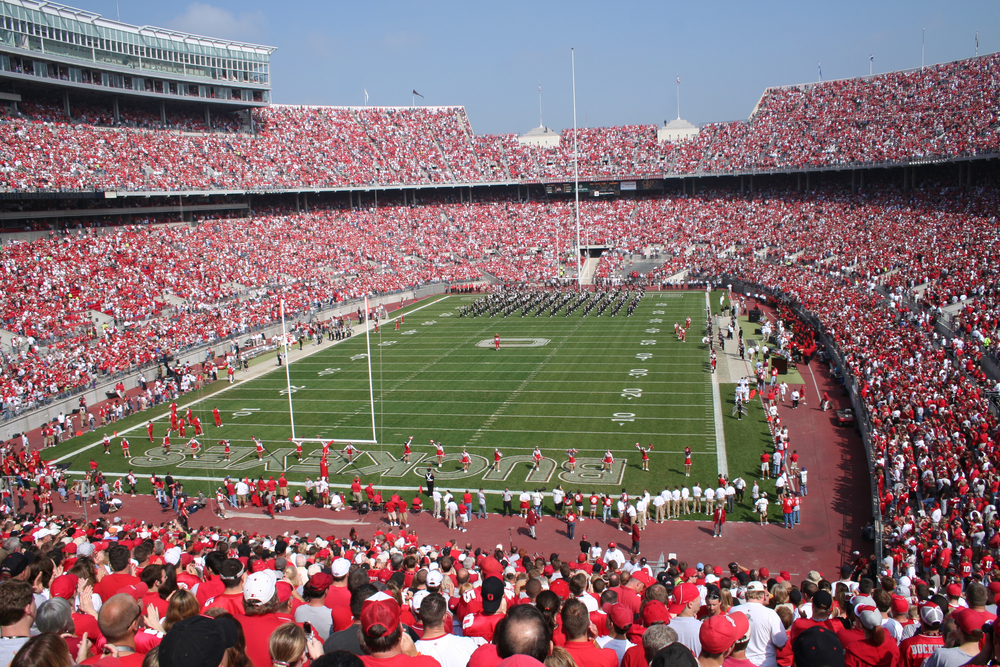
When you’re enjoying a live performance or watching your favorite team, you’re also contributing to local taxes. Tickets to concerts, sporting events, and other live entertainment are often subject to entertainment taxes. These taxes vary by location and can add a surprising amount to the ticket price. They’re typically used to support local arts and culture programs.
The tax serves a dual purpose: generating revenue and promoting community engagement through cultural initiatives. While you’re cheering in the stands, part of your ticket cost is helping fund future events and local art projects. It’s a small price for cultural enrichment and community support. So next time you’re buying a ticket, know that you’re backing more than just the show.
12. Pet Licenses

Owning a pet isn’t just about companionship; it’s about contributing to municipal coffers, too. Many cities require pet licenses, which are essentially a tax on owning a furry friend. These fees fund animal control and shelter services, ensuring stray animals are cared for and pet populations controlled. While it might feel like an extra burden, it’s an investment in community safety and welfare.
The cost and requirements can vary from place to place, with some cities offering discounts for spayed or neutered pets. It’s a small price to pay for the privilege of pet ownership and plays a part in wider community health. So when you renew your pet’s license, remember you’re supporting vital services. It’s a hidden cost of having a beloved pet in your life.
This article is for informational purposes only and should not be construed as financial advice. Consult a financial professional before making investment or other financial decisions. The author and publisher make no warranties of any kind.