

Homeowners are told certain upgrades are “investments,” when in reality they’re personal preferences with weak resale returns. Just because something improves daily life doesn’t mean it translates into higher offers. These upgrades feel logical in the moment—but buyers rarely pay extra for them later.
1. High-End Landscaping And Custom Outdoor Design
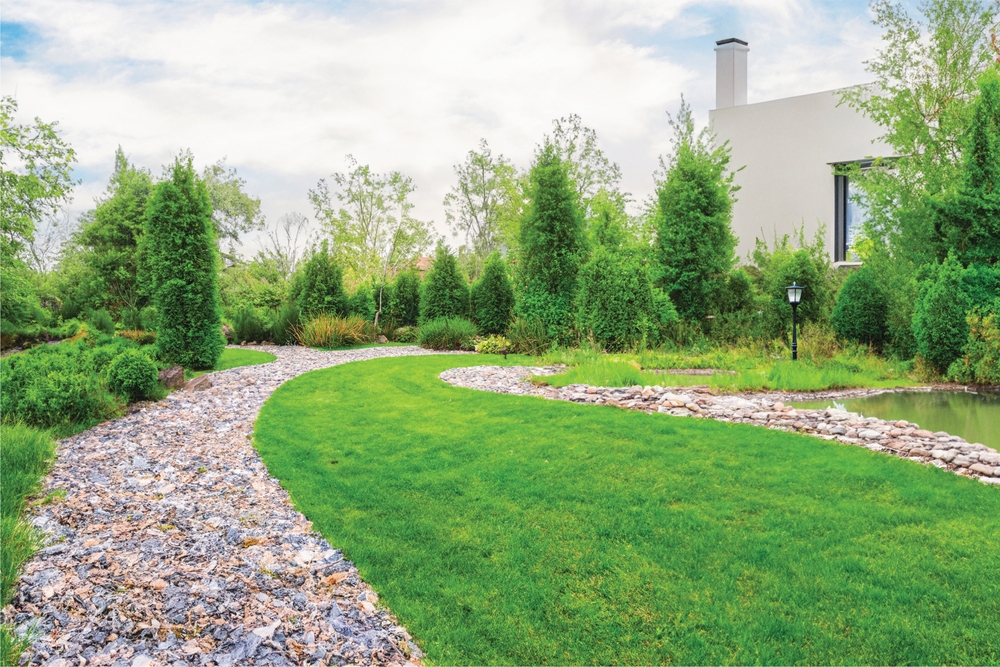
According to cost vs. value analysis from Remodeling Magazine and guidance cited by the National Association of Realtors, most buyers don’t pay a premium for elaborate outdoor design beyond basic curb appeal. Taste varies too widely. What feels elegant to one owner feels like maintenance to another.
The issue is transferability. Buyers factor upkeep, not sunk cost. Mature plantings, custom hardscaping, and specialty gardens often read as obligations.
2. Built-In Entertainment Systems And Custom Media Rooms
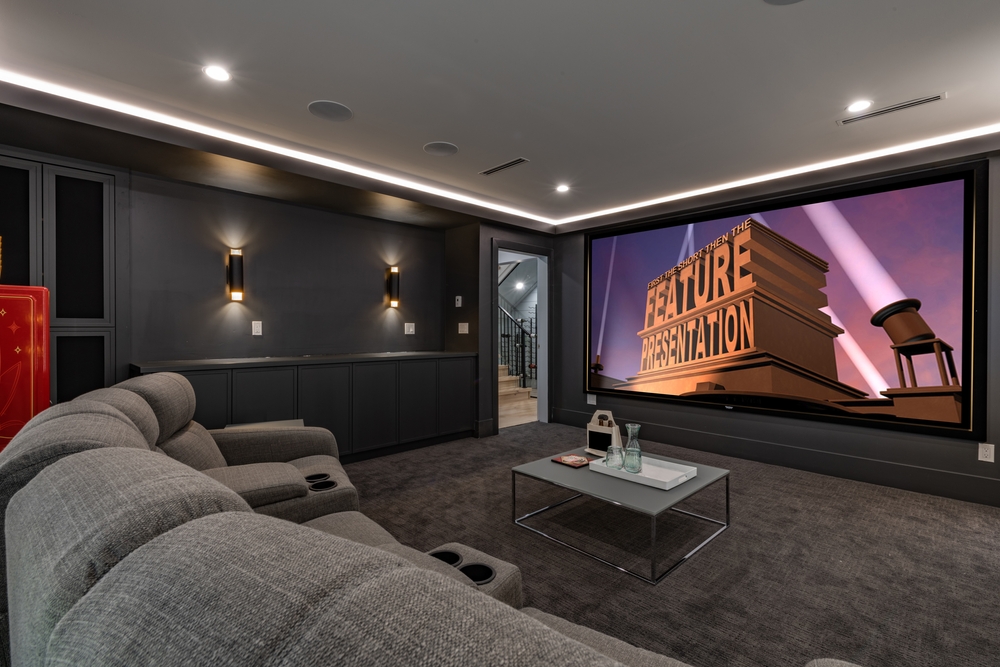
Wall-mounted speakers, projector setups, and custom media cabinetry once felt like luxury. Today, technology cycles too quickly for these systems to age well. Buyers prefer flexibility over fixed. What was cutting-edge five years ago can already feel outdated.
The problem is permanence. Built-ins lock buyers into someone else’s setup. Most would rather bring their own tech than inherit wiring decisions they didn’t make. Convenience for the owner rarely converts to value for the next person.
3. Luxury Bathrooms With Overpersonalized Features
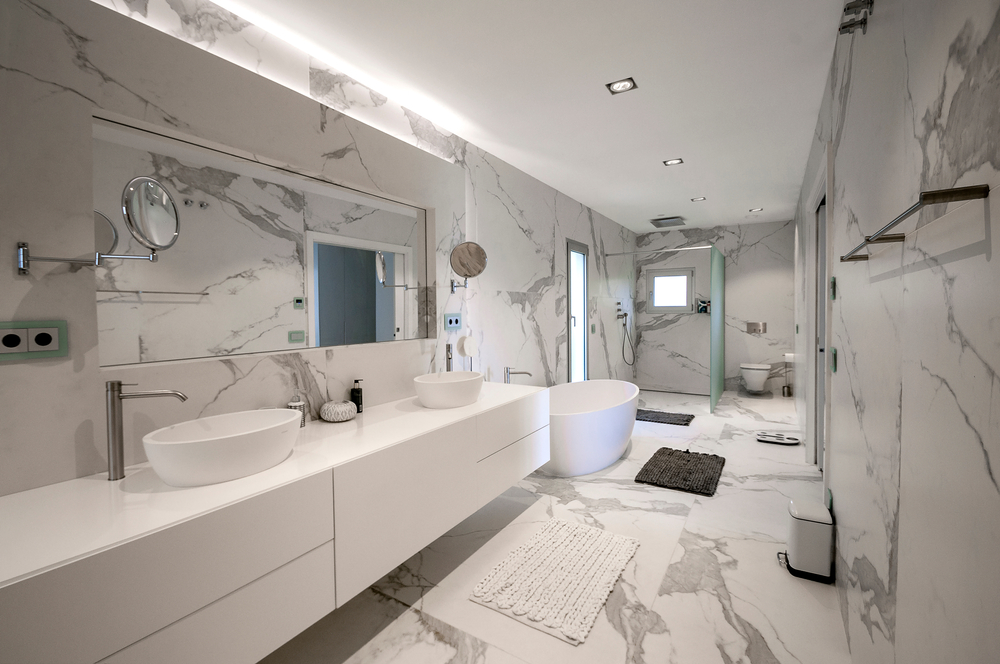
Spa-style bathrooms with soaking tubs, rain showers, and heated floors are often marketed as resale wins. According to resale data and appraisal guidance from the Appraisal Institute, high-end bathroom remodels frequently fail to recoup costs unless they address functional deficiencies. Upgrades beyond standard expectations don’t command proportional returns.
Buyers expect clean, modern, and functional—not indulgent. Features that feel luxurious to the seller can feel excessive or impractical to someone else. Once basic quality is met, additional spending delivers diminishing returns.
4. Finished Garages Turned Into Gyms Or Studios
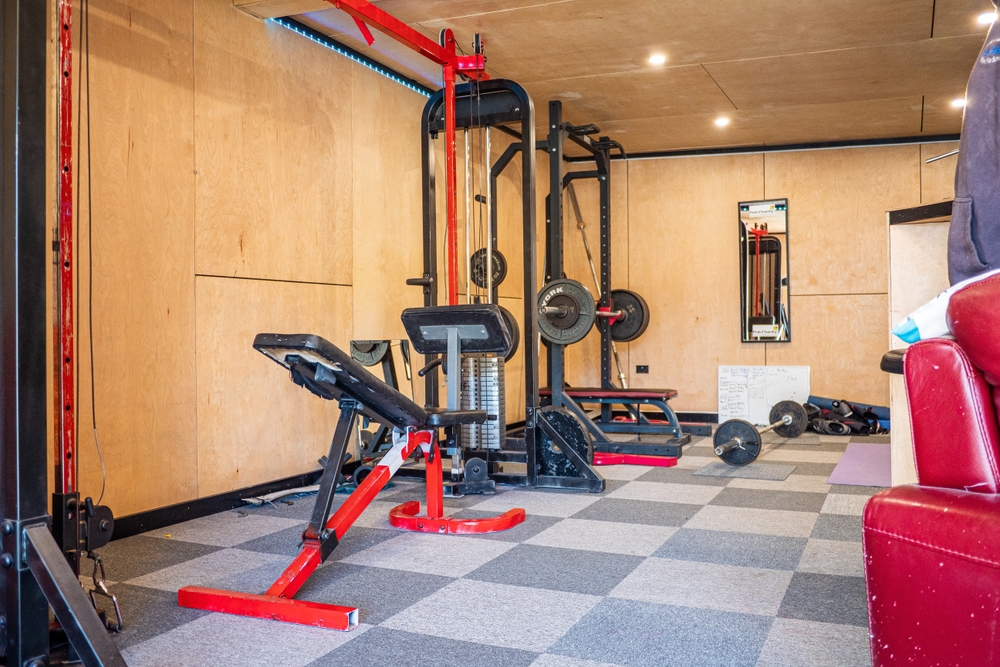
Converting garages into home gyms, offices, or studios feels like a smart use of space. During ownership, it can be. At resale, however, buyers frequently want the garage back. Parking, storage, and flexibility matter more.
The tradeoff shows up in buyer hesitation. Even if the conversion is well done, reversing it feels like work. Many buyers mentally subtract value rather than add it.
5. Premium Kitchen Appliances Without A Full Update
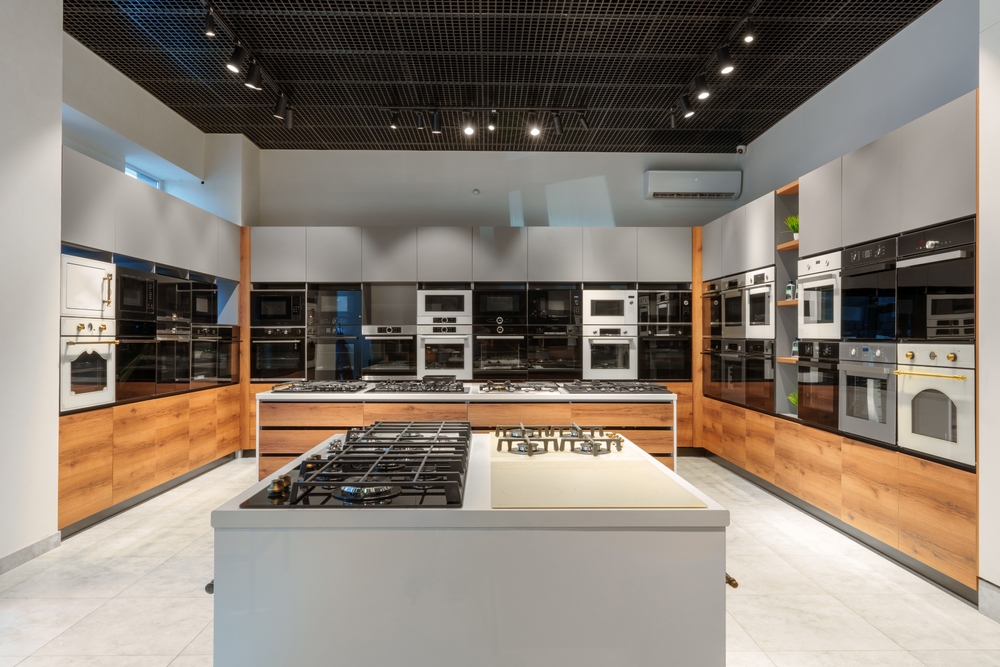
According to real estate market analysis from Consumer Reports and data referenced by Zillow, appliances alone rarely increase home value unless paired with a cohesive kitchen renovation. Buyers assess kitchens holistically. One premium feature doesn’t reset the entire room’s worth.
The mismatch is the problem. A luxury range in an otherwise dated kitchen feels out of place. Buyers price based on the weakest element, not the strongest.
6. Wall-To-Wall Carpeting In Bedrooms
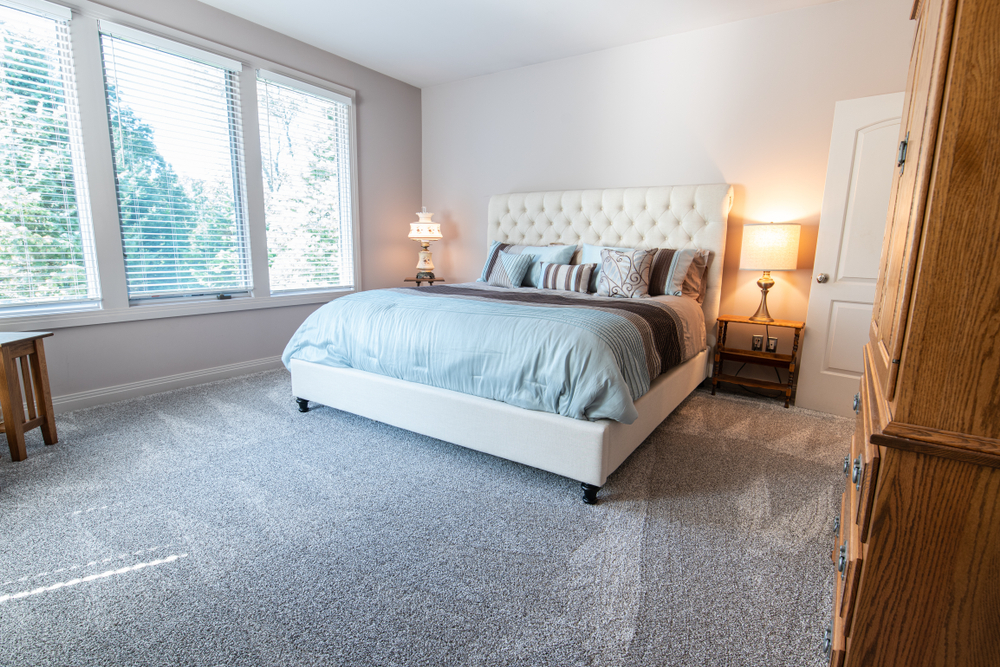
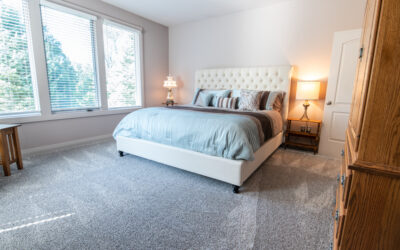
New carpeting feels like a responsible refresh. Sellers often assume buyers will appreciate not having to deal with flooring right away. In practice, many buyers mentally mark carpet for removal the moment they walk in. Flooring preferences are personal, and carpet is one of the most polarizing choices.
What happens at resale is subtraction, not addition. Buyers calculate replacement cost before making an offer, even when the carpet is brand new. Hardwood, tile, or even unfinished floors are seen as flexible starting points.
7. Solar Panels That Aren’t Fully Paid Off

According to resale data and buyer surveys cited by Zillow and the Lawrence Berkeley National Laboratory, owned panels can improve appeal, but leased or financed systems often complicate transactions. Buyers don’t like inheriting contracts they didn’t choose.
Buyers have to evaluate terms, transfers, and future liabilities before even thinking about the house itself. That cognitive load cools enthusiasm.
8. Highly Customized Closets And Storage Systems
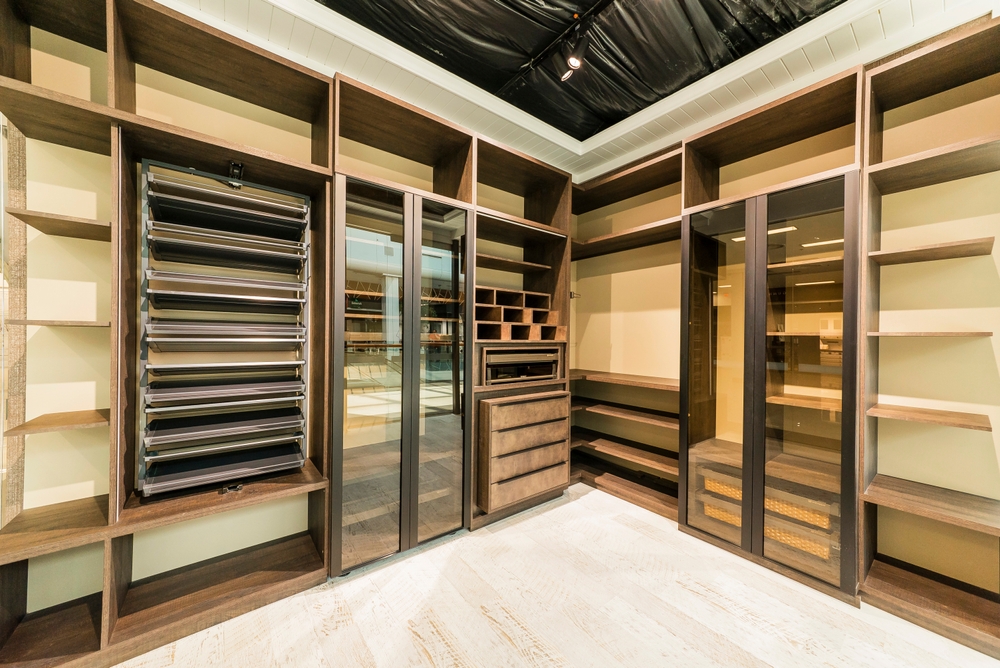
Built-in drawers, specialty racks, and tailored layouts create a sense of order during ownership. At resale, though, they highlight how differently people live. What fits one wardrobe perfectly can feel restrictive to another.
Buyers don’t usually pay more for storage that reflects someone else’s habits. They want space they can imagine adapting, not systems they have to undo. The more specific the customization, the narrower the appeal.
9. Smart Home Systems That Require Apps, Accounts, Or Subscriptions
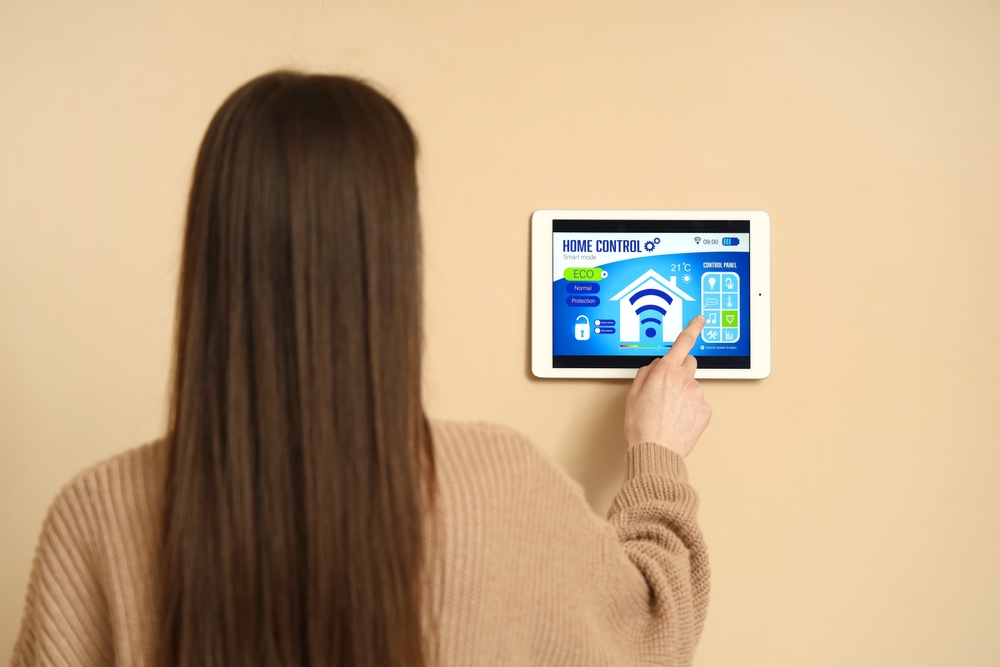
Smart thermostats, lighting systems, and integrated controls are marketed as future-proofing. In reality, they date quickly. Buyers are wary of inheriting technology ecosystems they don’t understand or want to manage. Convenience for the seller can feel like complexity for the buyer.
Instead of adding value, these systems often trigger questions. Will it still be supported? Can it be reset? Does it require monthly fees? Anything that introduces uncertainty weakens offers. Buyers prefer neutral infrastructure that they can upgrade themselves.
10. Custom Paint Colors And Accent Walls

Fresh paint feels like one of the safest upgrades. The problem is specificity. Bold colors, murals, or trendy accent walls immediately signal someone else’s taste. Buyers don’t see “updated”—they see work.
Even neutral-but-distinct choices can backfire. Buyers want blank space to project onto. Paint rarely adds value because it’s assumed to be temporary. Anything that invites repainting gets mentally discounted.
11. Sunrooms And Enclosed Patios
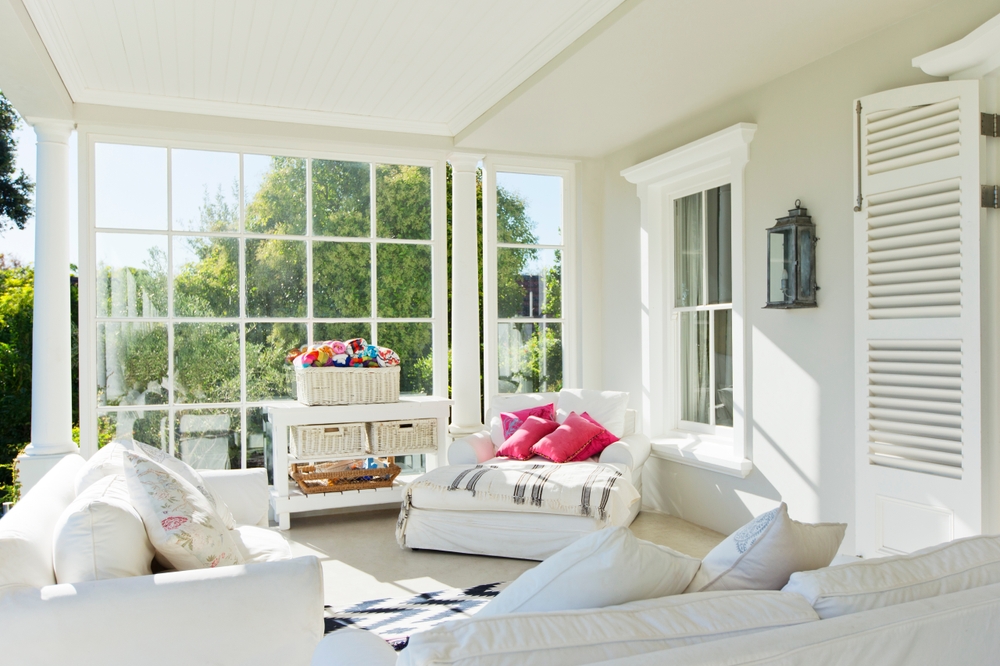
Sunrooms are added to create more usable square footage without a full addition. On paper, they seem like a win. In practice, buyers question how often they’ll actually use the space. Temperature control, seasonal relevance, and maintenance all come into play.
These rooms also live in a gray zone. They’re not quite indoors and not quite outdoors, which makes them hard to price. Appraisers frequently treat them as bonus space rather than true square footage.
12. Basement Finishes That Limit Flexibility
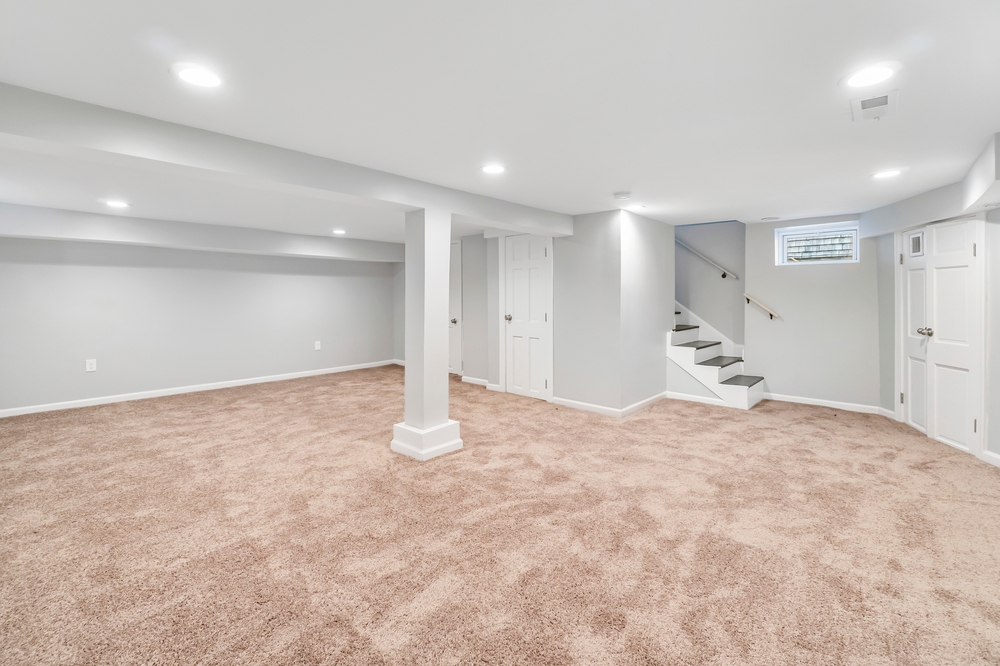
Finished basements are commonly assumed to increase value across the board. The issue arises when the finish locks the space into a narrow use—home theaters, bars, or themed rooms. Buyers don’t all want the same kind of extra space. Many want adaptability.
When a basement can’t easily shift between storage, guest space, or work use, it becomes less attractive. Open-ended utility tends to outperform highly specific vision in below-grade spaces.
13. Top-Tier Fixtures In Otherwise Average Homes
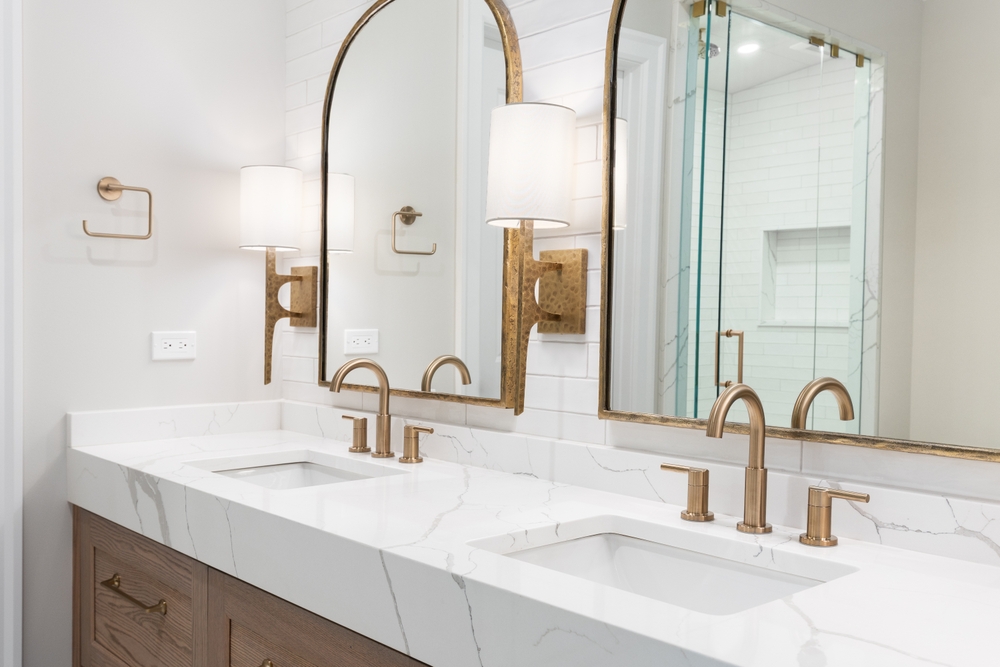
High-end fixtures—designer lighting, statement faucets, or imported hardware—can feel like smart upgrades because they’re tangible and expensive. Buyers, however, evaluate homes as systems. When one element dramatically outpaces the rest, it creates imbalance.
Instead of elevating the home, luxury fixtures often highlight what isn’t upgraded. Value increases when improvements move the whole house forward, not when they spike one detail.
This article is for informational purposes only and should not be construed as financial advice. Consult a financial professional before making investment or other financial decisions. The author and publisher make no warranties of any kind.