


It seems counterintuitive—when you’re worried about money, the last thing you should do is spend it. But financial anxiety doesn’t follow logic. When we feel uncertain about our economic future, our brains look for ways to regain a sense of control, and purchasing things is one of the fastest routes to feeling that. The result is a predictable pattern of anxiety-driven purchases that often make the underlying financial situation worse. Here’s what people tend to buy when money stress is running high.
1. Small Treats
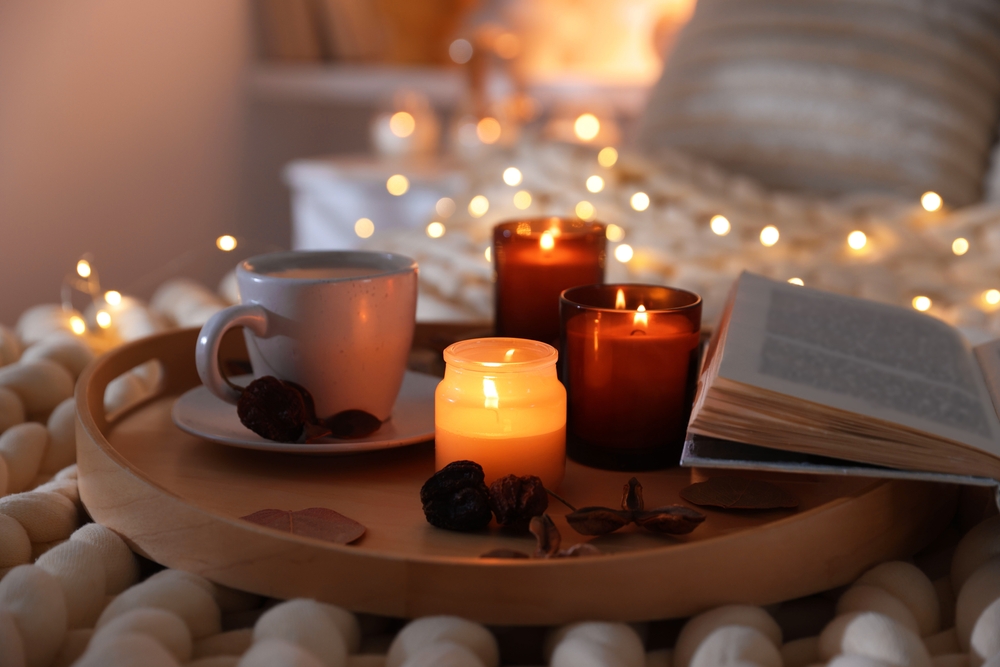
When people experience anxiety and a lack of control, research shows they seek to recover their psychological state through purchases that feel rewarding. But because financial anxiety also creates guilt about spending, these purchases tend to be small—expensive coffee drinks, fancy candles, premium snacks, a nicer-than-necessary bottle of wine. They’re affordable enough to justify but indulgent enough to feel like you’re treating yourself to something good.
The psychology here is compensation. You can’t afford the vacation or the new car, but you can afford the $7 latte, and that latte becomes a way of telling yourself that things aren’t that bad. The problem is that these small purchases add up, and they don’t address the underlying anxiety.
2. Organizational Products And Storage Solutions

One way people try to regain a sense of control is by organizing their physical environment. Cue the purchases: storage bins, drawer dividers, label makers, closet systems, desk organizers. The logic is that if you can just get your stuff in order, maybe the rest of your life will follow. Buying things you don’t actually need to restore a sense of agency over your environment is a classic response to uncertainty.
The appeal of organizational products is that they promise transformation without requiring you to actually change anything. You don’t have to earn more money or spend less—you just have to organize what you already have. It’s a form of productive procrastination that feels like progress while avoiding the harder work.
3. Bulk Quantities Of Household Staples

Panic buying isn’t limited to global crises. Financial anxiety can trigger the same impulse on a personal level—the urge to stock up on essentials as a hedge against an uncertain future. Toilet paper, canned goods, cleaning supplies, paper towels: buying these in bulk creates the comforting illusion of preparedness, even when the actual threat is abstract or unrelated to supply shortages.
The behavior makes a kind of emotional sense even when it doesn’t make financial sense. If you’re worried you won’t have enough money later, accumulating physical resources now feels like security. The problem is that bulk buying ties up cash that might be needed for other things, and the sense of security it provides is largely psychological rather than practical.
4. Self-Help Books About Money

When people feel anxious about finances, many turn to books that promise to fix the problem. Personal finance guides, wealth mindset books, budgeting systems, stories of people who paid off massive debt—these purchases feel productive because they’re about money. Reading about financial success can feel almost like achieving it, providing temporary relief from anxiety without requiring any actual behavioral change.
The irony is that most people already know the basics of what they need to do: spend less, save more, pay down debt. The books are purchased not for information but for motivation and reassurance. They’re a way of engaging with the problem that feels active but doesn’t require confronting the harder emotional and behavioral work of actually changing financial habits.
5. Items That Promise Future Savings

Financial anxiety leads people to spend money now in order to theoretically save money later. This shows up as purchases like: meal prep containers (so you’ll stop eating out), home gym equipment (so you’ll cancel your membership), a sewing machine (so you can repair your own clothes), and gardening supplies (so you can grow your own food). Research has found that when anxious, consumers gravitate toward choices that feel safe and reliable as a way to reduce the uncertainty they’re experiencing.
These purchases are seductive because they reframe spending as investment. You’re not wasting money—you’re buying something that will pay for itself. The problem is that the projected savings rarely materialize because the purchases address anxiety, not actual behavior patterns. The meal prep containers go unused, the home gym becomes a clothes rack, and the anxiety remains.
6. Comfort Food And Delivery

Food purchases spike when people are stressed about money, even though food delivery and restaurant meals are exactly the kind of discretionary spending that budget advice tells you to cut. The appeal is visceral—food provides immediate sensory comfort and requires no effort beyond placing an order. When you’re mentally exhausted from worrying about money, the last thing you want to do is cook.
This creates an expensive feedback loop. Financial anxiety drains mental energy, which makes cooking feel impossible, which leads to ordering food, which costs more money, which increases financial anxiety. Breaking the loop requires recognizing that the delivery order isn’t really about hunger—it’s about seeking comfort.
7. Subscriptions And Small Recurring Charges
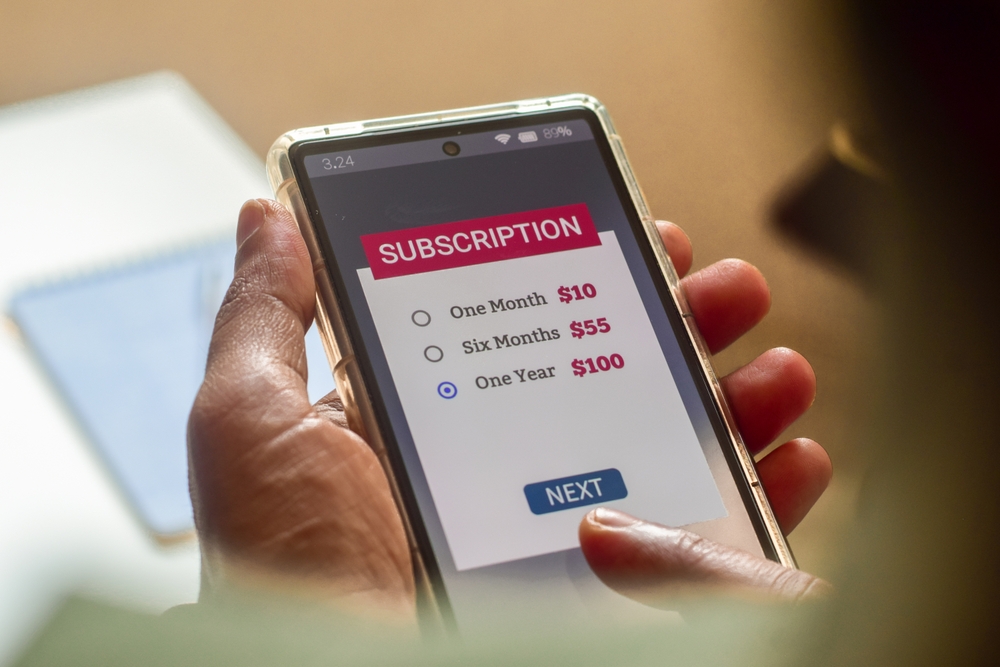
Intuit Credit Karma research found that 70 percent of Gen Z are “chronically online” and over half said that seeing bad news drives them to stress-spend. Much of this spending shows up as subscriptions: streaming services, apps with premium features, monthly subscription boxes, and membership programs. Each charge feels negligible, and the recurring nature means you don’t have to make an active decision to spend—the spending just happens.
Subscriptions are particularly insidious for anxious spenders because they fly under the radar. You’re not consciously deciding to spend $15—you decided that once, months ago, and now it’s automatic.
8. Lottery Tickets And Gambling
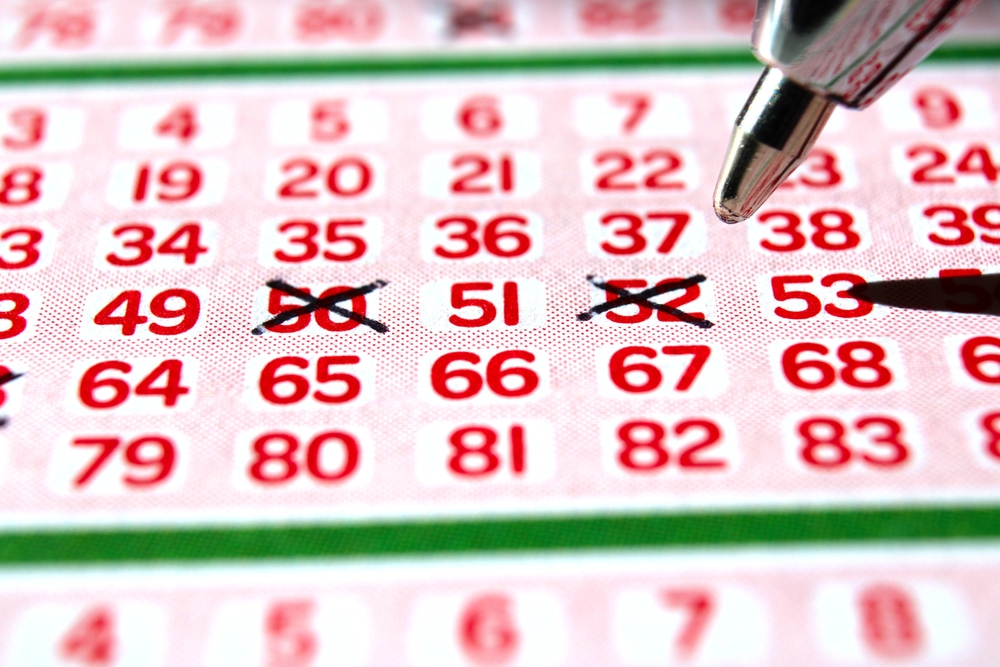
When the legitimate path to financial security feels blocked, some people turn to long-shot gambles. Lottery ticket purchases increase during economic downturns and periods of financial stress. The fantasy of sudden wealth provides a temporary escape from the grinding reality of insufficient income, and the cost of entry feels low enough to justify.
When you can’t see a realistic path to financial improvement, buying a lottery ticket is buying the right to imagine a different life for a few days. It’s a small price for that fantasy, which is why the spending persists even when people intellectually understand the odds are terrible. T
9. Things For The Kids

Parents experiencing financial anxiety often continue spending on children even when cutting back everywhere else. The guilt of not being able to provide adequately gets channeled into purchases: toys, clothes, experiences, and the “right” gear for activities. Saying no to yourself feels acceptable, but saying no to your children feels like failing them.
This pattern can persist even when the purchases aren’t necessary or even wanted by the children. The spending is really about the parents’ emotional need to feel like a good provider despite financial constraints. It’s a form of compensation—you can’t give them financial security, but you can give them this toy, this experience, this moment of abundance.
10. Health And Wellness Products

Financial anxiety takes a physical toll—disrupted sleep, tension, digestive issues, and headaches. People buy things to address these symptoms: supplements, sleep aids, massage tools, meditation apps, essential oils, and weighted blankets. The purchases feel justified because they’re about health, not indulgence, and because the physical symptoms are genuinely uncomfortable.
The deeper issue is that the symptoms are often caused by the anxiety itself, which the purchases don’t address. You can buy all the sleep supplements you want, but if you’re lying awake worrying about bills, the supplements aren’t going to help. The spending treats the symptom while the underlying cause—financial stress—continues to create new symptoms.
11. Clothes That Project Confidence

When financial anxiety threatens self-esteem, some people respond by buying clothes that project success—interview outfits, professional attire, “investment pieces” that are supposed to last forever and make you look like you have your life together. The purchases are justified as necessary for career advancement, which will theoretically solve the financial problem.
There’s a legitimate case for dressing well for professional contexts, but anxiety-driven clothing purchases often exceed what’s actually needed. The spending is about managing internal feelings of inadequacy rather than genuine professional requirements. You’re buying armor against the fear that people will see through you and know that you’re struggling.
12. Cheap Versions Of Expensive Things
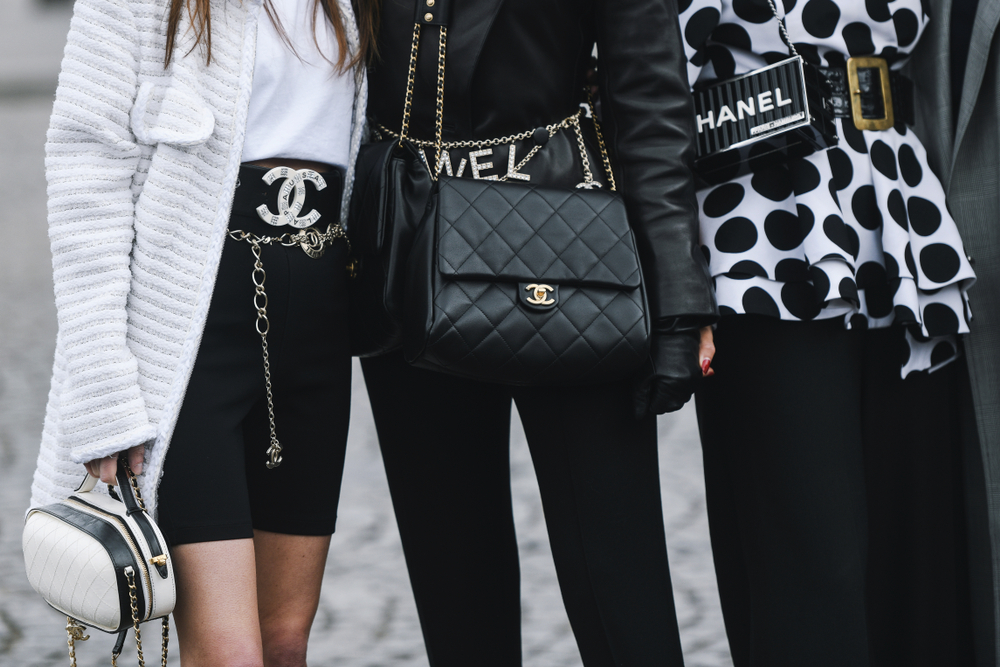
Financial anxiety doesn’t eliminate desire for nice things—it just adds guilt to the desire. One common response is buying cheap versions of expensive items: knockoff designer goods, budget alternatives to luxury products, discount versions of aspirational brands. You get to participate in the consumption you see others enjoying without the full financial commitment.
The problem is that cheap alternatives need to be replaced more frequently, and they don’t provide the same satisfaction as the thing you actually wanted. You end up spending more while never quite getting what you were after.
13. Anything On Sale
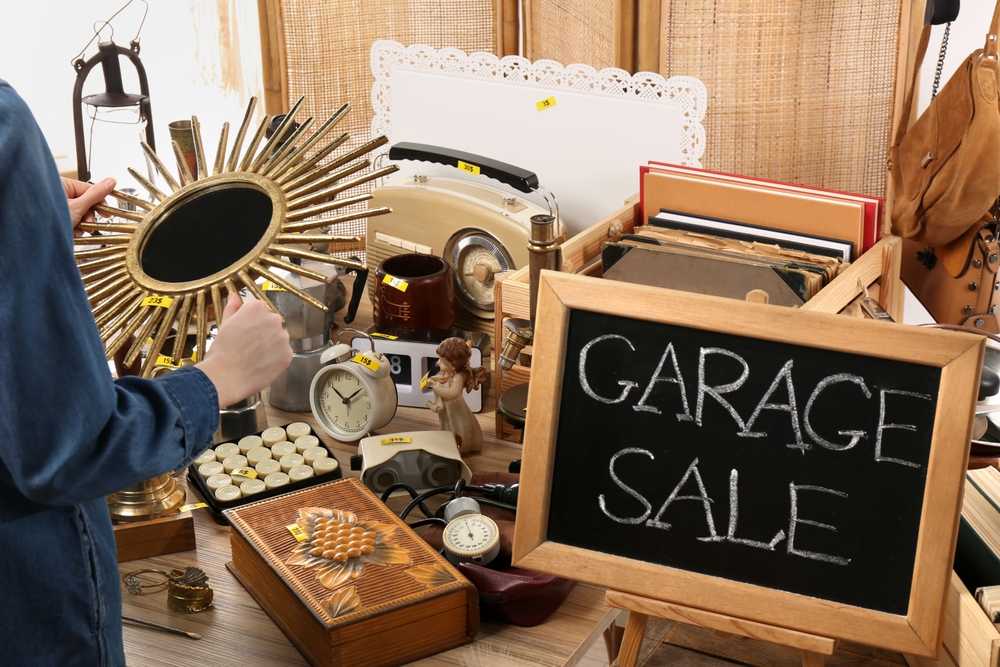
Sale prices trigger a particular kind of spending in financially anxious people. The discount feels like savings, which reframes spending as responsible behavior. You’re not wasting money—you’re being smart by getting a good deal.
This is how closets fill with unworn clothes that were 70% off, and kitchens accumulate gadgets that were too cheap to pass up. The anxiety about money gets temporarily relieved by the feeling of having made a savvy financial decision, but the accumulation of “deals” depletes resources just as effectively as full-price purchases would. Saving 50% on something you don’t need isn’t saving—it’s spending.
This article is for informational purposes only and should not be construed as financial advice. Consult a financial professional before making investment or other financial decisions. The author and publisher make no warranties of any kind.