


Saving money is an art, and Europeans seem to have mastered it with a few tricks that Americans might find surprisingly effective. While some methods may initially seem uncommon or even a bit quirky, they often align with a lifestyle that values sustainability and mindfulness over excess. From energy efficiency to savvy shopping habits, these practices are not only about cutting costs but also about living a balanced life. Here are 13 money-saving tricks that Europeans use that could change how you think about your finances.
1. They Bike or Take Public Transport

In many European countries, public transportation is not just a convenience but a way of life. Trains, buses, and trams are meticulously integrated into city planning, making it easy for people to rely on them instead of personal cars. This collective approach reduces the need for expensive fuel and car maintenance, and it also minimizes environmental impact. In contrast,
Americans often view car ownership as a necessity, which can lead to significant annual expenses.
According to a study by the European Environment Agency, using public transportation can drastically cut down personal transportation costs by up to 70%. This not only saves money but also promotes a greener lifestyle. The frequency and reliability of European public transit systems make it a viable alternative to driving. Maybe it’s time to rethink that car-first mentality and give the bus a chance.
2. They Shop Only Fresh, Local Foods

European markets brim with fresh, local produce, and shopping from these markets is a cultural staple. Choosing seasonal fruits and vegetables supports local farmers and often comes at a fraction of the price of imported goods. This not only ensures that your food is fresh and delicious but also keeps your wallet happy. In contrast, American supermarkets often stock out-of-season produce that can be more expensive due to transportation costs.
By embracing local foods, Europeans also avoid the hidden costs of highly processed items. Fresh foods require less packaging and processing, which in turn reduces their cost. Plus, this practice encourages healthy eating habits, which can lead to long-term savings on healthcare. It’s a win-win for your budget and your health.
3. They Repair, They Don’t Replace
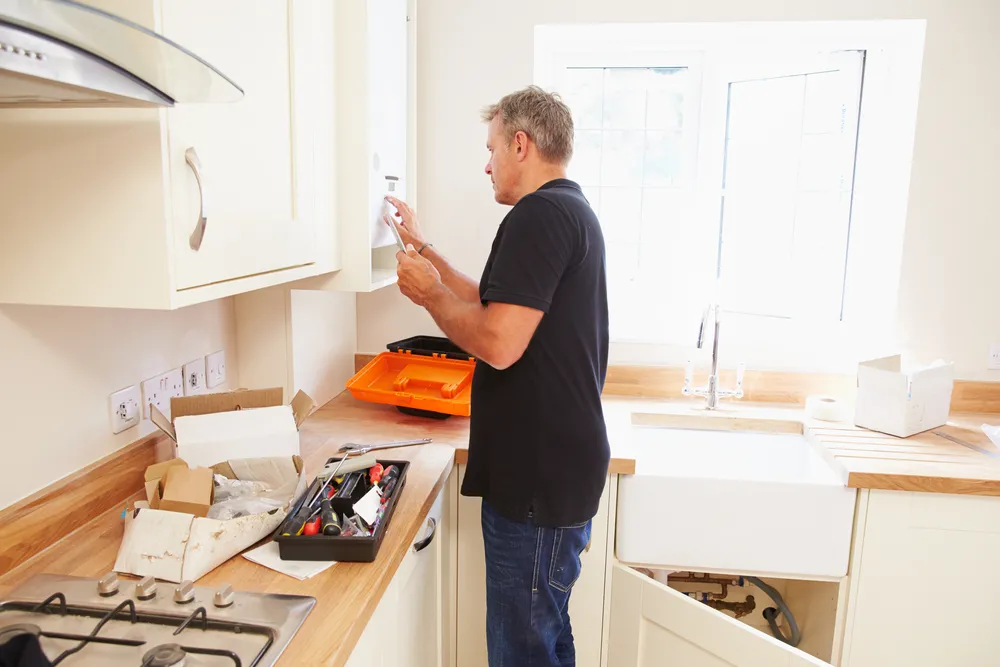
Europeans have an inherent knack for fixing things that are broken rather than immediately replacing them. Whether it’s mending clothes or repairing appliances, this mindset can lead to significant savings over time. This approach is often supported by a culture that values craftsmanship and sustainability. Americans, on the other hand, tend to opt for the convenience of purchasing new items, which can quickly add up.
Research published by the University of Cambridge highlights that repairing instead of replacing can reduce household waste by as much as 30% and save considerable amounts of money. Learning basic repair skills or finding a local repair shop can extend the life of many household items. This not only cuts down on expenses but also reduces environmental waste. Perhaps it’s time to dust off the old toolbox.
4. They Only Buy Energy-Efficient Appliances

Many European homes are equipped with energy-efficient appliances, a choice that reflects both financial savvy and environmental responsibility. These appliances use less electricity and water, which significantly cuts down on utility bills. The upfront cost may be higher, but the long-term savings are undeniable. Energy-efficient options are slowly gaining traction in the U.S., but they’re not yet as commonplace as they are across the pond.
Switching to energy-efficient appliances is also an investment in the planet’s future. Lower energy consumption means a smaller carbon footprint, which is an added bonus for environmentally conscious consumers. If you’re planning to upgrade your appliances, consider energy-efficient models. It’s a choice that pays off in both savings and sustainability.
5. They Embrace Generational Living

Generational living, where multiple generations reside under one roof, is a common practice in Europe, offering financial and social benefits. This arrangement allows families to pool resources, share expenses, and provide support for one another, reducing the overall cost of living. In the U.S., the trend is growing but often viewed as a necessity rather than a choice.
According to a report from Pew Research Center, multigenerational households can save on housing costs, utilities, and even food expenses. This lifestyle fosters stronger family bonds and shared responsibilities, all while saving money. It’s a different approach to living that prioritizes community and support. Maybe it’s a model worth considering for the future.
6. They Use Clotheslines Instead of Dryers
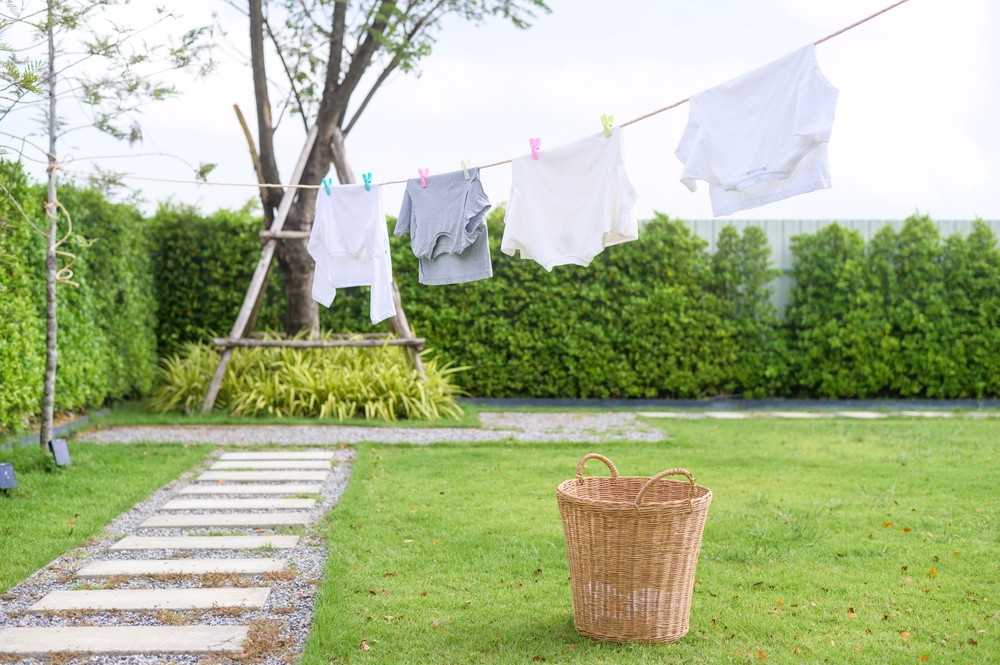
Air-drying clothes is a common sight in European neighborhoods, where people often opt for clotheslines over electric dryers. This simple practice drastically cuts down on electricity bills and prolongs the life of clothing by reducing wear and tear. While Americans might find this method a bit old-fashioned, it’s a practical and effective way to save money.
In addition to being cost-effective, air-drying is also environmentally friendly. It reduces your carbon footprint and requires no additional equipment beyond a sturdy line and some clothespins. Embracing this method can lead to substantial savings over time. Sometimes, the simplest solutions are the most effective.
7. They Prefer A Minimalist Wardrobe

A minimalist wardrobe, focusing on quality over quantity, is a trend that many Europeans have embraced. Instead of succumbing to fast fashion, they invest in timeless pieces that last longer and offer more versatility. This approach not only reduces clutter but also saves money in the long run as fewer, higher-quality items need replacing.
A study from the Fashion Institute of Technology indicates that people who adopt minimalist wardrobes save up to 50% on clothing expenses annually. By choosing pieces that mix and match easily, you can create numerous outfits without constantly buying new clothes. It encourages thoughtful shopping habits and can free up both closet space and budget. Less really can be more when it comes to style.
8. They Favor Free Cultural Activities

Europe’s rich cultural landscape offers a plethora of free or low-cost activities, from public festivals to art exhibitions and historical tours. These events provide entertainment without breaking the bank and encourage community participation. While America boasts its own cultural events, they often come with a higher price tag, from ticket fees to costly concessions.
Engaging in these activities not only saves money but also enriches your cultural experience. It’s an invitation to explore and engage with your community in meaningful ways. Many European cities offer free museum days or discounted entry fees for residents, making art and culture accessible to everyone. Seek out similar opportunities in your area and watch your entertainment budget shrink.
9. They Hardly Use Air Conditioning

In many parts of Europe, air conditioning is a luxury rather than a necessity due to milder climates and energy-conscious attitudes. People often rely on natural ventilation, like opening windows or using fans, to cool their homes. This practice significantly cuts down on energy costs compared to the often high dependency on air conditioning in the U.S.
By minimizing air conditioning use, Europeans not only save money but also reduce their environmental impact. Embracing natural cooling methods can lead to a more sustainable and cost-effective lifestyle. It may require adjusting to a warmer indoor climate, but the savings can be substantial. Consider swapping the thermostat for a fan and see how your energy bill benefits.
10. They Grow Their Own Herbs and Vegetables

Urban gardening is a popular pastime in Europe, where many people cultivate their own herbs and vegetables even in small spaces. This practice cuts down on grocery bills and ensures a fresh supply of ingredients right at your doorstep. While gardening requires an initial time investment, the payoff in terms of savings and quality is worth it.
Growing your own produce encourages healthy eating and can be a rewarding hobby. It’s also a step towards self-sufficiency, reducing reliance on store-bought goods. Even if you don’t have a backyard, many herbs and vegetables can thrive in pots on a balcony or windowsill. Why not try planting a few seeds and reap the tasty, cost-effective rewards?
11. They Participate in Community Sharing Systems

Community sharing and barter systems are thriving in many European towns, where people exchange goods and services without monetary transactions. This not only saves money but also builds stronger community ties. Americans are beginning to see the value in this approach, but it’s not as widespread.
By participating in these systems, you can save on everything from childcare to household repairs. It encourages a sense of community and cooperation, making it easier to access what you need without spending extra cash. Platforms like local swap meets or online community groups can help you get started. It’s a different way to think about consumption and wealth.
12. They Vacation Close to Home

Traveling within their own countries is a common practice among Europeans, who often opt for nearby destinations rather than costly international trips. This approach not only supports local economies but also reduces travel costs significantly. Americans can spend a fortune on far-flung vacations, often overlooking the treasures in their own backyard.
Exploring local attractions can be just as rewarding as international travel and often comes with fewer logistical headaches. It allows for spontaneous trips and a deeper connection with one’s own culture and history. Rediscovering local gems can be a fun and cost-effective way to satisfy your wanderlust. Sometimes, the best adventures are closer than you think.
13. They Invest in Quality Stuff

In Europe, the philosophy of investing in quality over quantity is evident in everything from fashion to furniture. This approach focuses on longevity and value, ultimately leading to fewer purchases over time. It stands in contrast to the American tendency towards consumerism, where more is often seen as better.
Investing in quality means spending more upfront but reducing the need for constant replacements, thus saving money in the long term. It also promotes a more sustainable way of living by reducing waste. By choosing quality products, you not only improve your lifestyle but also contribute positively to the environment. It’s an investment that pays dividends in multiple ways.
This article is for informational purposes only and should not be construed as financial advice. Consult a financial professional before making investment or other financial decisions. The author and publisher make no warranties of any kind.