



Moving after retirement isn’t about chasing sunshine anymore—it’s about chasing sustainability. People aren’t looking for the cheapest place to live so much as places where their money lasts without shrinking their lives. That means lower housing pressure, manageable healthcare access, and communities that don’t punish people for being on a fixed income. These are the places quietly pulling retirees who want their dollars to work harder without feeling like they’re giving things up.
1. Huntsville, Alabama
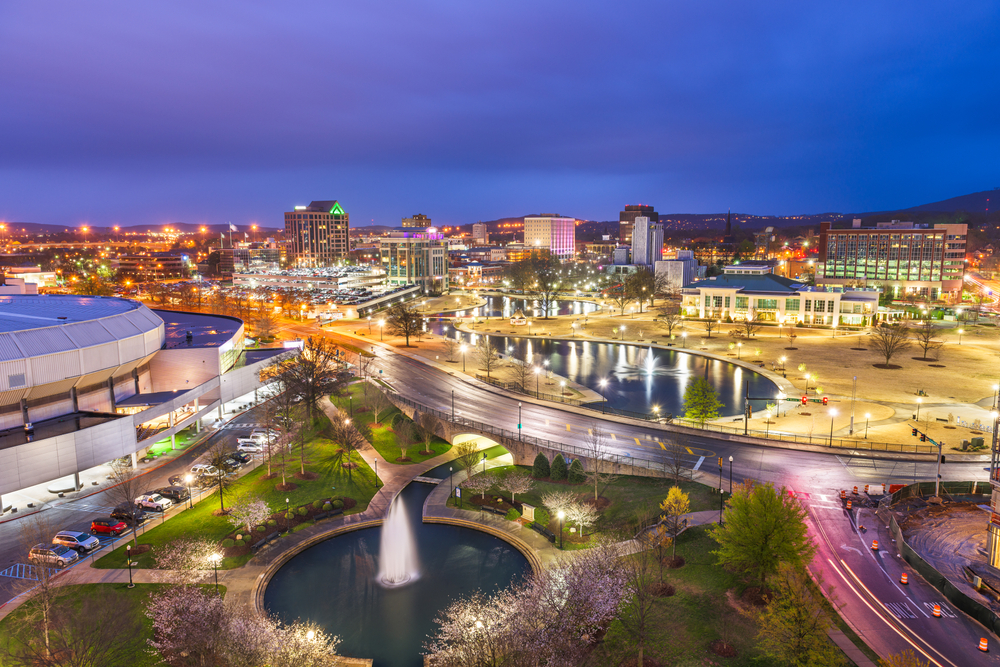
Huntsville has been growing steadily without losing its cost advantage. A strong aerospace and engineering presence keeps infrastructure solid while housing remains relatively attainable. Retirees are drawn to the balance of modern amenities and slower cost escalation. Life here feels functional rather than flashy, which is important when budgets are fixed.
What makes Huntsville appealing is predictability. Expenses don’t swing wildly, and everyday costs stay steady. That stability allows retirees to plan without constant recalibration. Stretching dollars works best where surprises are limited.
2. Knoxville, Tennessee
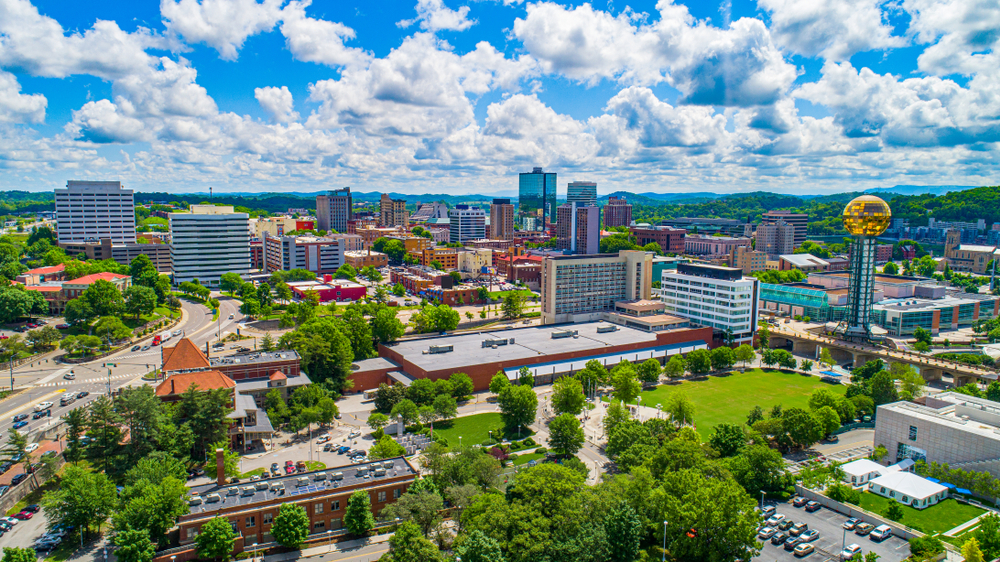
Knoxville consistently shows up on lists of retirement-friendly cities for one key reason: the math works. According to cost-of-living and migration data from the U.S. Census Bureau and analysis by Bankrate, housing and healthcare costs remain well below national averages while amenities continue to expand. Tennessee’s lack of a state income tax adds to the appeal. The financial picture feels lighter almost immediately.
Beyond numbers, Knoxville offers something harder to quantify—ease. Traffic is manageable, access to nature is built in, and services aren’t oversubscribed. Retirees find that daily life costs less energy as well as less money. That combination tends to keep people put.
3. Des Moines, Iowa
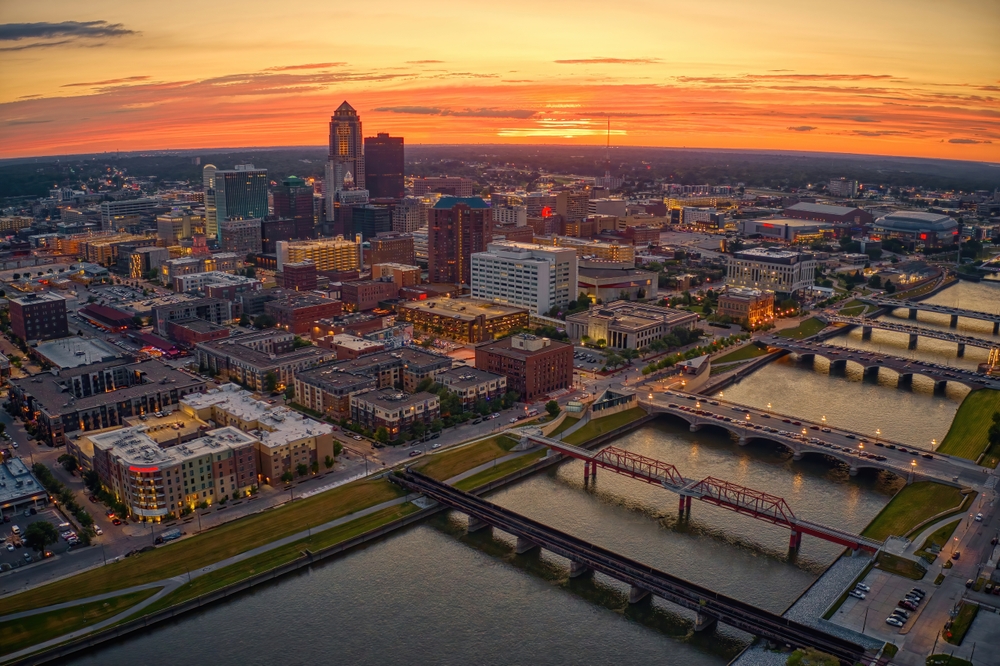
Des Moines doesn’t market itself aggressively, which is part of the appeal. Housing remains affordable, and the city invests steadily in public services without crazy tax spikes. Retirees here aren’t chasing lifestyle upgrades—they’re choosing consistency.
Healthcare access is also a major draw. Strong regional hospitals reduce the need for expensive travel or supplemental services. When healthcare is nearby and reliable, other costs become easier to manage. That reassurance factors heavily into long-term decisions.
4. San Antonio, Texas
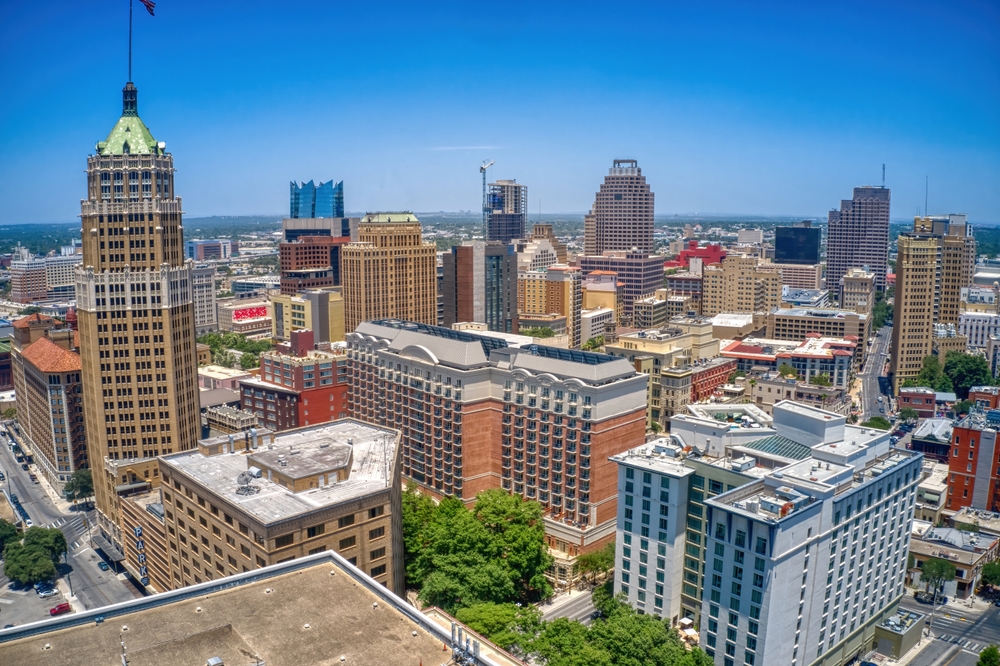
San Antonio attracts retirees who want a large city without large-city prices. According to housing market analysis from Zillow and demographic reporting cited by the Urban Institute, San Antonio’s home prices and rents have risen more slowly than those of other major Texas metros. The city’s size supports robust healthcare and cultural amenities without extreme cost pressure. Scale works in the retirees’ favor here.
What stands out is how livable the city remains across income levels. Neighborhoods vary widely, allowing people to adjust without leaving the metro area. Stretching retirement dollars often depends on having options close by.
5. Pittsburgh, Pennsylvania
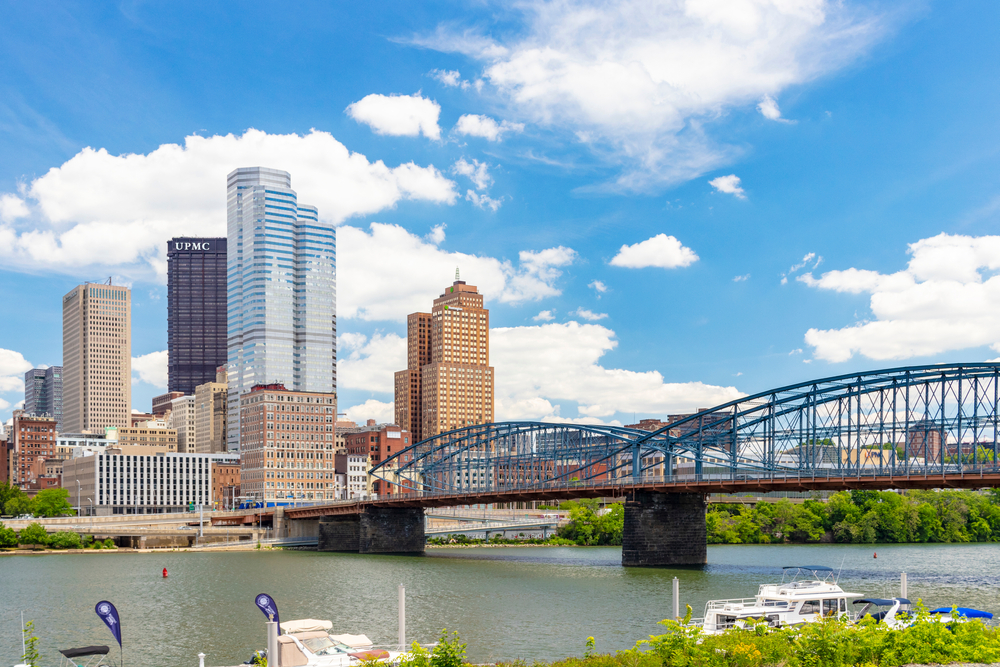
Pittsburgh continues to attract retirees who want affordability without isolation. According to cost-of-living comparisons and retiree migration trends analyzed by AARP and the Bureau of Labor Statistics, housing and everyday expenses remain manageable while services stay dense. The city’s economic shift toward healthcare and education stabilized costs over time. That transition benefits people living on fixed incomes.
Retirees appreciate that Pittsburgh doesn’t require constant spending to enjoy. Cultural institutions, walkable neighborhoods, and public transit reduce reliance on cars and expensive entertainment. When daily life offers value without pressure, budgets naturally stretch further.
6. Fayetteville, Arkansas
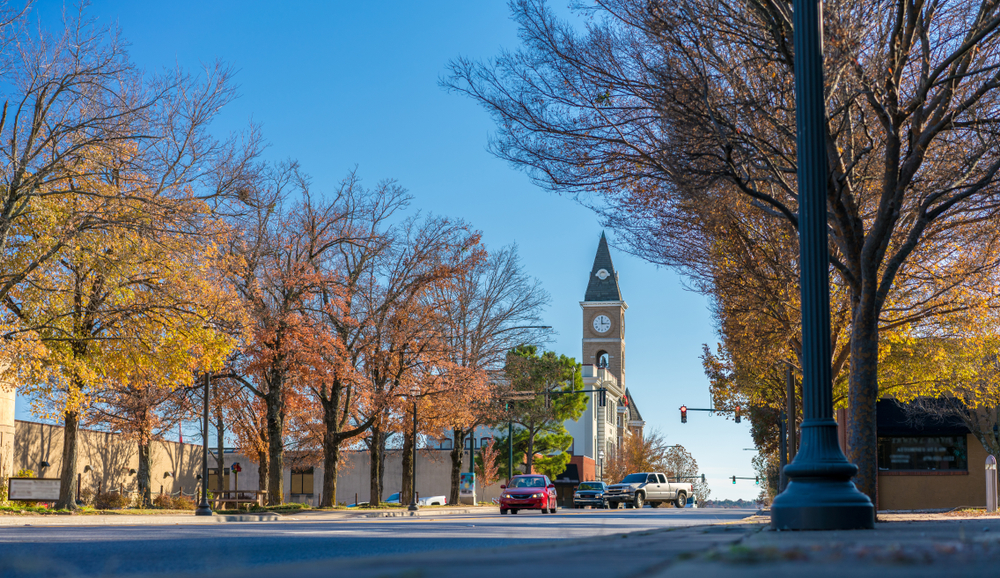
Fayetteville has benefited from steady growth rather than explosive demand. Anchored by the University of Arkansas, the city maintains strong services without the housing pressure that often follows popularity. Retirees find that everyday expenses remain reasonable while infrastructure stays reliable. The balance feels intentional rather than accidental.
What draws people in is how livable daily routines are. Traffic isn’t bad, healthcare access is solid, and the surrounding area offers natural amenities without requiring constant spending. Fayetteville keeps baseline costs low. Comfort here doesn’t come with a premium.
7. Boise, Idaho
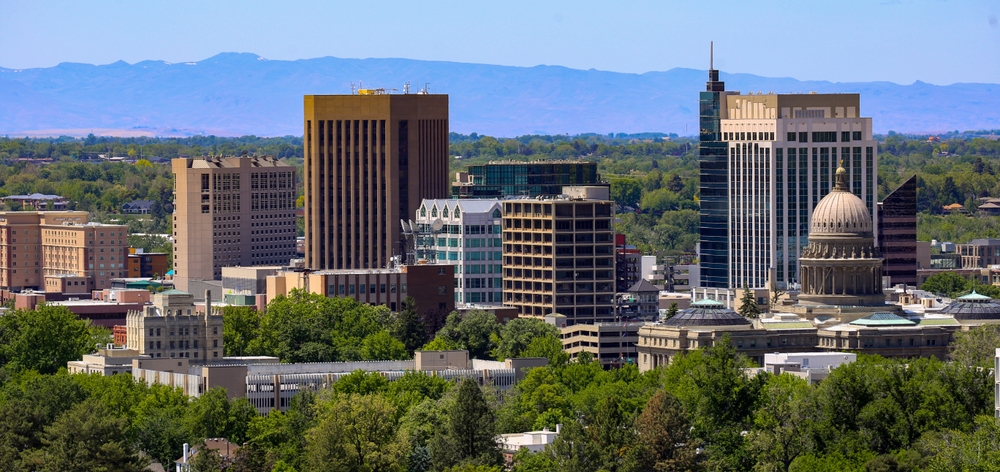
Boise experienced a sharp rise in housing costs, but the market has since cooled in ways that reopened the door for retirees. According to migration and housing correction data from Redfin and the U.S. Census Bureau, price growth slowed as inventory increased and demand stabilized. That shift made long-term budgeting feel possible again.
Retirees moving now are entering a more balanced market. Outdoor access, clean infrastructure, and a slower pace remain intact without the same financial pressure. Boise still isn’t cheap, but it’s no longer punishing. That recalibration matters for people planning decades ahead.
8. Roanoke, Virginia
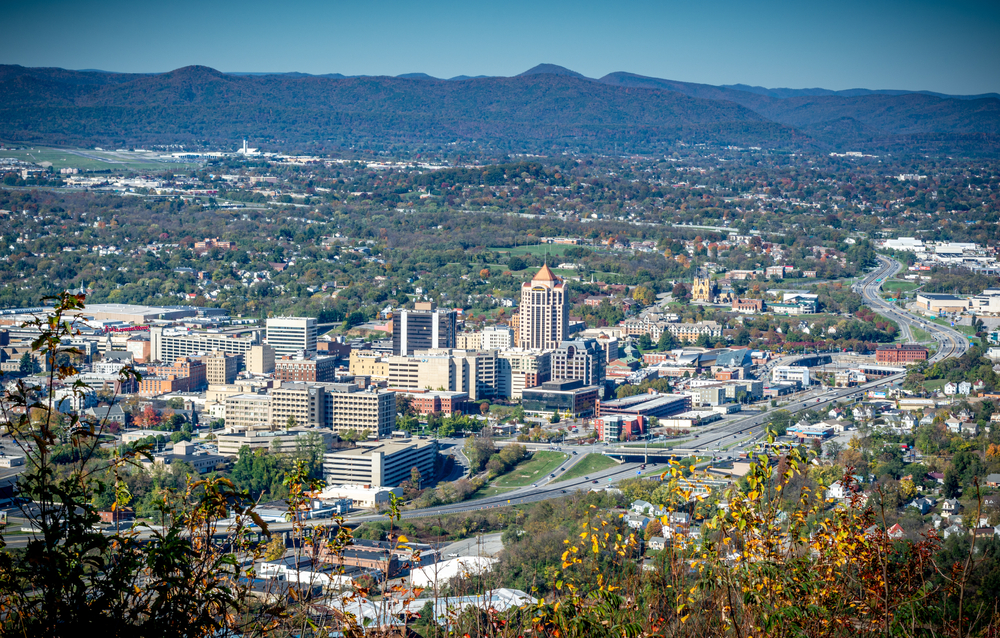
Roanoke appeals to retirees who want scenery and services without resort pricing. Housing remains affordable, and the city invests consistently in healthcare and public amenities. The surrounding region offers access to nature that doesn’t require travel budgets. Life expands outward without expanding costs.
Retirees here often mention how manageable the transition feels. Moving doesn’t mean giving up convenience or community. Expenses stay predictable, which supports long-term planning. That predictability is a form of financial security.
9. El Paso, Texas

El Paso has maintained one of the lowest costs of living among major U.S. cities. Housing is attainable, and everyday expenses stay aligned with fixed incomes. The city’s border location supports a diverse economy that hasn’t overheated. Retirees benefit from that moderation.
Healthcare access is strong, and cultural life doesn’t require constant spending. Retirees find they can maintain a quality of life without aggressive budgeting. The city offers scale without excess.
10. Tulsa, Oklahoma
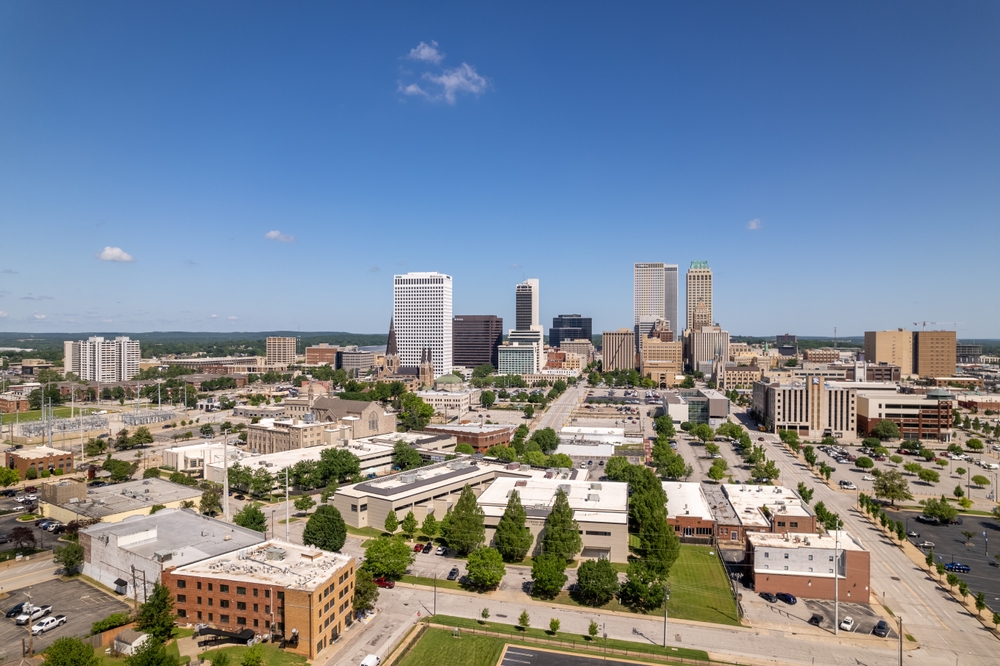
Tulsa has been intentional about attracting new residents without letting costs spiral. Housing remains accessible, and the city continues investing in infrastructure and public amenities that support daily life rather than tourism. Retirees find that their fixed incomes go further without feeling constrained. The city feels practical in a way that works long-term.
What stands out is how little effort it takes to maintain comfort. Commutes are short, services are easy to access, and entertainment doesn’t require constant spending. Tulsa stretches retirement dollars by removing unnecessary friction.
11. Grand Rapids, Michigan
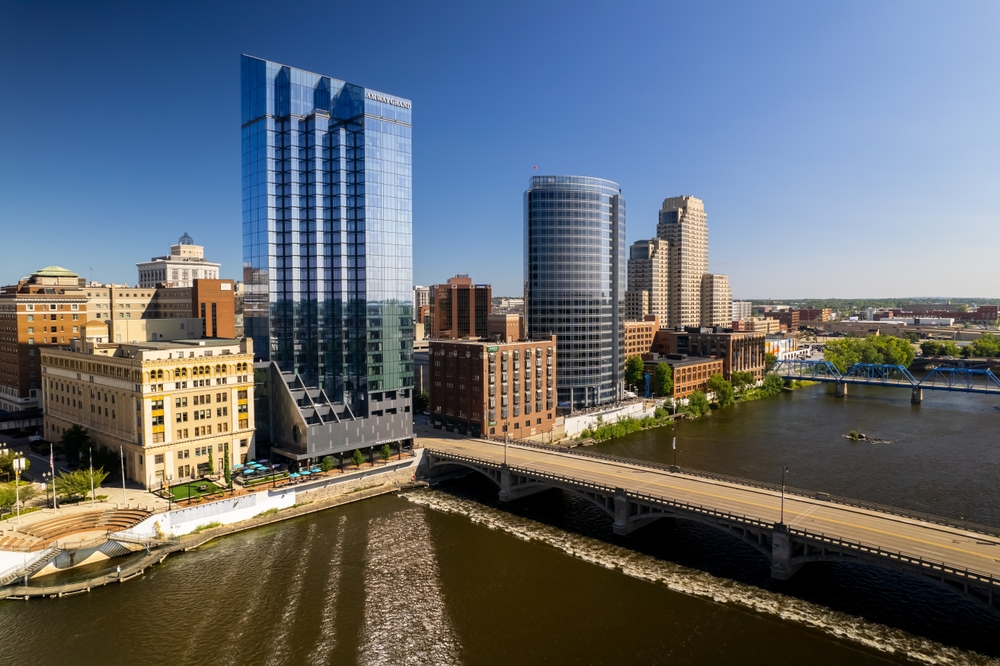
Grand Rapids offers a balance that’s hard to find: cultural activity without coastal pricing. Housing costs remain moderate, and the city’s healthcare presence keeps services close and reliable. Retirees aren’t choosing between affordability and engagement. Both coexist here.
Seasonality also plays a role. Summers are active and accessible, while winters naturally slow spending. That rhythm aligns well with fixed incomes. The city’s pace supports both activity and restraint without forcing either.
12. Chattanooga, Tennessee

Chattanooga continues to draw retirees looking for a smaller city with modern infrastructure. Investments in broadband, healthcare, and public spaces improved the quality of life without dramatically raising costs. Housing remains attainable relative to national averages. The city feels current without being expensive.
Retirees appreciate how integrated daily life feels. Nature, services, and community exist within close reach. That proximity reduces transportation and lifestyle costs over time.
13. Las Cruces, New Mexico
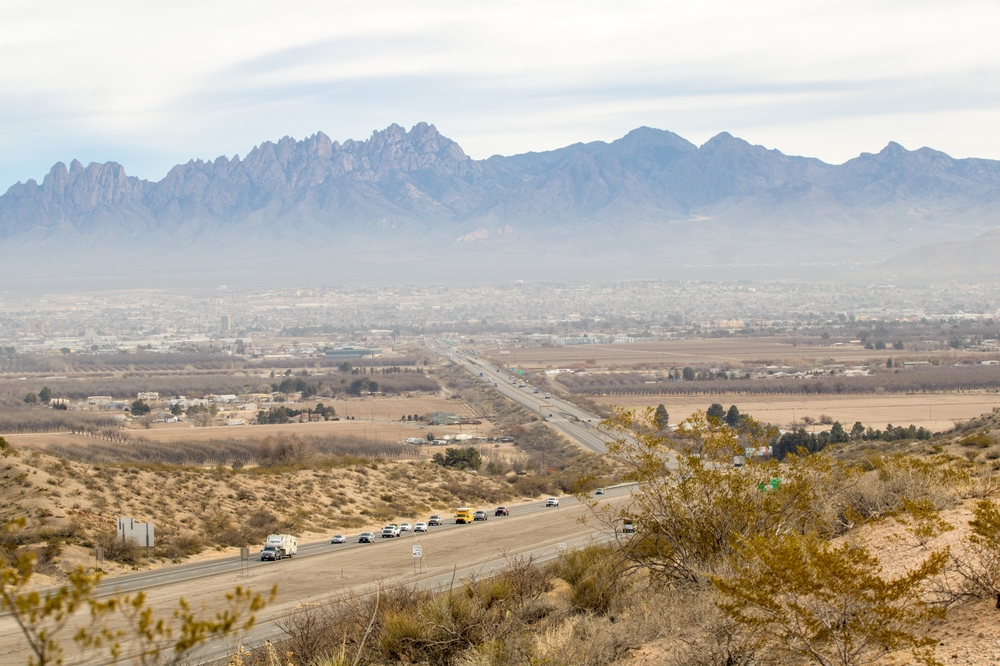
Las Cruces appeals to retirees who want warmth, space, and affordability. Housing costs are low, and the city’s slower growth prevents sudden market shifts. Daily expenses stay manageable, and healthcare access continues to expand. The environment encourages a measured pace.
Life here doesn’t demand constant consumption. Outdoor access, cultural traditions, and community events fill time without draining budgets. Retirees find that their money lasts longer because expectations stay grounded. That steadiness is what keeps people from leaving.
This article is for informational purposes only and should not be construed as financial advice. Consult a financial professional before making investment or other financial decisions. The author and publisher make no warranties of any kind.