

For many people, affordability isn’t about luxury—it’s about stability. Being able to cover housing, healthcare, childcare, and everyday expenses without constant financial stress has become harder in large parts of the country. But that doesn’t mean it’s impossible everywhere. Some places still offer a version of middle-class life where costs and incomes haven’t fully broken apart.
1. Pittsburgh, Pennsylvania

Pittsburgh continues to offer relatively affordable housing alongside steady job opportunities in healthcare, education, and technology. Home prices remain well below national averages, especially compared to other Northeastern cities. Public transportation and walkable neighborhoods reduce everyday costs. The city’s infrastructure supports long-term residents rather than transient growth.
What makes Pittsburgh work financially is balance rather than boom. Wages haven’t skyrocketed, but they also haven’t been swallowed by housing inflation. Longtime residents can still buy homes and stay put. That stability keeps middle-class life intact.
2. Des Moines, Iowa
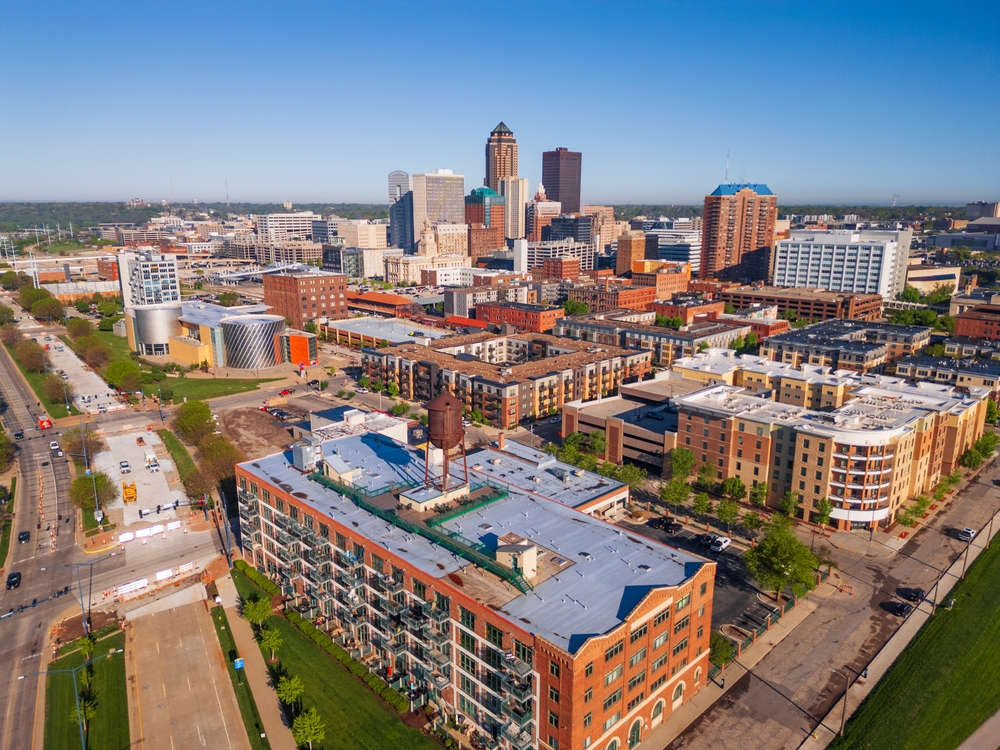
Des Moines consistently ranks as one of the most affordable metro areas for middle-income households. Housing costs remain manageable, and property taxes are relatively predictable. The job market is anchored by insurance, finance, and healthcare. Commute times are short, reducing transportation expenses.
According to cost-of-living data from the Bureau of Economic Analysis, Des Moines maintains a lower-than-average price index across housing, utilities, and services. Income-to-cost ratios remain favorable for working families. Affordability here is structural, not temporary; that’s why it persists.
3. Chattanooga, Tennessee
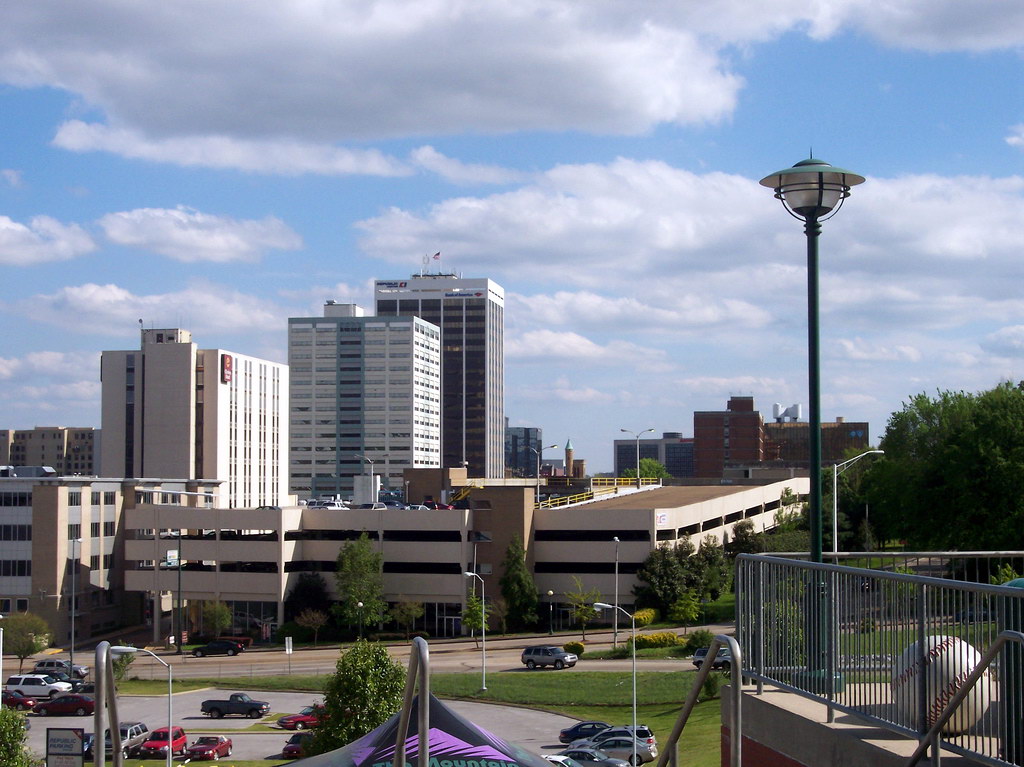
Chattanooga has built an economy around logistics, manufacturing, and remote-friendly work. Housing prices have risen but remain accessible compared to larger Southern metros. Utility costs are reasonable, and the city’s public services are well-funded. Quality of life doesn’t demand premium spending.
The city benefits from measured growth rather than explosive demand. Wages have kept closer pace with housing than in nearby hotspots. Middle-class households aren’t constantly chasing rising costs. That breathing room matters.
4. Rochester, New York

Rochester offers some of the lowest home prices in the Northeast while maintaining strong healthcare and education employment. Property values have increased slowly, not suddenly. Rent remains affordable relative to incomes. The cost of essentials stays manageable.
Data from regional housing authorities and Census reports show that Rochester’s housing costs consume a smaller share of median household income than in many peer cities. That leaves room for savings and discretionary spending.
5. Omaha, Nebraska

Omaha combines a diverse job market with a stable housing supply. Industries like finance, transportation, and healthcare provide consistent employment. Homeownership remains attainable for middle-income earners. Daily expenses don’t spike unpredictably.
According to regional economic studies and cost-of-living indexes, Omaha maintains strong purchasing power for households earning median wages. Growth has been steady rather than speculative. That steadiness protects affordability—it’s a place where planning still works.
6. Toledo, Ohio

Toledo remains one of the few Midwestern cities where housing prices are still closely aligned with local wages. Homeownership is realistic for single-income households, not just dual earners. Utilities, transportation, and everyday services stay affordable. The city’s cost structure hasn’t been radically reshaped by outside investment.
What makes Toledo work is that growth pressure has stayed modest. Jobs in healthcare, manufacturing, and logistics provide stability rather than volatility. Residents aren’t constantly reacting to sudden rent spikes. That predictability supports long-term planning.
7. San Antonio, Texas

San Antonio offers a lower cost of living than many fast-growing Texas cities while maintaining a diverse job market. Housing prices have risen, but not at the pace seen in Austin or Dallas. Property taxes are a consideration, but overall housing costs remain accessible. The city’s size helps keep services and amenities affordable.
According to data from the U.S. Census Bureau and regional housing reports, San Antonio’s median home prices remain well below those of other major Texas metros. Income growth has stayed closer to housing growth than in many Sun Belt cities. That balance keeps middle-class budgets from stretching too thin. Affordability here is relative, but real.
8. Fort Wayne, Indiana

Fort Wayne consistently ranks high for housing affordability relative to income. Home prices are low enough that saving and ownership can happen simultaneously. Commutes are short, and transportation costs stay minimal. The city doesn’t require constant spending to function comfortably.
Employment is anchored by manufacturing, healthcare, and defense-related industries. Wages may not be flashy, but expenses stay proportionate. That alignment allows middle-class households to avoid lifestyle inflation. Stability outweighs prestige.
9. Huntsville, Alabama

Huntsville combines strong job growth with housing that remains accessible for now. Aerospace, defense, and engineering roles provide above-average wages for the region. Home prices have increased but still trail national averages. The cost of living hasn’t fully caught up with income gains.
What keeps Huntsville affordable is its relatively recent growth. Infrastructure has expanded alongside demand rather than lagging behind it. Middle-class households still have room to absorb rising costs. That window hasn’t closed yet.
10. Wichita, Kansas

Wichita remains one of the more affordable mid-sized cities in the country for middle-income households. Housing prices are low relative to wages, and property taxes are manageable. Everyday costs like groceries, transportation, and utilities stay predictable. The city’s scale keeps expenses from compounding unnecessarily.
Employment is supported by aerospace, manufacturing, and healthcare. These industries don’t produce explosive growth, but they do offer stability. That steadiness allows families to plan without constantly recalculating their budgets. Middle-class life here still feels supported.
11. Scranton, Pennsylvania

Scranton offers affordable housing in a region where many nearby cities have become expensive. Homeownership remains attainable for median earners. The cost of daily life stays low, especially compared to larger Northeastern metros. Commuting costs are also modest.
The local economy doesn’t rely on rapid growth to function. Healthcare, education, and public-sector jobs provide consistent employment. That consistency helps keep prices grounded.
12. Sioux Falls, South Dakota

Sioux Falls combines low housing costs with a growing job market. Industries like healthcare, finance, and manufacturing anchor employment. Home prices have risen, but not faster than incomes. The city still offers room for financial margin.
What stands out is how manageable everyday expenses remain. Utilities, transportation, and taxes don’t overwhelm household budgets. Middle-class residents aren’t constantly absorbing new costs. That balance keeps long-term living viable.
13. Erie, Pennsylvania

Erie continues to offer some of the lowest housing costs in the Northeast. Rent and home prices stay well below national averages. Proximity to healthcare, education, and manufacturing jobs supports employment. The cost of essentials remains reasonable.
While growth is modest, that has helped preserve affordability. The city hasn’t seen the speculative pressure that reshapes housing markets elsewhere. Middle-class life here isn’t glamorous, but it’s attainable. For many households, that’s the priority.
This article is for informational purposes only and should not be construed as financial advice. Consult a financial professional before making investment or other financial decisions. The author and publisher make no warranties of any kind.