




There’s a certain nostalgia tied to writing checks, but as technology evolves, clinging to this old-school method can slow you down and even cost you more than you realize. From security risks to sheer inconvenience, here are 12 compelling reasons to abandon checks and embrace the digital age of payments.
1. There Are Security Risks

Writing checks exposes you to an array of security risks that are increasingly difficult to justify. Each time you write a check, you reveal your bank account number and routing number, making you vulnerable to fraud. According to the Federal Trade Commission, check fraud is on the rise, with scammers finding new ways to exploit this payment method. In contrast, digital payment systems often offer encrypted transactions and real-time fraud alerts, keeping your money safer.
Switching to digital payments not only protects your financial information but also offers peace of mind. Many apps offer two-factor authentication and instant notifications for every transaction. While no method is completely foolproof, the layers of security provided by digital platforms far surpass the vulnerable nature of paper checks. You owe it to yourself to use a payment system that prioritizes your financial security.
2. The Process Is Time-Consuming Process

Writing a check might not seem like a big deal until you find yourself fumbling for your checkbook, looking for a pen, and then spending time balancing your checkbook later. Compared to the few seconds it takes to send a digital payment, checks are a time sink. Plus, you’re often at the mercy of the postal system, which adds unnecessary delay to your transaction. Not to mention, if any mistakes are made while writing the check, you’re stuck starting over.
Digital payments streamline the process by offering instant transactions with just a few taps on your smartphone. No need to interrupt your day to sit down, write a check, and drop it in a mailbox. You can make payments while doing other activities, making multitasking a breeze. The convenience alone is reason enough to make the switch.
3. The Hidden Costs Can Add Up

Keeping your finances in check often means trimming unnecessary expenses, and check writing is a hidden culprit. Between purchasing checkbooks, paying for postage, and incurring potential bank fees for overdrafts, the costs add up. A study by Bankrate found that the average cost of a box of checks can range from $20 to $50, not including postage and other fees. Digital payment options, on the other hand, are often free or come with minimal transaction fees.
Moving to digital payments saves not just time but money, allowing you to allocate those funds elsewhere. Most online banking accounts and payment apps offer a free option, reducing the financial burden and increasing accessibility. Also, many platforms offer rewards or cashback options, adding value that checks simply can’t match. It’s a financially savvy move that makes good sense for your wallet.
4. They’re an Environmental Concern

The environmental impact of using paper checks is an often-overlooked aspect of their continued use. Each check represents a piece of paper, an envelope, and the fuel used to transport it, all of which contribute to your carbon footprint. With more people becoming environmentally conscious, the paper check feels increasingly anachronistic. Adopting digital payments aligns more closely with sustainable practices.
Switching to digital payments eliminates the need for paper and the carbon emissions associated with mailing. Many financial institutions are moving toward paperless statements and transactions, further decreasing the demand for paper products. Not only does this change help protect the planet, but it also streamlines your financial life. It’s a win-win for both the environment and your convenience.
5. They Are Becoming Obsolete

In today’s tech-driven world, checks are quickly becoming obsolete, replaced by faster, more efficient payment methods. Most businesses and service providers now prefer digital payments due to their speed and reliability. According to a report by the Federal Reserve, check usage has been steadily declining, with electronic payments now dominating the landscape. Sticking to checks could signal that you’re behind the times.
Embracing digital payments not only modernizes your financial transactions but also aligns you with current trends. It demonstrates adaptability and a willingness to embrace new technology, traits that are increasingly valued in various aspects of life. Plus, it prepares you to participate in future financial innovations, ensuring you’re never left behind. Joining the digital revolution in payments is both trendy and practical.
6. They Are Harder to Reconcile
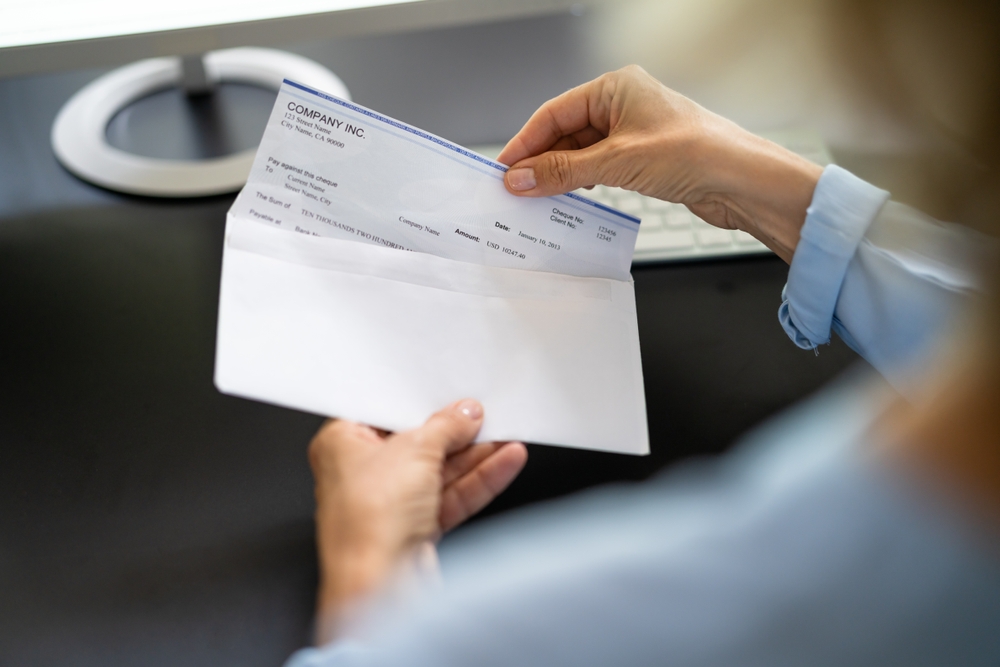
Managing a checkbook can lead to stacks of paper, cluttered desks, and the frustration of lost checks. Keeping track of check numbers, recipients, and amounts paid can become a logistical nightmare. In contrast, digital payment histories are easily accessible, searchable, and neatly organized online. This makes financial record-keeping simpler and more accurate.
Digital payments allow you to track your expenses in real time and categorize them for better financial planning. Most apps offer the ability to sort transactions by date, payee, or category, making monthly budgeting more intuitive. You’ll save time and reduce stress by having your financial information at your fingertips. Plus, going paperless reduces your environmental footprint, making it a smart organizational choice.
7. They Can’t Handle International Transactions

If you’ve ever tried using checks for international transactions, you know it can be a headache. The process is slow, expensive, and fraught with potential errors. According to a report by Deloitte, international payments are more efficient and secure when conducted digitally. Digital platforms offer currency conversion and faster processing times, making international payments significantly easier.
Adopting digital payment methods streamlines your ability to conduct business or manage finances globally. They eliminate the lengthy waiting periods and high fees associated with international checks. Plus, real-time transaction tracking offers peace of mind when sending money abroad. You can engage in global commerce with confidence and ease, knowing your payments are handled efficiently.
8. They Aren’t Really Accepted Anymore

The places where checks are still accepted are dwindling, especially in major cities and among younger consumers. Many businesses have moved away from checks due to the increased risk of fraud and the inconvenience of processing them. You’re more likely to encounter frustration and delays by relying on checks as your primary payment method. This limited acceptance can be an obstacle for many day-to-day transactions.
Switching to digital payments ensures your money is accepted wherever you go. From small businesses to large corporations, digital payments offer the universal acceptance that checks can’t match. It saves you the embarrassment and inconvenience of being unable to complete a purchase. In today’s fast-paced world, the ability to pay quickly and securely is paramount.
9. They Limit Your Financial Flexibility

Writing checks locks you into a dated financial process that lacks the flexibility of modern payment options. You can’t easily split checks or delay payments without incurring penalties or risking a bounced check. Digital payments, however, offer features like scheduled payments and split bills that make managing your finances more adaptable and responsive to change.
The versatility of digital payments empowers you to manage your money on your terms. Need to pay your portion of a dinner bill? It’s as easy as sending a text. Want to ensure your rent is paid on the first of the month? Schedule it in advance. The flexibility to tweak and control your financial transactions can have a significant impact on your overall financial health.
10. They Make Budgeting an Ordeal

When you rely on checks, tracking your spending and budgeting can become a laborious process. You must manually record each transaction and keep a vigilant eye on your balances to avoid overdrawing your account. Digital payment apps, on the other hand, often come equipped with built-in budgeting tools that automatically track your spending.
By using digital payment platforms, you gain access to real-time financial insights. You’ll receive alerts when you’re nearing your budget limits and can analyze spending patterns with ease. This proactive approach to budgeting allows for better financial planning and control over your spending habits. The convenience and efficiency of these tools help keep your financial goals on track and manageable.
11. There’s More Error Risk

The manual nature of writing checks leaves room for human error, such as writing the wrong amount or misspelling the recipient’s name. These mistakes can result in bounced checks or payments being sent to the wrong place. Digital payments minimize these risks by automating much of the process and offering confirmation screens for review.
Digital systems often include fail-safes that check for errors, like notifying you of potential overdrafts before they occur. This automation ensures greater accuracy and reliability in your transactions. By minimizing errors, you save time and avoid the potential embarrassment of having to rectify a faulty check. It’s a seamless way to ensure your payments are processed smoothly and correctly.
12. They Make You Look Like a Dinosaur
In an era where digital literacy is increasingly valued, sticking to checks may signal a reluctance to adapt to new technologies. This can have a ripple effect, affecting your professional opportunities and marketability. Employers often seek candidates who are comfortable with digital tools and who demonstrate a willingness to embrace change.
Embracing digital payments showcases your adaptability and tech-savviness. It reflects an understanding of modern financial practices and a readiness to engage with digital solutions. Staying current with technology trends can be a valuable asset in your professional life. It helps you stand out in a competitive job market, where digital competence is key.
This article is for informational purposes only and should not be construed as financial advice. Consult a financial professional before making investment or other financial decisions. The author and publisher make no warranties of any kind.