


“Affordable” used to mean something you could reasonably fit into your life with planning and restraint. Now it often means something you technically qualify for, even if it leaves no room for error. These signs show how affordability changed without ever being officially redefined.
1. People Are Told It’s Normal To Spend Almost Half Their Income On Rent
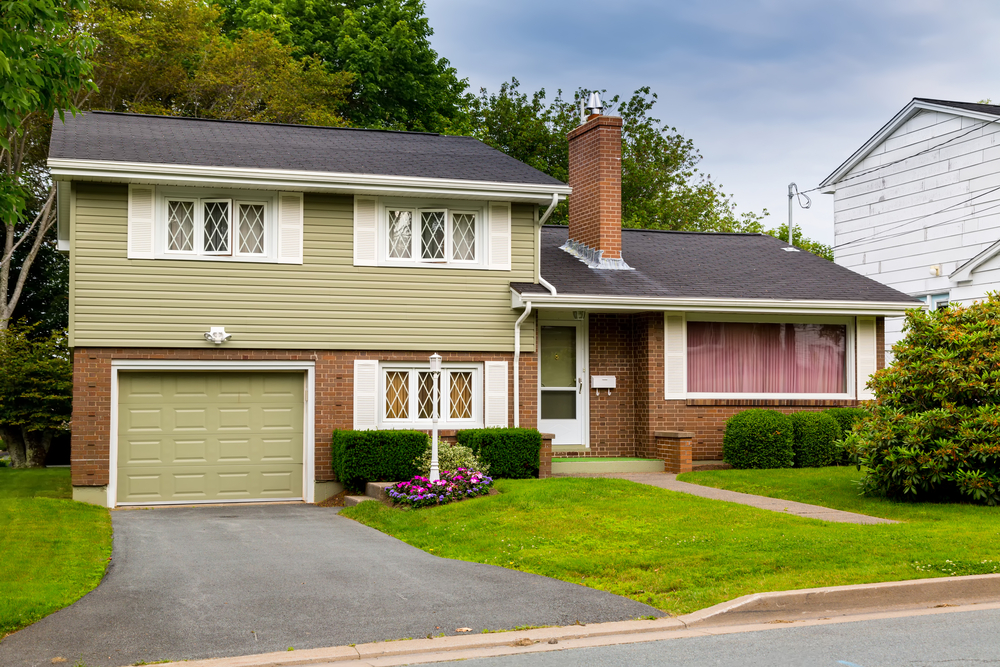
There was a time when spending more than 30% of your income on housing was considered financially risky. According to data from the U.S. Department of Housing and Urban Development and analysis by Harvard’s Joint Center for Housing Studies, that benchmark has collapsed. Many renters are now expected to accept ratios closer to 40% just to secure housing. What was once labeled “housing burdened” is now treated as standard.
The change is psychological. When extreme strain is framed as normal, people stop questioning it. Affordability becomes less about stability and more about endurance. The definition shifts without anyone admitting it did.
2. Grocery Spending Is Framed As Something To Cut Back On

Food used to be one of the most predictable monthly expenses. Now it’s treated as a flexible category that can always be trimmed, swapped, or optimized. Rising prices turned basic nutrition into a problem people are expected to solve creatively. The assumption is that there’s always more room to cut.
What’s changed is who carries the pressure. Instead of affordability being about fair pricing, it’s about personal discipline. If groceries feel expensive, the solution isn’t structural—it’s behavioral. Affordable becomes whatever you can make work.
3. Used Cars Cost What New Cars Used To

The idea that buying used automatically saves money no longer holds. According to pricing data from Kelley Blue Book and inflation tracking by the Bureau of Labor Statistics, used vehicle prices surged during supply-chain disruptions and never fully reset. Cars that would have been considered budget options a decade ago now require long-term financing. The price floor moved up.
Transportation used to have tiers that matched different income levels. Now, even the lower tiers demand significant financial commitment. Affordable no longer means inexpensive—it means less expensive than the worst alternative.
4. Health Insurance Is Called Affordable When It’s Barely Usable

Insurance plans are often labeled affordable based on premiums alone. According to analysis from the Kaiser Family Foundation, deductibles and out-of-pocket costs have risen much faster than wages. Many plans technically meet affordability standards while remaining financially unusable for actual care. Coverage exists, but access is conditional.
The definition shifted from protection to compliance. As long as you’re insured on paper, the system considers the problem solved. Affordability becomes about eligibility, not outcomes. The gap shows up when people avoid care that they supposedly have coverage for.
5. Starter Homes Are Out Of Reach For The People
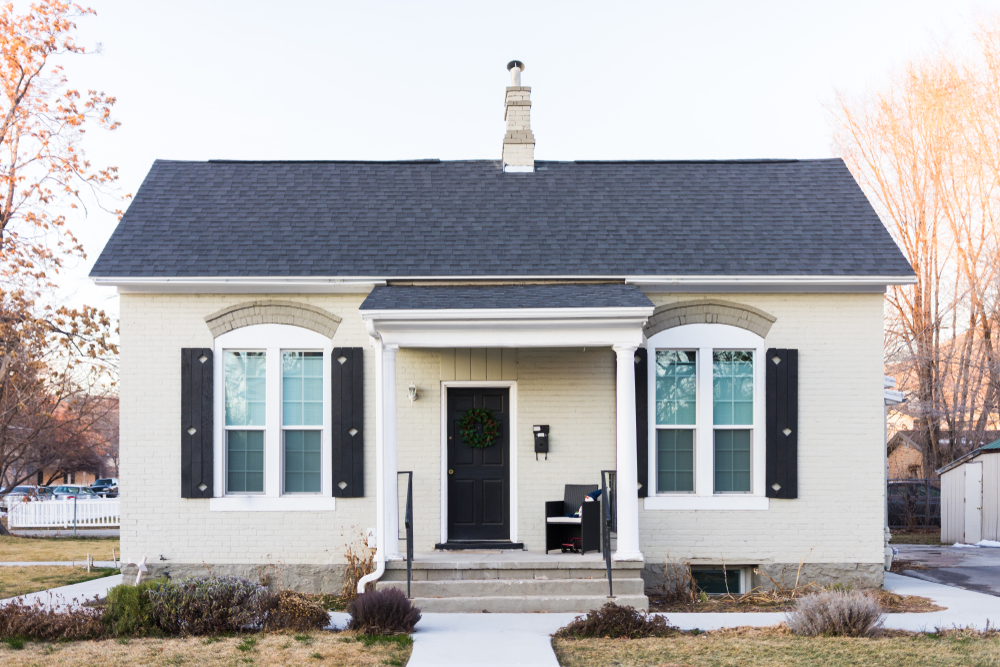
Starter homes were once designed to be attainable first steps, not long-term financial stretches. Today, those same homes often require dual incomes, high credit scores, and minimal debt. The term survived even as the reality changed.
What’s revealing is how expectations adjusted. People are told to delay ownership longer, compromise more, or accept permanent renting instead. The goalposts moved, but the labels didn’t.
6. Childcare Is Treated Like A Luxury

Childcare costs have risen so sharply that many families are forced to treat them as optional rather than essential. According to data from Child Care Aware of America and labor analysis cited by the Economic Policy Institute, full-time childcare now rivals or exceeds rent in many parts of the country. The price point reframed who childcare is “for.” Affordability became conditional on income level, not necessity.
Instead of society absorbing the cost of enabling parents to work, families are expected to absorb it privately. When childcare is unaffordable, the burden shifts to parents—usually mothers—to step back from work. Affordable stops meaning accessible and starts meaning theoretically available.
7. Eating Out Once A Week Is Framed As An Indulgence

Going out to eat used to be a modest pleasure woven into everyday life. Now it’s framed as a budgeting failure if done too often. Rising menu prices, service fees, and tipping expectations turned a casual meal into a calculated expense. The narrative adjusted to accommodate the increase.
People are encouraged to see normal social activities as luxuries rather than defaults. Affordability becomes about restriction rather than participation. The baseline for “reasonable” keeps shrinking.
8. Vacations Are Seen As Something You Have To “Deserve”

Time off used to be understood as rest, not reward. As travel, lodging, and even time away from work became more expensive, vacations were reframed as indulgent. People now justify trips in terms of productivity or burnout prevention.
If something costs too much, it’s no longer framed as inaccessible—it’s framed as unnecessary. People internalize the idea that rest must be earned.
9. Emergency Savings Are Considered Optional

Financial advice still recommends emergency funds, but the expectation around them softened. With higher living costs, many people are told it’s normal not to have savings. Survival expenses crowd out preparation. The ideal gets postponed indefinitely.
Living paycheck to paycheck is treated as a phase rather than a warning sign. Affordability becomes about keeping up, not building margin.
10. Medical Debt Is Treated As Inevitable

Medical bills used to signal something had gone wrong. Now they’re framed as a normal part of adulthood, even for insured people. High deductibles and surprise charges make debt feel unavoidable rather than exceptional. The shock has worn off.
Instead of asking why healthcare costs so much, people ask how to manage the debt afterward. Affordability becomes something you deal with after the fact.
11. Unreliable Public Transportation Is Labeled Affordable

Transit systems are often called affordable because fares remain lower than car ownership. What that label ignores is time, safety, and reliability. Long commutes, missed connections, and inconsistent service add hidden costs. Cheap doesn’t always mean usable.
The definition narrowed to price alone. If the ticket costs less, the service is deemed affordable, regardless of whether it actually supports a stable life. People are expected to absorb inconvenience as part of the bargain.
12. College Is Considered Affordable (As Long As Loans Exist)

Higher education is often framed as accessible because financing options are available. The presence of loans is treated as proof of affordability. The long-term cost is pushed into the future, where it feels abstract. Access and affordability get conflated.
What changed is the threshold. Instead of asking whether education can be paid for, the question becomes whether it can be borrowed for. Debt replaces affordability as the gatekeeper.
13. “Making It Work” Is Used As Proof That Something Is Affordable

When people manage to survive high costs, their survival is treated as validation. If someone can juggle bills, cut corners, and stay afloat, the price is deemed reasonable. Strain becomes evidence of feasibility. Endurance replaces comfort as the metric.
This is the quietest shift of all. Affordability stops being about well-being and starts being about tolerance. If enough people make it work, the system assumes it works. The definition changes not because conditions improved, but because expectations fell.
This article is for informational purposes only and should not be construed as financial advice. Consult a financial professional before making investment or other financial decisions. The author and publisher make no warranties of any kind.