


Money problems aren’t always about numbers. Two people can have the same income, the same bills, and wildly different relationships to money. One is objectively broke. The other just feels broke—and that difference quietly shapes behavior, stress levels, and long-term decisions more than people realize. Here’s how those two states diverge in ways that aren’t obvious at first glance.
1. Being Broke Means The Money Isn’t There, Feeling Broke Means You’re Always On Guard

When someone is actually broke, the issue is concrete. There isn’t enough money to cover expenses, and the stress is tied to specific shortfalls—rent, groceries, utilities, transportation. The anxiety spikes around due dates and emergencies, but it’s anchored to real, identifiable problems.
Feeling broke is different. Even when bills are paid, there’s a constant sense of vigilance. You’re always bracing for the next expense, scanning for financial threats, and mentally rehearsing what could go wrong. The stress isn’t episodic—it’s continuous, and that ongoing tension often feels harder to escape than an obvious lack of funds.
2. Being Broke Limits What You Can Do, Feeling Broke Limits What You Consider

Being broke forces practical constraints. You might want to do something, but the answer is clearly no because the money isn’t there. The limitation is external, and while it’s frustrating, it’s also straightforward.
Research from the American Psychological Association shows that perceived financial insecurity narrows cognitive bandwidth, even when resources exist. People who feel broke often stop considering options altogether. They don’t explore alternatives, negotiate, or look for creative solutions because their brain has already decided the outcome will be negative, so it doesn’t bother trying.
3. Being Broke Creates Financial Stress, Feeling Broke Creates Moral Stress
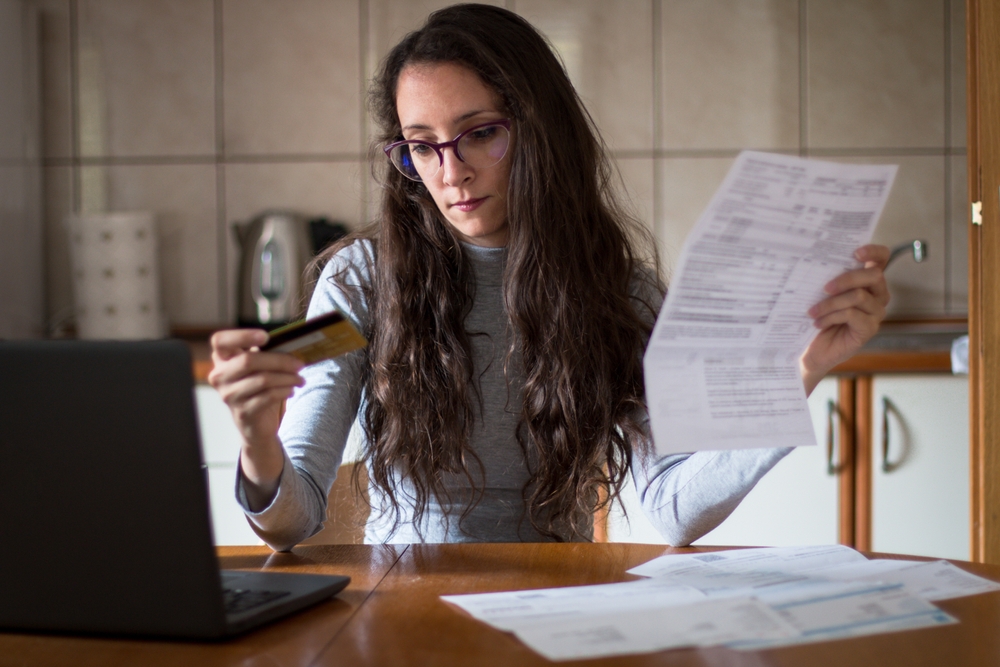
When you’re broke, the stress is logistical. You’re trying to solve problems, prioritize needs, and get through a tight period. Spending decisions are about survival and necessity.
Feeling broke turns spending into a moral issue. Even reasonable purchases can trigger guilt, self-judgment, or anxiety about being irresponsible. You might technically afford something, but emotionally it feels wrong, indulgent, or reckless. The money isn’t the real conflict—the internal permission to use it is.
4. Being Broke Is Often Situational, Feeling Broke Can Become Permanent

Most people who are actually broke can point to a reason. A job loss, a health issue, a move, a caregiving stretch, a bad year. There’s usually a clear “before” and “after,” even if the after takes time to arrive.
Data from the Federal Reserve shows that many Americans move in and out of financial precarity multiple times over their adult lives, rather than staying stuck in it forever. Feeling broke, however, often outlasts the situation that created it. Once your nervous system learns to expect scarcity, it doesn’t automatically stand down when circumstances improve.
5. Being Broke Changes Your Spending, Feeling Broke Changes Your Identity

When you’re broke, you change what you do. You delay purchases, cut back, get resourceful, and focus on essentials. Those behaviors are adaptive and usually temporary.
Feeling broke reshapes how you see yourself. You start thinking of yourself as someone who is “bad with money,” “never secure,” or “one mistake away from disaster,” even when the evidence no longer supports that story. Over time, that identity can be harder to shake than the original financial problem.
6. Being Broke Forces Engagement, Feeling Broke Encourages Avoidance

Actual financial shortfalls tend to force action. You call the credit card company, negotiate a bill, ask for an extension, or look for short-term solutions because ignoring the problem makes the consequences worse.
Behavioral finance research shows that perceived financial stress often leads to the opposite response. People who feel broke are more likely to avoid checking balances, opening statements, or making plans because engaging with money triggers anxiety and shame. That avoidance doesn’t protect them—it quietly keeps the feeling of being broke alive.
7. Being Broke Shows Up On Paper, Feeling Broke Shows Up In How You Talk
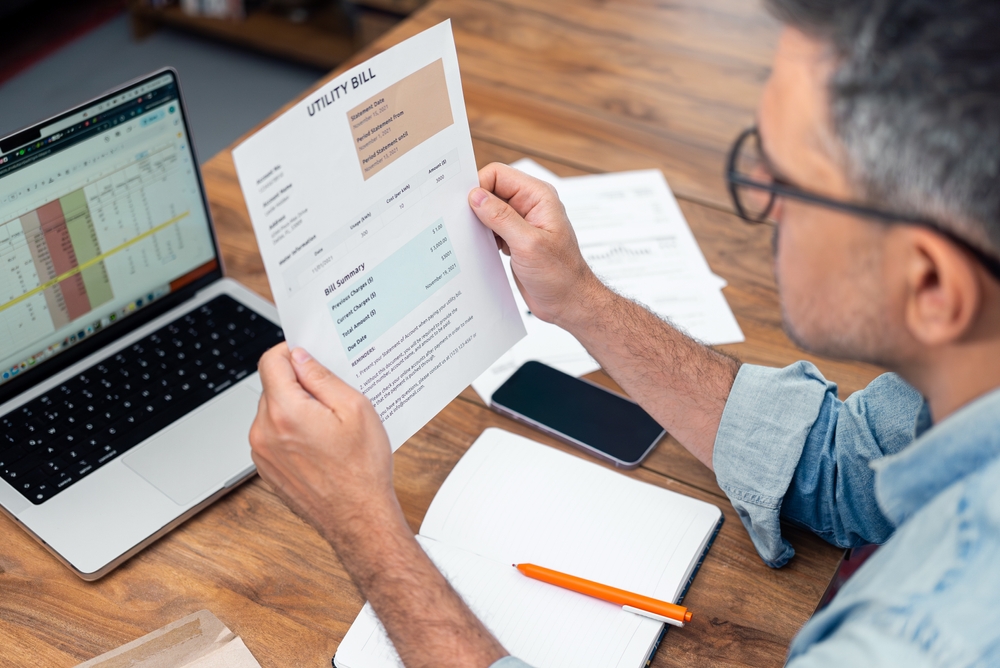
When someone is actually broke, the evidence is easy to find. Account balances are low, credit is tight, and due dates matter. The situation can be uncomfortable, but it’s at least concrete.
Feeling broke leaks out more subtly. It shows up in reflexive phrases like “I can’t afford that” before doing the math, or discomfort when others spend money casually. Over time, language becomes a kind of self-constraint, reinforcing a sense of limitation even when circumstances have changed.
8. Being Broke Is Often Shared, Feeling Broke Is Often Hidden

People who are truly broke tend to talk about it out of necessity. They explain constraints, ask for flexibility, or seek help because the situation requires outside awareness.
Research on financial shame and secrecy shows that people who feel broke are more likely to hide it, even from close friends or partners. They worry about judgment or appearing irresponsible, so they carry the stress alone. That isolation intensifies the feeling, making it harder to reality-check whether the fear is still warranted.
9. Being Broke Has Clear Boundaries, Feeling Broke Bleeds Into Everything
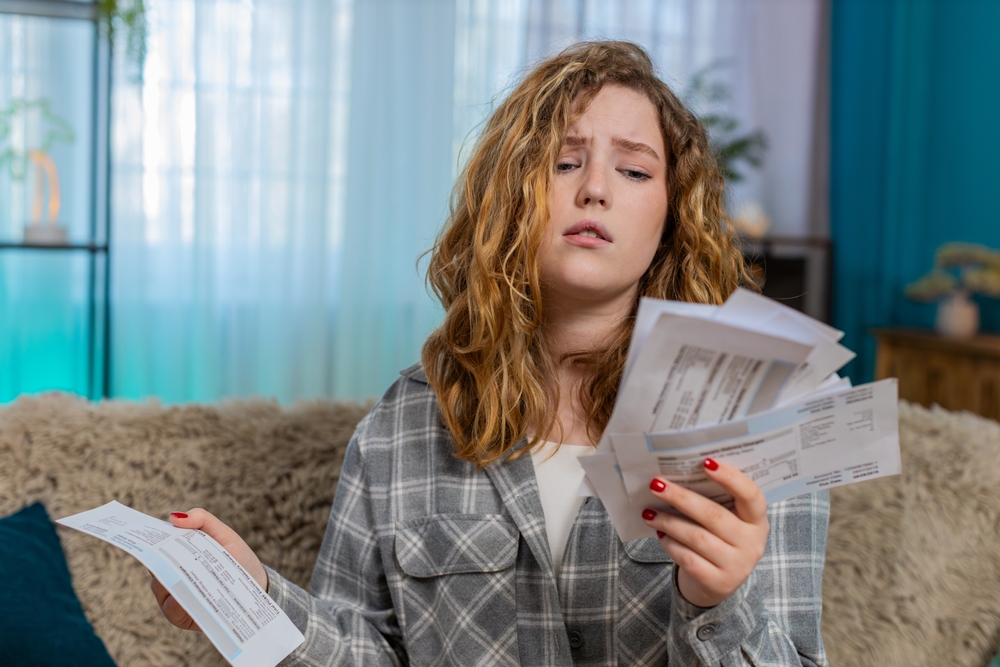
Being broke usually affects specific areas of life. You might restrict discretionary spending while still feeling steady in relationships, work, or self-worth.
Feeling broke doesn’t stay contained. It influences how much rest feels “allowed,” whether generosity feels safe, and how secure you feel in unrelated decisions. The financial anxiety becomes a background filter through which everything else is interpreted.
10. Being Broke Improves With More Money, Feeling Broke Often Doesn’t

When someone is genuinely broke, changes in income or expenses usually create noticeable relief. An extra paycheck, a lower bill, or financial support can materially change the situation and reduce stress.
Feeling broke doesn’t always respond to better numbers. Even as income rises, the sense of danger often just moves the goalposts. What once felt like “enough” starts to feel barely adequate, and the anxiety remains because the underlying fear was never about the amount—it was about safety.
11. Being Broke Creates External Pressure, Feeling Broke Creates Internal Rules

Being broke puts pressure on logistics. Deadlines, balances, and obligations create urgency from the outside, and once those pressures ease, the stress often does too.
Feeling broke creates an internal rulebook that’s much harder to escape. You police your spending, judge yourself harshly for small choices, and hold yourself to standards that no one else is enforcing. Even in moments of stability, those rules stay in place.
12. Being Broke Can Build Skills, Feeling Broke Can Stall Growth

Periods of real financial hardship often force people to become resourceful. They learn how to prioritize, negotiate, plan ahead, and adapt under pressure—skills that can serve them long after the hardship ends.
Feeling broke, however, can quietly limit ambition. People avoid asking for raises, investing in themselves, or pursuing opportunities because change feels dangerous. Staying small feels safer than risking the discomfort of growth, even when staying put carries its own costs.
13. Being Broke Is A Phase You’re In, Feeling Broke Becomes A Story You Live Inside

Being broke is something that happens to you. It has causes, conditions, and usually a path out, even if that path isn’t obvious right away. People move through it, sometimes more than once, without it defining who they are.
Feeling broke slowly turns into a personal narrative. You stop saying “I’m dealing with a tight period” and start thinking “this is just how my life works.” That story shapes decisions long after the numbers have changed, influencing what you reach for, what you avoid, and what you believe is realistic for you. Until that story is questioned, the feeling of being broke can persist even when the situation no longer exists.
This article is for informational purposes only and should not be construed as financial advice. Consult a financial professional before making investment or other financial decisions. The author and publisher make no warranties of any kind.