


In a world where prices seem to be spiraling ever upwards, it’s easy to feel like you’re being taken for a ride. Some items, despite their simplicity or abundance, are priced so steeply that you can’t help but question the logic. It’s not just about affordability; it’s about the apparent disconnect between value and cost that makes you wonder if you’re missing something. Here are 13 things in life that are inexplicably expensive, leaving you to ponder the mysteries of modern economics.
1. Baby Clothes

Few things are as adorable as tiny, fashionable baby outfits, but the price tags can make your heart skip a beat. These pieces, often outgrown in the blink of an eye, sometimes cost as much as an adult’s entire wardrobe. While the quality is marketed as superior, the fact remains that these clothes are often subjected to the same wear and tear—and bodily fluids—as any other. It’s a mind-boggling expense for something that will soon be too small.
What truly drives the cost up is the brand. The allure of dressing your little one in the latest designer trends can be hard to resist, but practicality often takes a back seat. You might find yourself questioning if the expense is worth the fleeting moment of fashion glory. In the end, it’s a personal choice that weighs sentiment against sensibility.
2. Bottled Water

You walk into a convenience store, parched and in need of hydration, and reach for a bottle of water. Instinctively, you wince at the price tag—sometimes more than a soda. It’s baffling that something as basic and abundant as water can cost so much, especially when tapped from municipal sources. The irony lies in paying a premium for what essentially flows for pennies from your kitchen faucet.
A report from the Pacific Institute highlights that bottled water costs up to 2,000 times more than tap water, despite similar quality standards. The allure of convenience and clever marketing about purity or added minerals often sway decisions. Yet, you’re left questioning the justification of such high prices for a product that is, at its core, just water. It’s a classic example of perception shaping market value.
3. Cable TV

The cable TV industry seems to have perfected the art of bundling channels you don’t want with the few you do. You end up paying a small fortune each month for the privilege of fast-forwarding through ads and scrolling past channels you never watch. As streaming services offer more targeted options, the traditional cable model feels increasingly outdated. Yet, for many, it remains a hefty, inescapable expense.
According to a report by Leichtman Research Group, cable prices have risen by about 3-5% annually over the past decade. This increase far outpaces inflation and wage growth, leaving many households shouldering a disproportionate entertainment cost. The rigidity of cable packages feels mismatched in an era of customization and choice. As you weigh your options, cutting the cord becomes an enticing proposition.
4. Airport Food

The minute you step into an airport, you enter a different pricing universe. A simple sandwich or a cup of coffee can cost double what you’d pay outside. The captive audience aspect means there’s little room for competitive pricing, and convenience fees are disguised as part of the travel experience. You’re paying not just for the food, but for the convenience of not having to leave the airport to eat.
This price surge is often due to higher operating costs for vendors, who pay premium rent for airport spaces. However, the incremental costs on consumers often feel disproportionately high. It’s an inflated system that you’ve come to begrudgingly accept as a part of modern air travel. Ultimately, the exorbitant pricing underscores the lack of alternatives when you’re miles from your usual haunts.
5. College Textbooks

Every semester, students recoil at the sight of their textbook bill. The cost of textbooks can rival tuition, with some single books priced at hundreds of dollars. Despite the digital age, traditional textbooks remain staggeringly expensive, primarily due to frequent new editions and limited competition. It’s a frustrating cycle, especially when the content changes minimally, if at all.
The National Association of College Stores reports that the price of textbooks has risen over 1,000% since the 1970s. Publishers argue that high costs are due to production quality and the effort involved in keeping content up-to-date. However, many students and educators are turning to open educational resources (OER) as a cost-effective alternative. This growing movement reflects a demand for more affordable educational materials.
6. Health Insurance

Healthcare is a necessity, yet the cost of health insurance can be dauntingly high. Premiums continue to rise, often outpacing wage growth, leaving many to question the system’s sustainability. The complexity of plans and coverage often adds to the frustration, as you navigate co-pays, deductibles, and in-network restrictions. It feels like a system designed more for confusion than care.
Many factors contribute to these high costs, including administrative expenses, high provider rates, and pharmaceutical prices. Despite these reasons, the burden on you as a consumer can feel overwhelming. The inefficiencies and opacity of the system only serve to exacerbate the issue. It’s a costly reminder of the challenges within the healthcare industry.
7. Regular Weddings

Your wedding day is often hailed as one of the most important days of your life, and the industry knows it. The cost of weddings has ballooned, with the average nuptial ceremony now often running into the tens of thousands of dollars. Venues, catering, attire, and photography quickly add up, often surpassing budgets in the quest for a perfect day. It’s a significant financial commitment for an event that lasts mere hours.
According to The Knot’s annual survey, the average wedding cost is around $30,000, a figure that doesn’t include the honeymoon. The cultural and social pressures to deliver a ‘dream wedding’ contribute heavily to this expense. Yet, many couples find themselves wondering if the financial stress is worth the fleeting glamour. Alternatives, like intimate ceremonies or destination weddings, are gaining traction as more budget-friendly options.
8. Printer Ink
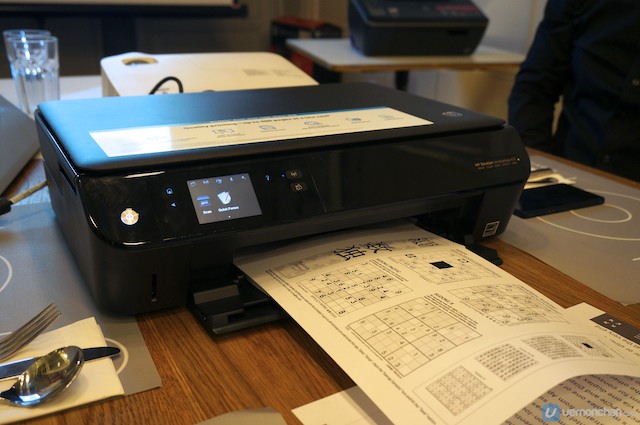
You’ve probably experienced the frustration of buying a printer for a reasonable price, only to find that replacing the ink costs nearly as much. Printer ink is notoriously expensive, often priced at thousands of dollars per gallon when broken down. It’s a classic case of the razor-and-blades business model, where the initial purchase is cheap, but the consumables are pricey. The high cost of ink feels like a constant financial trap.
Manufacturers claim that research and development, as well as the precision involved in ink production, justify the price. However, alternative brands and refilling services suggest the market can sustain lower-priced options. The discrepancy leaves you questioning the true cost of your convenience. It’s a perpetual balancing act between quality and expense.
9. Hotel Minibars
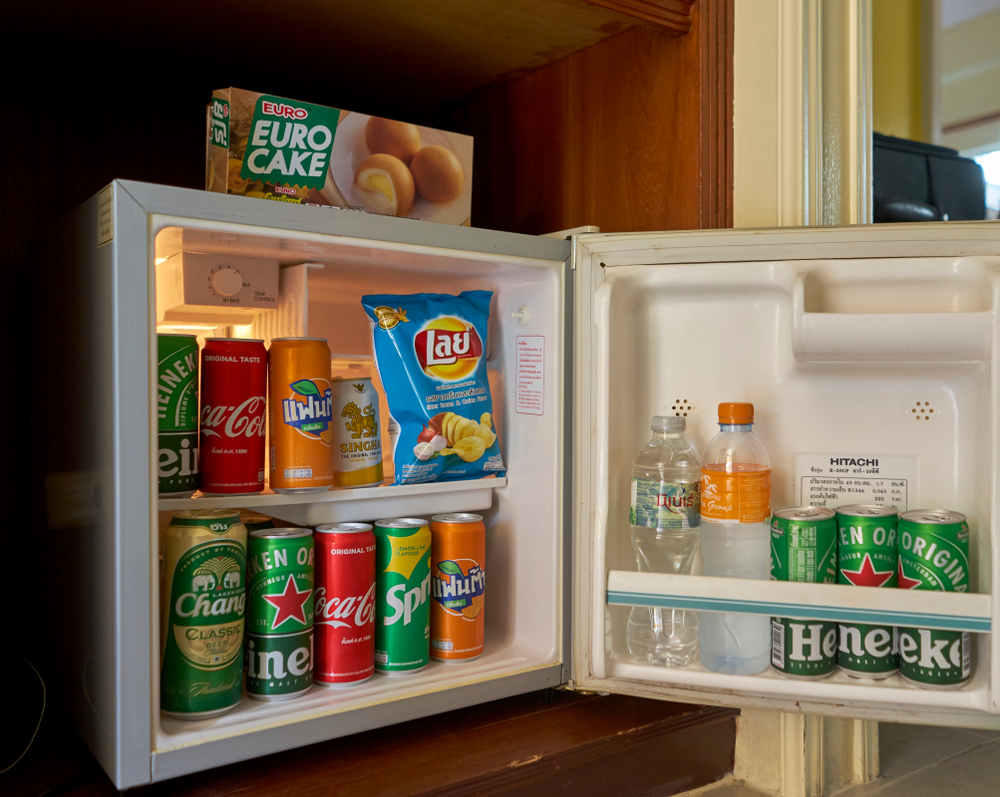
Hotel minibars are infamous for their sky-high prices. A small bottle of soda or a bag of chips can cost more than a full meal elsewhere. You’re effectively paying for the convenience of not having to leave your room, but it often feels like an overpriced indulgence. The mini-fridge might as well come with a warning label about the potential for sticker shock.
Hotels justify these prices with the costs of stocking, maintaining, and staffing. Yet, many guests find themselves opting to bring their own snacks or use room service instead. It’s a trade-off between convenience and cost that leaves you weighing your options every time you open that door. The experience serves as a reminder of the curious economics of hospitality.
10. Gym Memberships

Joining a gym seems like a step toward better health, but the cost can be a hurdle. Monthly membership fees can add up, especially when factoring in initiation fees and annual maintenance charges. While some facilities offer state-of-the-art equipment and classes, the price often exceeds what many people actually use. You might find yourself questioning the value of your investment.
The fitness industry capitalizes on New Year’s resolutions and the pursuit of wellness, often locking you into long-term contracts. Yet, many find more affordable alternatives like home workouts or outdoor activities. The decision often boils down to personal priorities and convenience. Ultimately, it’s about finding a balance between motivation and financial outlay.
11. Name-Brand Meds

The price disparity between name-brand and generic pharmaceuticals can be staggering. While the active ingredients are often identical, the cost of name-brand medications can be significantly higher. This price difference is typically attributed to the original manufacturer recouping research and development costs. But for consumers, the justification doesn’t lessen the financial impact.
Consumers often face a dilemma between the trust associated with name brands and the affordability of generics. Despite equivalency, hesitation can linger regarding effectiveness and quality. The complexity of pharmacy benefits further complicates the matter. It’s a recurring decision point that blends health with economics.
12. Concert Tickets

Experiencing your favorite artist live is unparalleled, but the cost of admission can be eye-watering. Ticket prices have escalated dramatically, often leaving you with a choice between nosebleed seats or financial strain. The secondary market exacerbates this, with scalpers driving up prices even further. It becomes a question of whether the live experience is worth the premium.
Many factors contribute to these costs, including production expenses and market demand. However, the rise of dynamic pricing and service fees adds extra layers of expense. For many fans, the decision involves weighing nostalgia against financial prudence. The spontaneity of attending a concert is often replaced by strategic planning and budgeting.
13. Organic Produce

The organic label carries an aura of health and sustainability, but it often comes with a heftier price tag. Organic produce can be significantly more expensive than its conventional counterparts. While the benefits of fewer pesticides and environmentally friendly practices are marketed heavily, the cost can be a barrier for many. The premium pricing can make a healthy lifestyle feel exclusive.
Factors such as higher production costs, labor-intensive practices, and certification fees contribute to the added expense. Yet, for consumers, the gap between intention and affordability can feel wide. The choices often involve balancing health benefits against financial constraints. It’s a reflection of the broader challenge of making sustainable choices accessible to all.
This article is for informational purposes only and should not be construed as financial advice. Consult a financial professional before making investment or other financial decisions. The author and publisher make no warranties of any kind.