


Millennials and baby boomers often find themselves at odds over spending habits, and each generation has their own unique perspective on what’s worth the money. While boomers may prioritize tangible investments and long-term stability, millennials often focus on experiences and conveniences that enhance their daily lives. This list delves into 13 things millennials commonly spend money on that might leave boomers scratching their heads.
1. Trendy Subscription Service

Millennials have made subscription services a part of their everyday lives, paying monthly fees for everything from streaming platforms to meal kits. The appeal lies in convenience and the ability to personalize choices, which aligns with their desire for curated experiences. According to a report by McKinsey & Company, the subscription e-commerce market has grown over 100% annually in the past five years, with millennials leading this charge. It’s not just about consuming content or products; it’s about accessing a lifestyle where everything is on-demand.
For boomers, this constant drip of payments may feel unnecessary or excessive. They often prefer the one-time purchase model, seeing it as more economical and straightforward. To them, the idea of paying perpetually for something like weekly meal kits or multiple streaming services seems like a waste. However, millennials value the flexibility and variety these services offer, making them a staple in their spending habits.
2. Experiences Over Concrete Investments

Millennials put a premium on experiences, whether it’s traveling to exotic locations, attending music festivals, or taking part in unique workshops. This preference reflects a broader trend towards valuing memories and personal development over material goods. For them, life’s richness is measured in stories and experiences rather than possessions. It’s a philosophy that echoes through their social media feeds, populated with snapshots of new adventures.
Boomers, on the other hand, often prioritize tangible assets like real estate or vehicles. Their financial philosophy tends to focus on building a nest egg and securing long-term stability. For them, spending on transient experiences can seem frivolous or indulgent. However, millennials argue that these experiences contribute to personal growth and offer a way to break away from the conventional life path.
3. New Technology and Gadgets

Millennials are quick to adopt the latest tech gadgets, from smart home devices to wearable tech. This eagerness is driven by a comfort with technology and a desire to stay connected and efficient. According to a survey by Pew Research Center, millennials are significantly more likely than older generations to own smartphones and use them for a variety of tasks beyond calling and texting. They see technology as an essential tool for enhancing productivity and lifestyle.
To boomers, the constant upgrading of gadgets can seem like an endless cycle of consumerism. Many prefer to use devices until they are truly outdated, viewing frequent upgrades as unnecessary. Their slower adoption of new tech sometimes stems from a lack of familiarity or interest. Meanwhile, millennials view these purchases as investments in their daily convenience and connectivity.
4. Fitness and Wellness Programs

Investing in health and wellness is a priority for millennials, who often spend on gym memberships, yoga classes, and wellness retreats. They view these expenses as essential for maintaining both physical and mental health. This generation places a high value on work-life balance and self-care, often seeking out activities that promise stress relief and holistic well-being. For them, wellness is not just a trend; it’s a lifestyle choice.
Boomers, however, may see these expenditures as non-essential, preferring traditional routes like walking or swimming, activities that usually require less financial investment. For them, staying healthy doesn’t necessarily mean investing in pricey wellness programs. Many prioritize savings and practicality over the latest fitness craze. Millennials, on the other hand, see this spending as a necessary commitment to their long-term health.
5. Dining Out and Food Delivery

Eating out and ordering in are common habits for millennials, who are willing to spend on convenience and culinary experiences. This generation often prefers the social and experiential aspects of dining, as well as the sheer convenience of having meals delivered. According to a report by Morgan Stanley, millennials are the largest group contributing to the growth of the food delivery market. Their fast-paced lifestyles and appreciation for diverse cuisines drive this spending pattern.
Boomers may find frequent dining out and food delivery to be unnecessary luxuries. They often prioritize home-cooked meals, viewing them as healthier and more budget-friendly. For them, food is primarily sustenance rather than an experience. Millennials, however, are willing to pay for the convenience and the opportunity to explore different culinary traditions without leaving home.
6. Expensive Fashion Pieces

Millennials are known for spending on fashion, often opting for brands that align with their values, such as sustainability and ethical production. They see clothing as an expression of their identity and are willing to pay for pieces that reflect this. For them, personal style is a dynamic form of self-expression, and they often value quality over quantity. This has led to the rise of niche brands that cater specifically to millennial tastes.
Boomers might view this spending as extravagant, more inclined to prioritize practicality over trendiness. They may prefer classic styles that promise longevity and utility. For them, the idea of updating a wardrobe to match current trends can seem wasteful. Millennials, however, argue that fashion is an investment in self-confidence and personal branding.
7. Eco-Friendly Products

Millennials are increasingly prioritizing sustainability in their purchasing decisions, often opting for eco-friendly products even if they come at a premium. This is driven by a strong sense of environmental responsibility and a desire to make positive impacts through their consumer choices. A Nielsen report found that nearly 75% of millennials are willing to pay extra for sustainable offerings. These choices reflect a broader commitment to ethical consumption and environmental stewardship.
Boomers may be skeptical of the premium prices on sustainable products, often questioning their true effectiveness or necessity. Their buying habits were generally formed in an era where price and convenience were king. Yet, millennials feel a strong moral imperative to support brands that align with their values, viewing these purchases as part of a larger movement towards a more sustainable future. This generational divide highlights differing priorities when it comes to consumerism.
8. Content Creation and Social Media
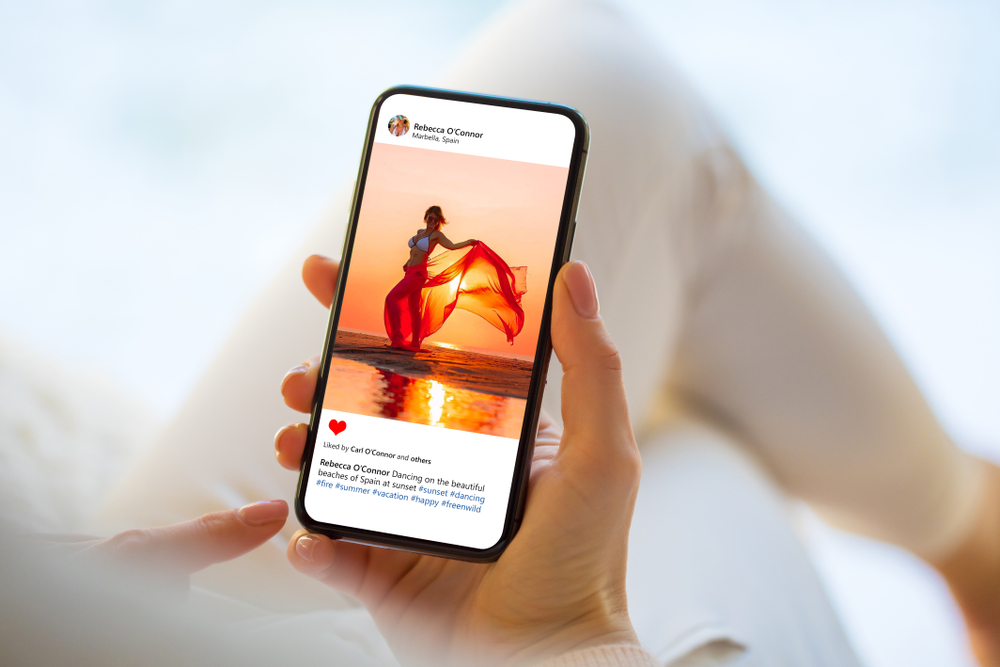
Maintaining an active and polished online presence is a priority for many millennials, who often invest in social media enhancements and content creation. They recognize the power of a well-curated digital footprint, which can impact everything from personal branding to professional opportunities. This investment often includes spending on photography, software, and even professional consultations to optimize their online profiles. For them, social media is not just a pastime—it’s part of their personal and professional toolkit.
Boomers might see this focus on social media as overblown, preferring to keep their online activities minimal. They often view social media as a casual way to stay in touch with friends and family rather than a platform for self-promotion. To them, the idea of spending money to enhance an online presence can seem unnecessary. However, millennials see these efforts as crucial in a digital age where first impressions are increasingly made online.
9. Education and Skill Development

Millennials are committed to lifelong learning, frequently investing in courses and workshops to develop new skills. This generation values education as a tool for personal growth and career advancement. They’re willing to spend on everything from coding boot camps to creative writing classes, recognizing the value of adapting to a rapidly changing job market. For them, education is a continuous journey rather than a destination.
Boomers may not always understand this willingness to spend on ongoing education, having often viewed formal education as something completed early in life. They might prioritize job stability and practical experience over new credentials. For them, the idea of paying for additional learning can seem unnecessary once a career path is established. Millennials, however, argue that continuous learning is crucial for staying relevant and competitive in today’s world.
10. Bougie Pet Care Products

For many millennials, pets are considered part of the family, and they’re willing to spend on premium pet food, grooming, and pet-friendly travel. This generation often prioritizes the health and happiness of their pets, seeing these expenses as essentials rather than luxuries. For them, investing in high-quality pet products is part of ensuring their furry friends lead a long and healthy life. The pet industry has responded with a wide range of products and services tailored to this demographic.
Boomers may view this level of spending on pets as excessive, having typically grown up in an era where pets were more often seen as companions rather than family members. They might prioritize basic care over premium products. For them, the idea of spending heavily on pet luxuries can seem extravagant. Millennials, however, see these expenditures as an expression of love and responsibility towards their pets.
11. Global Travel and Adventure

Travel is a top priority for millennials, who often dedicate significant portions of their budget to exploring new places. They value experiences over material possessions, and travel offers them the chance to learn about different cultures and gain new perspectives. This generation often seeks out unique, off-the-beaten-path destinations and prides itself on being well-traveled. For them, travel is an essential part of personal growth and fulfillment.
Boomers may see frequent travel as financially impractical, often prioritizing savings and investments. They might prefer more traditional vacation spots and methods of travel, seeing them as safer and more economical. For them, the idea of spending heavily on travel can seem like an indulgent use of funds. Millennials, however, argue that travel enriches their lives and broadens their worldview.
12. Home Decor Updates

Millennials are known for investing in home decor, often seeking out pieces that reflect their personal style and values. They prioritize creating living spaces that are not only functional but also aesthetically pleasing and reflective of their individuality. For them, a well-decorated home is a sanctuary and a reflection of their lifestyle. They often opt for decor items that have a story or meaning behind them.
Boomers might see this focus on home aesthetics as unnecessary, having often grown up in homes where functionality was prioritized over style. They might prefer classic, durable furnishings that promise longevity and practicality. For them, the idea of frequently updating home decor can seem wasteful. Millennials, however, argue that their home environment significantly contributes to their overall happiness and well-being.
This article is for informational purposes only and should not be construed as financial advice. Consult a financial professional before making investment or other financial decisions. The author and publisher make no warranties of any kind.