


Understanding SNAP (Supplemental Nutrition Assistance Program) benefits can be a bit like trying to solve a puzzle. You might think you know the basics, but there are hidden details and surprising facts that most people are unaware of. From eligibility nuances to how these benefits actually impact the economy, SNAP is more than just a safety net. Here are 13 things you probably didn’t know about SNAP benefits that could change the way you think about this essential program and the people who receive it.
1. SNAP Benefits Aren’t Just For Unemployed People

Many people assume that SNAP benefits are only for the unemployed, but that’s far from true. A significant percentage of SNAP recipients are actually employed but earn wages that are too low to sustain their households adequately. In fact, according to the Center on Budget and Policy Priorities, about 43% of all SNAP participants live in a household with someone who is earning a wage. This demonstrates that SNAP serves as a critical support system for working families who might otherwise struggle to make ends meet.
The misconception that SNAP is only for those without jobs can stigmatize recipients, making them feel less motivated to apply for the assistance they need. SNAP benefits are designed to supplement income, not replace it, which can be crucial for those who work in low-paying jobs. Understanding this aspect of SNAP can help foster a more supportive community perspective. It’s a reminder that many people are doing their best, and SNAP is there to help bridge the gap.
2. The Application Process Can Be Surprisingly Quick

When you think of government assistance, you might imagine a lengthy, bureaucratic process. However, the SNAP application process can be quicker than you’d expect. In many states, the process can be completed online, and applicants receive a response within 30 days. For those in urgent need, there’s an option for expedited services, which can provide benefits in as little as seven days.
This efficient process is crucial for people who suddenly find themselves in a financial crisis, such as job loss or unexpected medical expenses. Knowing that help can arrive swiftly alleviates a significant amount of stress. Additionally, the online application process is user-friendly, ensuring that people from various backgrounds can apply with ease. The quick turnaround time shows that the system understands the urgency of food security.
3. SNAP Boosts Local Economies
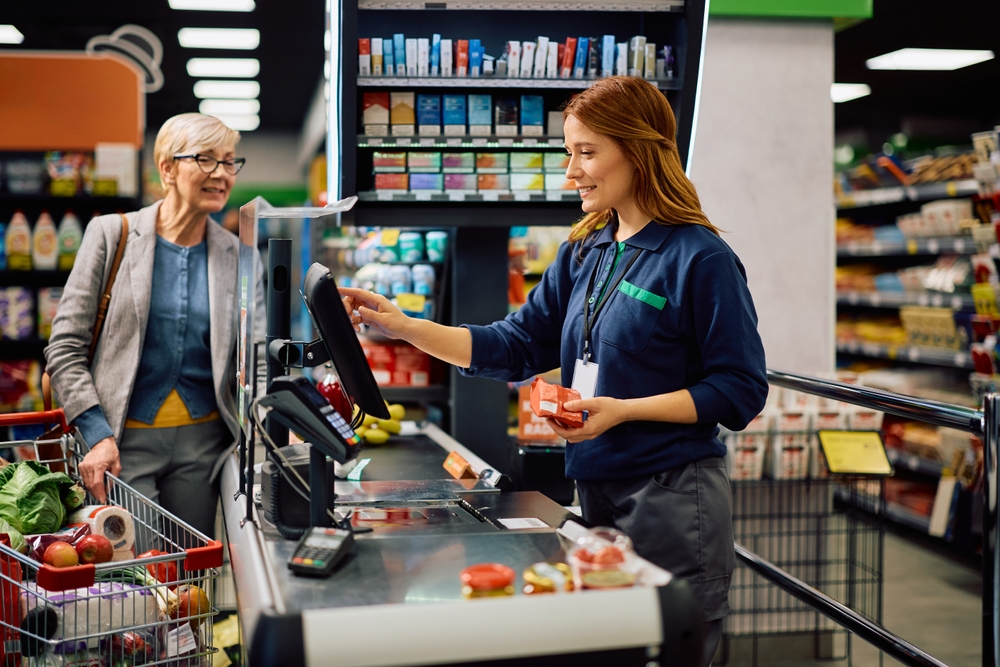
One lesser-known fact about SNAP is its positive impact on local economies. When people receive SNAP benefits, they spend them at local grocery stores and farmers’ markets, injecting money into the economy. According to a USDA report, every dollar in SNAP benefits generates about $1.50 in economic activity. This ripple effect supports local jobs and helps stabilize communities, especially during economic downturns.
The economic stimulus provided by SNAP is often overlooked in public discussions about the program. By increasing the purchasing power of low-income households, SNAP helps sustain demand for goods and services. This demand encourages businesses to hire more employees and invest in growth. Understanding this economic impact can change the narrative around SNAP from one of dependency to one of community support and economic vitality.
4. SNAP Is More Than Just Groceries

While SNAP is primarily known for helping people buy groceries, the benefits extend beyond just putting food on the table. SNAP can influence a household’s overall budget, allowing them to allocate more funds to essential needs like housing, healthcare, and education. This flexibility can significantly improve a family’s quality of life, reducing stress and increasing stability.
Moreover, SNAP benefits can encourage healthier eating habits by making nutritious food more accessible. With programs that double the value of SNAP dollars at farmers’ markets, families have greater access to fresh produce. This not only supports better health outcomes but also introduces children to healthier food choices early on. By addressing both food security and nutrition, SNAP serves a dual purpose in enhancing well-being.
5. College Students Might Be Eligible

You might be surprised to learn that some college students qualify for SNAP benefits. While there are specific requirements, such as working at least 20 hours a week or being parents, students can still access this essential support. A report by the Government Accountability Office found that millions of eligible students are not taking advantage of this resource. SNAP can help students focus on their education by alleviating food insecurity and financial stress.
The misconception that college students are always financially supported by their families can prevent them from seeking the help they need. In reality, many students are financially independent and juggling multiple responsibilities. SNAP provides a way for students to maintain a healthy diet while managing tuition and living expenses. This support can be pivotal in ensuring academic success.
6. There Are Special Provisions For The Elderly And Disabled

SNAP benefits also include provisions tailored to meet the needs of the elderly and disabled. These groups may have different eligibility requirements and can sometimes receive a higher level of assistance. For example, households with elderly or disabled members are exempt from certain work requirements. Additionally, they can qualify for medical deductions that can increase their benefit amounts.
Recognizing the specific needs of these populations is crucial for ensuring they receive adequate support. The cost of living for the elderly and disabled often includes medical expenses that can strain a limited budget. SNAP acknowledges these unique challenges and adjusts accordingly. This flexibility ensures that vulnerable populations are not left behind.
7. SNAP Helps Kids Perform Better In School

SNAP benefits have a direct correlation to improved academic performance in children. Food insecurity can lead to poor concentration, increased absenteeism, and lower academic achievement. According to research from the National Bureau of Economic Research, access to SNAP benefits is associated with higher high school graduation rates and better health outcomes for children. By providing consistent access to nutritious meals, SNAP helps create a stable environment conducive to learning.
When children are well-fed, they are more likely to engage with their lessons and participate actively in class. This can lead to long-term positive effects on their educational journey and future opportunities. The benefits extend beyond academics; well-nourished children are also better equipped to form social connections and develop emotionally. Investing in SNAP is an investment in a brighter future for the next generation.
8. You Can Use SNAP At Farmers’ Markets
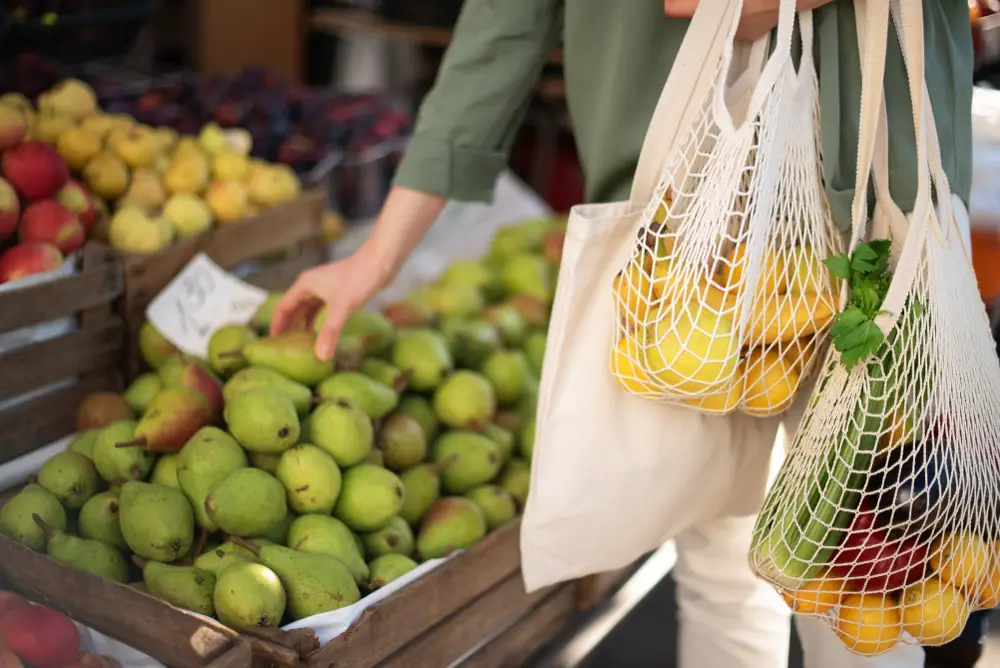
Did you know SNAP benefits can be used at farmers’ markets? Many farmers’ markets across the country accept SNAP, and some even offer programs that match or double your benefits. This means you can stretch your SNAP dollars further while supporting local agriculture. Access to fresh, seasonal produce not only promotes healthier eating habits but also strengthens community ties.
The ability to use SNAP at farmers’ markets is a win-win for both recipients and local farmers. It encourages sustainable agriculture and makes it easier for families to incorporate fresh fruits and vegetables into their diets. Additionally, shopping at farmers’ markets can be a fun, educational experience for children. This initiative helps break down the barriers to accessing fresh food and makes it a viable option for everyone.
9. SNAP Benefits Are Protected From Fraud

SNAP is often scrutinized for potential fraud, but the program has robust measures in place to prevent and detect misuse. The USDA has implemented advanced technology and data analysis to monitor transactions and identify suspicious activity. While fraud does occur, it is relatively low compared to the overall participation rate. The USDA reports that the trafficking rate is about 1.5%, which is minimal in the grand scheme of the program.
The perception of widespread fraud can undermine public support for SNAP, but the reality is that the program is constantly evolving to enhance its integrity. These measures ensure that benefits are reaching the people who truly need them. By maintaining strict oversight, SNAP remains a reliable and effective source of support. It’s important to recognize the program’s efforts to maintain credibility and trust.
10. SNAP Has Built-In Nutritional Guidelines

SNAP isn’t just about providing food; it’s also about promoting nutrition. The program encourages the purchase of healthy foods by excluding certain items like alcohol and hot prepared meals. Some states have even introduced initiatives to incentivize the purchase of fruits and vegetables. These nutritional guidelines aim to improve the overall health of recipients by fostering better eating habits.
By focusing on nutrition, SNAP plays a crucial role in combating diet-related health issues such as obesity and diabetes. Encouraging healthier choices can have a long-term positive impact on public health. These guidelines also promote awareness about the importance of balanced nutrition. SNAP’s focus on health extends its benefits beyond immediate hunger relief.
11. Benefits Are Delivered Via EBT Card
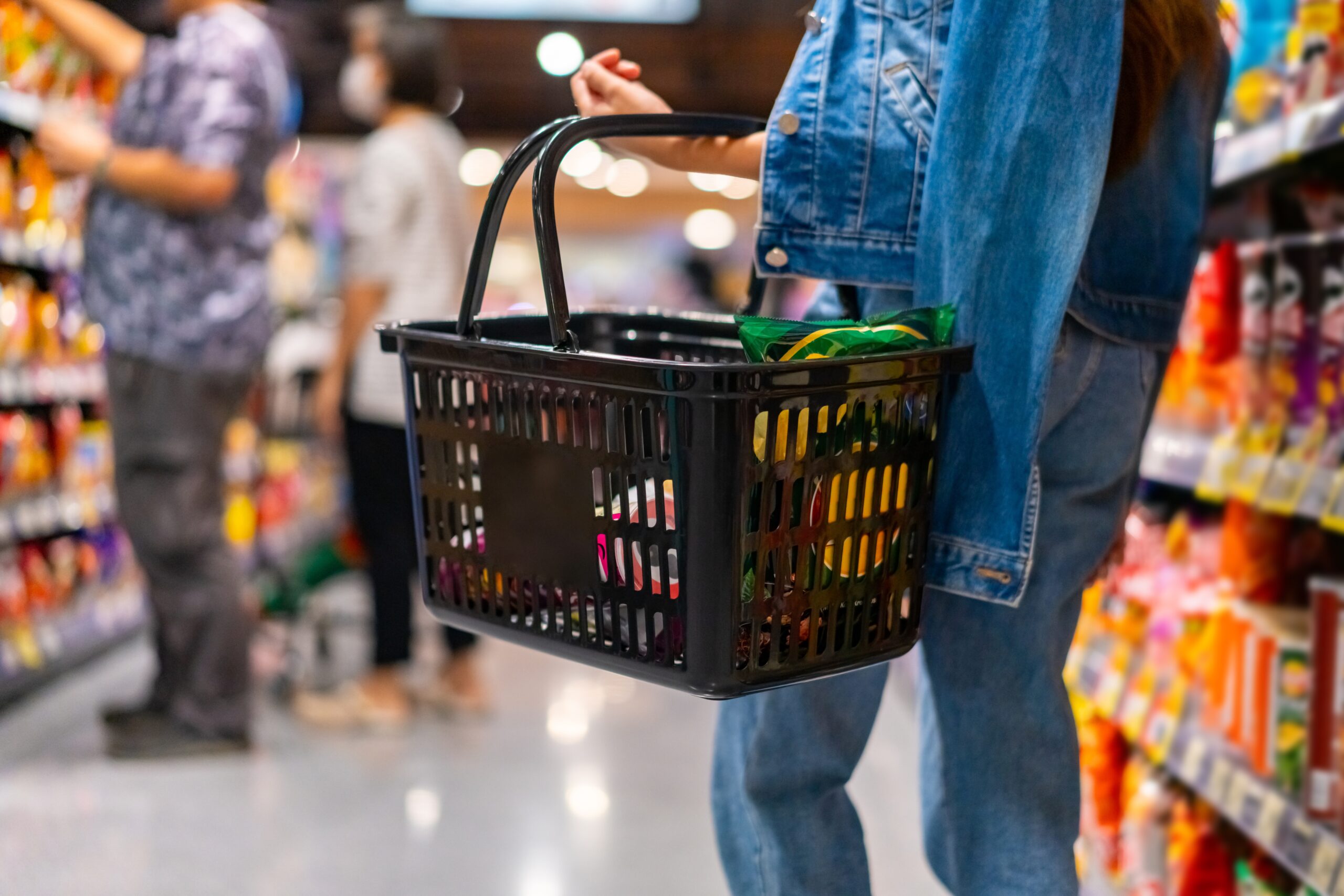
Gone are the days of paper food stamps; SNAP benefits are now distributed through an Electronic Benefit Transfer (EBT) card. This card works like a debit card and can be used at participating stores, making transactions discreet and easy. The switch to EBT cards also improves security and reduces the stigma associated with using SNAP benefits. It ensures that recipients can shop with dignity and privacy.
The EBT system also allows for better tracking and management of benefits, reducing the risk of fraud. Recipients can easily check their balance and transaction history, helping them budget their benefits throughout the month. This modernized approach to benefit delivery reflects a shift toward a more respectful and efficient system. It’s a small change that makes a big difference in the lives of SNAP recipients.
12. You Can Apply For SNAP Based On Gross And Net Income
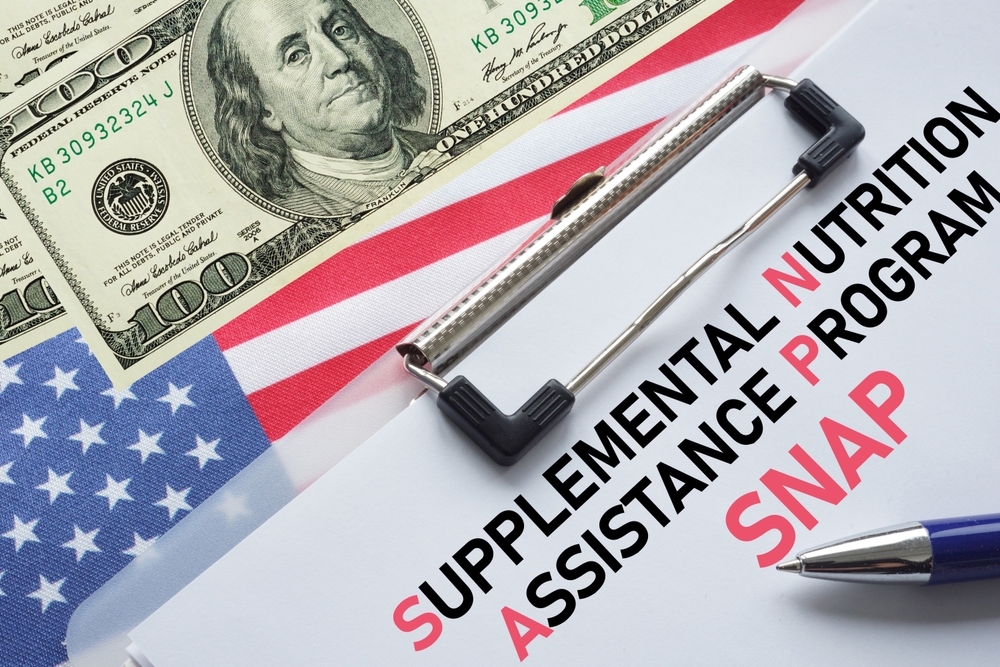
Understanding the income eligibility requirements for SNAP can be confusing, but it’s important to know that both gross and net incomes are considered. Gross income is the total income before any deductions, while net income accounts for allowable deductions like housing and childcare costs. Most households must meet both gross and net income limits, but households with elderly or disabled members only need to meet the net income limit. This distinction helps ensure that the most vulnerable populations receive the support they need.
The dual income requirement ensures a fair assessment of a household’s financial situation. By considering deductions, SNAP acknowledges that expenses like rent and medical bills can significantly impact disposable income. This nuanced approach helps tailor the program to meet the diverse needs of recipients. It ensures that support is targeted accurately and effectively.
13. SNAP Benefits Are Adjusted For Inflation

SNAP benefits are not static; they adjust annually to reflect changes in the cost of living. This adjustment is based on the Thrifty Food Plan, which estimates the cost of a nutritious diet at minimal cost. By aligning benefit amounts with inflation, SNAP ensures that recipients maintain their purchasing power despite economic shifts. This adaptation is crucial for keeping pace with rising food costs and other living expenses.
The annual adjustment process helps safeguard recipients from the negative impacts of inflation. As prices increase, SNAP benefits are recalibrated to ensure continued access to adequate nutrition. This proactive approach demonstrates a commitment to the ongoing relevance and effectiveness of the program. SNAP’s responsiveness to economic changes reflects its role as a dynamic and essential support system.
This article is for informational purposes only and should not be construed as financial advice. Consult a financial professional before making investment or other financial decisions. The author and publisher make no warranties of any kind.