


Finding an affordable apartment in New York City may feel like chasing a mirage, but the new mayor is taking bold steps to turn that dream into reality. With rents soaring and housing shortages becoming the norm, it’s high time for innovative solutions that offer the relief many New Yorkers are desperately seeking. From policy reforms to community initiatives, let’s delve into the 13 strategies the new mayor is implementing to tackle the Big Apple’s affordability crisis head-on.
1. Expanding Rent Control Programs

Rent control has been a contentious topic, but the mayor is pushing to expand these programs to prevent further displacement. This move aims to cap the skyrocketing rents, offering tenants a safety net against abrupt increases. By broadening the criteria for rent control, more New Yorkers can enjoy stability in what’s often a shaky rental market. It’s a step towards ensuring long-term affordability in a city known for its high cost of living.
A study from the Urban Institute highlights how rent control can alleviate housing instability, which is crucial in a city like NYC where the demand far exceeds the supply. While critics argue about potential downsides, the focus is on creating a balanced approach that safeguards tenants while ensuring landlords can maintain their properties. The plan includes revisiting existing policies to ensure they remain effective and relevant in today’s economic climate. It’s about finding a middle ground where both renters and property owners can coexist harmoniously.
2. Prioritizing Affordable Housing Developments

The mayor is laser-focused on increasing the number of affordable housing units across the city. By fast-tracking developments and cutting through red tape, more projects can get off the ground faster than ever before. This doesn’t just mean building more buildings; it means ensuring these new homes are accessible and truly affordable for the average New Yorker. It’s a promise to not only create housing but also to create communities.
One of the mayor’s strategies involves collaborating with private developers while ensuring strict adherence to affordability criteria. By offering incentives for developers to include affordable units in their projects, the city aims to create a robust stock of housing that caters to diverse income levels. This approach is designed to prevent the concentration of wealth and poverty, instead fostering a mixed-income environment. It’s not just about quantity but also about quality and inclusivity.
3. Incentivizing Landlords to Keep Rents Down

To encourage landlords to keep rents manageable, the mayor is rolling out new incentives. These might include tax breaks or subsidies for those who agree to cap their rents below market value. It’s a strategic move aimed at creating a win-win situation where landlords benefit financially while tenants enjoy more affordable housing options. This effort underscores the importance of collaboration between the city and the private sector.
According to housing expert Ingrid Gould Ellen of NYU’s Furman Center, incentivizing landlords can be an effective tool in curbing rising rents. By making it financially appealing for landlords to participate in affordability programs, the city hopes to expand its reach without imposing heavy-handed regulations. This approach not only helps stabilize the rental market but also fosters goodwill between property owners and tenants. It’s about creating a sustainable model that benefits all parties involved.
4. Revamping Public Housing Initiatives

Public housing has long been a cornerstone of affordability in NYC, and the mayor is committed to revamping these initiatives. By investing in renovations and modernizations, the goal is to improve living conditions and expand the capacity of existing public housing. This means tackling maintenance backlogs and ensuring these properties are safe and livable. It’s a recognition that public housing should not be a last resort but a viable option for many.
Part of this revamp involves increasing transparency and accountability in public housing operations. The mayor is pushing for reforms that ensure funds are used effectively and that residents have a voice in how their communities are managed. By prioritizing resident engagement, the city hopes to foster a sense of ownership and pride among those living in public housing. It’s about creating a more equitable and inclusive system that serves its residents better.
5. Supporting Community Land Trusts

The mayor is championing the creation and support of community land trusts (CLTs) as a way to keep housing affordable long-term. These nonprofit organizations acquire and manage land, ensuring that it remains in community hands and is used for affordable housing and other community benefits. It’s an innovative approach that divorces land ownership from housing, helping to curb speculative pricing. By empowering communities to take control, CLTs offer stability and sustainability.
Research by the Lincoln Institute of Land Policy indicates that CLTs can effectively maintain affordability while fostering community engagement. The mayor’s plan includes providing resources and support to existing and new CLTs, encouraging them to expand their reach. This initiative is about more than just housing; it’s about building empowered communities with a stake in their future. It’s a bold vision for making affordability a permanent fixture in NYC’s housing landscape.
6. Reforming Zoning Laws
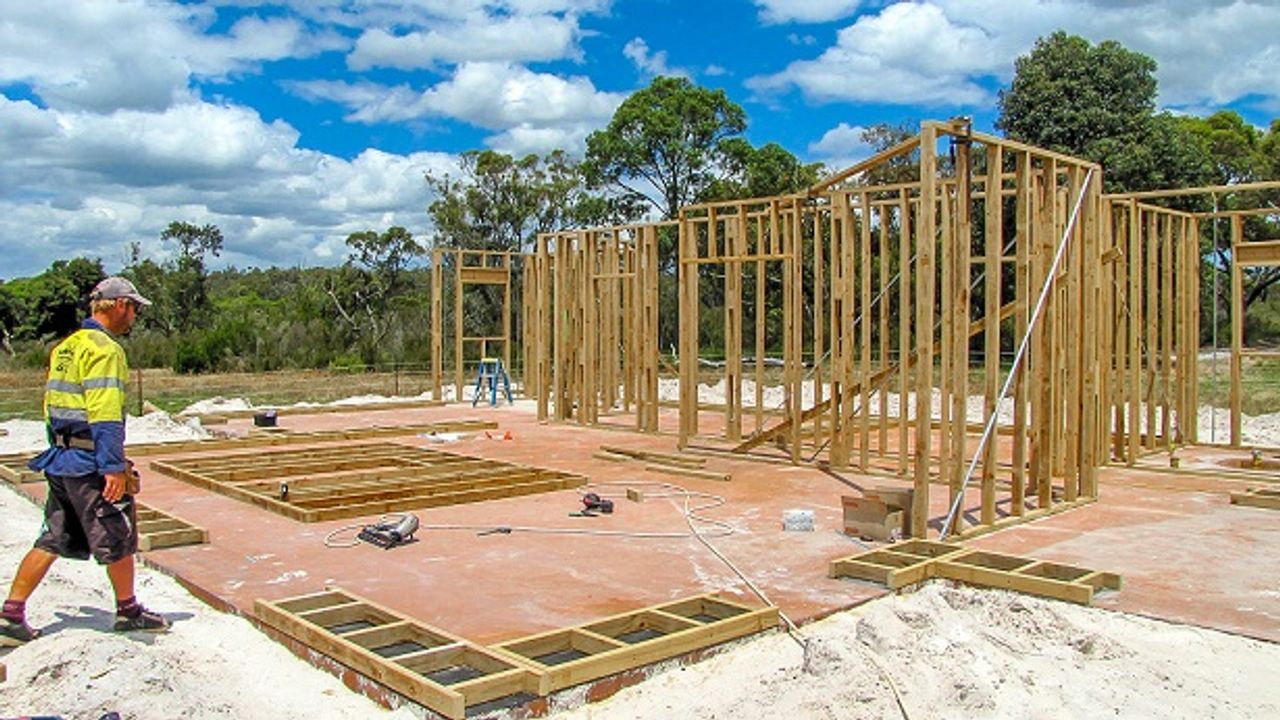
Zoning laws often dictate what can be built and where, and the mayor is keen on reforming these regulations to encourage more affordable housing developments. By adjusting zoning codes, the city can open up new areas for residential development, particularly in underutilized commercial zones. This could lead to an increase in available housing, helping to alleviate demand pressures. It’s a strategic move to make better use of the city’s limited space.
The proposed changes aim to balance the needs of development with the preservation of neighborhood character. This means working closely with communities to ensure new projects align with local needs and aesthetics. By allowing for higher density in transit-rich areas, the city hopes to create vibrant, interconnected neighborhoods. It’s about smart growth that respects the city’s past while looking forward to its future.
7. Implementing Tenant Protection Measures

The mayor is committed to strengthening tenant protections to prevent unfair evictions and harassment. This includes expanding legal aid services and creating stronger penalties for landlords who violate tenant rights. By ensuring that tenants have the resources to fight back, the city aims to create a fairer and more just housing market. It’s about leveling the playing field so that everyone has a fair chance at stable housing.
A report from the National Low Income Housing Coalition underscores the importance of legal protections in maintaining affordable housing. The mayor’s plan doesn’t just focus on punitive measures but also on education and advocacy, helping tenants understand their rights. By fostering a culture of empowerment, the city hopes to reduce the number of unjust evictions and improve overall housing stability. It’s a comprehensive approach to protecting one of New Yorkers’ most basic needs — the right to a secure home.
8. Investing in Infrastructure Improvements

Infrastructure improvements can have a significant impact on housing affordability, and the mayor is prioritizing investments in this area. By improving public transit, utilities, and other essential services, the city makes more neighborhoods attractive and livable. This can help distribute demand more evenly across the city, preventing price surges in highly sought-after areas. It’s about creating a city that works for everyone, not just those who can afford prime real estate.
These improvements also aim to enhance the quality of life, making it easier for people to live further from their workplaces without sacrificing convenience. By focusing on sustainable development, the city hopes to create a more balanced urban environment. This includes working on green spaces and pedestrian-friendly initiatives, making NYC a more attractive place to call home. It’s about building a future-ready city that caters to the diverse needs of its residents.
9. Promoting Sustainable Building Practices

Sustainability and affordability can go hand in hand, and the mayor is promoting green building practices to achieve this synergy. By encouraging developers to incorporate energy-efficient designs, the city aims to lower utility costs for residents. Sustainable buildings not only help the environment but also reduce the overall cost of living. It’s a forward-thinking approach to urban development that benefits both people and the planet.
Incentives for developers who adhere to sustainable practices are a key part of this initiative. By offering tax credits and grants, the city hopes to make green building the norm rather than the exception. This move is about more than just reducing carbon footprints; it’s about ensuring that all New Yorkers can enjoy the benefits of energy-efficient living. It’s a vision of a cleaner, more affordable city for future generations.
10. Encouraging Co-living and Shared Spaces

Co-living arrangements offer a unique solution to the affordability crisis, and the mayor is keen on supporting these innovative housing models. By encouraging the development of shared living spaces, the city can offer more affordable options for those willing to live communally. Co-living isn’t just about saving money; it’s about fostering community and collaboration. It’s a modern take on city living that aligns with the values of today’s urban dwellers.
These spaces often come with shared amenities and are designed to offer a sense of community. By reducing the cost of living while providing social opportunities, co-living can be an attractive option for young professionals and students. The mayor’s support includes adjusting regulations to accommodate these new housing models. It’s about embracing new ideas to solve old problems and creating a diverse housing landscape that works for everyone.
11. Finding and Repurposing Vacant Properties

Vacant properties are a missed opportunity in a city with such a high demand for housing, and the mayor is tackling this issue head-on. By identifying and repurposing these properties, the city can increase its housing stock without the need for new construction. This includes converting unused commercial spaces into residential units, providing a quick and efficient way to boost availability. It’s about making the most of what the city already has.
Efforts to address vacant properties also involve working with landlords to bring these spaces back into use. By offering incentives and support, the city aims to reduce the number of empty buildings that blight neighborhoods. This initiative is a win for both property owners and those in need of housing. It’s about transforming underutilized spaces into vibrant homes, breathing new life into neglected areas.
12. Supporting Affordable Homeownership Programs

The mayor is also focusing on affordable homeownership as a means to promote stability and equity. By expanding programs that offer down payment assistance and favorable mortgage terms, more New Yorkers can own their piece of the city. Homeownership is a key pathway to building wealth and creating generational stability. It’s about offering people the opportunity to invest in their future and that of their community.
Collaboration with financial institutions is crucial to making these programs accessible and effective. By ensuring that creditworthy buyers can access affordable loans, the city hopes to diversify homeownership opportunities. This initiative doesn’t just focus on creating homeowners but on sustaining them through ongoing support and education. It’s about making homeownership a reality for more of the city’s residents, not just an aspirational dream.
13. Engaging with the Community for Solutions

Finally, the mayor understands that the best solutions often come from those who live with the challenges daily. By engaging with communities and incorporating their input into policy decisions, the city can create more effective and inclusive strategies. This involves town halls, workshops, and forums where people can voice their concerns and offer ideas. It’s about creating a collaborative approach to tackling the housing crisis.
Community engagement ensures that policies reflect the diverse needs of NYC’s residents. By listening to those most affected, the city can craft solutions that address real, on-the-ground issues. This approach fosters trust and cooperation between the government and its citizens. It’s about building a city that works for everyone, where every voice matters and every solution is a step towards progress.
This article is for informational purposes only and should not be construed as financial advice. Consult a financial professional before making investment or other financial decisions. The author and publisher make no warranties of any kind.