
Pretty much everything depreciates the second you buy it, but some items gain value through age, scarcity, or the simple fact that they’re not made like that anymore. The new version is often cheaper in quality and higher in price, making the used market where actual value lives. Understanding which items appreciate or hold value changes how you think about buying and keeping things.
1. Original Artwork
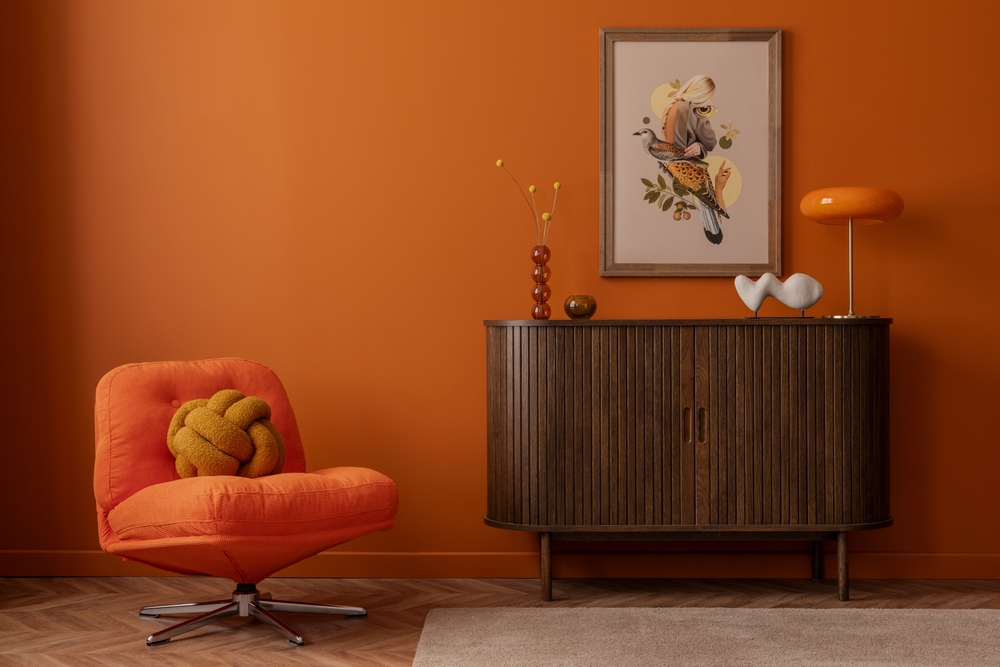
Art from artists who’ve died or become famous obviously appreciates, but even living artists’ early work sells for more than their current production if their reputation has grown. A painting from an artist’s unknown period becomes more valuable once they’re established. The timing of purchase matters more than the quality sometimes.
Art is unique in that scarcity is absolute—there’s only one original. The used market is the only market for originals, and demand increases as artists become known or die. A piece that sold for $500 from a gallery might resell for $5,000 if the artist’s reputation grows. Art isn’t always an investment, but when it works, used is the only option that appreciates.
2. Mechanical Watches From Defunct Brands
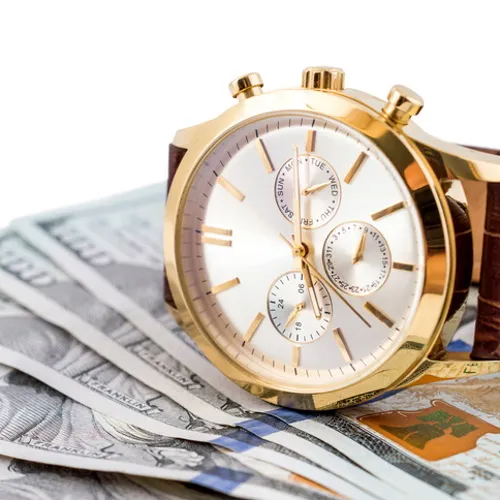
Vintage mechanical watches from dead brands like Benrus, Bulova, and Hamilton sell for more than they cost new. According to data from Chrono24, the world’s largest watch marketplace, vintage mechanical watches from discontinued American brands appreciated an average of 89% between 2019 and 2024, with certain models tripling in value. Modern watches are mostly quartz or outsourced movements, while vintage pieces were hand-assembled mechanical movements made domestically.
A 1960s Bulova Accutron that cost $150 new sells for $500-1,500 today, depending on condition. The brand still exists, but it doesn’t make watches like that anymore. Collectors pay premiums for the mechanical complexity and build quality that’s economically impossible to replicate now.
3. Vintage Denim
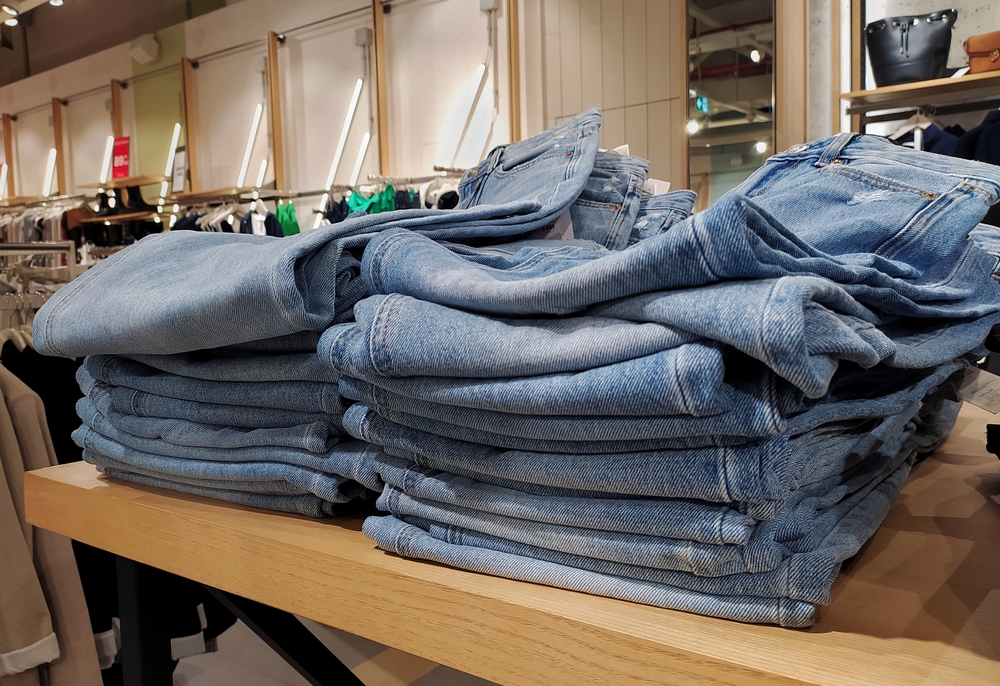
Original Levi’s 501s from the 1950s-70s sell for thousands because the denim weight, construction, and details changed when manufacturing moved overseas. Modern 501s cost $60 and will never be worth more, while vintage pairs in good condition appreciate steadily. The fabric, stitching, and construction methods changed in ways that make old jeans objectively better.
Japanese denim enthusiasts and collectors will pay $1,000+ for vintage American denim that cost $5 new. The manufacturing process, selvage edges, and fabric weight can’t be replicated economically at modern price points. Vintage denim is legitimately superior to new production.
4. Classic Cars

According to Hagerty’s 2024 Vehicle Rating index, classic cars as an asset class appreciated 185% over the past 15 years, outperforming the S&P 500 during the same period. A 1967 Porsche 911 that cost $6,500 new sells for $150,000+ today in good condition, while a new 911 depreciates the moment you drive it off the lot.
The key is specific desirable models, not just any old car. Most old cars are worthless, but the right models from the right years appreciate because they represent peak design or performance before regulations and cost-cutting changed everything.
5. Vintage Audio Equipment
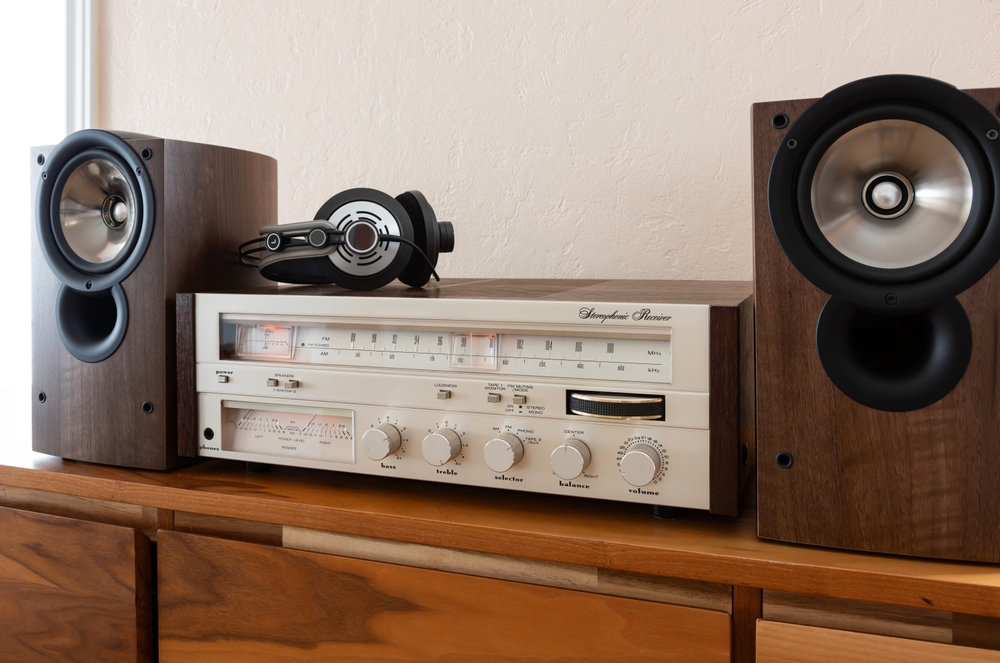
Tube amplifiers and high-end receivers from the 1960s-70s sell for more than modern equivalents because the sound quality is objectively different and preferred by audiophiles. Brands like McIntosh, Marantz, and Sansui made equipment with build quality that’s uneconomical to replicate now. A McIntosh tube amp from 1965 sounds different than modern equipment, and collectors pay for that difference.
Modern audio equipment is cheaper to produce and sounds fine, but vintage gear has warmth and character that digital components don’t replicate. The used market for premium vintage audio has prices that exceed original MSRP adjusted for inflation. People who care about sound quality pay more for old.
6. Vintage Sewing Machines
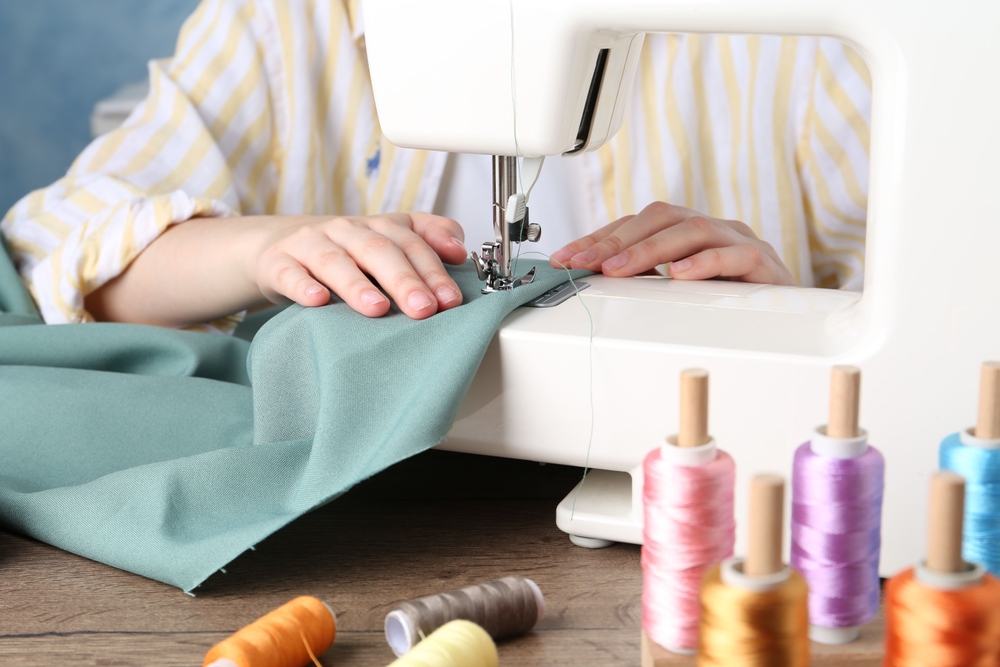
A Singer Featherweight from the 1950s sells for $300-600 while new entry-level machines cost $100 but break within years. The old machines were built for repair and longevity; modern ones are built for replacement.
Quilters and serious sewers specifically seek out vintage machines because the stitch quality and mechanical reliability exceed modern offerings at the same price point. The used market values old Singers higher than new budget machines because they’re genuinely superior tools. Metal gears beat plastic every time.
7. Collectible Sneakers

Limited edition sneakers appreciate immediately upon release, with certain models selling for 10-50x retail price in the resale market. According to StockX’s 2024 sneaker market report, the resale sneaker market reached $30 billion globally, with certain limited releases from Nike and Adidas appreciating 500-2000% within months of release. A pair of Jordan 1s that retailed for $170 can sell for $2,000+ if they’re the right collaboration or colorway.
The sneaker resale market is a legitimate economy where used shoes in deadstock condition are worth far more than retail. This only works for specific hyped releases, not regular shoes, but the right pairs become investment pieces.
8. Vintage Pyrex and Corningware
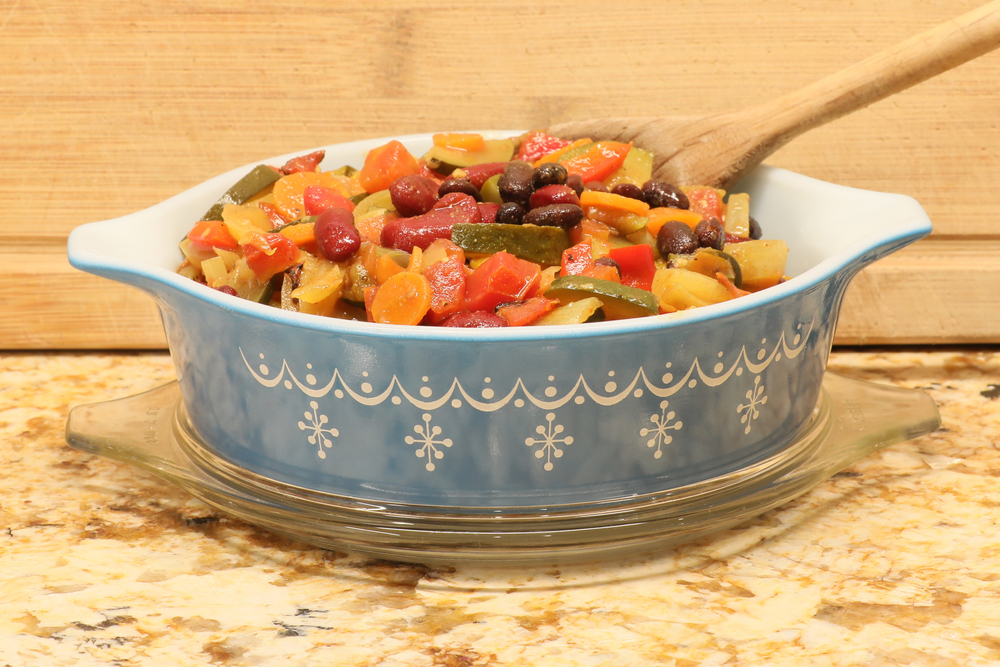
Patterned Pyrex and Corningware from the 1950s-70s sells for hundreds because the old stuff was borosilicate glass that handled temperature changes better. Collectors pay for specific patterns, but even common vintage pieces sell for more than new because the formula changed and the quality declined. A vintage Pyrex mixing bowl set might cost more than buying new.
The material science was actually better in old Pyrex (remember the real borosilicate glass?) Modern Pyrex is soda-lime glass that’s cheaper to produce but performs worse.
9. Hand Tools From Dead Brands

Old hand planes, saws, and chisels were made from better steel with better tolerances. A 1950s Stanley hand plane sells for more than a new Stanley plane because the company gutted quality when production moved overseas.
Woodworkers specifically hunt vintage tools because they perform better and last longer than modern tools at the same price point. The used tool market values old American-made tools higher than new ones because the quality decline is measurable and obvious. Better steel, better manufacturing, better tools.
10. Vintage Leica Cameras
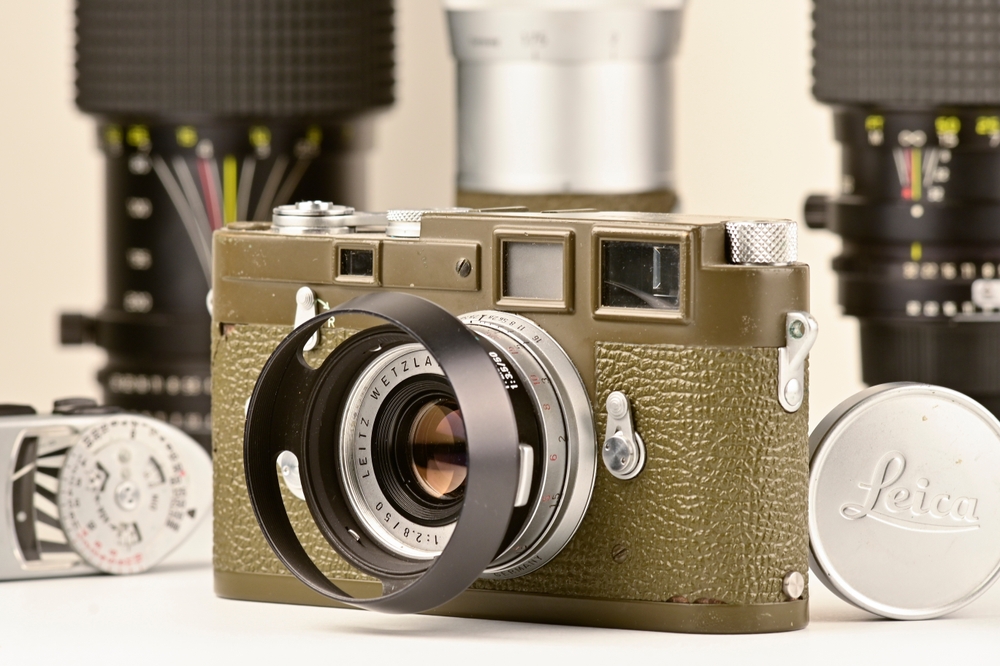
Old Leica rangefinder cameras and lenses appreciate steadily. A Leica M3 from 1954 sells for $1,500-3,000 while it cost $300 new, and the lenses from that era sell for more than modern equivalents. The mechanical precision and optical quality weren’t compromised by cost-cutting because Leica maintained standards.
Film photography’s resurgence has increased demand for vintage cameras, but Leica specifically holds value because the build quality and optical performance remain competitive with modern equipment. These cameras were over-engineered luxuries when new, and that engineering creates lasting value.
11. Vintage Cast Iron Cookware
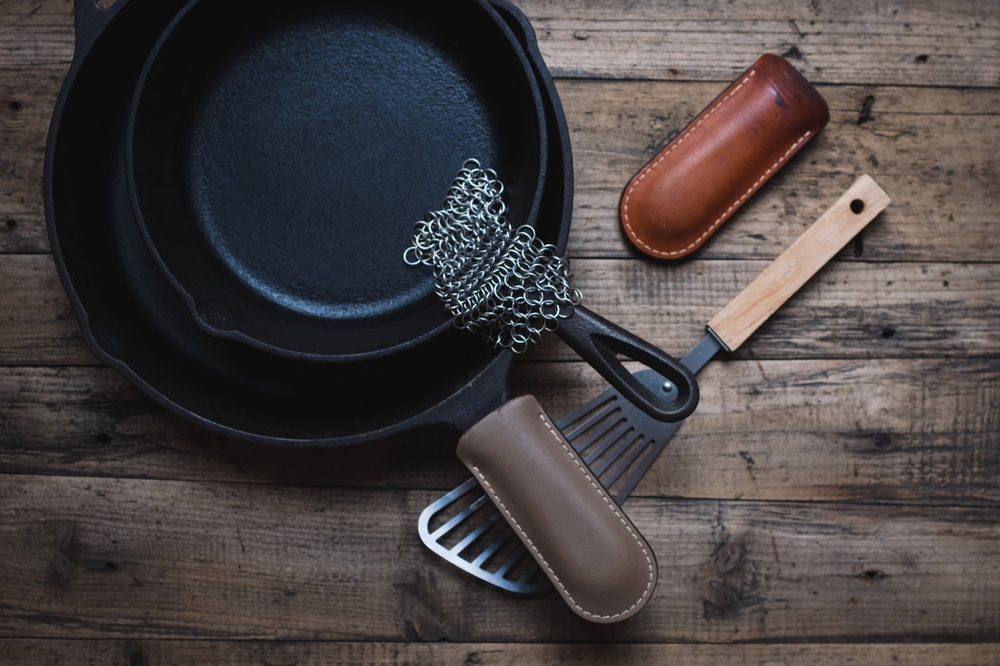
Old Griswold and Wagner cast-iron pans sell for hundreds of dollars, while new Lodge pans cost $30 because vintage pieces were machined smooth and the quality was simply better. According to eBay’s 2024 collectibles market report, vintage cast iron cookware from those brands appreciated an average of 127% over the past decade, with rare pieces selling for $500-2,000 compared to their original $5-15 retail prices. Modern cast iron is rough-cast and requires years of seasoning to achieve the factory finish of vintage pieces.
Collectors and serious cooks will pay premium prices for pre-1960s American cast iron because the manufacturing process changed and the quality declined. A $5 pan from 1940 is worth more today than a $50 pan made last year. The old stuff was built better, and it shows.
12. Vintage Lego Sets
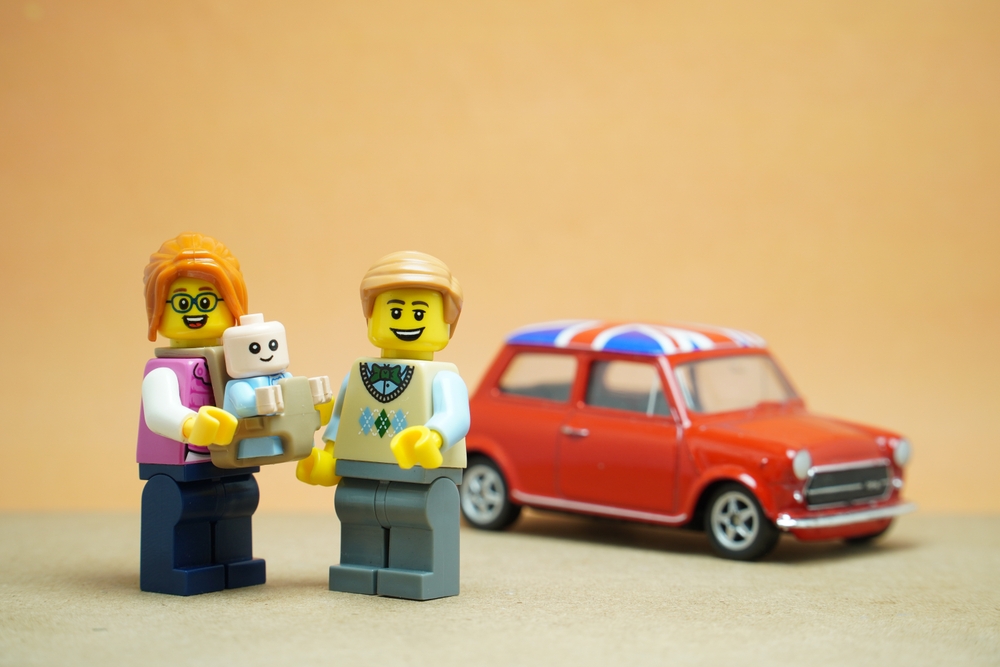
Sets that retailed for $50-100 sell for thousands in unopened condition because Lego discontinues sets, and collectors want specific themes or pieces. The secondary market for vintage Lego is sophisticated, and prices reflect scarcity and nostalgia.
A Star Wars or Harry Potter set from 20 years ago in sealed condition is worth multiples of retail because Lego never rereleases exact sets. Used but complete sets also hold value better than almost any other toy. Lego bricks are the only toy that maintains or increases value in the secondary market at scale.
13. Vintage Tupperware
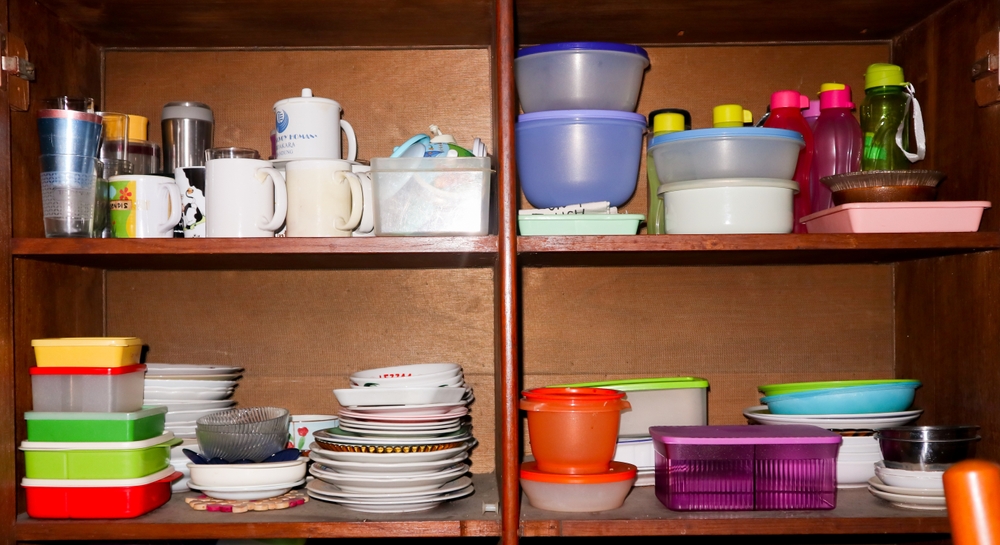
Original Tupperware from the 1950s-70s sells for more because the plastic formulation was different and the products were lifetime quality. Certain vintage patterns and specialty pieces sell for $50-200 while comparable new Tupperware costs $10-30. The old stuff was thicker, more durable, and designed before planned obsolescence became standard.
Collectors seek specific colors and product lines that Tupperware discontinued decades ago. The pastel colors, unique shapes, and superior plastic quality make vintage pieces so desirable. What sold at Tupperware parties for a few dollars in 1965 now sells for multiples of that price.
This article is for informational purposes only and should not be construed as financial advice. Consult a financial professional before making investment or other financial decisions. The author and publisher make no warranties of any kind.