


In today’s swipe-now, worry-later culture, spending has become less about survival and more about identity. From impulse-driven online shopping carts to the dopamine hit of payday, our financial choices often reflect emotions more than logic. The truth is, money isn’t just currency—it’s psychology, and the way you treat it reveals a lot about your mindset. If you’re constantly broke despite working hard, it may not be your paycheck that’s the problem—it’s your spending habits. Here are 13 signs your mindset is wired to spend, not save.
1. Your Payday Feels Like Winning The Lottery

You know the feeling: the second your paycheck hits the bank, it’s as if the world bursts into fireworks and your heart sings a little tune. You rush to clear your online shopping cart, treating yourself to items you’ve “needed” for weeks. But by the end of the week, your account balance is already gasping for air. A survey from CareerBuilder found that 78% of American workers live paycheck to paycheck, and it seems you might be one of them.
This cycle of euphoria followed by financial panic is a telltale sign that your spending is out of control. The excitement fades as quickly as it came, and you’re left counting down the days until the next deposit. It’s a rollercoaster of emotions, with your bank account as the unwilling participant. The high can be addictive, but the lows will inevitably come crashing down.
2. You Treat Your Credit Card Limit Like It’s Flexible

The day your credit card company raised your limit felt like winning the lottery. You took it as a sign that you were doing well financially, maybe even making progress. What it really was, was a siren call to spend more—a challenge you eagerly accepted. Each swipe felt like an accomplishment, pushing you closer to that shiny new limit.
In reality, your credit card should be a tool, not an invitation to spend more than you have. If you find yourself viewing your limit as a target, it’s time to reassess. This mindset not only traps you in debt but also erodes your financial security. Breaking free means recognizing credit as borrowed time, not free money.
3. You Have Never Saved A Dime In Your Life Savings

If your savings account is a barren wasteland, you might be spending more than you should. You often convince yourself that once you hit the next pay raise, then you’ll start saving. But when that raise comes, somehow, your expenses have mysteriously expanded to match it. A Bankrate survey reveals that about 21% of Americans have nothing saved for emergencies, and it’s a club you might be reluctantly joining.
The absence of a safety net is stressful but acknowledging it is the first step toward change. Habits are hard to break, especially when instant gratification is so enticing. The future feels distant and abstract, but in reality, it’s a mirror reflecting your current habits. Creating even a modest emergency fund is a rebellious act in a culture that glorifies spending.
4. You’re Stuck In The Scarcity Mindset

You may find yourself feeling like there’s never enough, whether it’s money, clothes, or the latest tech gadget. This scarcity mindset drives an insatiable need to accumulate more, often beyond your means. It’s almost as if you’re racing against an invisible clock, fearing that once this opportunity is gone, it’s gone for good. Oddly enough, this mindset often leads you to spend more in an effort to fill that endless void.
The scarcity mindset fuels a vicious cycle of dissatisfaction and impulse buying. When you’re always on the hunt for the next thing, you’re never truly satisfied with what you have. This constant yearning can strain your finances and mental health alike. Breaking free requires shifting focus from acquisition to appreciation—of what you already have, and what truly matters.
5. You Literally Live To Shop

We all know the allure of a new purchase, the rush of excitement, the temporary euphoria. For you, shopping isn’t just a transaction; it’s an emotional experience, a quick fix for a bad day. You might think this habit is harmless, but according to a study by the Journal of Consumer Psychology, it can be as addictive as substance abuse. This cycle of highs and lows creates dependence and guilt.
The habit isn’t just a drain on your finances; it’s a Band-Aid on deeper issues. Retail therapy provides a fleeting sense of control, but it can’t substitute for real emotional fulfillment. When the thrill fades, you’re left with buyer’s remorse and a lighter wallet. Recognizing this pattern is a vital step toward healthier coping strategies.
6. You’re Constantly Dodging Bills

Your mailbox has become a graveyard of unopened envelopes, each one carrying a reminder of overdue payments. You’ve mastered the art of juggling bills, paying just enough to keep the lights on while letting other obligations pile up. It’s a game of financial whack-a-mole that leaves you anxious and drained. Deep down, you know this balancing act isn’t sustainable.
Dodging bills is more than procrastination—it’s denial. Late fees and credit score hits may feel like distant problems, but they add up quickly, eating away at your future stability. Each skipped payment tightens the grip of debt, creating a vicious cycle that’s hard to escape. Facing bills head-on may be terrifying, but it’s the first step toward real freedom.
7. You Rationalize Every Purchase

Every impulsive buy comes with a perfectly polished excuse—“I deserve this,” “It was on sale,” or “I’ll need it someday.” Rationalization gives you a way to silence the guilt, tricking yourself into thinking overspending is justified. But according to research in the Journal of Economic Psychology, this type of mental gymnastics is one of the strongest enablers of chronic overspending. It disguises indulgence as necessity.
This mindset allows you to blur the line between wants and needs until everything feels essential. The more you rationalize, the easier it becomes to normalize financial recklessness. Each justification chips away at your stability while inflating the illusion that you’re in control. Recognizing these self-deceptions is the only way to break the cycle.
8. You’re Afraid To Check Your Bank Account

Your bank app might as well be a horror movie—you’d rather look away than face the balance. At ATMs, you shield the screen like it’s a secret you don’t want revealed. Each purchase becomes a gamble, a fingers-crossed moment hoping the card won’t decline. It’s financial avoidance at its most obvious.
The longer you avoid your numbers, the scarier they become. Ignorance doesn’t erase the problem; it compounds it. This avoidance keeps you trapped in a cycle of anxiety, never knowing the full picture. The truth may sting, but it’s the only way to start clawing your way out.
9. You Borrow From Friends Or Family Regularly

You’ve gotten good at explaining why you just need “a little help this time.” But when borrowing becomes routine, it’s no longer about emergencies—it’s about habits. Each request puts strain on your relationships and chips away at your independence. What feels like a lifeline quickly morphs into dependency.
This cycle doesn’t just cost you money—it costs you trust. Loved ones may help at first, but eventually, resentment builds. Chronic borrowing signals that your financial situation is no longer manageable on your own. Facing that reality is uncomfortable, but necessary if you want true stability.
10. You Rely Heavily On “Buy Now, Pay Later” Schemes
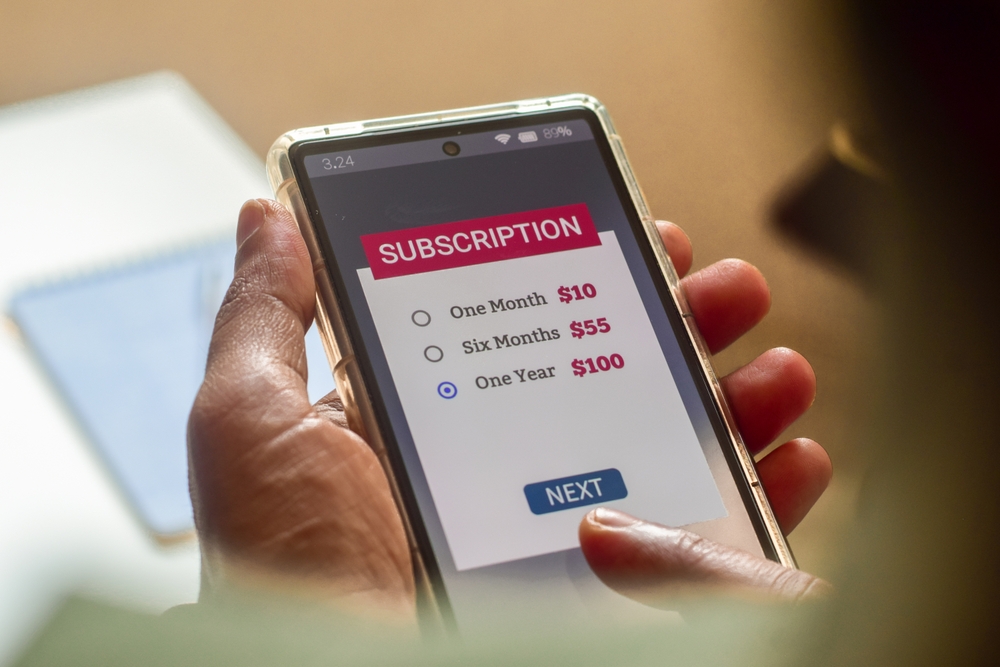
“Buy now, pay later” feels like magic—you get what you want without the sting of immediate payment. But that magic quickly turns into sleight of hand when the installments pile up. Each small payment feels manageable on its own, yet together they create a mountain of debt. What feels affordable in the moment is anything but.
This system thrives on your short-term thinking. The delayed pain makes overspending easier, and soon you’re locked into multiple repayment cycles. It’s financial quicksand, slowly pulling you deeper without you noticing. Recognizing the trap is the only way to avoid being buried in installments.
11. You Avoid Financial Conversations

When someone brings up money, you shut down or change the subject. It’s not just discomfort—it’s fear of exposure. Talking about debt or spending habits feels like admitting failure. But in avoiding the subject, you’re only prolonging the problem.
Money conversations are often uncomfortable, but they’re necessary. Dodging them keeps you stuck, unable to address the habits that are holding you back. Whether with a partner, a friend, or a financial advisor, honesty is the gateway to change. Silence may feel safe, but it’s actually your biggest liability.
12. Your Closet Is Bursting At The Seams

Every time you open your closet, clothes spill out, yet you still claim you have nothing to wear. It’s a sign that shopping has shifted from necessity to impulse. Each new purchase brings a temporary high, but satisfaction quickly fades. Your wardrobe reflects a cycle of want, not need.
This constant chase leaves you with endless clutter but little fulfillment. The real problem isn’t your lack of options—it’s the compulsion to keep consuming. Shopping for validation only leaves you emptier. Learning to curate, not hoard, is the key to breaking free.
13. Your Lifestyle Outpaces Your Income

Your life looks polished and enviable from the outside—dinners out, trendy gadgets, stylish clothes. But behind the scenes, your finances are running on fumes. You’ve built an image of success that doesn’t align with your bank account. It’s a performance, and the cost is steep.
Living beyond your means is exhilarating in the short term, but dangerous long-term. The pressure to maintain appearances eats away at both your money and your peace of mind. The disconnect between your lifestyle and your actual income is unsustainable. True success comes when your reality matches your projection.
This article is for informational purposes only and should not be construed as financial advice. Consult a financial professional before making investment or other financial decisions. The author and publisher make no warranties of any kind.