
The economic class you occupy during your working years doesn’t simply fade when you retire—it creates behavioral patterns, health outcomes, living situations, and social expectations that follow you into old age with consequences that compound rather than diminish over time. Gerontologists and sociologists studying aging patterns find that class differences actually widen in retirement, as the advantages accumulated during working years translate into vastly different aging experiences based on economic background. The retirement dream marketed to Americans assumes a middle-class baseline that doesn’t exist for millions whose economic circumstances create fundamentally different old age experiences than wealthier peers enjoy.
1. Housing Quality and Location Options
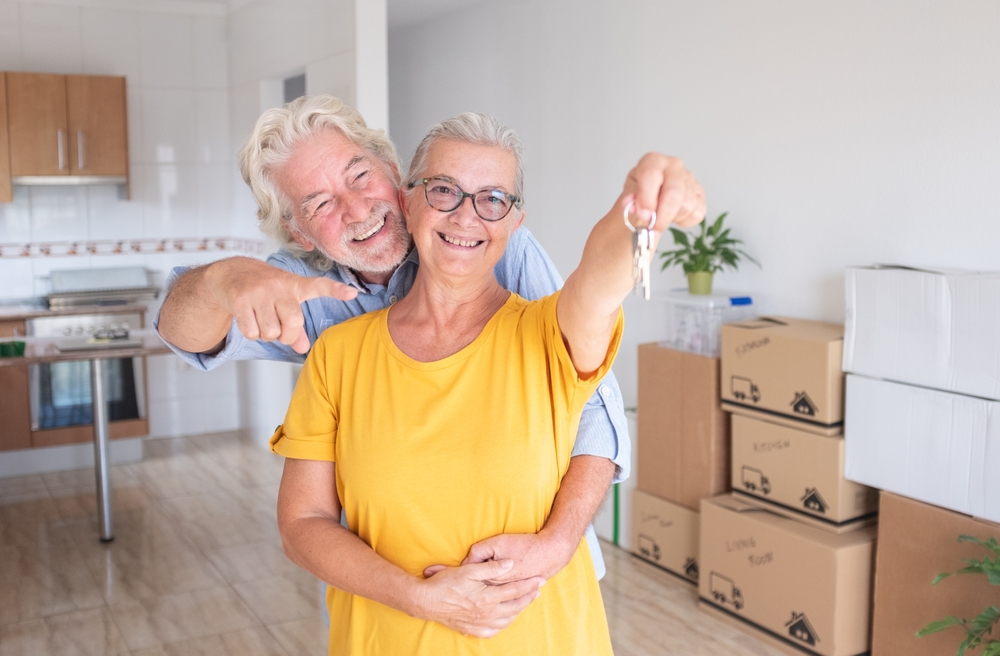
Working-class retirees remain in aging homes in declining neighborhoods because they lack the equity or income to relocate, while upper-class seniors move to age-appropriate housing in desirable communities. The neighborhood quality differences mean working-class seniors age in food deserts, areas with limited healthcare access, and communities with declining services. Upper-class seniors occupy walkable neighborhoods near quality healthcare, shopping, and cultural amenities that make aging-in-place actually viable.
The housing gap creates fundamentally different aging experiences where location determines access to the services and amenities that enable healthy aging. Working-class seniors are trapped in car-dependent suburbs or urban areas where essential services have fled. The class-based housing differences that existed during working years become more consequential in old age when mobility declines and local access to services becomes critical.
2. Healthcare Access and Quality Expectations

Upper-class seniors expect and receive concierge medical care with same-day appointments, extensive preventive care, and specialists who spend time explaining options. Working-class seniors navigate overwhelmed primary care systems with months-long wait times, rushed appointments, and minimal preventive care. The healthcare quality gap means upper-class seniors catch and treat problems early while working-class seniors present with advanced diseases that went undiagnosed.
The class-based healthcare differences create health outcome gaps that widen with age as cumulative effects of differential care compound. Upper-class seniors receive aggressive treatment and rehabilitation that restore function; working-class seniors receive minimal intervention with earlier resignation to disability. The expectation of quality healthcare versus acceptance of whatever care is available creates different aging trajectories based purely on economic class.
3. Family Obligation Patterns

Working-class seniors expect to provide childcare and financial support to adult children regardless of personal cost, while upper-class seniors maintain boundaries protecting their retirement resources. The obligation expectations mean working-class grandparents raise grandchildren, deplete savings helping adult children, and sacrifice health managing family crises. Upper-class seniors offer selective support without compromising their own financial security or lifestyle.
The class-based obligation differences reflect lifelong patterns where working-class identity centers on family support while upper-class identity maintains individual autonomy. Working-class seniors feel guilty refusing help requests; upper-class seniors comfortably maintain boundaries. The different obligation expectations mean working-class seniors often work into their 70s supporting family while upper-class seniors enjoy genuine retirement funded by resources family obligations don’t deplete.
4. Social Isolation Versus Maintained Networks

Upper-class seniors maintain social networks through clubs, travel groups, and community organizations that require membership fees and mobility working-class seniors can’t sustain. The network maintenance means upper-class seniors have social calendars preventing isolation while working-class seniors lose connections as mobility and finances decline. The social class patterns that existed during working years intensify as upper-class networks actively prevent isolation while working-class seniors lack structures supporting connection.
The isolation differences create health consequences as working-class seniors experience loneliness and depression from lost connections. Upper-class social structures—clubs, alumni groups, church communities—provide automatic connection points that working-class seniors lack. The class-based network differences mean upper-class seniors remain socially engaged through organizational memberships while working-class seniors must create connections individually without institutional support.
5. Nutrition Quality and Food Security

Upper-class seniors maintain nutritious diets with fresh foods, supplements, and dining options that support health, while working-class seniors on fixed incomes face food insecurity and poor nutrition. The dietary differences reflect both financial constraints and geographic access as working-class seniors often live in food deserts requiring car access to quality groceries. Upper-class walkable neighborhoods provide easy access to farmers markets and quality stores supporting healthy eating.
The nutrition gap creates health consequences as working-class seniors develop diet-related conditions from processed foods and inadequate nutrition. Upper-class seniors benefit from nutritious eating that prevents disease and supports healthy aging. The class-based food access differences that existed during working years become more consequential when fixed retirement incomes make quality food a budget choice working-class seniors often can’t afford.
6. Living Arrangements and Multigenerational Housing

Working-class seniors increasingly live in multigenerational arrangements by necessity, providing childcare and household support while dealing with crowding and noise. Upper-class seniors maintain independent households with space, quiet, and privacy supporting their health and preferences. The living arrangement differences reflect both financial constraints forcing working-class multigenerational housing and different cultural expectations about family proximity.
The housing pattern differences create quality of life gaps as working-class seniors sacrifice space and quiet in crowded households. Upper-class seniors maintain the independence and privacy that supports wellbeing and autonomy. The class-based housing expectations mean working-class seniors view independence as abandoning family while upper-class seniors see independence as healthy boundaries.
7. Ability to Age in Place Versus Forced Moves
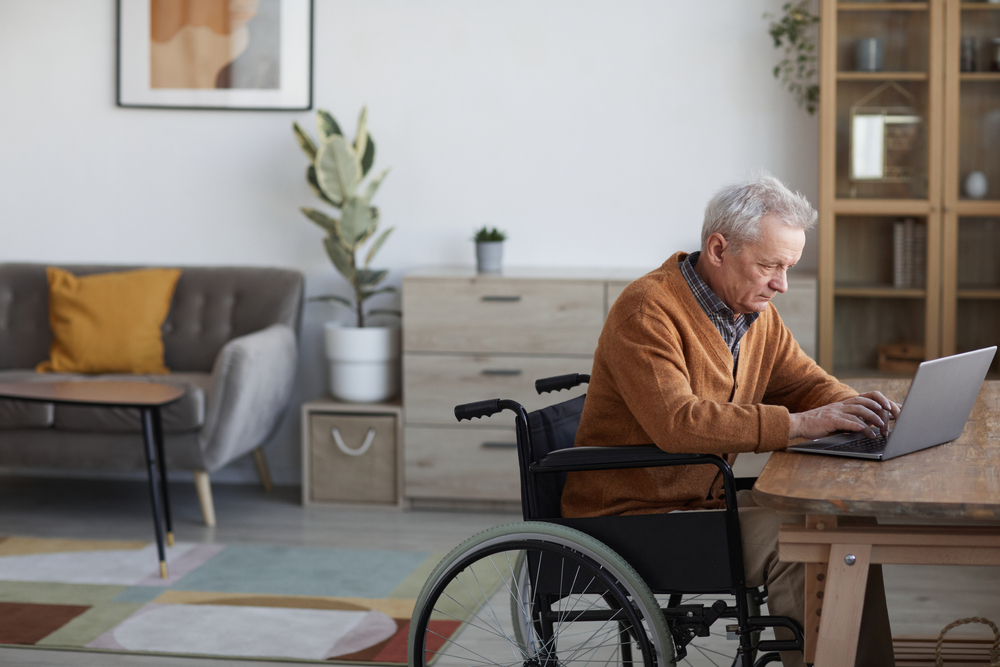
Upper-class seniors modify homes with ramps, grab bars, and accessibility features that enable aging in familiar settings, while working-class seniors face forced moves when mobility declines. The modification costs—$20,000-$50,000 for comprehensive accessibility updates—are manageable for upper-class seniors but impossible for working-class budgets. The ability to remain in familiar homes and communities versus forced displacement creates vastly different aging experiences.
The aging-in-place gap means upper-class seniors maintain community connections and familiar environments supporting wellbeing. Working-class seniors face displacement to unfamiliar areas, losing social networks and the geographic familiarity that provides security. The class differences in home modification resources determine whether aging happens in chosen familiar places or through forced relocations destroying continuity and connection.
8. Acceptance of Age-Related Decline Versus Aggressive Intervention

Upper-class seniors pursue aggressive medical intervention for age-related conditions—joint replacements, cardiac procedures, intensive rehabilitation—maintaining function and independence. Working-class seniors accept decline as inevitable, receiving minimal intervention and earlier resignation to disability. The different expectations reflect both resource availability and class-based attitudes about aging and medical treatment.
The intervention differences create diverging aging trajectories as upper-class seniors maintain physical function through multiple procedures. Working-class seniors experience earlier disability from conditions that could be treated but aren’t due to cost and cultural expectations of acceptance. The class-based treatment patterns mean upper-class seniors remain active into their 80s while working-class seniors become sedentary a decade earlier.
9. Leisure Activities and Purposeful Engagement
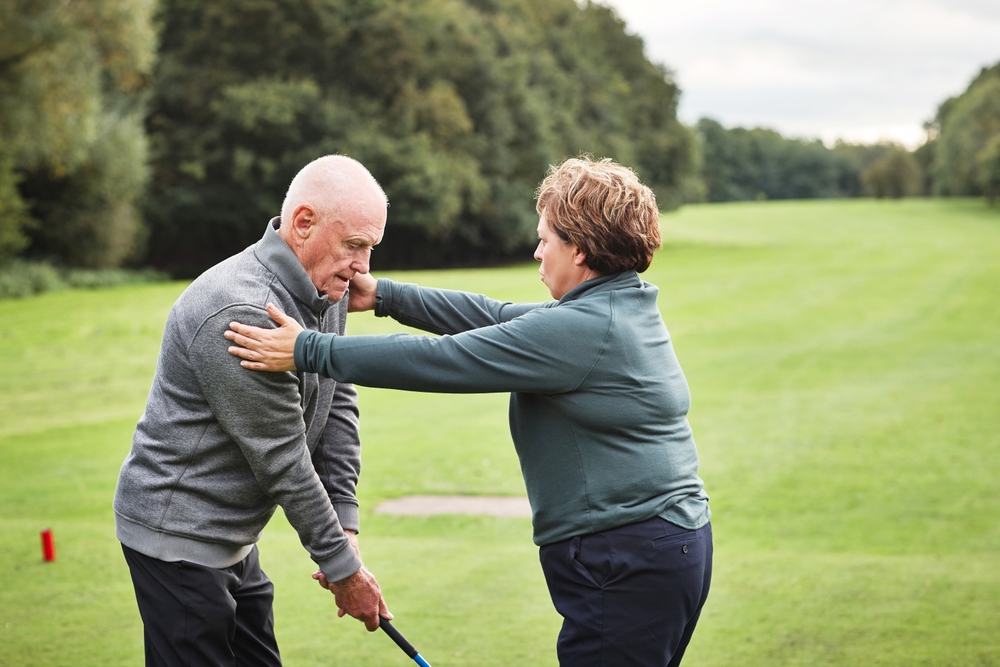
Upper-class seniors fill retirement with expensive hobbies, travel, and pursuits requiring discretionary income, while working-class seniors lack resources for purposeful activities beyond television. The activity differences create mental health gaps as upper-class engagement prevents cognitive decline. Working-class seniors face boredom and understimulation accelerating mental deterioration.
The class-based leisure patterns reflect both financial resources and lifelong exposure to activities requiring investment. Upper-class seniors continue golf, travel, arts engagement that working-class budgets never accommodated. The activity gap means upper-class seniors maintain purpose and engagement while working-class seniors struggle with the purposelessness that retirement without resources creates.
10. Medication Adherence and Treatment Compliance

Upper-class seniors afford all prescribed medications and recommended treatments, achieving full adherence to medical protocols. Working-class seniors ration medications, skip prescriptions, and forego recommended treatments due to cost constraints. The compliance differences create health outcome gaps as working-class medication non-adherence leads to complications that upper-class full adherence prevents.
The class-based medication patterns mean upper-class seniors control chronic conditions while working-class conditions progress from inadequate treatment. The medication costs that upper-class budgets absorb easily force working-class choices between medications and other necessities. The treatment compliance gap widening with age creates different disease trajectories based purely on ability to afford comprehensive medication regimens.
11. End-of-Life Care Settings and Quality
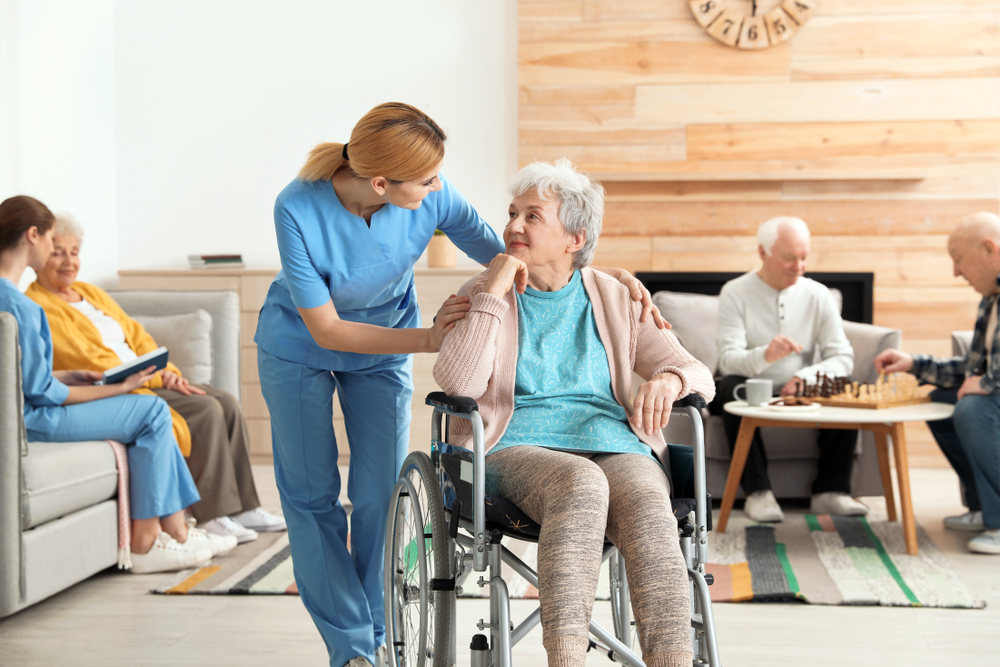
Upper-class seniors die in hospice or at home with comprehensive palliative care, while working-class seniors die in hospitals after inadequate pain management and aggressive unwanted interventions. The end-of-life differences reflect both resources and healthcare system navigation knowledge. Upper-class seniors and families advocate for preferred care settings; working-class seniors receive default institutional care.
The class-based death experiences mean upper-class seniors die comfortably in chosen settings with family present. Working-class seniors die in ICUs attached to machines after care that violated preferences they couldn’t effectively communicate. The care quality at life’s end reflects class advantages that persist through the final moments, providing dignified comfortable deaths for some while others experience medicalized institutional endings.
12. Legacy and Estate Planning Capabilities

Upper-class seniors work with attorneys creating comprehensive estate plans preserving wealth and minimizing taxes across generations. Working-class seniors die with minimal assets and no formal planning, leaving families with probate costs and complications. The planning differences reflect both asset complexity and access to professional guidance that working-class budgets never accommodated.
The estate planning gap means upper-class wealth transfers efficiently to chosen heirs while working-class estates deplete through legal processes. The class-based planning differences extend advantages across generations as upper-class children receive organized inheritances. Working-class children receive nothing or face legal complications resolving estates, perpetuating class differences into the next generation.
13. Dignity and Autonomy in Daily Life
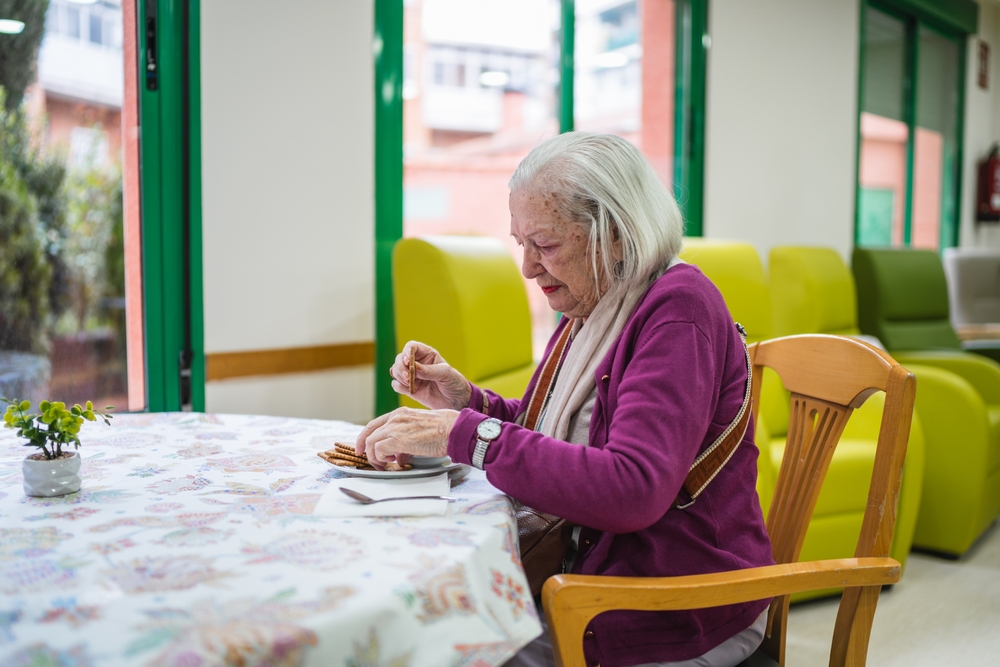
Upper-class seniors maintain dignity through resources that allow private bathroom assistance, quality personal care, and maintaining appearance standards. Working-class seniors in understaffed facilities experience dignity violations through inadequate assistance with basic functions. The daily dignity differences reflect both care setting quality and resources for maintaining autonomy and privacy.
The class-based dignity gaps mean upper-class seniors maintain self-image and confidence through old age. Working-class institutional settings provide minimal privacy and rushed impersonal care violating dignity daily. The autonomy differences that existed throughout life persist as upper-class resources maintain control and choice while working-class institutional care removes autonomy and imposes one-size-fits-all routines that disregard individual preferences and dignity.
This article is for informational purposes only and should not be construed as financial advice. Consult a financial professional before making investment or other financial decisions. The author and publisher make no warranties of any kind.