


Even when you’re trying to save, cutting back can feel impossible—until you realize how many weekly habits cost more than they’re worth. These expenses sneak into your routine, disguised as “little treats,” but they quietly drain your wallet without adding much real joy. Once you let them go, you’ll hardly notice they’re gone—and your bank balance will thank you.
1. Daily Coffee Runs

It’s not just about caffeine—it’s the ritual. But that $6 latte every morning adds up to more than $150 a month. Making coffee at home with a quality machine gives you the same luxury for a fraction of the cost. You’ll still get the caffeine kick—minus the guilt.
Once you start brewing your own, you realize how much you were paying for convenience, not coffee. Upgrading your morning ritual with a frother or a flavored syrup can make home coffee feel indulgent. It’s about keeping the habit, not the price tag. Eventually, your wallet and your mornings both feel richer.
2. Subscription Overload

Streaming, wellness apps, and newsletters—most people forget half of what they’re paying for. Canceling unused subscriptions feels like decluttering your finances. It’s freeing and adds up faster than you’d expect. Keeping only what you actually use feels good and smart.
Audit your digital life every few months and be ruthless about what stays. There’s no reason to pay for five platforms when you only use one. Cutting them down gives you financial breathing room without any real loss. It’s one of the easiest ways to find “free money” in your budget.
3. Takeout Lunches

That midday grab-and-go habit costs more than you realize. Prepping simple lunches saves you hundreds monthly without sacrificing taste. Once you see how much you save, you’ll wonder why you didn’t start sooner. Bonus: it’s usually healthier too.
It’s not about giving up flavor—it’s about taking control. Prepping once or twice a week saves time and stress during busy workdays. You can still treat yourself occasionally, but it won’t feel like a daily drain. The more intentional your lunches become, the more empowered you’ll feel overall.
4. Ride Shares For Short Trips
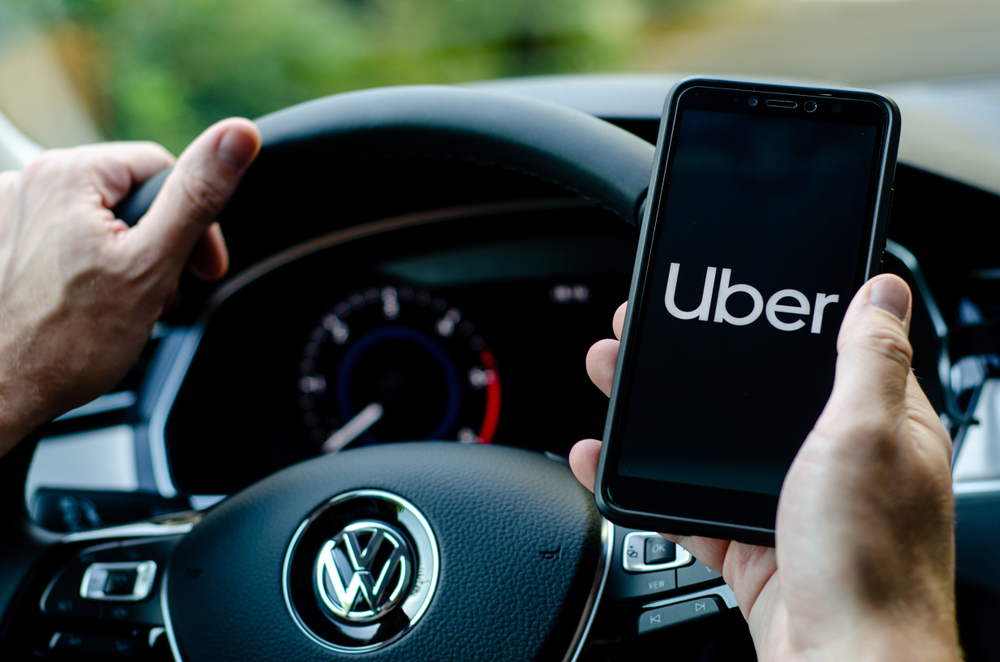
It’s tempting to Uber everywhere, but those short trips add up shockingly fast. Walking or hopping on public transport cuts costs and boosts your steps. You’ll arrive energized instead of annoyed by surge pricing. Save the rideshares for when they really matter.
Taking a 10-minute walk instead of booking a $12 ride might seem minor, but it adds up over time. You’ll also discover parts of your neighborhood you never noticed before. Turning short trips into walks is good for your health, your budget, and your sanity. It’s a small shift that creates lasting change.
5. “Quick” Drugstore Stops

Running in for toothpaste and leaving with $50 in “essentials” is a universal trap. Ordering basics online once a month eliminates impulse buys. It’s a simple habit shift that stops money from leaking out of your routine. Convenience doesn’t need to cost double.
Impulse aisles are designed to make you spend more, not help you shop smarter. By sticking to a recurring online order, you’ll buy only what you need, when you need it. This simple system keeps your home stocked and your spending predictable. Fewer random receipts, more real savings.
6. Convenience Delivery Fees

From groceries to takeout, fees sneak in disguised as small. Cooking one extra meal a week or picking up your order can save hundreds yearly. The satisfaction of skipping that extra $10 delivery charge feels better than any tip notification. It’s mindful money in action.
Delivery fees might seem harmless, but they compound faster than you think. Choosing pickup or batch errands instead adds efficiency to your week. The more you cut unnecessary convenience, the more intentional your spending feels. It’s about trading a few minutes of time for long-term control.
7. Fast Fashion Fixes

Those under-$30 impulse buys rarely last—and often end up in the back of your closet. Investing in versatile staples pays off in wearability and longevity. You’ll develop a smarter, leaner wardrobe that still feels fresh. Less waste, more style.
Every item you skip saves space and cash for pieces you actually love. Buying fewer, better items helps define your personal style instead of chasing trends. The satisfaction of quality outweighs the thrill of impulse shopping. You’ll end up dressing better and spending less.
8. Weekend Brunch Splurges

It’s fun, yes—but it’s also $50 before noon. Hosting brunch at home or opting for coffee dates instead adds up to real savings. It’s not about saying no—it’s about being selective. Brunch tastes better when it’s not breaking your budget.
You can recreate the same vibe with friends for a fraction of the cost. Homemade mimosas and playlists make for a better, more relaxed morning. What you save can go toward something bigger—like travel or debt-free weekends. Sometimes skipping the table wait feels just as satisfying.
9. Premium Gas When You Don’t Need It
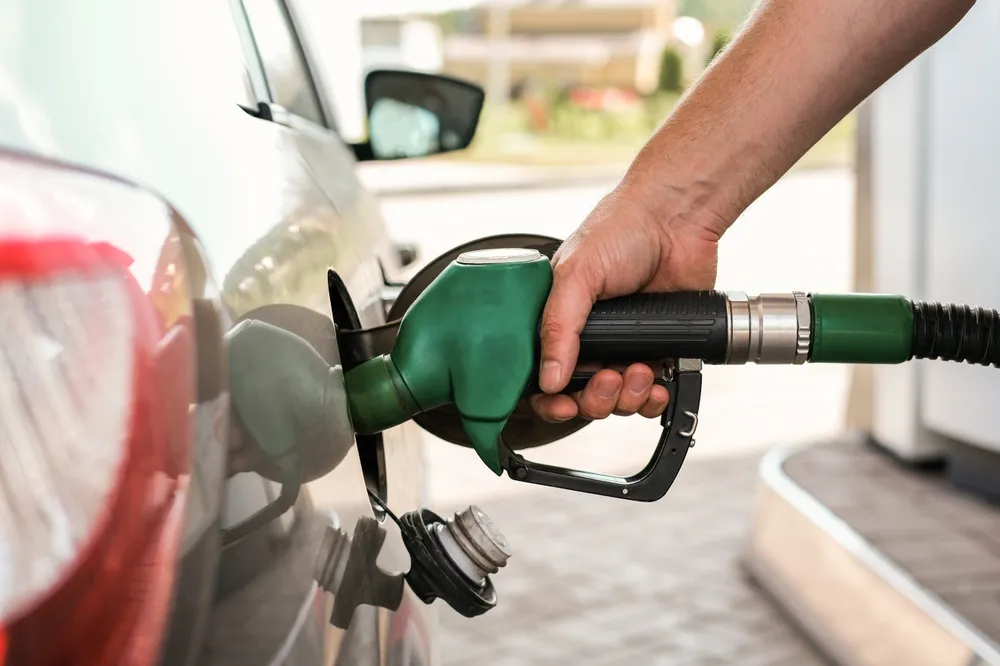
Unless your car requires it, premium gas is money burned. Regular unleaded performs just fine for most engines. You’ll barely notice the difference—except in your wallet. It’s one of the easiest financial wins you’ll ever get.
Most drivers choose premium out of habit, not necessity. Double-check your car manual—you’ll probably realize regular works perfectly. Over a year, those small savings really stack up. You’re not downgrading your car; you’re upgrading your financial awareness.
10. Overpriced Gym Memberships

Paying $80 a month for a treadmill you barely use? Not worth it. Online classes or outdoor workouts can save you hundreds yearly. Movement doesn’t require a swipe key—it just requires consistency.
Start by experimenting with free or low-cost fitness options. A YouTube yoga flow or park run still gives you endorphins without the bill. Once you break free from the idea that fitness has to be fancy, it becomes accessible again. Health doesn’t need a brand name.
11. Fancy Bottled Water

It feels harmless, but premium bottled water brands are the epitome of waste. A reusable filtered bottle saves money and the planet. Plus, it’s one of the easiest swaps to feel instantly better about. Hydration doesn’t have to come with a logo.
The mental shift happens when you realize you’re paying for marketing, not minerals. Once you upgrade your water setup at home, bottled brands lose their allure. It’s one of those changes that pays off immediately and sustainably. Staying hydrated shouldn’t drain your wallet.
12. Impulse App Store Purchases

That $4 app or game feels like nothing—until you check your receipts. Turn off one-click purchases and you’ll stop bleeding digital dollars. It’s amazing how “free” entertainment can add up. Cutting it off feels like a power move.
Those little charges chip away at your progress quietly. Adding friction—like requiring password approval—helps curb the habit. When you start seeing fewer microtransactions, you’ll realize how freeing digital discipline can be. Control feels better than instant gratification.
13. Overpriced “Quick” Snacks

Protein bars, green juices, and pre-cut fruit cost convenience prices. Buying whole ingredients or prepping snacks ahead saves a shocking amount. You’ll still get your fix—just without paying double. Smart habits start small and stick fast.
It’s about reclaiming small choices that add up to big savings. Keeping simple ingredients like nuts or fruit handy makes it easy to resist overpriced snacks. The more you plan ahead, the less you’ll rely on convenience food. Your wallet and your energy will both thank you.
This article is for informational purposes only and should not be construed as financial advice. Consult a financial professional before making investment or other financial decisions. The author and publisher make no warranties of any kind.