


Extreme wealth doesn’t always translate into inheritance. For some celebrities, leaving their children massive fortunes feels less like love and more like sabotage. What they decide not to share isn’t cruelty or stinginess—it’s a belief that unearned money can stunt adulthood. These decisions are controversial, deeply personal, and often misunderstood.
1. Warren Buffett
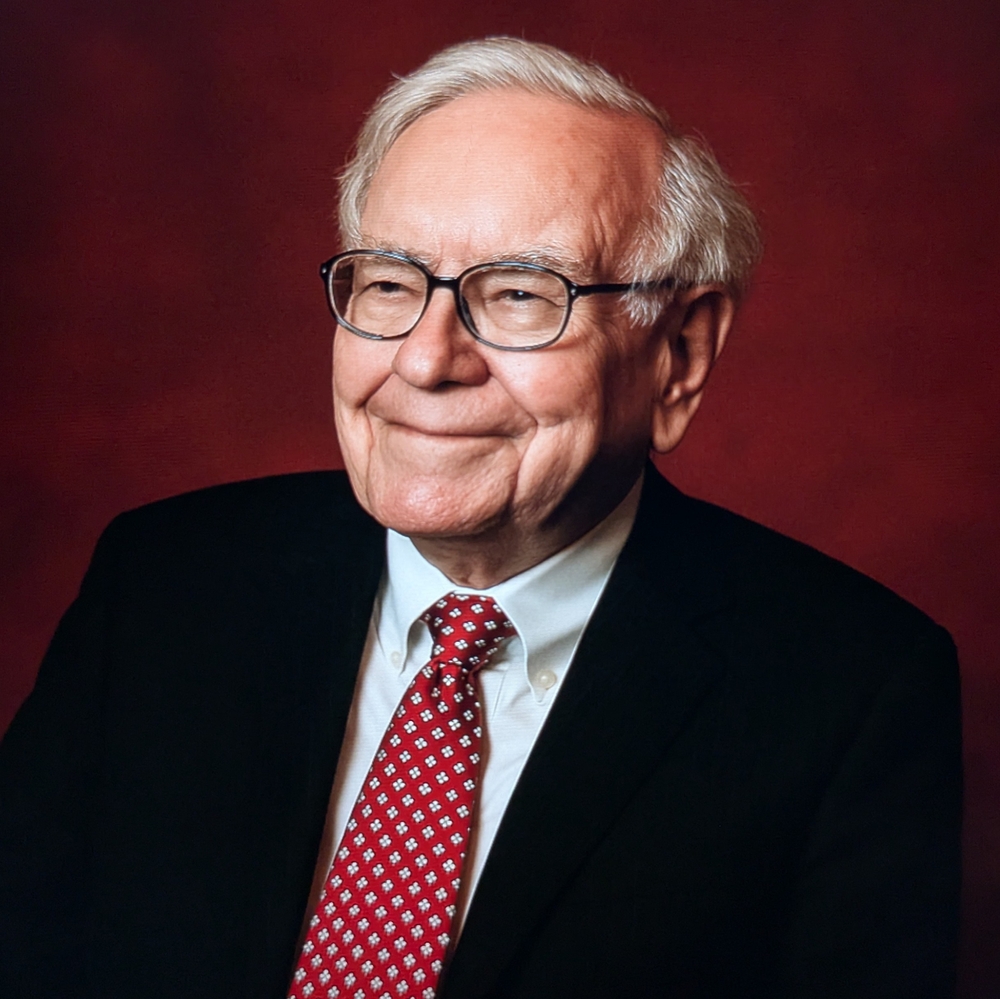
Warren Buffett has been explicit that his children would not inherit his fortune. According to interviews reported by CNBC and statements Buffett has made through the Gates Foundation, he believes large inheritances do more harm than good. Instead, he plans to give the vast majority of his wealth to philanthropy. His children received enough to be comfortable, not enough to be insulated from life.
Buffett frames this as respect rather than deprivation. He wanted his children to build identities separate from his success. Money, in his view, should enable effort—not replace it. Leaving them billions would have undermined that goal.
2. Bill Gates
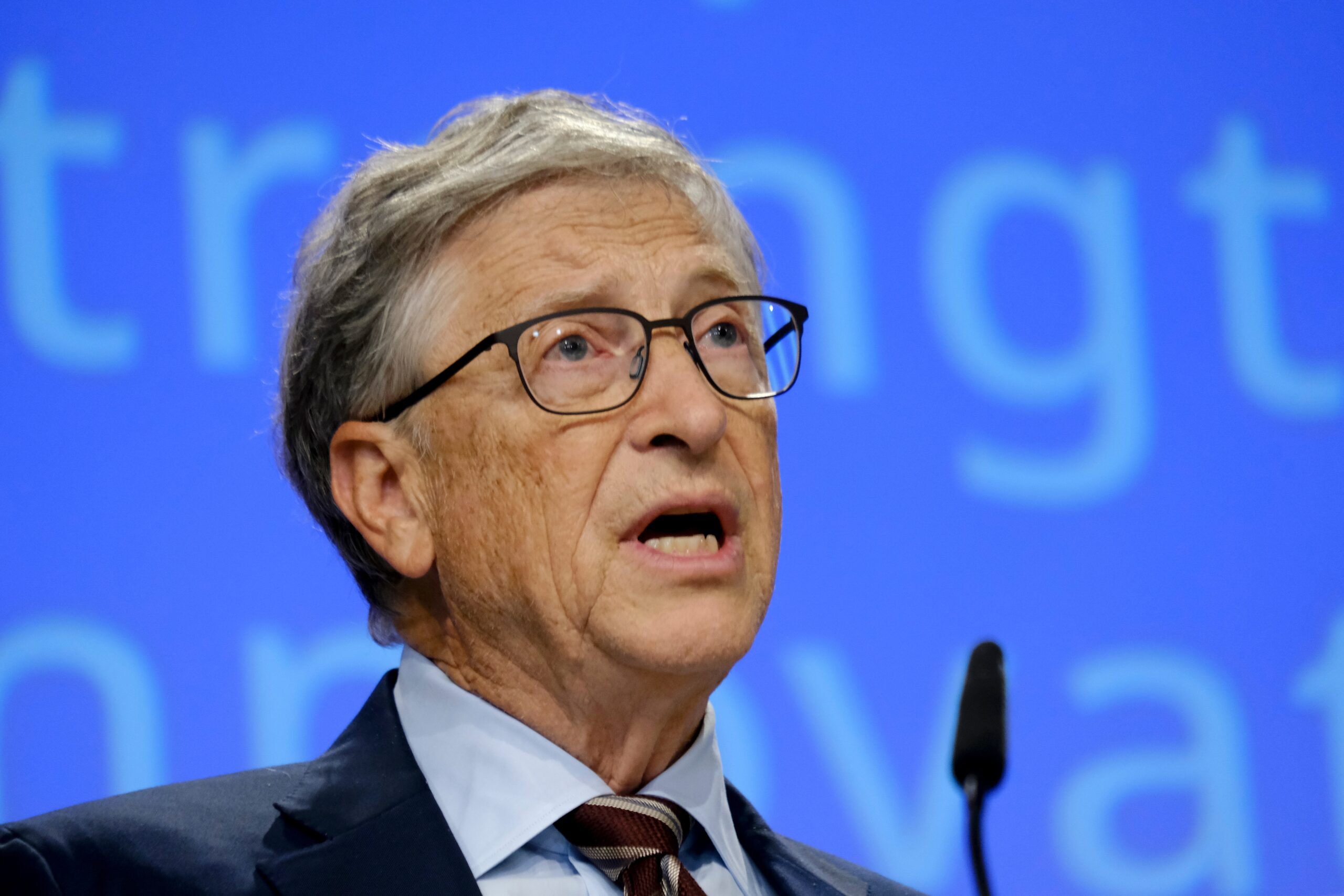
Bill Gates has repeatedly said his children will inherit only a small fraction of his wealth. Reporting from the BBC and The New York Times confirms that most of his fortune is earmarked for charitable causes. Gates has explained that giving his children vast sums would do them a disservice. Opportunity, not entitlement, was the priority.
His children had access to elite education and support, but not automatic wealth. Gates wanted them to develop purpose outside his shadow. The inheritance decision was framed as guidance; financial independence was part of the lesson.
3. Gordon Ramsay
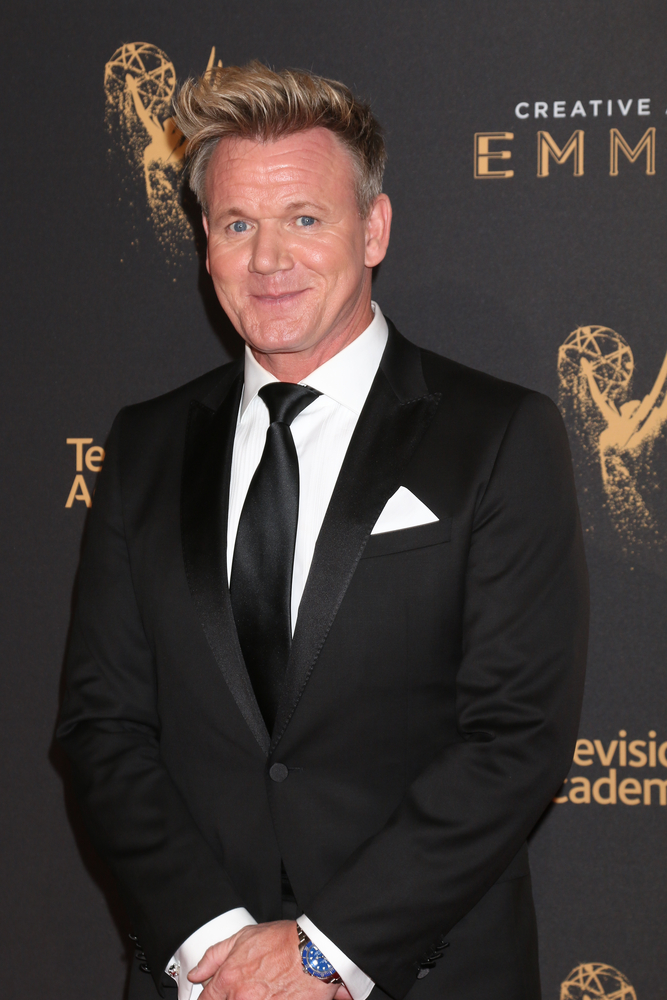
Gordon Ramsay has said his children will not inherit his fortune outright. He’s been vocal about wanting them to work, earn, and fail on their own terms. Luxury without effort didn’t align with his values. Discipline shaped his parenting philosophy.
Ramsay has explained that his money funded experiences and education, not lifelong security. First-class flights were for him, not them. His goal was hunger for achievement, not comfort. Wealth was never meant to cushion adulthood.
4. Sting

Sting has publicly stated that his children should not expect his wealth. According to interviews covered by The Guardian and Reuters, he believes large inheritances are “a curse.” His fortune is largely allocated elsewhere. The message was intentional and public.
Sting wanted his children to define success without his money. He framed inheritance as emotional weight rather than a benefit. Freedom, to him, meant not being bound to someone else’s legacy. That included his own.
5. Jackie Chan
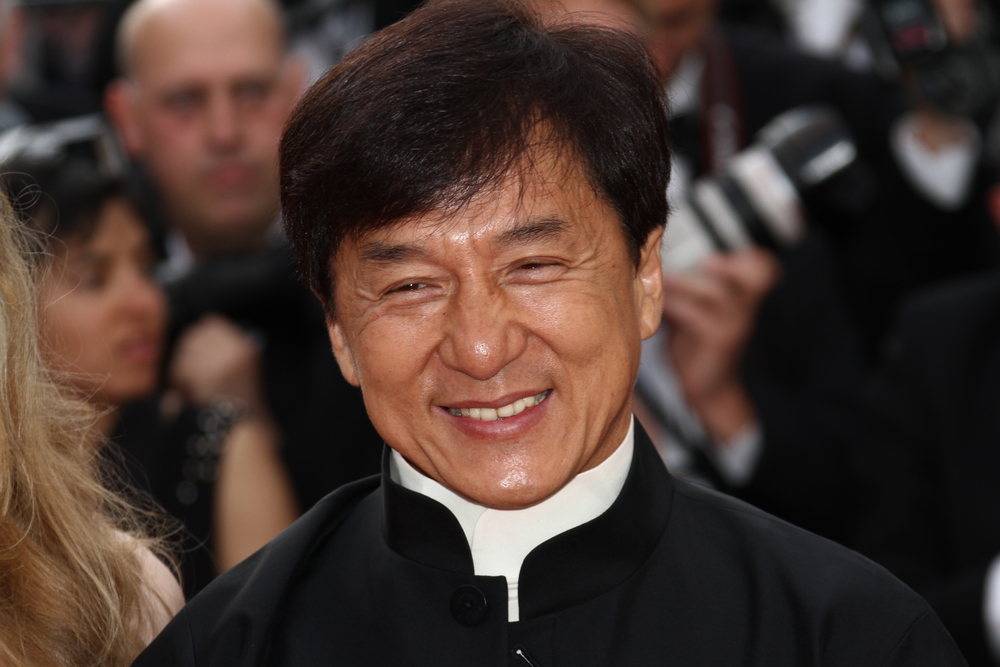
Jackie Chan has said he will donate his fortune to charity rather than leave it to his son. He’s explained that if his son is capable, he’ll earn his own money. If not, the inheritance wouldn’t help. The stance was blunt but consistent.
Chan viewed money as something that must be learned, not handed down. Fame didn’t change that belief. His decision wasn’t about distance—it was about accountability. Wealth wasn’t meant to be inherited by default.
6. Elton John
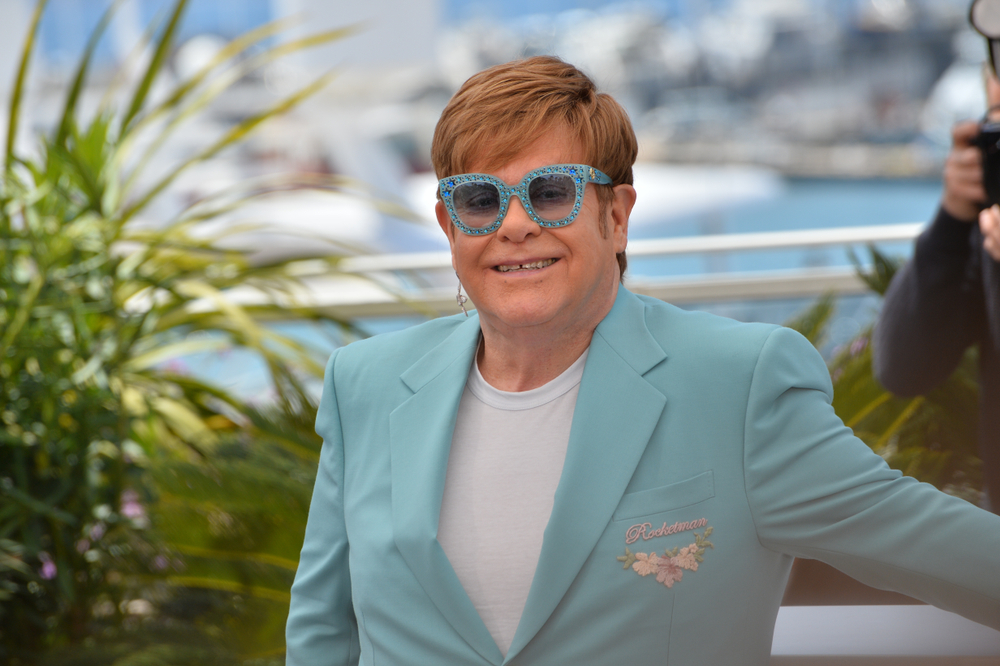
Elton John has said publicly that his children will not inherit the bulk of his fortune. According to interviews reported by The Guardian and CNBC, he believes excessive wealth can warp a child’s sense of reality and ambition. Having grown up without privilege himself, he’s acutely aware of how money changes motivation. He didn’t want his sons’ lives pre-scripted by his success.
He gives his children love, stability, and extraordinary access—but draws a firm line at unlimited money. The goal isn’t austerity, but proportionality. He wants them grounded in effort rather than insulated by legacy. In his mind, protection isn’t the same as provision.
7. Mila Kunis And Ashton Kutcher

Kunis and Kutcher have both said their children won’t receive trust funds or large inheritances. Their view is shaped by the fact that their success feels contingent and hard-won. They’ve emphasized wanting their kids to experience frustration, effort, and consequence. Money wasn’t meant to erase those things.
They plan to give generously to charity instead, reframing wealth as responsibility rather than entitlement. Their kids grow up comfortable, but not exempt from reality. The inheritance decision is less about money and more about modeling values in a culture obsessed with ease.
8. Simon Cowell
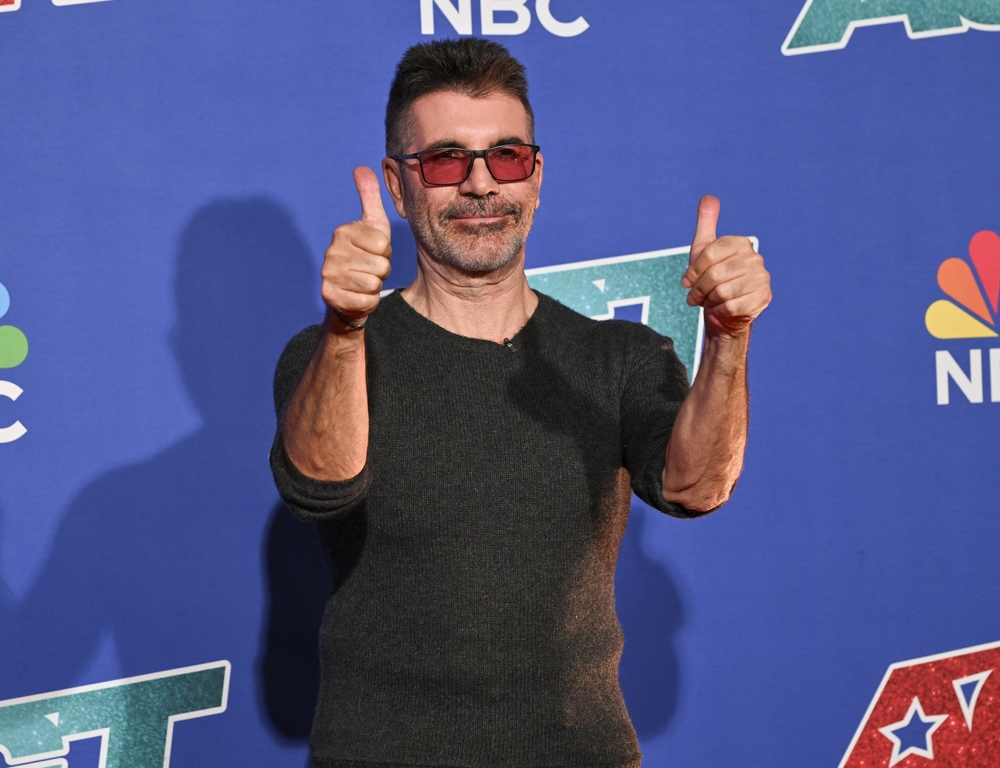
Simon Cowell has been blunt that his son won’t inherit his fortune. He’s said he plans to give most of his money to charity instead. Cowell believes success should be earned, not transferred. He’s unusually candid about this philosophy.
Cowell doesn’t see money as the thing worth passing down. Influence, example, and work ethic matter more to him. His wealth was the result of risk and taste—not something he thinks can be meaningfully inherited. The fortune, in his view, would only get in the way.
9. Daniel Craig
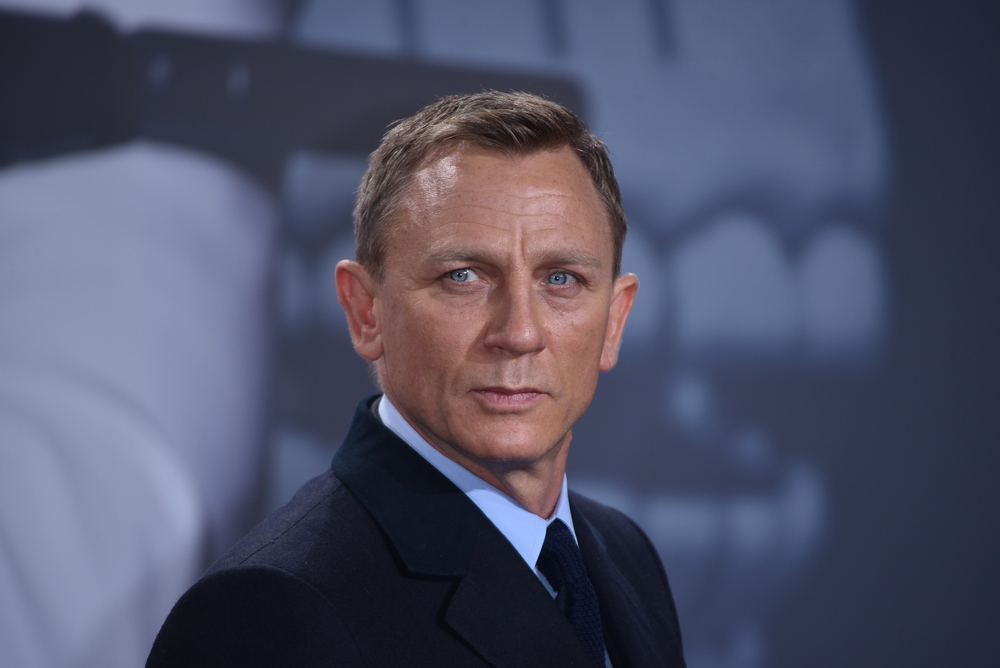
Daniel Craig has stated that he doesn’t plan to leave his fortune to his children. He’s described inheritance as “distasteful” and believes money should circulate rather than stagnate. His perspective is shaped by seeing how wealth can freeze growth. Comfort, he argues, isn’t the same as fulfillment.
Craig sees money as something best used actively, not preserved passively. By redirecting it elsewhere, he avoids turning his children into custodians of his success. Their lives aren’t meant to orbit his career.
10. Anderson Cooper
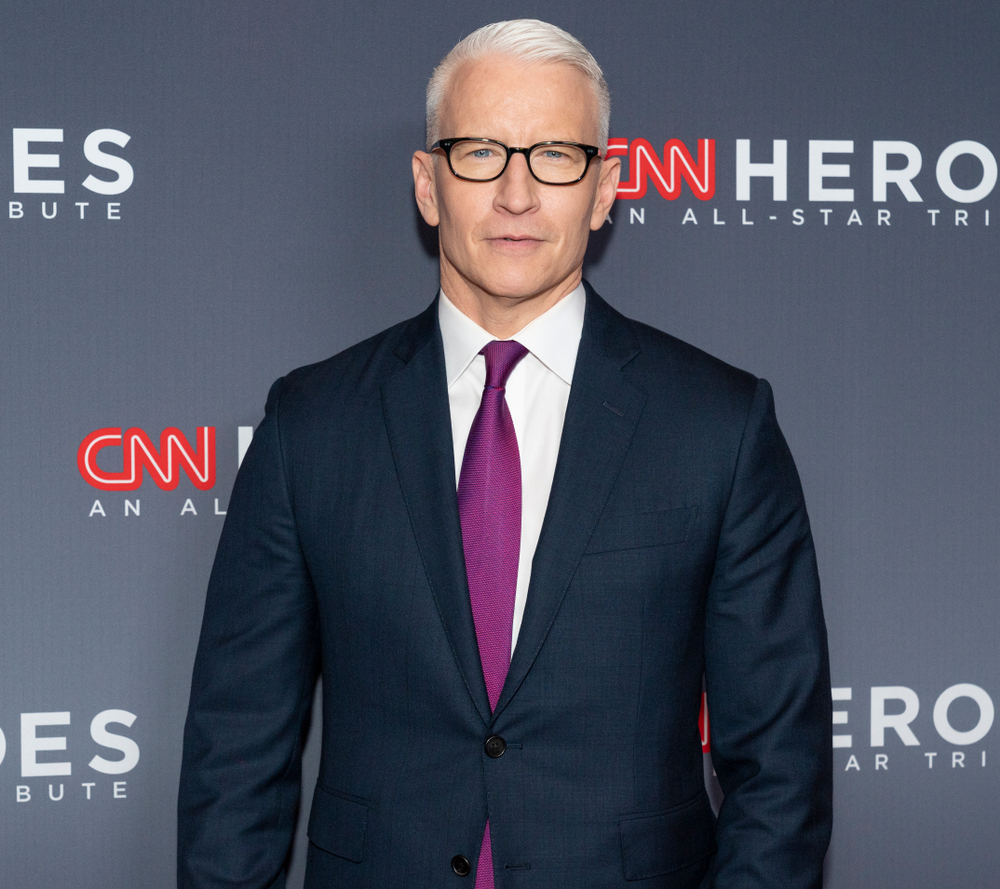
Anderson Cooper grew up around extreme wealth and watched how it distorted family dynamics. He has said his son will not inherit a massive fortune. Cooper has described inheritance as something that can quietly flatten ambition. Having seen both sides, he’s deeply skeptical of its benefits.
He’s not theorizing—he’s responding to what he witnessed. He wants his son to build something that belongs to him. In that sense, refusing an inheritance becomes an act of protection.
11. Marie Osmond
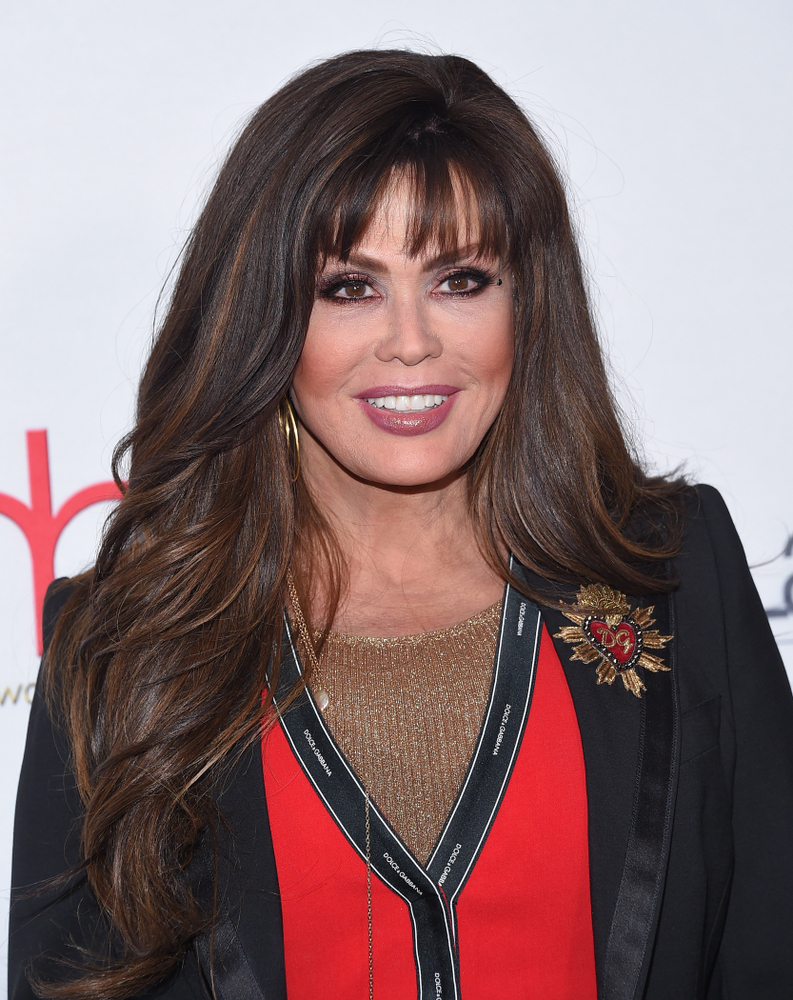
Marie Osmond has said she does not plan to leave her children an inheritance. She’s spoken openly about seeing how money can distort family dynamics and ambition. For her, wealth felt like something that could interrupt adulthood rather than support it. She chose a cleaner line.
She watched success complicate relationships in real time. By removing money from the equation, she aimed to keep responsibility intact. In her view, love didn’t require a financial afterlife.
12. Gene Simmons
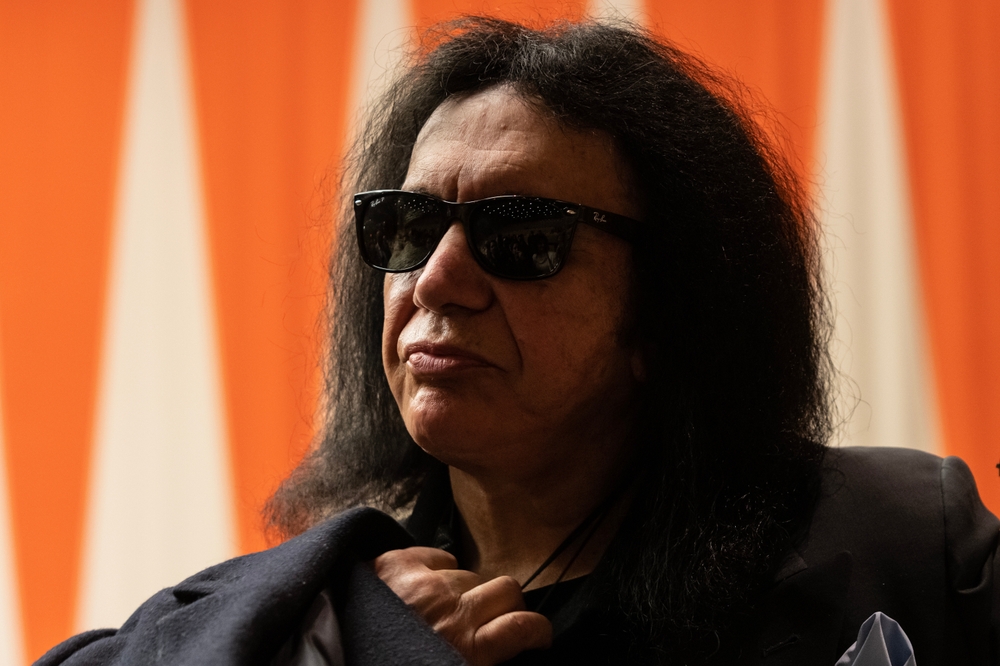
Gene Simmons has been unapologetic about not leaving his children a fortune. He’s said repeatedly that he wants them to work, struggle, and develop competence without relying on his success. Comfort was never the goal. Capability was.
Simmons frames money as something that should follow effort, not precede it. His children grew up aware of privilege, but not entitled to it. Wealth, to him, was something to be earned repeatedly, not inherited once.
13. Mick Jagger
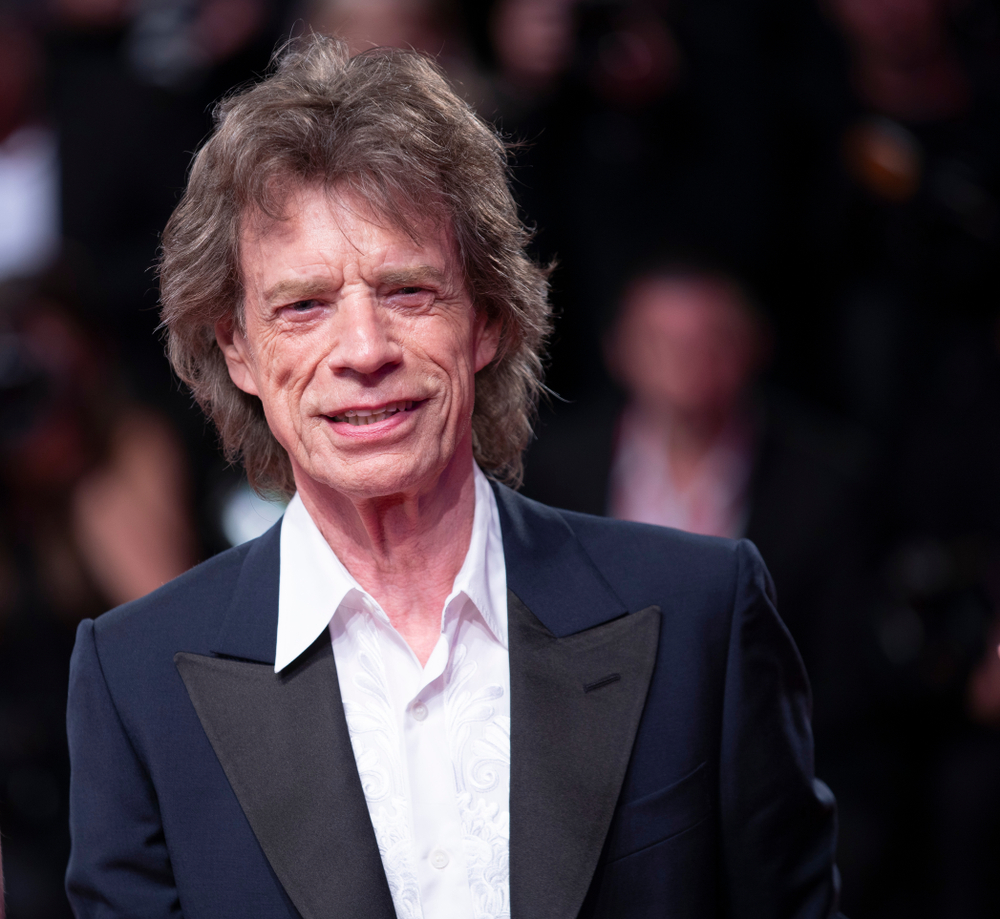
Mick Jagger has indicated that his children will not inherit the majority of his enormous fortune. With a large family and a career spanning decades, he’s been deliberate about separating legacy from money. The Rolling Stones’ success wasn’t meant to define his children’s futures.
When wealth reaches that level, inheritance stops being supportive and starts being distorting. Jagger appears to understand that his success is too singular to pass down cleanly. Letting it go becomes a way of not burdening the next generation with it.
14. George Lucas
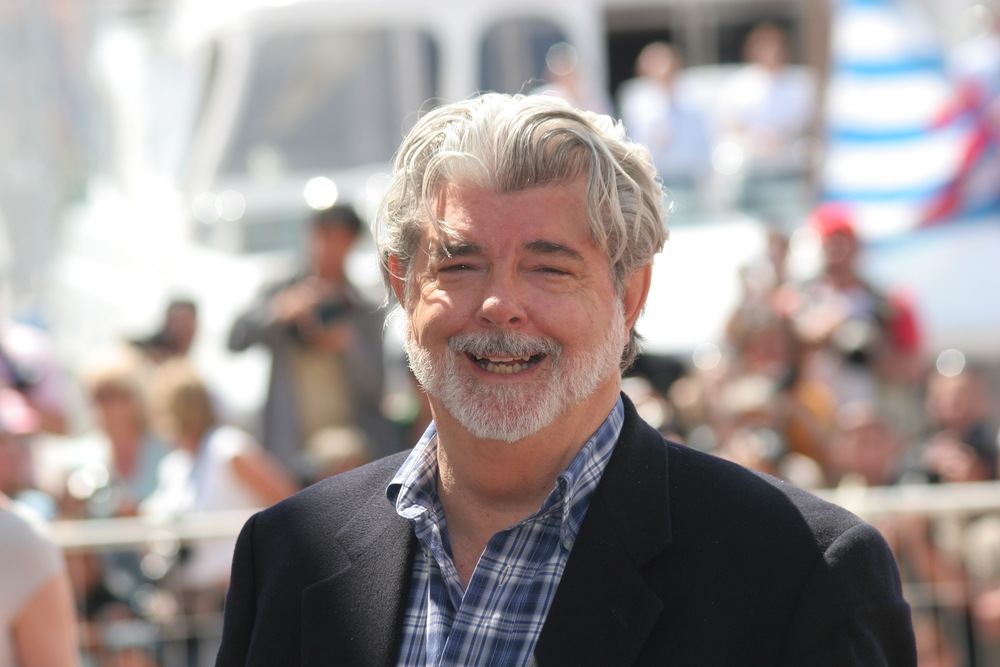
George Lucas has committed most of his fortune to philanthropy rather than inheritance. After selling Lucasfilm, he made it clear that his wealth would be used for education and social impact. His children would be supported, but not endowed. The fortune had another destination.
Lucas treated money as a temporary steward rather than a family heirloom. The work mattered more than ownership. By redirecting his wealth outward, he avoided turning his children into caretakers of his legacy.
This article is for informational purposes only and should not be construed as financial advice. Consult a financial professional before making investment or other financial decisions. The author and publisher make no warranties of any kind.