


For a long time, renting in America felt like a losing game no matter where you played it. Prices climbed, protections lagged, and landlords held most of the leverage while renters adjusted their expectations downward. Subtly, that balance has started to shift in a few places—not because rents suddenly got cheap, but because power did. These cities are where renters are no longer just absorbing increases, but actually gaining ground.
1. Minneapolis, Minnesota

Minneapolis didn’t suddenly become a renter’s paradise, but it did something more meaningful: it built aggressively. Zoning reforms allowed more multi-family housing in areas that were previously locked into single-family rules. This slowly eased pressure across the market. Supply didn’t fix everything overnight, but it changed the tone of negotiations. Renters stopped feeling like they were competing for scraps.
What’s noticeable now is choice. Units sit longer, concessions show up more often, and landlords have to explain themselves instead of issuing take-it-or-leave-it offers. The power shift isn’t dramatic—it’s subtle, and that’s why it’s working.
2. Kansas City, Missouri

Kansas City has benefited from being overlooked for a long time. New development came in steadily rather than explosively, and rent growth never fully detached from local wages. That moderation created breathing room when other cities overheated. Renters here feel less cornered.
The result is a market where moving isn’t a financial crisis. Leases are negotiable, renewals aren’t automatic hikes, and landlords still need tenants more than tenants need any single unit. Stability turned out to be an advantage.
3. Austin, Texas

Austin was one of the most punishing rental markets in the country—until it wasn’t. According to housing supply and rent trend data from Zillow and the Austin Board of Realtors, a massive wave of new apartment construction finally caught up with demand. Rent growth slowed sharply, and in many cases reversed. The shift was fast enough to feel jarring.
What changed for renters was leverage. Empty units stacked up, incentives returned, and landlords started competing again. Austin didn’t become cheap, but it became negotiable. That alone feels like winning.
4. Cleveland, Ohio
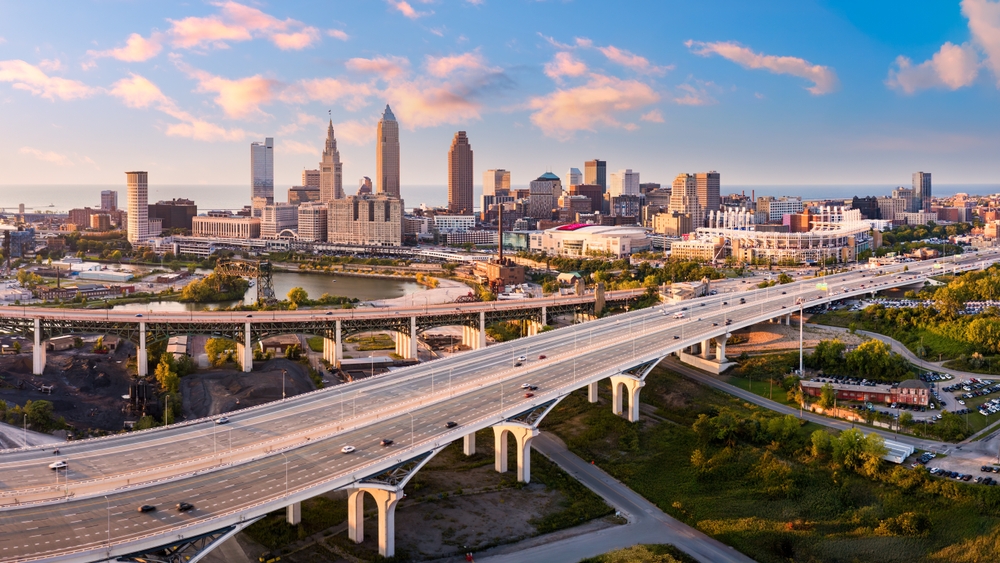
Cleveland’s advantage is just simple math. Rents never fully decoupled from incomes, and housing stock remained plentiful relative to population. While other cities chased growth at any cost, Cleveland stayed steady. That steadiness now looks intentional.
Renters here experience less volatility. Moves don’t trigger sticker shock, and long-term renting doesn’t feel like a temporary failure state. The city’s lack of hype ended up protecting renters in ways flashier markets didn’t.
5. Portland, Oregon
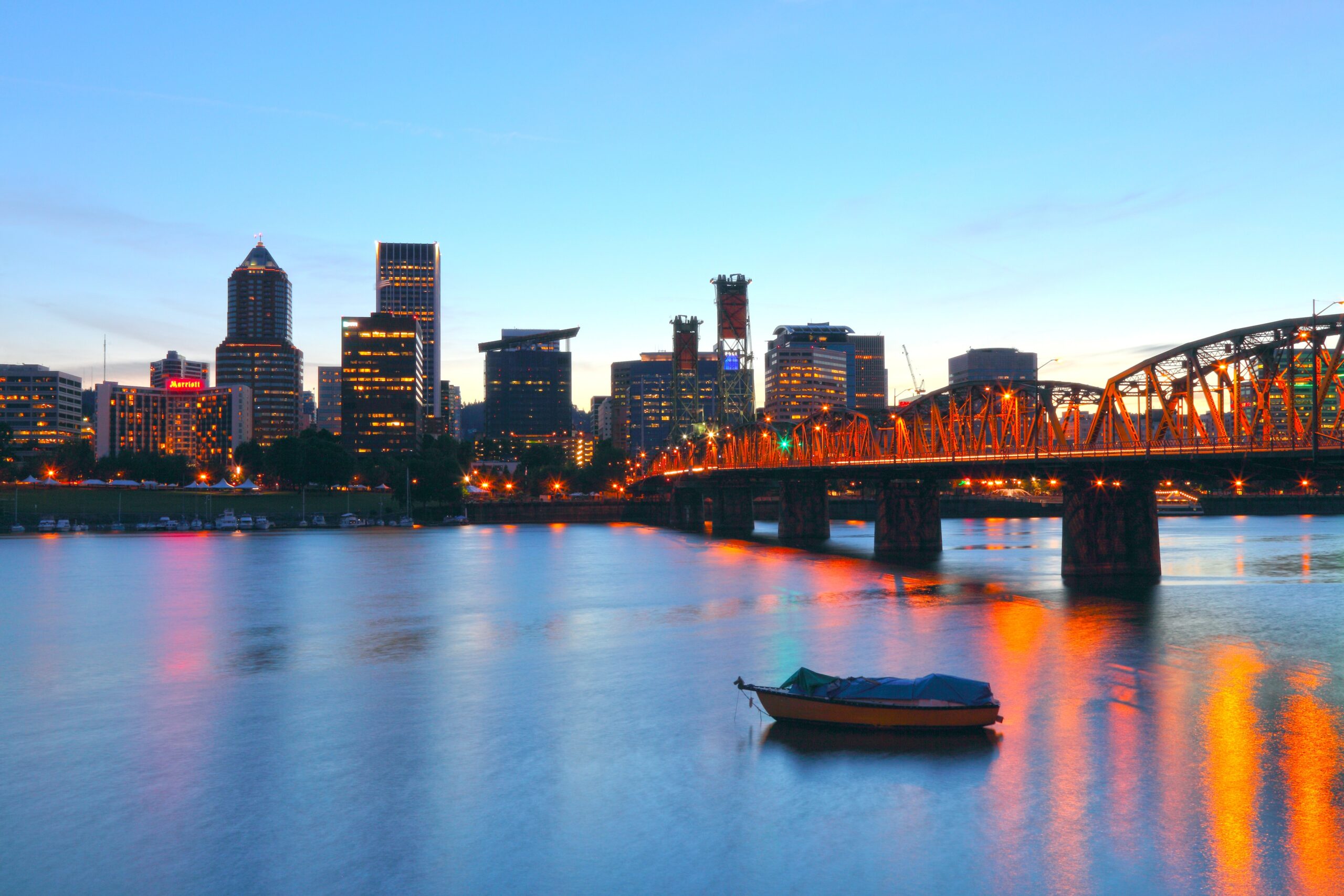
Portland renters benefit from one of the strongest tenant-protection frameworks in the country. According to policy analysis from the Urban Institute and reporting on Oregon’s statewide rent stabilization laws, caps on rent increases and stronger relocation protections shifted leverage meaningfully toward tenants. The rules don’t eliminate increases, but they limit unpredictability. That matters more than it sounds.
With clearer boundaries, landlords have fewer pressure points to exploit. Renters can plan, push back, and stay put without constant fear of sudden displacement. Power doesn’t just come from lower prices—it comes from predictability.
6. Detroit, Michigan
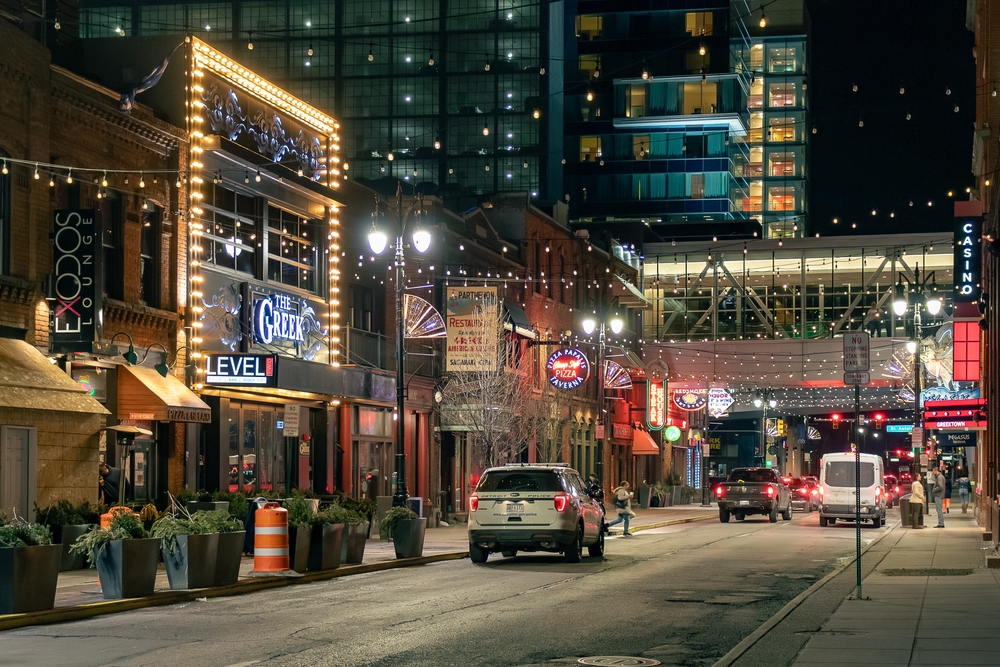
Detroit’s rental market has been resetting expectations. Population stabilization, coupled with slow but steady redevelopment, has kept rents from spiraling the way they did elsewhere. The city’s sheer housing stock gives renters options, which immediately changes the power dynamic. When alternatives exist, leverage follows.
What renters feel most is room to breathe. Landlords can’t rely on artificial scarcity, and turnover doesn’t automatically justify a spike. Renting here feels less like a holding pattern and more like a sustainable choice.
7. Tucson, Arizona
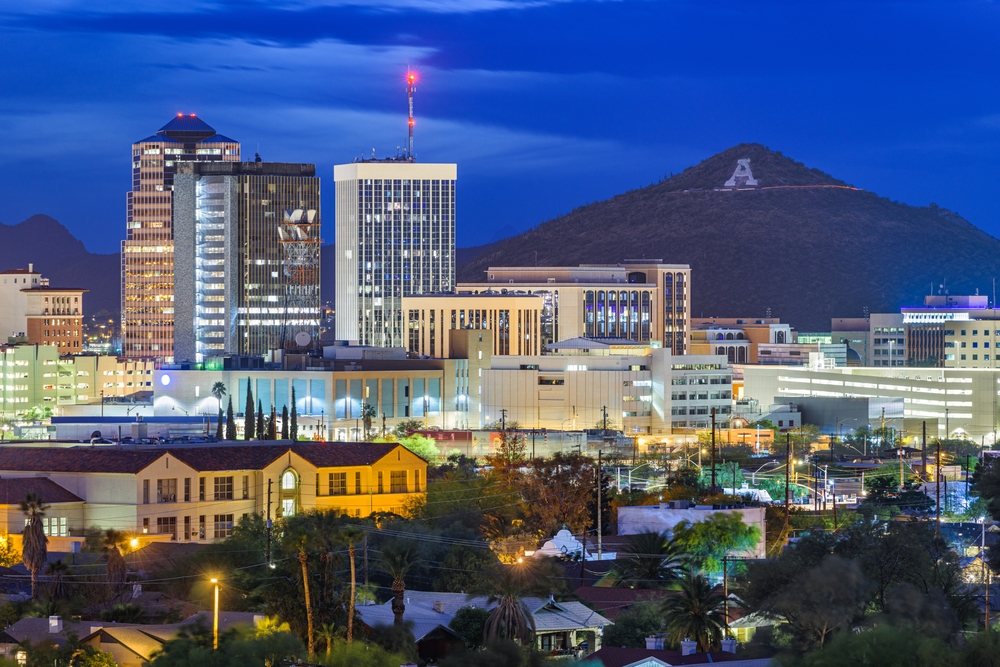
Tucson benefits from being overshadowed by Phoenix while absorbing some of the same migration. Growth arrived, but not at a pace that overwhelmed supply. The city expanded rental options without fully pricing out locals. That balance is starting to show.
For renters, the experience feels calmer. Prices still rise, but negotiations happen, and renewals don’t feel like ultimatums.
8. Phoenix, Arizona

Phoenix renters went through one of the most brutal rent surges in the country, which makes the recent shift especially noticeable. According to rent trend data from Apartment List and housing supply analysis by Redfin, a flood of new multifamily construction has cooled the market significantly. Rent growth slowed, then flattened, and in some areas declined. The reversal caught many landlords off guard.
What renters feel now is momentum swinging back. Units linger, incentives return, and asking prices soften. After years of one-sided increases, Phoenix renters finally have something to work with.
9. Denver, Colorado

Denver’s rental market cooled as supply finally caught up with years of demand. According to housing market analysis from Zillow and the Denver Metro Association of Realtors, new apartment deliveries eased pressure across the region. Rent growth slowed enough to change renter behavior. People stopped panic-signing leases.
That pause is powerful. When renters can wait, compare, and push back, pricing discipline follows. Denver didn’t become affordable overnight, but the urgency disappeared. Losing urgency is often the first real win renters get.
10. Pittsburgh, Pennsylvania
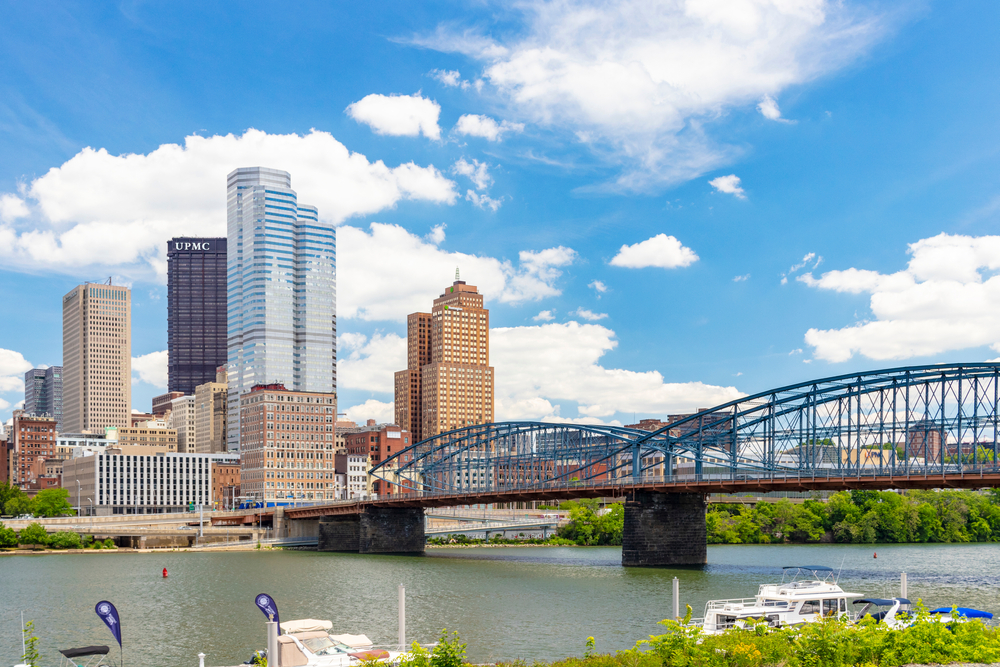
Pittsburgh has maintained one of the most renter-friendly balances in the country. A strong education and healthcare base provides steady demand without speculative spikes. Development keeps pace without overshooting. The city avoids extremes.
Renters here don’t feel like they’re constantly racing a market. Leases renew predictably, moving is feasible, and long-term renting doesn’t feel like a gamble. Stability doesn’t make headlines, but it reshapes lived experience.
11. Chicago, Illinois

Chicago has long been written off as a “declining” city, but that narrative missed what it did for renters. Population loss eased pressure on housing while development stayed relatively consistent, which kept rents from detaching completely from incomes. Neighborhoods still vary widely, but choice exists in a way it doesn’t in many peer cities.
For renters, the difference shows up in flexibility. You can move without resetting your entire budget, and staying put doesn’t feel like surrender. Chicago didn’t need a boom to help renters—it just needed time to cool.
12. St. Louis, Missouri
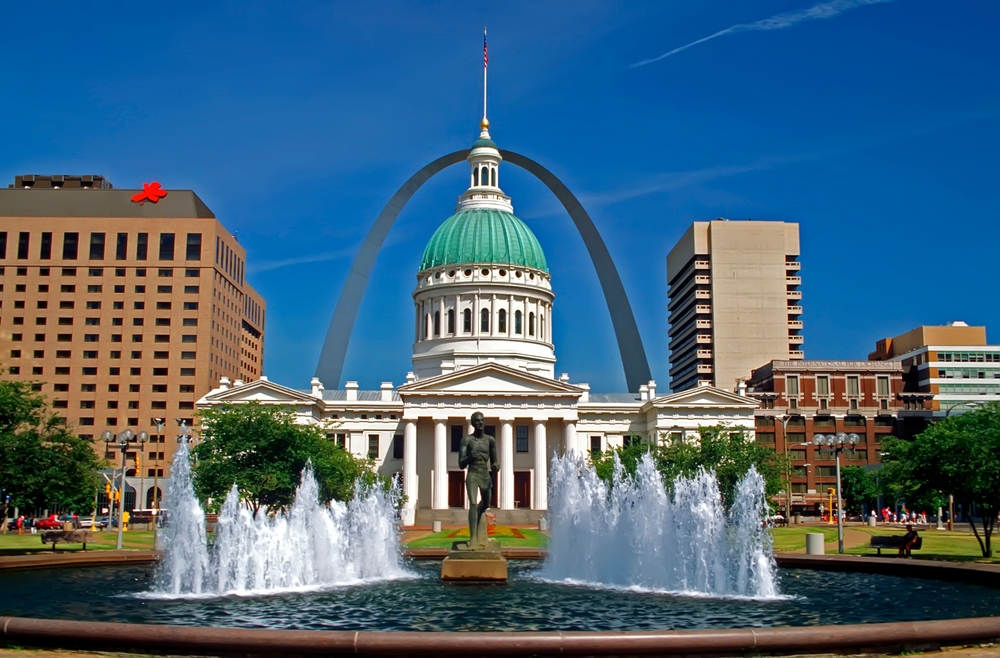
St. Louis benefits from a combination of surplus housing and modest demand growth. The city never experienced the speculative frenzy that distorted other markets, which preserved a more rational rental landscape. Even as certain neighborhoods heat up, the broader market keeps prices in check. Extremes cancel each other out.
Renters feel this as optionality. If a lease turns sour, alternatives exist nearby at comparable prices. That alone changes how negotiations play out. When leaving is possible, staying becomes a choice rather than a concession.
13. Columbus, Ohio

Columbus grew steadily without fully losing control of its housing supply. Development tracked demand closely enough to prevent severe shortages, even as the city attracted new residents. Rent increases happened, but they didn’t spiral. The market stayed responsive.
Landlords adjust, incentives appear, and pricing reflects competition rather than assumption. Columbus isn’t cheap, but it’s fairer than expected. Fairness goes a long way in restoring balance.
14. Baltimore, Maryland
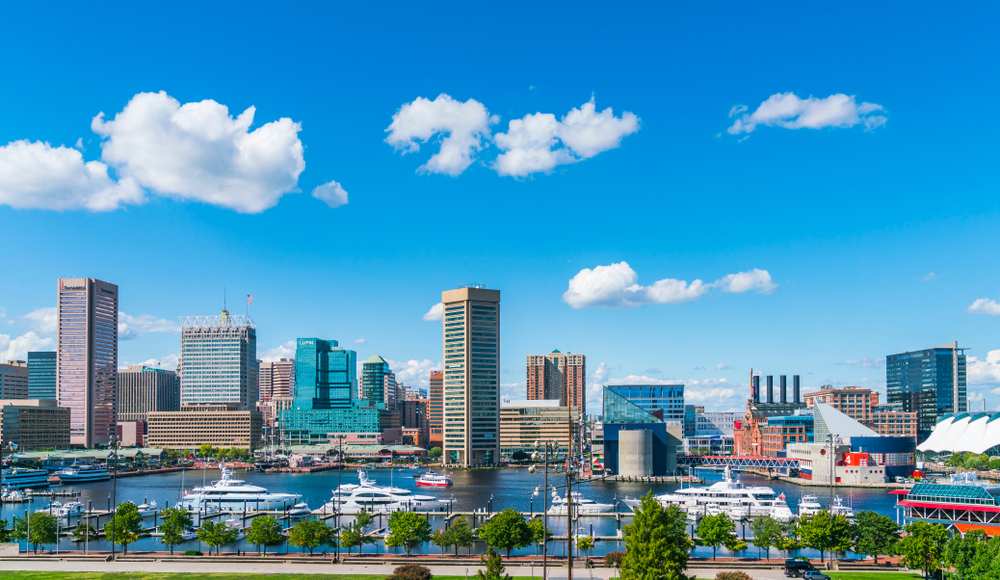
Baltimore’s rental market reflects its patchwork nature—some areas surge while others remain accessible. That unevenness creates pressure valves rather than citywide strain. Renters who know the city can navigate it without constant escalation. Knowledge becomes currency.
The result is a market where renters aren’t universally boxed in. Neighborhood choice, price variation, and tenant protections give people room to maneuver. Baltimore doesn’t feel like a renter’s paradise, but it does feel negotiable—and that’s where wins usually start.
This article is for informational purposes only and should not be construed as financial advice. Consult a financial professional before making investment or other financial decisions. The author and publisher make no warranties of any kind.