




Crafting a budget and sticking to it can feel like trying to keep sand from slipping through your fingers. You make plans, set goals, and then life happens—disrupting even your best intentions. The good news is that budgeting doesn’t have to be an uphill battle. With a few clever hacks, you can maintain a budget that works for you without feeling like you’re constantly fighting against it. Here are 13 smart ways to keep your financial plan on track without sacrificing your sanity.
1. Track Every Penny

Keeping a detailed account of where your money goes can be an eye-opener. Use budgeting apps like Mint or YNAB (You Need A Budget) to track your expenses in real time. This will help you see spending patterns you didn’t realize existed—like how much you actually spend on dining out. Once you have this data, you can make more informed decisions about where to cut back.
Arming yourself with this information gives you the power to make adjustments that can significantly impact your overall financial health. By tracking every penny, you hold yourself accountable and can set more realistic financial goals. It also allows you to spot leaks in your budget and take corrective action quickly. The mere act of monitoring expenses often curbs unnecessary spending.
2. Implement a No-Spend Day

One way to stick to your budget is to have regular no-spend days. Choose one day a week or month where you commit to not spending any money at all. Author and personal finance expert Ramit Sethi advocates for no-spend days as a way to reset spending habits. These days encourage you to get creative with what you already have and focus on non-material enjoyment.
No-spend days help cultivate mindfulness about your spending and consumer habits. You begin to appreciate the value of what you already own and discover new ways to enjoy your time. It’s also a perfect opportunity to reflect on your financial goals and progress. Over time, these days can contribute significantly to your overall savings.
3. Set Small Attainable Goals

Setting realistic financial goals is crucial for maintaining a successful budget. Begin by distinguishing between needs and wants, ensuring that your goals reflect your priorities. According to financial experts at NerdWallet, it’s important to have a clear, achievable goal in mind—whether it’s paying off debt, saving for a house, or planning a vacation. Break these larger goals into smaller, manageable tasks to avoid feeling overwhelmed.
By setting realistic goals, you empower yourself to make progress without frustration. This process also creates a sense of accomplishment as you check off each small milestone. Moreover, having clear goals helps you say no to temptations that don’t align with your financial plans. In the long run, realistic goals provide a roadmap that guides your spending and saving decisions.
4. Use the Envelope System

The envelope system is a time-tested budgeting strategy that works wonders for many. The idea is simple: withdraw cash for specific budget categories and place it in a designated envelope. Spend only from these envelopes for their intended purpose, whether it’s groceries, entertainment, or dining out. This tactile approach makes spending limits tangible and helps prevent overspending.
As you physically see the cash dwindle, you become more mindful of your spending choices. This method removes the ambiguity of digital transactions, making you feel each dollar spent. It can also cultivate discipline and turn budgeting into a more interactive process. While it may seem old-fashioned, the envelope system has stood the test of time for good reason.
5. Set Up a Savings Transfer

The best way to save money is to ensure you never see it in the first place. Set up an automatic transfer from your checking account to a savings account each month. This tactic removes the temptation to spend and makes saving a habit rather than a chore. According to a study by the Financial Planning Association, people who automate their savings goals are more likely to achieve them compared to those who don’t automate.
Not only does automation streamline your financial life, but it also provides peace of mind. When your savings grow consistently, you build a safety net for unexpected expenses. Over time, even small amounts can accumulate into a significant fund. Plus, knowing you have savings automatically transferred each month helps reduce financial stress and decision fatigue.
6. Shop with a List

Heading to the store without a plan is a surefire way to overspend. A shopping list helps keep you focused and prevents impulse buys. Before you shop, take inventory of what you already have, making a list that aligns with your meal plans and needs. Stick to this list religiously to avoid straying into unnecessary purchases.
Shopping with a list not only helps you save money but also time. You’ll find your trips are quicker and more efficient, as you won’t be wandering aisles aimlessly. By planning your purchases, you reduce waste and make your budget work harder for you. In the grand scheme, lists keep your spending aligned with your financial goals.
7. Cut Unnecessary Subscriptions

In the age of auto-renew, it’s easy to forget about subscriptions that chip away at your budget. Take a close look at all your recurring subscriptions, from streaming services to magazines, and determine which ones you truly use. According to Consumer Reports, many people waste hundreds of dollars a year on subscriptions they don’t use. Cancel or downgrade services that no longer serve you, and notice the immediate impact on your budget.
By cutting unnecessary subscriptions, you not only save money but also declutter your financial statements. It’s a chance to realign your spending with your current interests and needs. Moreover, this process often sparks a broader evaluation of other areas in your budget that could use trimming. Ultimately, cutting back on subscriptions is a straightforward way to free up cash for more meaningful expenses.
8. Meal Prep and Stop Eating Out

Meal prepping is a practical approach to cut down on food expenses and waste. By planning and preparing meals in advance, you reduce the temptation to eat out or order takeout. Designate a time each week to plan meals, shop for ingredients, and cook in batches. This strategy not only saves money but also ensures you’re eating healthier by controlling portions and ingredients.
Embracing meal prepping also adds structure to your week and reduces the daily decision-making burden. It’s an opportunity to try new recipes and add variety to your diet. With prepared meals ready to go, you free up time on busy days while sticking to your budget. Over time, you’ll notice notable savings and an improved relationship with food.
9. Hide Your Credit Card for Emergencies
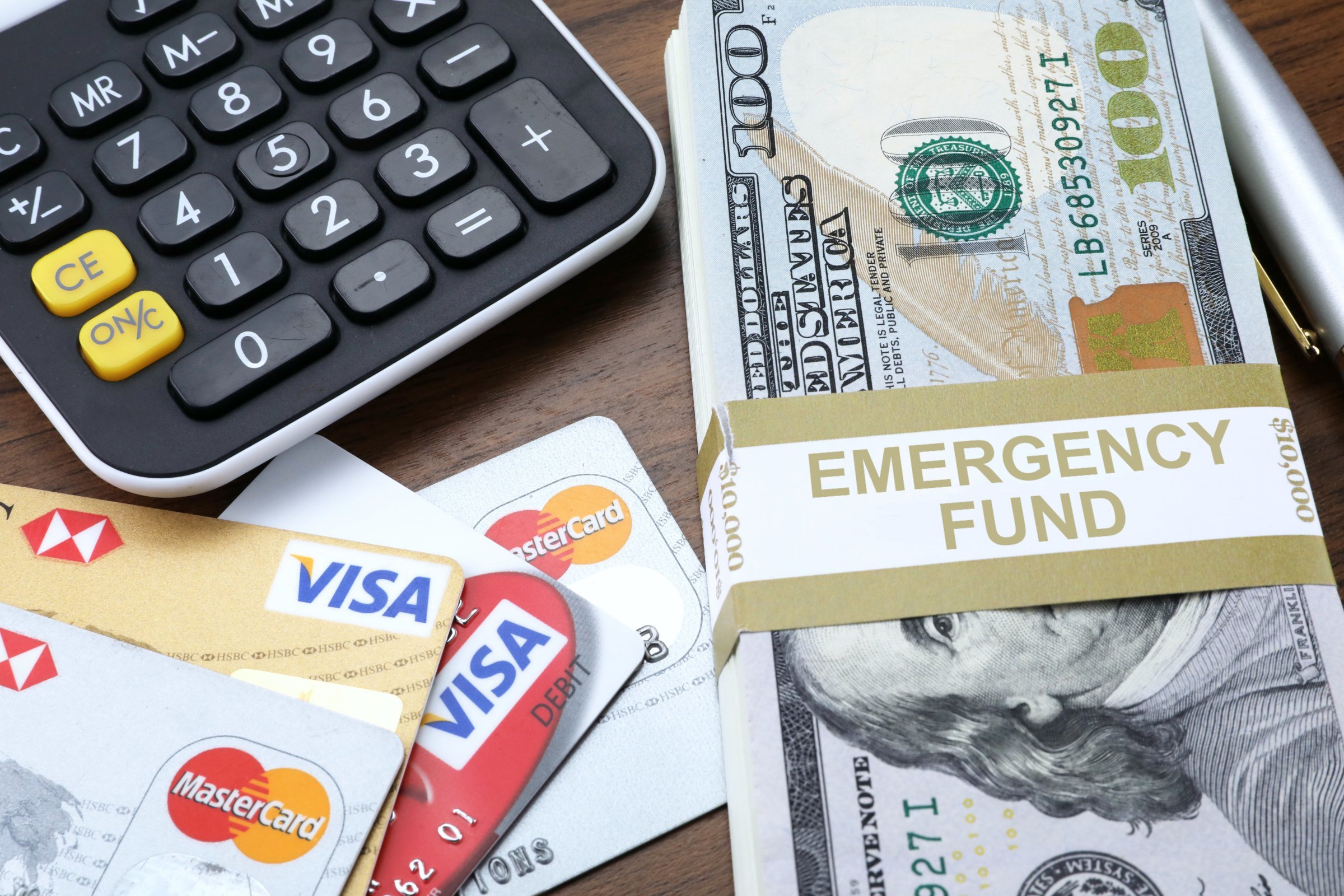
Credit cards can be a slippery slope when it comes to maintaining a budget. It’s easy to swipe without thinking about the repercussions until the bill arrives. Set a limit on your credit card usage, reserving it for emergencies or planned expenses. Consider carrying cash for daily expenses to maintain a tangible sense of spending.
Limiting credit card use forces you to be more intentional with your purchases. You become more aware of your financial limits and reduce the risk of accruing unwanted debt. This practice also helps you build better financial habits, focusing on spending money you actually have. Over time, you’ll find it easier to live within your means and meet your financial goals.
10. Create an Emergency Fund

An emergency fund is your financial safety net, essential for dealing with unexpected expenses. Aim to save three to six months’ worth of living expenses in a separate account. This fund provides peace of mind and keeps you from derailing your budget when surprises occur. Start small if you need to, but make it a priority.
Building an emergency fund is an investment in your financial stability. It reduces anxiety about future uncertainties and empowers you to handle crises without financial stress. By having this cushion, you prevent the need to dip into savings or use credit cards for emergencies. Over time, an emergency fund becomes a cornerstone of responsible financial planning.
11. Look Out for Sales and Coupons

Sales and coupons are excellent tools for stretching your budget further. Stay informed about upcoming sales at your favorite stores and collect coupons for items you regularly buy. Apps and websites like Honey and RetailMeNot make it easier than ever to find deals and discounts. Timing your purchases with sales events can significantly reduce your expenses.
However, it’s crucial to avoid the pitfall of buying something just because it’s on sale. Make sure that any sale purchases are in line with your needs and budget. Used wisely, sales and coupons enhance your buying power and help you stick to your budget. In the long run, consistent savings can accumulate to a substantial amount.
12. Reassess Your Budget Often

A budget isn’t a set-it-and-forget-it tool—it requires ongoing assessment and tweaking. Regularly reviewing your budget helps you stay on track and adjust for life’s changes. Schedule a monthly or quarterly budget check-in to evaluate your spending and saving habits. This practice keeps your financial goals aligned with your current circumstances.
Reassessing your budget can reveal areas where you’re excelling or falling short. It’s an opportunity to celebrate small victories and refine strategies for improvement. By staying actively engaged with your budget, you make it a living document that serves you better. Ultimately, regular reviews help ensure your financial plan is effective and realistic.
13. Commit to Your Budget and Reward Yourself

Rewarding yourself is an important part of maintaining a healthy budgeting mindset. Celebrate your financial wins, no matter how small, to stay motivated and positive. Set aside a small portion of your budget for a treat or experience when you reach a milestone. This reinforces positive behavior and makes sticking to your budget feel less restrictive.
Choosing rewards that align with your values enhances their impact. Whether it’s a favorite meal out, a new book, or a day trip, make sure it’s something you’ll genuinely enjoy. By incorporating rewards into your budget, you acknowledge your progress and make the journey to financial wellness more enjoyable. In the end, rewards remind you that budgeting is about balance, not deprivation.
This article is for informational purposes only and should not be construed as financial advice. Consult a financial professional before making investment or other financial decisions. The author and publisher make no warranties of any kind.