




Gen Z doesn’t collect things because someone told them they’d be worth money one day. They collect things because those objects were part of their actual lives—things they used, shared, posted, or grew up with. A lot of what they’re holding onto still looks like junk to older Americans, which is why it keeps getting tossed, donated, or ignored. That gap in perception is exactly how these items are slipping into collectible territory without much notice.
1. Early Pokémon And Yu-Gi-Oh Cards
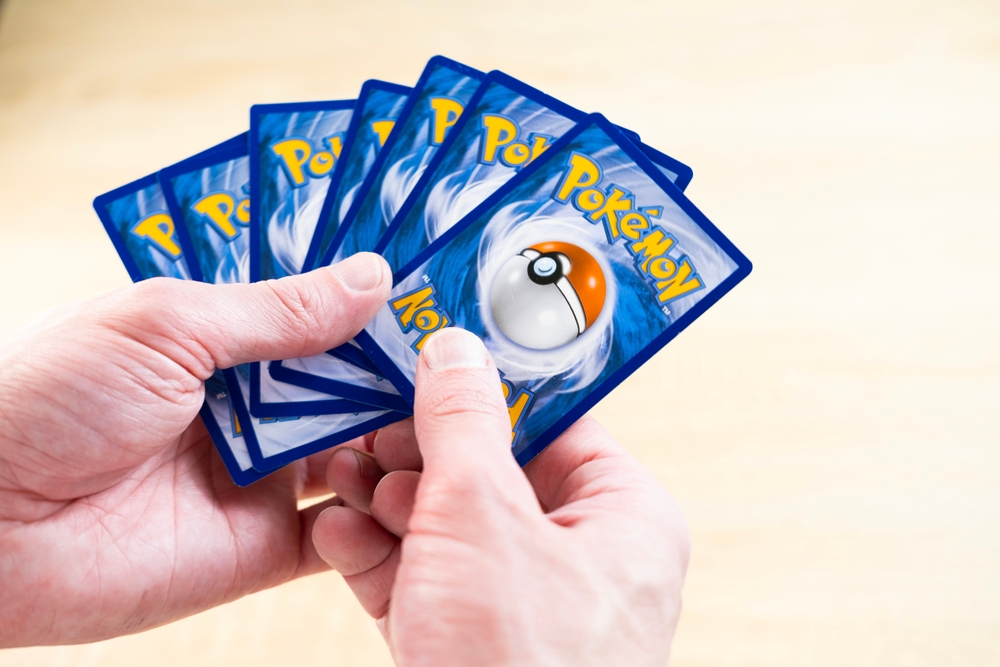
To a lot of older Americans, trading cards still feel like something kids were supposed to outgrow. They were bent, traded on playgrounds, and stuffed into backpacks without much thought. According to auction data and market reporting from Heritage Auctions and The New York Times, early Pokémon and Yu-Gi-Oh cards—especially from original print runs—have steadily climbed in value. Many of the most valuable cards aren’t rare because they were limited, but because so few survived childhood.
Gen Z collectors tend to understand this instinctively. These cards weren’t just games—they were shared experiences that crossed schools, countries, and the early internet. The ones that made it through undamaged feel like survivors.
2. Early Digital Cameras From The 2000s
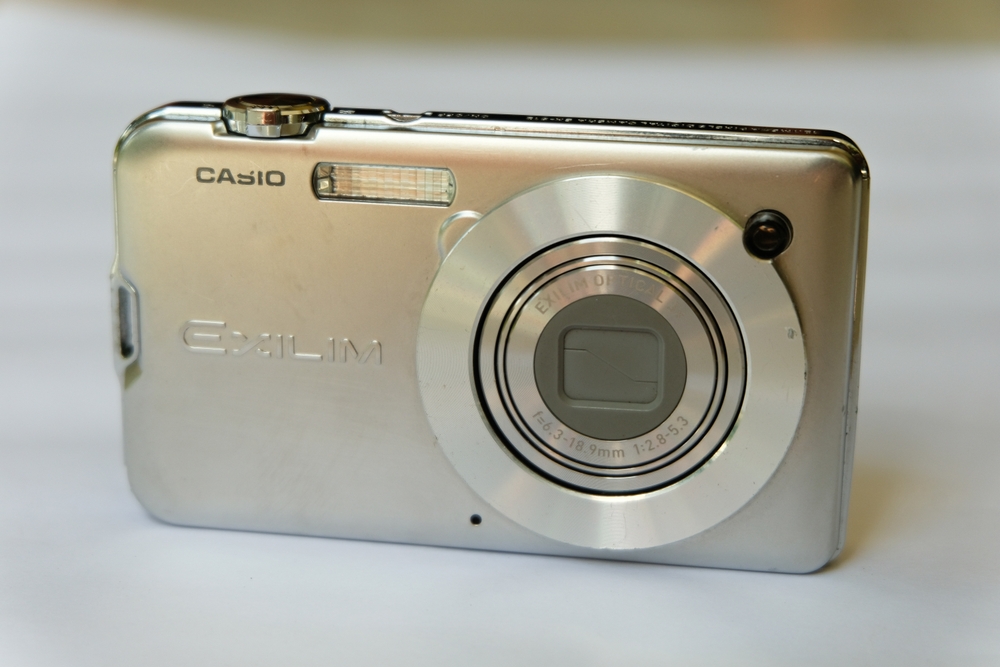
Early digital cameras are often seen as obsolete tech that should’ve been recycled years ago. They’re bulky, grainy, and nowhere near as sharp as a smartphone. Gen Z keeps buying them anyway because the photos don’t look curated or perfect. They look like what actually happened.
These cameras force you to slow down and accept the result. You don’t edit endlessly or reshoot everything. As more of these cameras stop working or get discarded, the remaining functional ones become harder to find. What looks outdated to one generation feels irreplaceable to another.
3. Out-Of-Print Manga And Graphic Novel Volumes
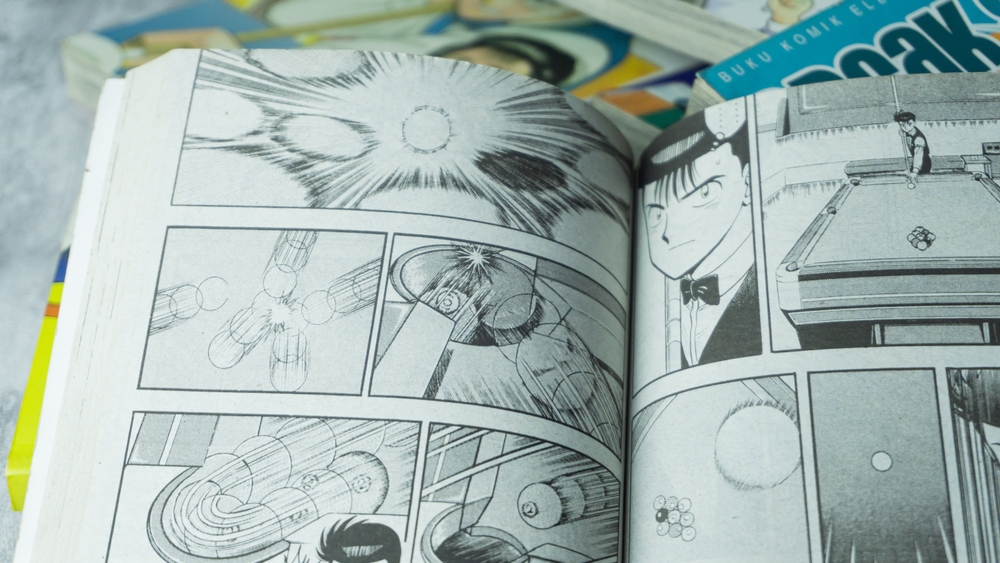
For a long time, manga and graphic novels were treated as disposable reading material. According to publishing and resale analysis reported by Publishers Weekly and NPR, out-of-print volumes—especially early English translations or niche titles—are becoming increasingly difficult to find. Once a run stops printing, it often never comes back in the same form. Availability drops quietly.
Gen Z collectors aren’t necessarily chasing pristine copies. They care about having access to the exact version they remember reading or seeing online. Older Americans often miss this because they still see comics as silly entertainment.
4. Early Internet Creator Merch
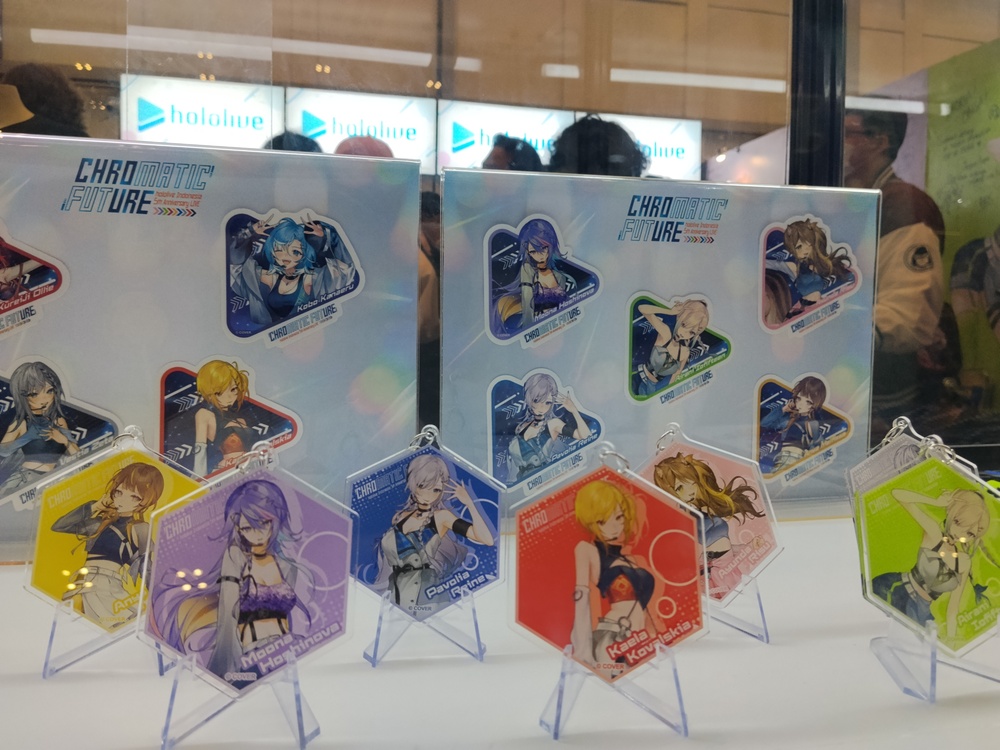
Merch from early YouTubers, Vine creators, and niche internet communities doesn’t look valuable at first glance. It was often cheaply made, produced in small batches, and worn constantly. Most people assumed it would never matter. Very little of it was saved intentionally.
Gen Z recognizes these items as markers of a specific moment online, before everything became professionalized and mass-produced. Once those creators moved on or platforms disappeared, the merch stopped being made. What remains is rare, even if it doesn’t look impressive on a hanger.
5. Physical Music Releases From Online-First Artists
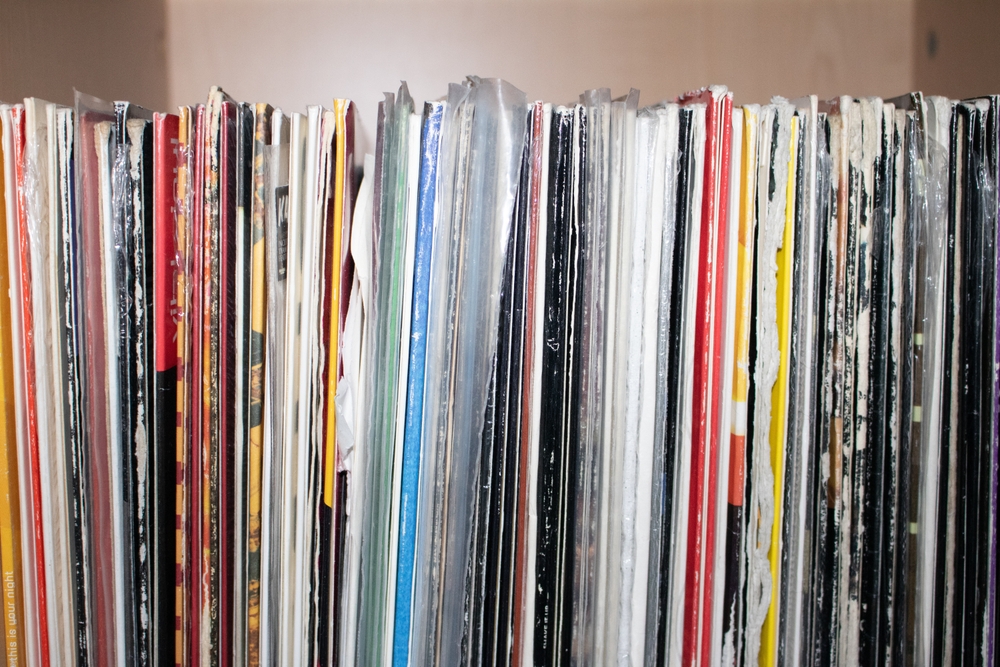
Owning a CD or vinyl record from an artist who mainly exists online can feel pointless to older generations. According to music industry analysis from Billboard and resale trend reporting cited by Rolling Stone, Gen Z collectors increasingly seek out physical releases tied to early stages of an artist’s career. Limited runs sell out quickly and aren’t always reissued. Timing matters more than format.
For Gen Z, these items mark when they found an artist, not just that they listened. Streaming doesn’t leave evidence. Physical copies do. Older Americans often see clutter where Gen Z sees proof of being there early.
6. Early Smartphone Accessories
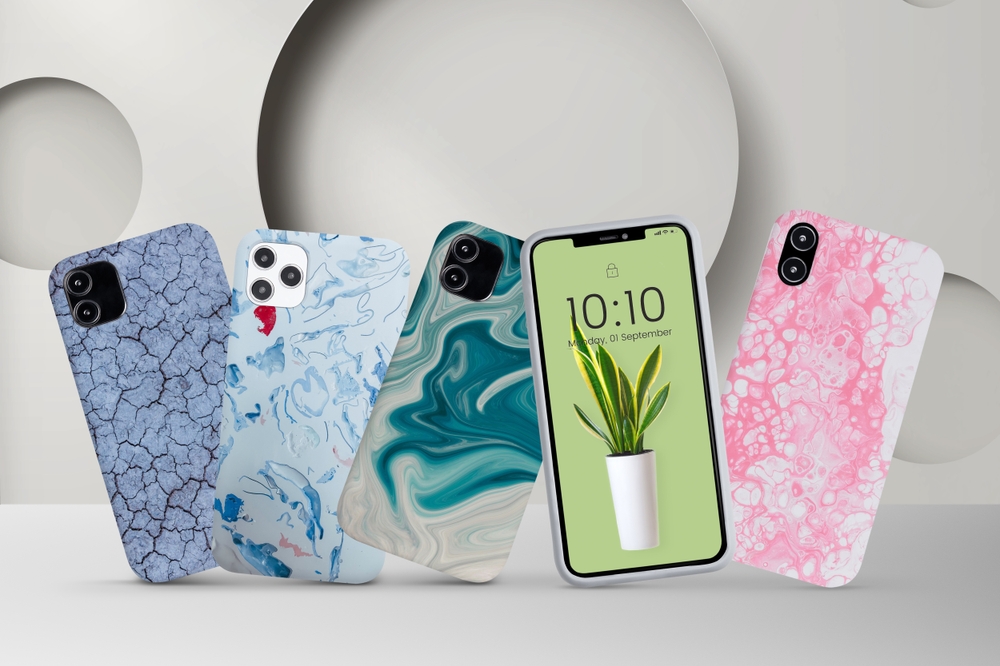
Phone cases, wired earbuds, and early accessories were treated as disposable by default. They cracked, yellowed, or got lost, and no one thought twice about replacing them. Most were tossed as soon as phones were upgraded. Very few were saved intentionally.
Gen Z now looks back at certain early designs as markers of a specific tech era. Accessories tied to first-generation iPhones or early Android phones carry visual cues that newer versions don’t replicate. What survived feels oddly specific now.
7. Vintage Video Games From The Cartridge Era
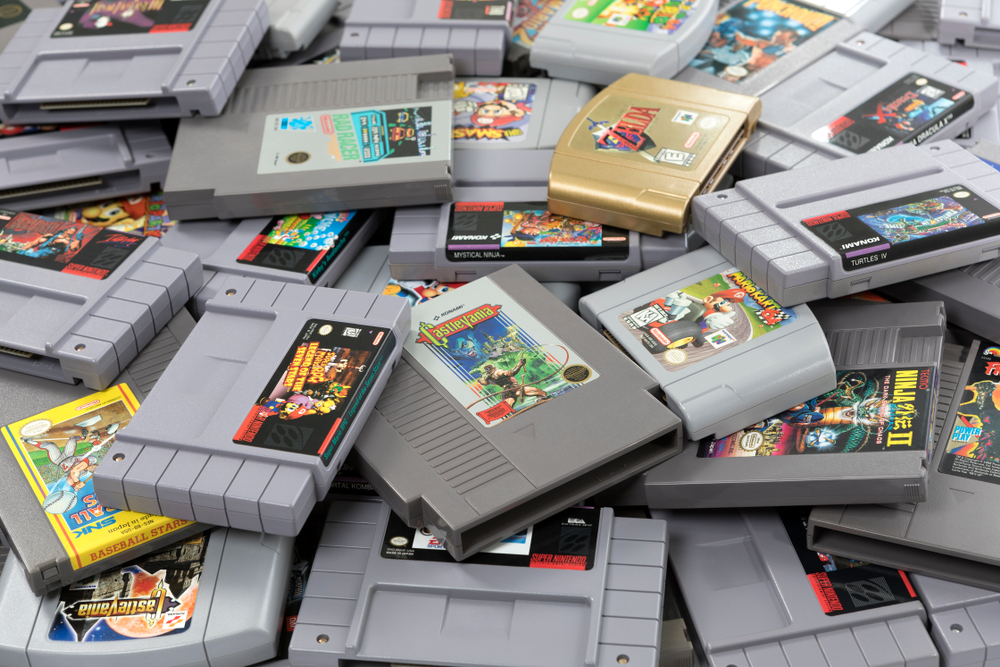
Cartridge-based games were played hard and stored poorly. Boxes were thrown away, labels peeled, and save files overwritten endlessly. According to resale data and market analysis reported by IGN and Heritage Auctions, complete cartridge games—especially with original packaging—have risen sharply in value. Condition matters because so few were preserved carefully.
Finding a game that still includes its box and manual feels like finding a time capsule. Older Americans often overlook them because they remember how common they once were. That memory no longer matches reality.
8. Early Fashion

Clothing released through early online drops wasn’t designed to last decades. Runs were small, restocks were rare, and pieces were worn constantly. Most of it was never labeled “collectible.” It was just clothing.
Gen Z tracks these pieces because they mark when online fashion culture first solidified. Once brands scaled or disappeared, the original items stopped circulating. What remains is limited by default. Older Americans tend to miss this because the clothes don’t come with traditional prestige.
9. Old School Desk Tech

Mechanical keyboards and trackballs were once considered outdated or overly nerdy. Many people replaced them with slimmer, cheaper alternatives. The older equipment was boxed up or thrown away during office cleanouts. Few people saved them on purpose.
Gen Z has rediscovered their durability and feel. Certain models are now sought after for how they function, not how they look. The appeal is tactile and practical. Scarcity followed abandonment.
10. Printed Ephemera From Early Internet Culture

Flyers, zines, printed memes, and early fan-made materials rarely survived moves or cleanouts. They were considered temporary by design. Most people assumed anything online could always be found again. That assumption didn’t hold.
Gen Z values these pieces because they capture moments that were never archived properly. Once platforms changed or disappeared, the originals were gone. Physical leftovers now do what screenshots can’t. Older Americans often overlook them because they don’t resemble traditional memorabilia.
11. Early Gaming Consoles In Working Condition
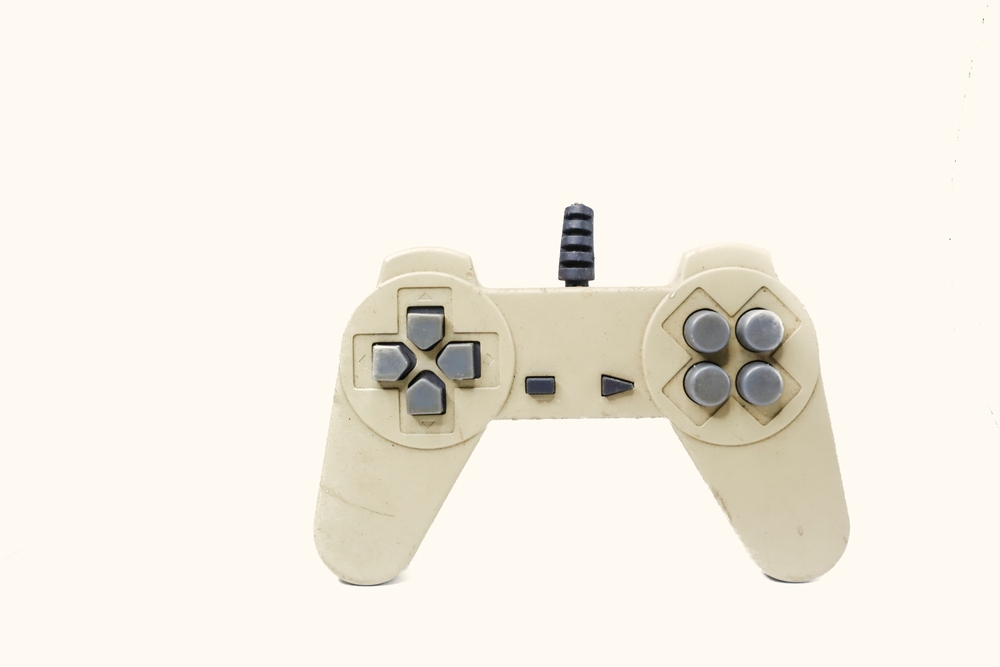
Older gaming consoles were rarely treated as things worth saving. Once a new system came out, the old one got shoved into a closet, lent to a friend, or left behind during a move. Many stopped working simply because no one bothered to maintain them. Finding one that still turns on now is less common than people expect.
Gen Z collectors care about functionality as much as nostalgia. Being able to actually play the games matters. Older Americans assume these consoles are easy to replace because they remember how common they were. What they don’t realize is how many originals disappeared.
12. Early Personal Electronics With Original Packaging
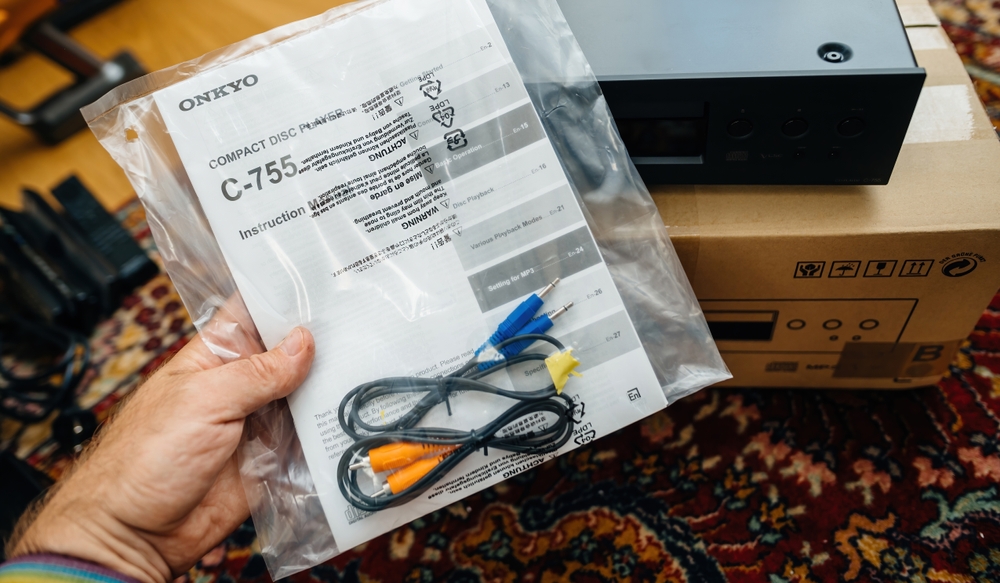
Boxes, manuals, and inserts were almost always thrown away to save space. Once something worked, the packaging felt useless. Most people never imagined it would matter again. Storage was prioritized over documentation.
Gen Z treats original packaging as part of the object itself. It shows how the product was sold, marketed, and understood at the time. Without it, something feels incomplete. Older Americans tend to see empty boxes as clutter, not context.
13. Limited-Run Sneakers From Pre-Resale Culture
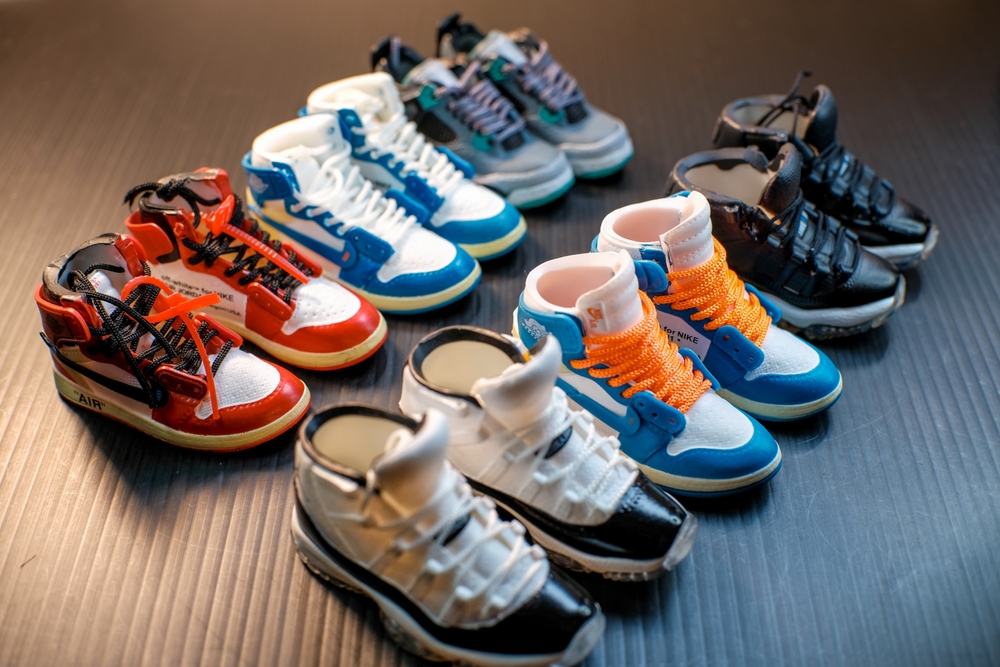
Before sneaker resale became mainstream, many limited releases were worn until they fell apart. People bought them because they liked them, not because they planned to flip them. Shoes got scuffed, soles wore down, and pairs were discarded like any other footwear. Very few were kept pristine.
Gen Z looks back at those early releases as markers of when sneaker culture shifted. Pairs that survived in good condition now stand out because so many didn’t.
14. Old Phones And Devices With Data Still On Them
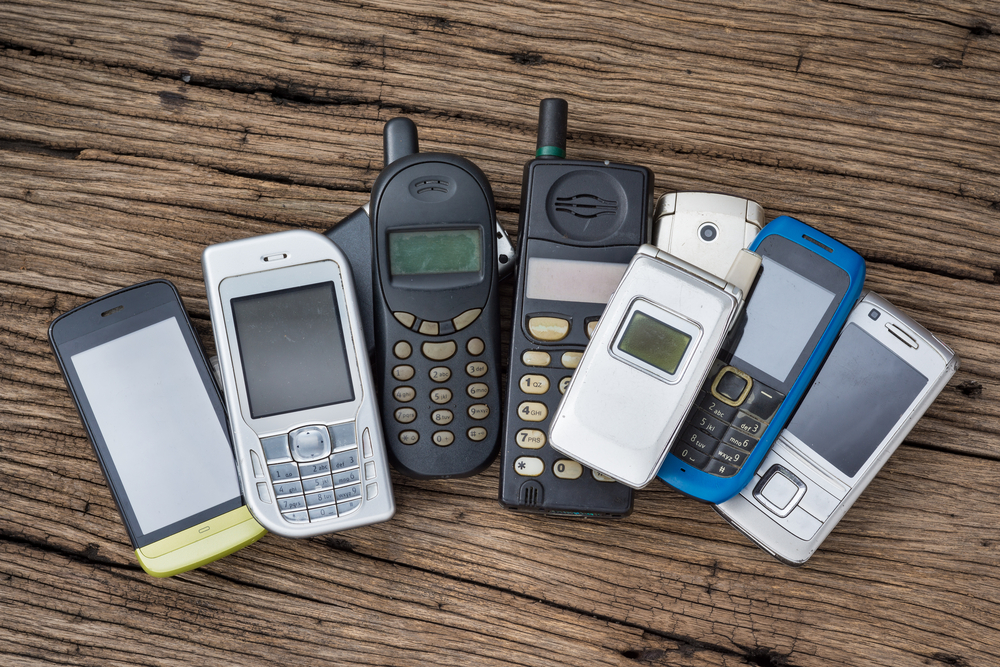
Phones used to be wiped, traded in, or thrown away without much thought. Photos, texts, and apps disappeared along with the hardware. Few people backed everything up carefully.
Gen Z increasingly values devices that still hold pieces of that early digital history. The interest isn’t in the hardware alone—it’s in what’s still inside. Older Americans tend to see old phones as junk. Gen Z sees them as snapshots of how life used to be documented.
This article is for informational purposes only and should not be construed as financial advice. Consult a financial professional before making investment or other financial decisions. The author and publisher make no warranties of any kind.