


A dollar used to be a decision-making amount of money. It wasn’t symbolic, and it wasn’t “basically free.” It could cover real needs, small pleasures, and entire chunks of daily life. For Baby Boomers, a single dollar could stretch far enough to matter, which is why these examples still sound fake to people today.
1. A Full Tank Of Gas

In the 1960s, filling up your car didn’t require planning or comparison shopping. According to historical fuel price data from the U.S. Energy Information Administration, gas averaged around 31 cents per gallon in 1965. For many cars, a dollar could cover the whole tank or come very close.
That meant driving felt frictionless. People took longer routes, ran extra errands, and didn’t think twice about distance. Gas wasn’t something you tracked—it was just there.
2. A Movie Ticket And Snacks
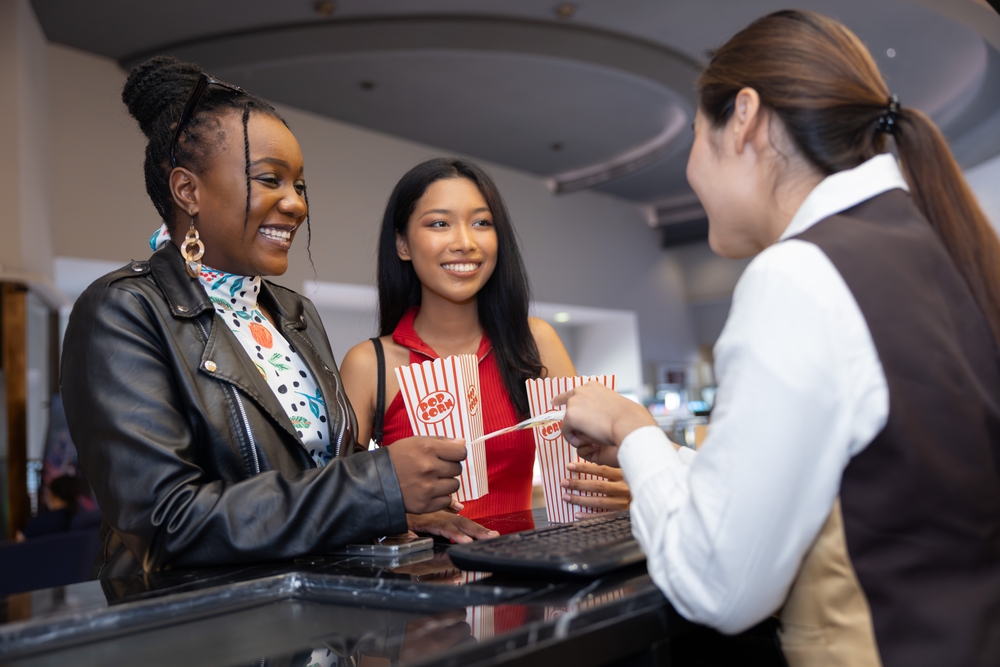
Going to the movies was an everyday activity, not a planned outing. A dollar could buy admission and still leave room for popcorn or candy, depending on the theater. It wasn’t framed as entertainment spending; it was something you did because it was available.
That accessibility shaped how people related to leisure. Movies weren’t special occasions. They were part of normal life, especially for teenagers and families looking for something to do.
3. Multiple Home-Cooked Meals’ Worth Of Groceries

Basic groceries once cost pennies. According to the Bureau of Labor Statistics’ historical food pricing, staples like bread, milk, eggs, and fresh produce were inexpensive enough that one dollar could meaningfully stock a kitchen. Shopping wasn’t about stretching every cent—it already stretched.
People didn’t approach food with the same financial anxiety. You bought ingredients, cooked at home, and expected the budget to hold. Feeding yourself wasn’t a puzzle to solve every week.
4. A Sit-Down Lunch At A Diner

A dollar could cover a full lunch at a local diner or lunch counter. Not fast food, not a snack—a plated meal with a drink, sometimes even dessert. Lunch breaks didn’t require restraint.
Eating out wasn’t coded as indulgent. It was practical, social, and routine. The idea that lunch could cost twenty dollars would have sounded absurd.
5. A Brand-New Paperback Book
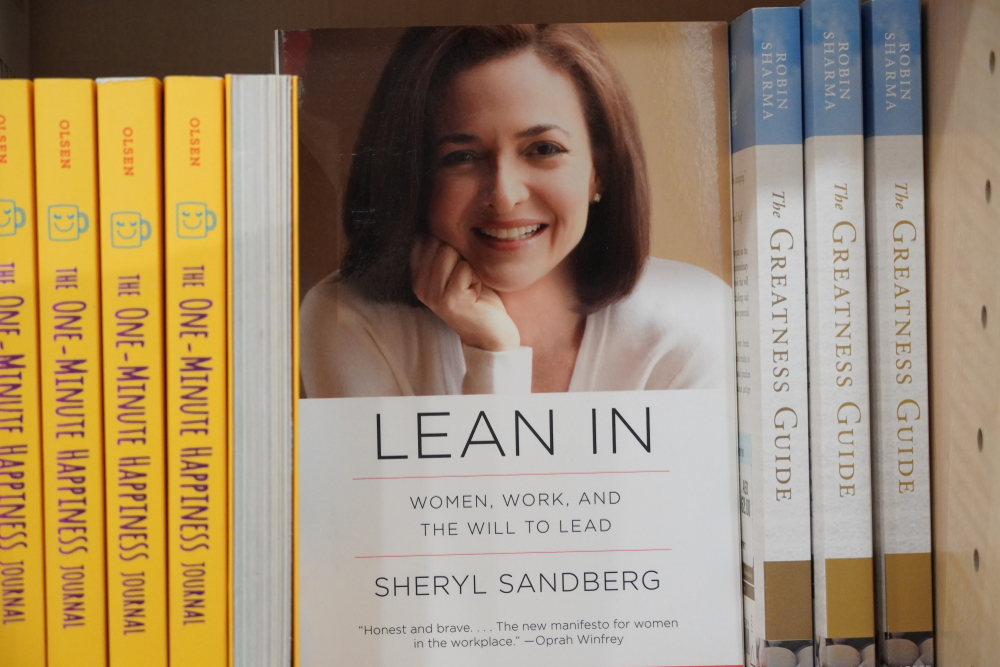
Books were priced to be bought casually. According to publishing industry archives and historical pricing records, mass-market paperbacks in the mid-20th century often sold for 25 to 50 cents. Even hardcovers were within reach for many households.
Reading wasn’t gated by income. You could pick up a book on a whim, read it, pass it along, and grab another. Knowledge and entertainment were physically and financially accessible.
6. A Haircut Without Thinking About It

A basic haircut once cost so little that it barely registered as an expense. Barbershops and salons charged prices that fit easily into everyday life, especially for men and children. Grooming wasn’t something you postponed or budgeted around.
People didn’t weigh whether a haircut was “worth it.” You went when you needed one. Looking put together wasn’t tied to disposable income.
7. An Entire Night Of Bowling

Bowling alleys were built for regular people, not special occasions. According to historical pricing from the International Bowling Museum and Archives, games often cost just a few cents, and shoe rentals were similarly cheap. A dollar could cover several games and still leave change.
That affordability made bowling a social default. Friends met there, families spent evenings there, and no one worried about the tab. Leisure didn’t feel gated by money.
8. Several Days Of Public Transportation

Bus and subway fares were low enough that a dollar could stretch across multiple rides, sometimes even an entire week, depending on the city. Getting around wasn’t something people tracked closely or stressed about. Transportation costs stayed predictable.
That meant mobility was assumed. You went where you needed to go without checking balances or calculating tradeoffs. Access wasn’t fragile.
9. A Stack Of Comic Books
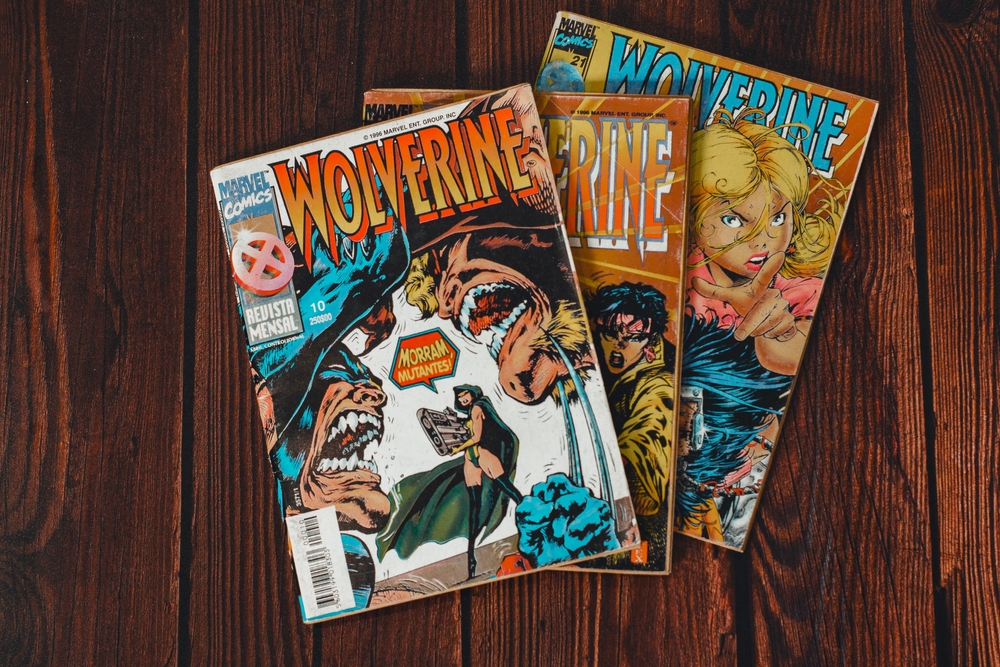
Comic books cost a dime or less, which meant kids could walk into a store with a dollar and walk out with a real stack. Entertainment wasn’t precious or carefully rationed. You read something, traded it, or passed it along.
This shaped how people related to media. Stories were abundant and physical. You didn’t need subscriptions or parental approval for every purchase—just a dollar.
10. Records You Could Buy On A Whim
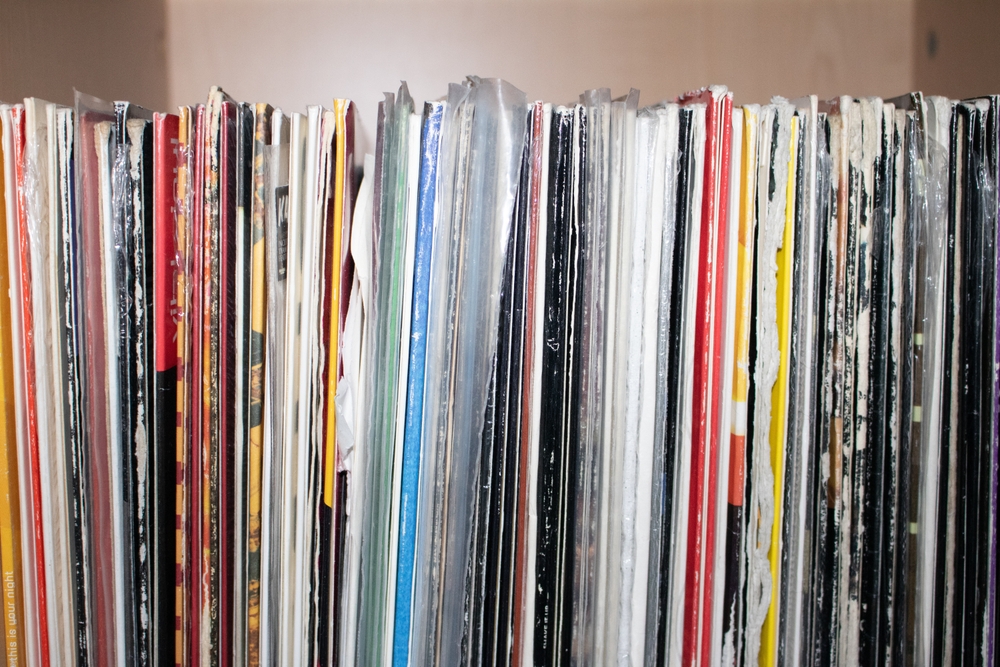
Music used to be something you could experiment with. A dollar could buy a single, and sometimes even more, depending on the format and store. You didn’t need to be sure you’d love it forever.
That freedom mattered. Music discovery wasn’t locked behind commitment or monthly fees. You owned what you bought, and that was the end of the transaction.
11. School Supplies For the Year

Back-to-school shopping didn’t feel like a big event. According to historical pricing data from the U.S. Bureau of Labor Statistics, items like notebooks, pencils, folders, and paper cost just a few cents each throughout much of the mid-20th century. A single dollar could cover most of what a student needed to get through the year.
Parents didn’t brace themselves for supply lists. Kids didn’t have to reuse half-used notebooks or wait for sales. School basics were treated as necessities, not budget stressors.
12. A Hotel Room On A Road Trip

In smaller towns and off-highway motels, a dollar could sometimes cover a night’s stay, especially in earlier decades. Road trips were designed around accessibility, not maximizing profit per night. You stopped when you were tired and paid what you could afford.
Travel didn’t feel exclusive. Seeing another place didn’t require months of saving or careful planning. Sleeping somewhere new was just part of the journey.
13. Newspapers For Weeks Or Even Months

Newspapers cost pennies, not dollars. A dollar could buy weeks’ worth of daily papers, sometimes longer depending on the city. Staying informed didn’t come with a subscription decision or recurring charges.
News was treated as a public good. People expected to be able to afford it, and they usually could. Information wasn’t positioned as a luxury product.
14. An Entire Afternoon Of Simple Fun

Arcades, candy shops, amusement rides, and local hangouts were built around small change. A dollar could stretch across hours—pinball games, snacks, rides, and whatever else was nearby. You didn’t need to choose just one thing.
Fun wasn’t bundled or optimized. You wandered, spent slowly, and let the day unfold. A single dollar could carry you through it.
This article is for informational purposes only and should not be construed as financial advice. Consult a financial professional before making investment or other financial decisions. The author and publisher make no warranties of any kind.