


Credit card skimming doesn’t happen in dark alleys or obvious crime scenes anymore. It happens during errands, quick stops, and totally routine transactions most people don’t think twice about. As skimming devices get smaller and more sophisticated, the places where Americans are most likely to have their card data stolen are often hiding in plain sight. These are the everyday locations where vigilance matters more than people realize.
1. Gas Station Pumps
Gas station pumps remain one of the most common skimming hotspots in the U.S. because they’re unattended, exposed, and often lack tamper-resistant technology. Criminals can install internal “shimmers” inside pumps that are invisible to customers and extremely difficult to detect. Once installed, these devices quietly collect card data with every swipe or insert.
According to the U.S. Secret Service, fuel pumps are among the most frequently compromised payment points in skimming investigations nationwide. Their reports note that older pumps without chip-only readers are especially vulnerable. Law enforcement has repeatedly warned that outdoor terminals give criminals time and privacy to install devices. This makes gas stations a top-risk location for card theft.
2. Standalone ATMs
ATMs located outside of banks are prime targets for skimming. Machines inside convenience stores, bars, or small retail spaces often lack the surveillance and monitoring of bank-owned ATMs. Skimmers can be installed on card slots or hidden inside the machine itself. Many victims don’t realize their data was stolen until weeks later.
Because people assume ATMs are inherently secure, vigilance tends to drop. Criminals rely on this false sense of safety. The more isolated the ATM, the higher the risk. Location matters more than people think.
3. Convenience Stores
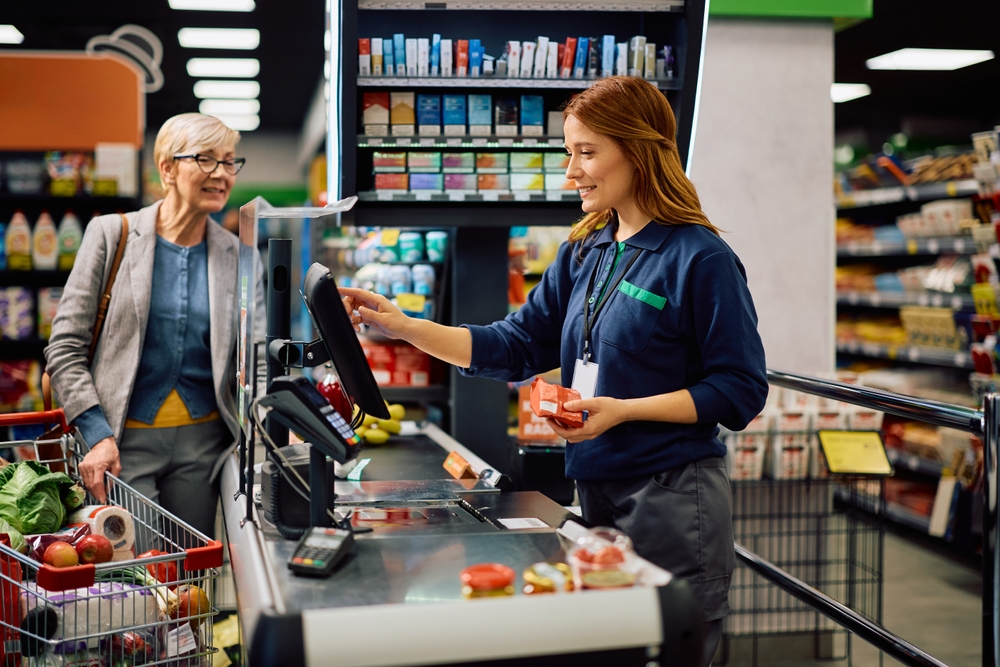
Small convenience stores frequently show up in skimming cases due to high transaction volume and minimal oversight. POS terminals may be handled by multiple employees, making tampering harder to detect. Some skimming operations involve insiders or brief after-hours access. The devices can sit unnoticed for weeks.
A National Bureau of Economic Research analysis on retail fraud patterns found smaller merchants disproportionately affected by payment terminal compromise. Researchers noted limited cybersecurity resources and older equipment increase exposure. These environments allow skimmers to blend into everyday operations. The risk isn’t malicious clerks—it’s weak infrastructure.
4. Tourist Areas

Tourist-heavy locations are attractive to skimmers because of high turnover and distracted customers. Visitors are less likely to notice unfamiliar machines or subtle tampering. Transactions happen quickly and rarely repeat, delaying detection. This gives criminals a larger window to collect data.
Restaurants, souvenir shops, and transport kiosks in tourist zones are common targets. Criminals know visitors may not monitor accounts closely while traveling. By the time fraud appears, victims are often long gone. This makes investigation harder and theft easier.
5. Grocery Stores With Older Payment Terminals
While major chains invest heavily in security, stores with outdated payment systems remain vulnerable. Skimming devices can be installed internally or swapped onto terminals during busy hours. Because grocery transactions are frequent and routine, suspicious activity blends in easily. Victims often dismiss small test charges as errors.
The Federal Trade Commission has repeatedly flagged legacy POS systems as a major fraud risk. Their consumer alerts emphasize that outdated hardware lacks modern encryption protections. Grocery stores processing hundreds of transactions daily create ideal conditions for silent theft. Volume works in the criminal’s favor.
6. Bars And Nightclubs

Late-night environments create perfect cover for skimming. Dim lighting, alcohol, and fast transactions reduce customer awareness. Cards are handed over quickly and rarely inspected afterward. Skimmers can be attached to handheld devices or terminals without notice.
Patrons are also less likely to check statements promptly after a night out. This delay allows fraud to escalate. Bars don’t need to be shady to be vulnerable. Chaos alone is enough.
7. Restaurants Using Handheld Card Readers
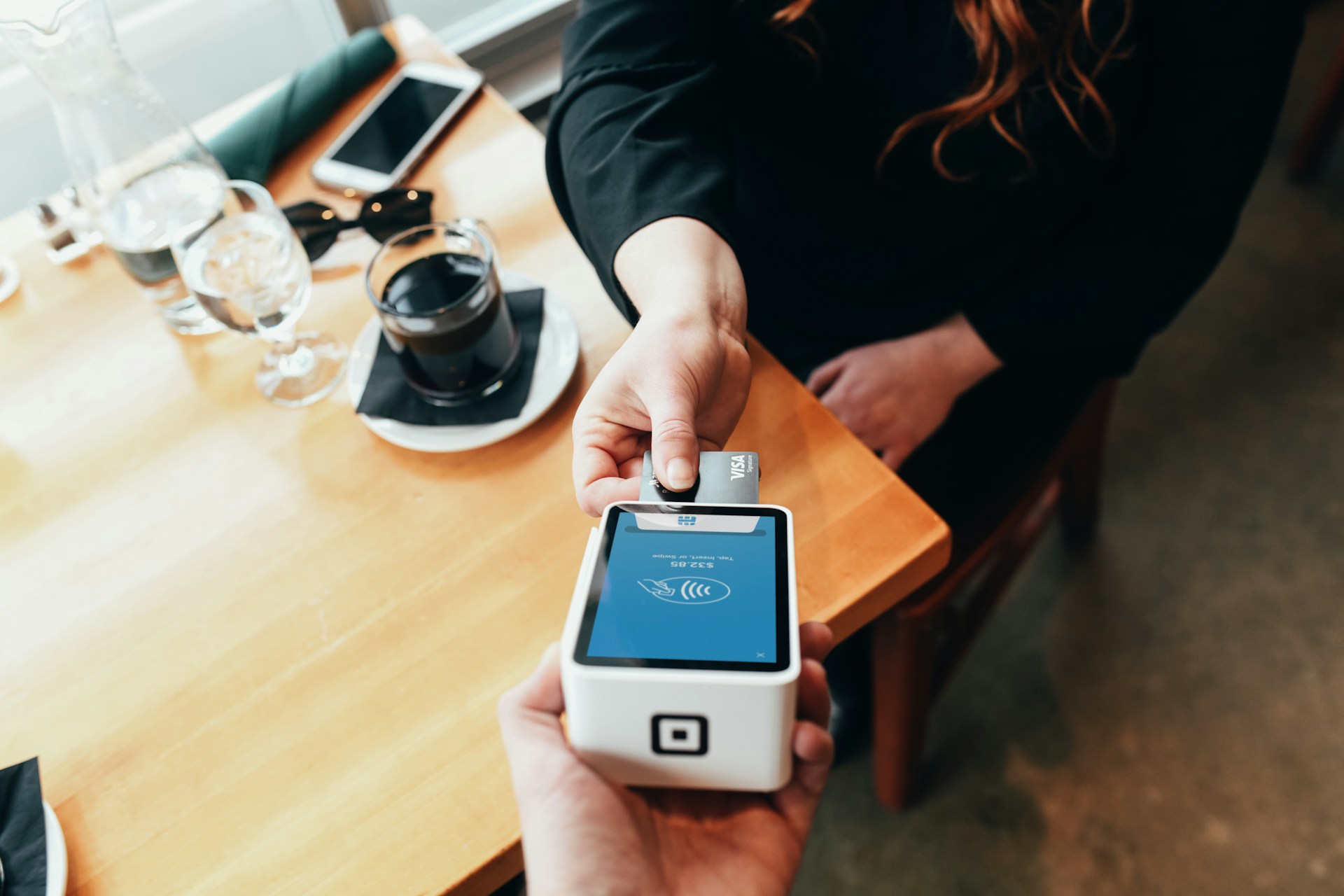
Handheld payment devices bring convenience but also introduce risk. These devices move between tables, back rooms, and charging stations, increasing opportunities for tampering. Customers often never see the reader closely enough to notice changes. A compromised device can skim dozens of cards per shift.
Javelin Strategy & Research reports that mobile POS devices are increasingly targeted in skimming operations. Their 2025 fraud study noted that portability increases exposure when security protocols are weak. The issue isn’t the technology—it’s inconsistent monitoring. Convenience can quietly invite compromise.
8. Car Washes And Vending Machines
Automated machines that accept cards are rarely checked for tampering. Car washes, parking meters, and vending machines often operate unattended for long periods. Skimmers can be installed and left undisturbed for weeks. Customers assume machines are secure because they’re fixed in place.
These locations process low-dollar transactions that rarely trigger immediate alarms. Small test charges go unnoticed. Over time, stolen data accumulates quietly. Automation creates blind spots.
9. Small Retail Boutiques
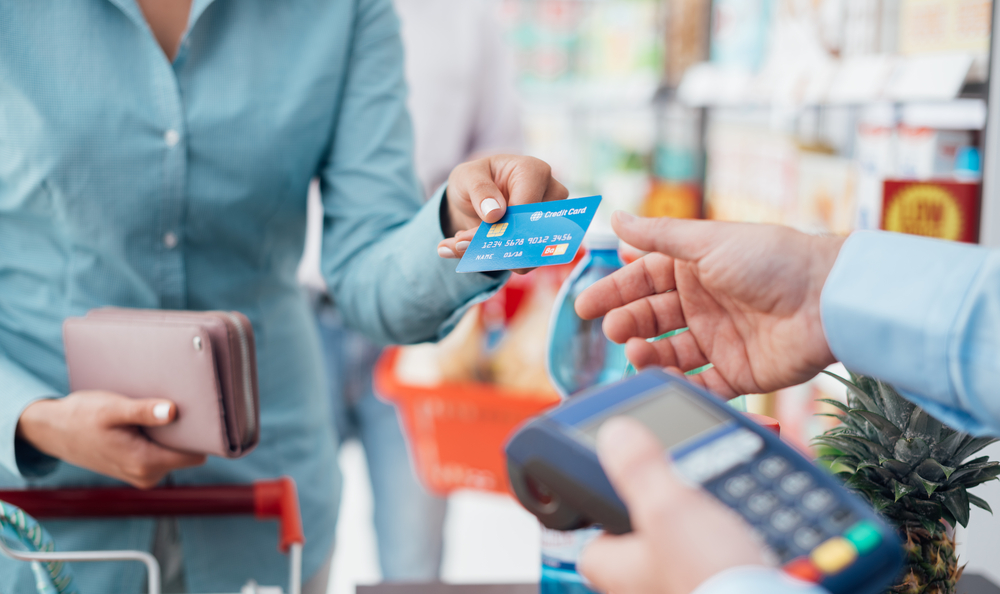
Independent retailers may lack the resources to upgrade payment security regularly. Terminals are reused longer and serviced less often. Employees may not be trained to recognize skimming devices. Criminals exploit these gaps strategically.
Boutiques aren’t careless—they’re stretched thin. Fraud thrives where attention is divided. The threat isn’t malice; it’s vulnerability.
10. Hotels And Motels
Hotel front desks process massive volumes of card data daily. Guests often use cards repeatedly for room charges, parking, and amenities. This creates multiple exposure points. Skimmers placed at reception desks can harvest data rapidly.
Travelers also tend to notice fraud later, once they’ve returned home. This delay benefits criminals. Hotels aren’t unsafe—but high traffic raises risk. Familiarity breeds complacency.
11. Self-Checkout Lanes
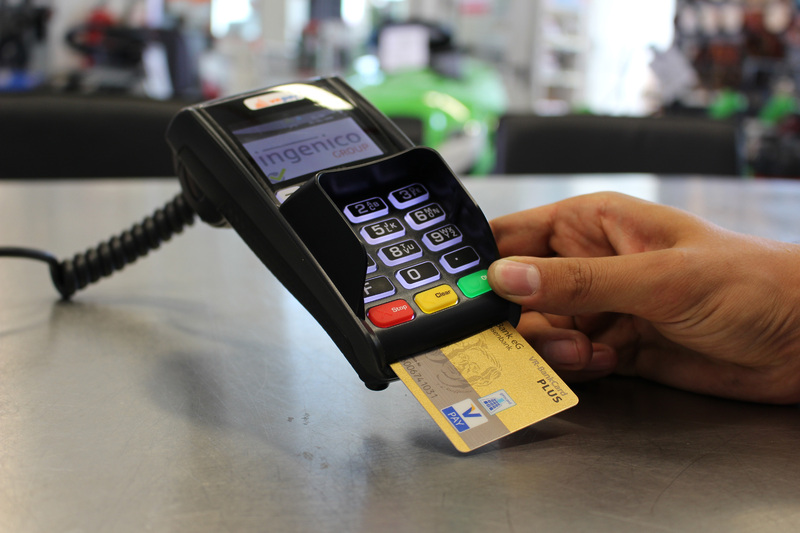
Self-checkout removes human oversight almost entirely. Machines are shared, busy, and rarely examined closely by customers. A tampered reader can collect data continuously. Staff focus on theft prevention, not skimming detection.
Customers rush through transactions and don’t inspect terminals. Automation reduces friction—and scrutiny. Convenience again creates exposure.
12. Pharmacies
Pharmacies process sensitive transactions under time pressure. Customers focus on prescriptions, not card readers. High daily volume makes anomalies harder to spot. Skimmers can remain undetected longer.
Medical errands feel routine and safe. That’s exactly why they’re attractive targets. Trust lowers defenses.
13. Public Transit Kiosks
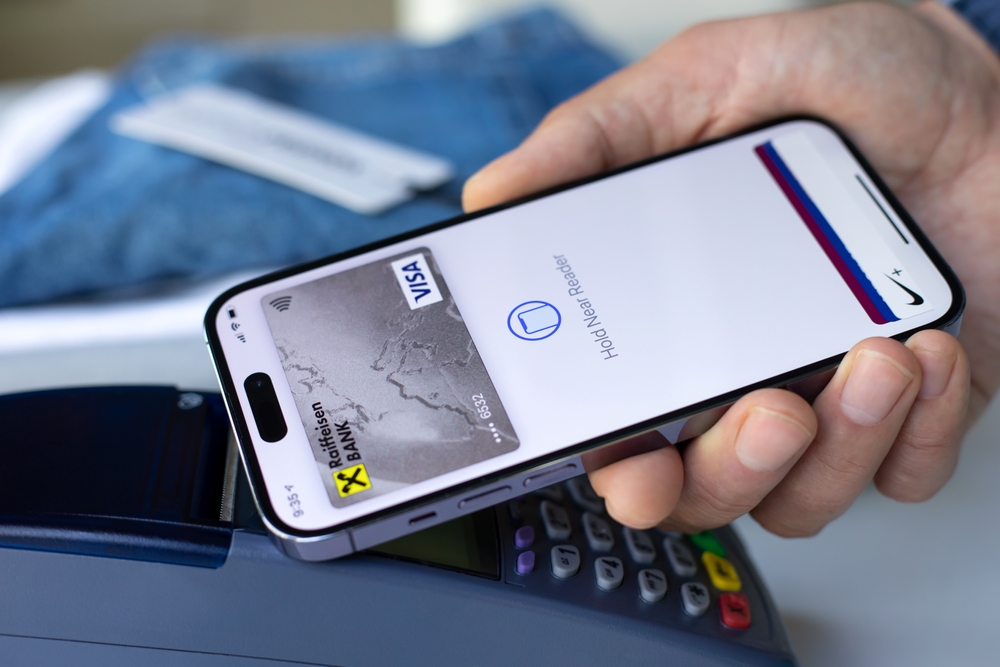
Ticket machines operate around the clock with minimal supervision. High turnover and urgency reduce scrutiny. Skimmers can be installed quickly and harvested repeatedly. Commuters rarely examine machines during rush hour.
Transit environments prioritize speed over security awareness. This creates predictable vulnerabilities. Criminals know commuters won’t linger.
14. Outdoor Payment Terminals Of Any Kind
Any terminal exposed to the elements is easier to tamper with. Outdoor machines are harder to monitor consistently. Weather covers can conceal skimmers. Lighting and visibility are often poor.
If a payment terminal lives outside, risk increases automatically. Exposure isn’t paranoia—it’s probability. Skimming thrives where no one is watching closely.
This article is for informational purposes only and should not be construed as financial advice. Consult a financial professional before making investment or other financial decisions. The author and publisher make no warranties of any kind.