


There was a time when buying something new felt genuinely exciting—when a purchase could make your whole week, and the anticipation of owning something was almost as good as having it. But lately, that feeling seems harder to come by. The thrill fades faster, the regret comes quicker, and the whole experience often leaves you feeling more depleted than delighted. It’s not just you getting older or more jaded. There are real reasons why shopping has lost some of its magic, and understanding them might help you find satisfaction in ways that actually work.
1. You’ve Adapted To What You Already Have

Research on hedonic adaptation shows that people adjust quickly and completely to various positive experiences, and the happiness boost from a new purchase wears off faster than we expect. That new couch that seemed transformative for your living room? Within weeks, it just becomes the couch. The phone upgrade that felt like a revelation? It’s now just your phone. This adaptation happens automatically and unconsciously, which is why we keep expecting purchases to deliver lasting satisfaction even though experience tells us otherwise.
The problem is that we don’t factor this adaptation into our purchasing decisions. Studies show that consumers fail to consider hedonic adaptation when making purchases and don’t apply what they know when predicting how much they’ll enjoy something. So you buy the fancy throw pillows expecting ongoing pleasure, but the pleasure fades while the credit card bill remains.
2. There Are Too Many Options
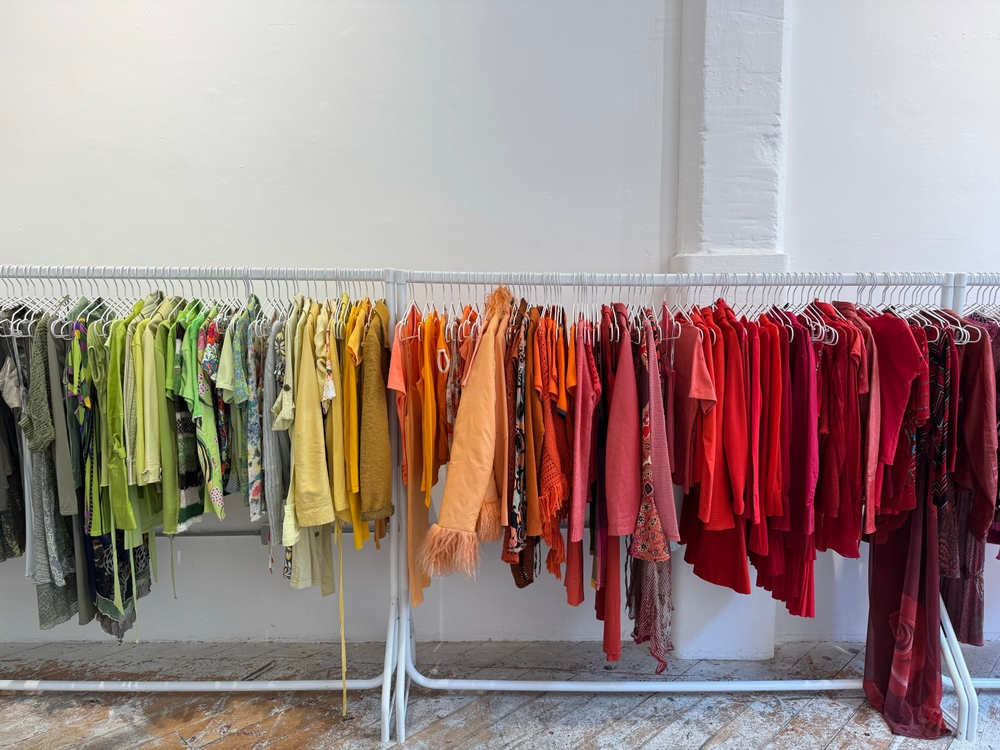
Having more choices sounds like a good thing until you’re standing in front of forty nearly identical products trying to figure out which one is best. The paradox of choice, a concept introduced by psychologist Barry Schwartz, suggests that excessive options lead to anxiety, decision paralysis, and dissatisfaction with whatever you eventually choose. Instead of feeling empowered by abundance, you feel exhausted by it.
This shows up everywhere now. Every product category has exploded into endless variations, colors, sizes, and features. The cognitive effort required to compare all these options depletes your mental resources before you’ve even made a decision. And once you do choose, there’s a nagging sense that one of the other forty options might have been better. The more alternatives you reject, the more opportunity for regret.
3. Product Quality Has Declined

Clothing quality has drastically declined over the years, with fast fashion driving the trend toward cheaply made items that prioritize low costs and rapid production over durability. What used to be built to last is now designed to be replaced. The sweater pills after one wash. The seams unravel. The electronics fail just past the warranty period. When the things you buy fall apart quickly, the satisfaction disappears along with them.
To avoid raising prices amid rising production costs, many brands have quietly reduced quality instead, using cheaper materials and cutting corners. You might not notice the thinner fabric or the missing reinforcement until after you’ve bought it and watched it deteriorate.
4. The Anticipation Has Been Eliminated

Part of what made shopping satisfying was the buildup—the planning, the saving, the waiting, the trip to the store. Now you can buy almost anything with a few taps and have it arrive tomorrow. That convenience comes at a cost: without anticipation, there’s less psychological payoff. The pleasure of getting something is partly tied to the pleasure of wanting it, and instant gratification compresses that process into nothing.
When everything is immediately available, purchases lose their specialness. There’s no distinction between things you planned for and things you impulsively ordered at midnight. The ease of buying has made individual purchases feel less meaningful, turning shopping from an event into background noise.
5. Social Media Has Warped Your Reference Points
The BoF-McKinsey State of Fashion Consumer Survey found that 68 percent of consumers expressed frustration with the saturation of sponsored content across social media, while 65 percent indicated decreasing trust in fashion influencers compared to previous years. Yet even as trust declines, exposure to curated, aspirational content continues to shift what feels normal and desirable. Your standards have been invisibly inflated by a constant stream of perfectly styled images.
This means your actual purchases are competing against an idealized fantasy version that doesn’t exist. The real item arrives, and it doesn’t look like it did in the influencer’s photo with perfect lighting and professional styling.
6. The In-Store Experience Has Gotten Bad

Shopping used to involve helpful staff, well-organized displays, and an environment that made browsing pleasant. Many stores have cut back on employees, resulting in empty floors where you can’t find help. Inventory is sparse because of supply chain issues or intentional scarcity tactics. The sensory experience that once made shopping enjoyable has been stripped down to the minimum.
Online shopping, while convenient, doesn’t replace what physical retail offered at its best. The inability to touch, try on, or properly evaluate products before buying leads to disappointment and returns. The average return rate for apparel bought online is 22 percent—more than triple brick-and-mortar levels—largely because of fit and sizing issues that wouldn’t exist if you could try things on first.
7. Everything Looks The Same

Fast fashion’s rapid trend cycles have paradoxically made everything feel homogeneous. When every brand is chasing the same viral styles and using the same suppliers, distinctiveness disappears. You can walk into five different stores and see nearly identical products at different price points. The sameness makes it hard to get excited about anything because nothing feels special or unique.
This extends beyond fashion. Consumer products across categories have converged on similar designs, materials, and features. The mid-range has hollowed out, leaving either cheap disposable goods or expensive luxury items with little in between. Finding something that feels genuinely different from what you already own has become harder.
8. You Don’t Trust In Reviews And Recommendations

Reviews used to help you make confident decisions. Now you’re never sure if they’re genuine, paid, or manipulated by algorithms. The incentive systems that power online commerce have corrupted the information sources you once relied on. Fake reviews, sponsored content disguised as organic recommendations, and strategic rating manipulation have made it impossible to know what’s actually good.
This uncertainty adds stress to every purchase decision. Instead of feeling informed, you feel suspicious. The research phase that should build confidence instead builds doubt, and that doubt follows you through the purchase and into ownership.
9. Your Purchases Don’t Solve The Problems You Want Them To

Shopping functions as a proxy for something else—a response to stress, boredom, loneliness, or a vague sense that something is missing. The purchase promises a transformation: buy this, and you’ll be more organized, more attractive, more put-together. But the underlying issue remains untouched, so the satisfaction from the purchase can’t stick. The yoga mat doesn’t make you someone who does yoga.
When you use shopping to address non-shopping problems, disappointment is built in. The item can only do what an item can do, which is much less than you implicitly asked of it. The gap between what you hoped the purchase would provide and what it actually delivers is a reliable source of dissatisfaction.
10. The Post-Purchase Experience Is Often Terrible

Buying something is just the beginning of a process that now frequently includes tracking delays, packaging waste, assembly frustrations, app downloads, account creations, and the looming possibility of returns. The friction after purchase diminishes the pleasure of the purchase itself. You wanted a lamp; you got a logistics project.
Returns in particular have become a defining feature of modern shopping. When you order three sizes knowing you’ll return two, you’re not really shopping—you’re borrowing with extra steps. The cognitive load of managing returns, the environmental guilt, and the feeling of inefficiency all subtract from whatever satisfaction the eventual keeper provides.
11. You’ve Simply Bought Too Much

When purchases were rarer, each one mattered more. Scarcity created appreciation. Now, the ease and frequency of buying has devalued individual purchases. Your tenth black t-shirt can’t possibly bring the satisfaction your first one did. Your closet is full, your storage is maxed, and new things have nowhere meaningful to go in your life.
This abundance creates its own dissatisfaction. You’re surrounded by things you don’t use, things you forgot you bought, things that represent money spent and value unrealized. Each new purchase joins this pile of underutilized stuff, and somewhere you know it. The knowledge that you already have enough—that more won’t help—undermines the satisfaction that more things used to provide.
This article is for informational purposes only and should not be construed as financial advice. Consult a financial professional before making investment or other financial decisions. The author and publisher make no warranties of any kind.