


Most financial regret in retirement doesn’t come from one big mistake. It comes from money spent on things that made sense in the moment and felt justified at the time. But years later, those decisions look different—routines change, energy shifts, and flexibility matters more than before. These are the purchases retirees most often say they would undo if they could.
1. Oversized Homes

Many retirees bought larger homes, assuming family visits, holidays, and long stays would be frequent. According to housing and aging-in-place research cited by the Employee Benefit Research Institute and U.S. Census Bureau data, a large share of retirees downsize within ten years. Extra rooms often stay empty. Daily life is concentrated in a small part of the house.
Upkeep doesn’t shrink with usage. Roofs, HVAC systems, yards, and property taxes still demand attention. Managing repairs takes more time than expected once work schedules disappear. The house becomes something that needs tending rather than something that supports daily life.
2. Luxury Cars

High-end cars are purchased as a reward near the end of a career. Once retirement begins, driving patterns change. Commutes go away, errands cluster, and long stretches pass without needing the car at all. Depreciation continues regardless of mileage.
Insurance, maintenance, and storage costs remain fixed. Many retirees realize they spent heavily on a vehicle they rarely drive. The car sits in the garage while its value steadily drops.
3. Timeshares And Rigid Vacation Commitments

Timeshares appeal to people planning predictable travel years in advance. Retirement doesn’t unfold predictably. Health, family needs, and energy levels shift. Travel windows narrow or change shape.
Annual fees continue whether the property is used or not. Selling is often difficult and slow. Many retirees find themselves paying for something they no longer plan around.
4. Complex Financial Products

Some retirees regret buying annuities, structured notes, or insurance products they didn’t fully grasp. According to investor education research from the Securities and Exchange Commission and consumer data from FINRA, retirees are frequently sold products with fees, lockups, or restrictions that only become clear later. Access to funds can be more limited than expected.
Confusion often shows up years after purchase. When income becomes fixed, flexibility matters more. Products that looked stable on paper can feel restrictive when circumstances change.
5. Recreational Vehicles

RVs are commonly bought with plans for long road trips and seasonal travel. According to ownership and usage data cited by the Bureau of Economic Analysis and reporting from AARP, many retirees use their RV far less than expected after the first few years. Trips require planning, physical effort, and ongoing maintenance.
Storage, insurance, registration, and upkeep continue regardless of use. Some retirees go months without taking the RV out. Selling later often takes time and brings back less than anticipated.
6. Major Home Renovations Done Late
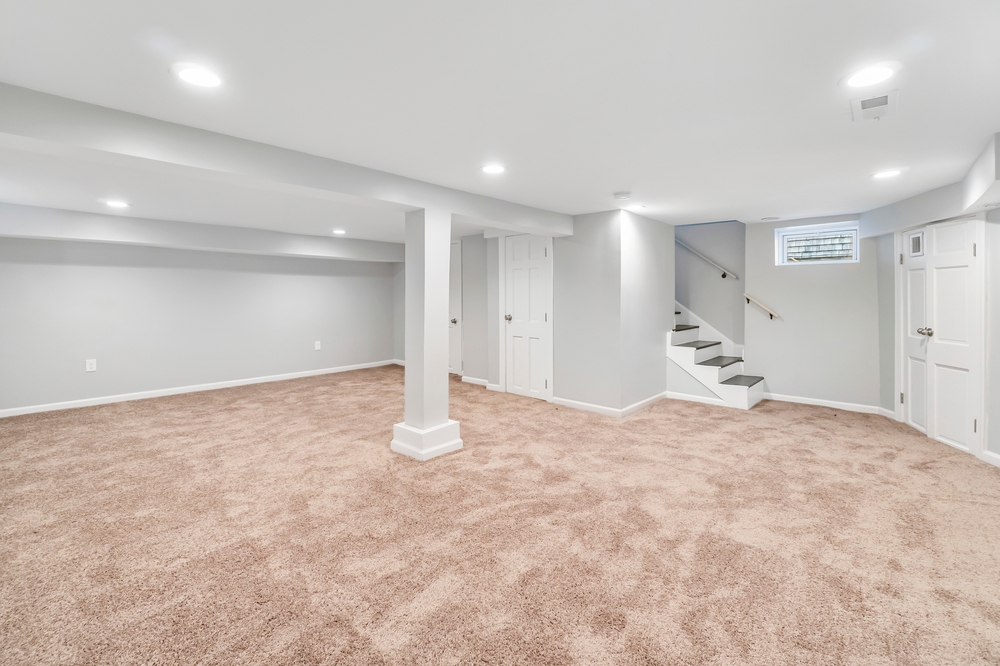
Large renovations—especially kitchens and bathrooms—are often done just before or after retirement. According to return-on-investment data from Remodeling Magazine and housing analysis reported by CNBC, high-end renovations frequently fail to recoup their costs when done late in life. Retirees don’t always live with the changes long enough to feel worthwhile.
Living through construction can also be draining. Noise, delays, and disruption weigh differently without a workday to escape to. The expense arrives all at once, while enjoyment is limited.
7. Financial Help To Adult Children

Helping adult children often begins with specific situations: rent during a transition, help with debt, assistance during a move. Over time, the support can expand quietly. Expectations shift without formal conversations.
Retirees later notice money leaving accounts faster than planned. The stress comes from uncertainty about how long support will continue. Many wish boundaries had been clearer earlier.
8. Collectibles Bought As Investments

Coins, art, memorabilia, and antiques are often bought with resale in mind. Markets for these items tend to be narrow and unpredictable. Selling usually requires timing, specialized buyers, or auction fees.
Items that felt valuable when purchased can take years to move. Money stays tied up longer than expected. Storage and insurance add ongoing costs.
9. Extended Warranties On Low-Use Products

Extended warranties feel sensible during earning years. In retirement, many people realize they never used them. Products were replaced, upgraded, or stopped being relevant before coverage mattered.
Each warranty felt minor on its own. Looking back, retirees notice how often they paid for protection they never needed.
10. Memberships And Clubs

Country clubs, gyms, travel clubs, and social memberships are often purchased with long-term use in mind. Participation can drop as routines change. Health, weather, or interest levels shift.
Fees continue regardless of attendance. Canceling sometimes feels harder than expected. The expense lingers even when the habit fades.
11. “Just In Case” Purchases

Backup electronics, extra furniture, duplicate tools, and spare household items often accumulate over time. Many retirees realize they rarely use most of them. Storage fills up.
Sorting through these items later becomes its own project. The money spent is easy to forget until everything has to be dealt with at once.
12. Expensive Hobbies

Some hobbies require significant upfront investment. Boats, photography gear, workshop tools, and specialized equipment are often bought with enthusiasm. Physical limitations or changing interests can shorten how long the hobby lasts.
Selling used equipment doesn’t always recover much. Items sit unused longer than expected. The space they occupy becomes noticeable.
13. Vacation Homes

Second homes are often bought with plans for extended stays. Travel becomes harder with age. Managing two properties adds complexity.
Maintenance, taxes, and utilities continue year-round. Trips start to feel scheduled rather than relaxing. Selling can take longer than expected.
14. Paying For Convenience

Delivery services, premium subscriptions, and add-ons often increase during working years. In retirement, people notice which ones they actually rely on. Some continue out of habit.
Looking back, retirees often realize how many small charges stayed on autopilot. The convenience didn’t always change daily life much.
This article is for informational purposes only and should not be construed as financial advice. Consult a financial professional before making investment or other financial decisions. The author and publisher make no warranties of any kind.