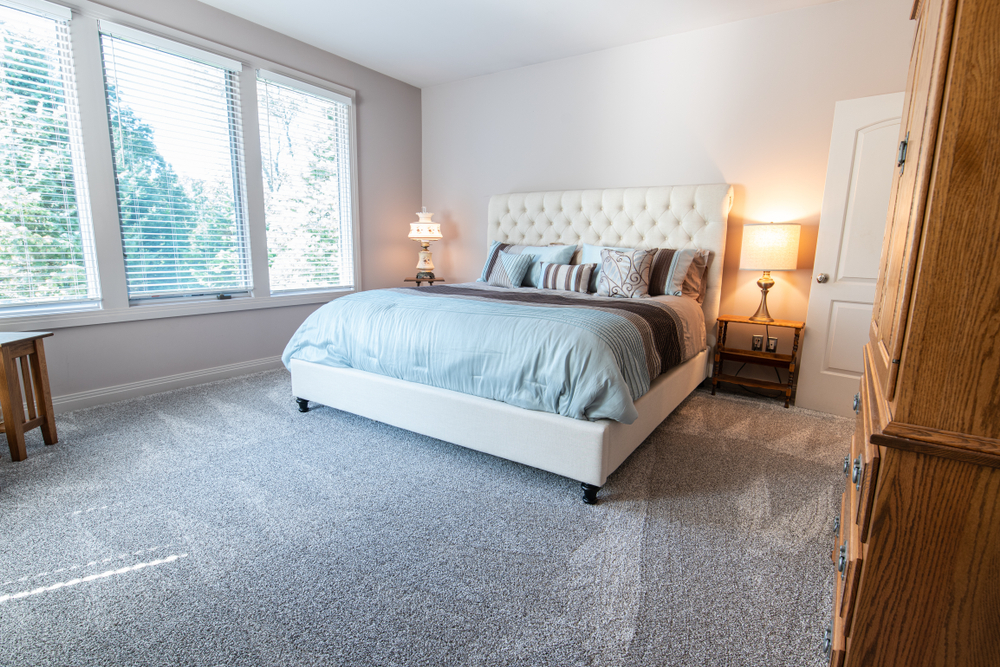


Money fights in marriage are almost never about the money. It’s about timing, clutter, and the feeling that decisions are being made solo inside a shared life. These purchases tend to set husbands off because they touch nerves couples don’t usually realize are there. The reaction looks irrational until you trace it back to what’s actually being triggered.
1. Decorative Pillows That Don’t Actually Get Used

Throw pillows tend to trigger a specific kind of irritation because they feel symbolic. They take up space, require constant moving, and don’t serve an obvious function. For some husbands, they register as clutter.
The frustration usually isn’t about the pillow. It’s about effort without payoff. When something repeatedly has to be removed, stacked, or relocated just to sit down, it starts to feel like an obstacle rather than an upgrade.
2. High-End Skincare Or Beauty Products

The reaction here often comes from price shock rather than judgment. According to consumer spending data analyzed by the Bureau of Labor Statistics, personal care spending has risen sharply in recent years, especially on premium products. When a single item costs more than expected, it can trigger anxiety about budgeting priorities.
Many husbands don’t have a reference point for these products, so the value isn’t obvious to them. What feels like self-care to one partner can look like an unnecessary luxury to the other.
3. Kitchen Gadgets With One Very Specific Use
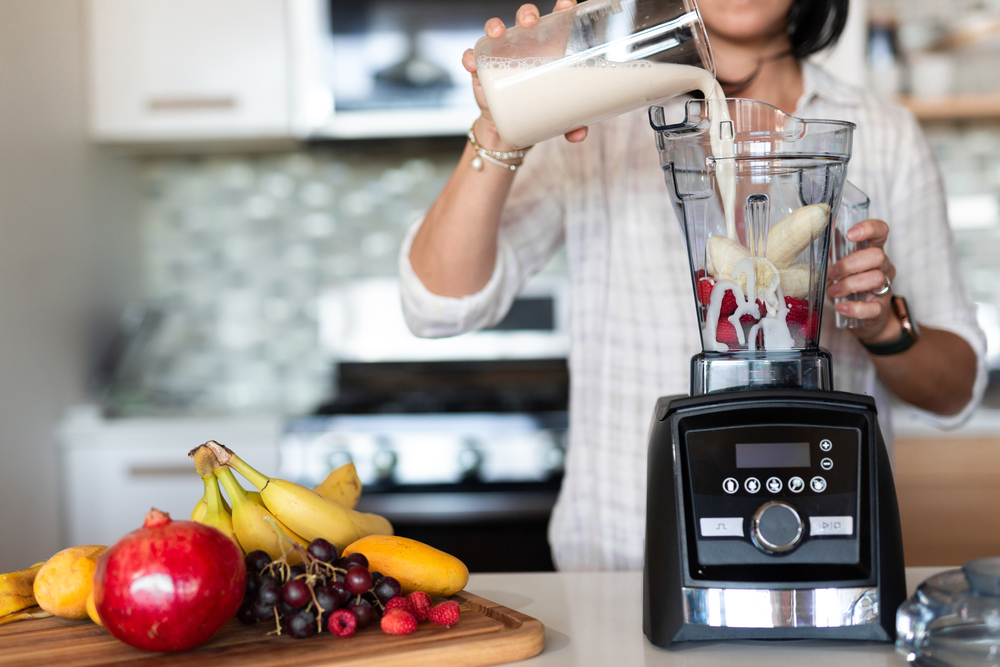
Specialty kitchen tools often spark irritation because they promise efficiency but deliver clutter. According to consumer behavior research cited by Consumer Reports, single-use gadgets are among the most commonly abandoned household purchases. They’re used a few times, then pushed to the back of a drawer.
Drawers stop closing. Cabinets feel crowded. The gadget becomes evidence of something bought without considering where it would live long-term.
4. Seasonal Decor That Requires Storage Year-Round

Holiday and seasonal decorations often seem harmless at purchase. The problem shows up later, when bins start piling up in closets, garages, or basements. What felt festive for a few weeks becomes a year-round spatial commitment.
For many husbands, the annoyance is that every new bin quietly displaces something else, and that displacement tends to be felt more than discussed.
5. Subscription Services They Don’t Use

According to consumer spending research from the Federal Reserve Bank of St. Louis, households now spend significantly more on recurring subscriptions than they did a decade ago, often without tracking them closely. When a husband realizes multiple services are being paid for but barely used, the reaction is less about the money and more about the lack of awareness.
The tension usually comes out during a budgeting moment or a random account review. The issue isn’t indulgence—it’s the sense that money is leaving the household without intention.
6. Home Organization Products That Don’t Reduce Clutter

Storage bins, drawer dividers, and closet systems are usually bought with good intentions. The promise is order, simplicity, and less visual noise. The frustration shows up later, when the house feels just as cluttered—only now it’s more expensive and more structured.
For many husbands, this feels like solving the wrong problem. Instead of reducing what’s in the house, the purchase makes room for more of it. The organizing product becomes another thing to manage, which defeats the purpose it was meant to serve.
7. Upgraded Versions Of Things That Were Working Fine

This one usually lands wrong because it feels unnecessary. According to consumer behavior research cited by the Journal of Consumer Psychology, people are more likely to experience frustration when a purchase replaces something functional rather than solves a problem. The old item wasn’t broken, outdated, or causing trouble. It was just… replaced.
For many husbands, they’re trying to understand what problem was being fixed and can’t quite find it. When the upgrade doesn’t noticeably change daily life, it registers as money spent for marginal gain, which is a quick path to resentment.
8. Clothes Bought For A Specific Event That Never Gets Reworn

Event-specific outfits often feel justified in the moment. There’s a wedding, a work function, a trip, or a photo-heavy occasion that seems to demand something new. The friction comes later, when the item sits untouched in the closet.
The issue isn’t the purchase itself. It’s the realization that the cost delivered a single use and then disappeared into storage. For partners who value repeat utility, that one-and-done spending pattern feels wasteful in a way that’s hard to ignore.
9. Duplicate Versions Of Things They Already Own
This usually starts innocently—another water bottle, another tote bag, another set of headphones kept “just in case.” Over time, the duplicates add up. What frustrates husbands isn’t the item itself, but the sense that nothing ever leaves the house once something new comes in.
The moment tends to arrive when storage runs out or when they’re asked to help organize. Seeing three versions of the same thing makes the spending feel careless, even if each purchase seemed reasonable on its own. It’s the accumulation, not the individual choice, that pushes it over the edge.
10. Convenience Purchases That Replace Simple Routines

Delivery upgrades, pre-cut food, same-day replacements, or premium add-ons often feel helpful in isolation. They save time, reduce effort, and make busy weeks easier. The frustration shows up when these conveniences become default rather than occasional.
The concern is less about money and more about drift. Small shortcuts quietly replace habits that used to cost nothing. When those charges stack up, it feels like paying repeatedly to avoid things that were once manageable.
11. Supplies For Hobbies That Fade

This usually starts with genuine enthusiasm. A new craft, fitness kick, or creative project feels exciting and meaningful at the beginning. Supplies are bought with the intention of sticking with it. Then life intervenes, motivation dips, and the materials get pushed aside.
The frustration doesn’t come from trying something new. It comes from watching unused gear pile up while space and money disappear with it. What looked like curiosity starts to feel like a pattern of short-lived commitments.
12. Home Items Chosen For Aesthetic
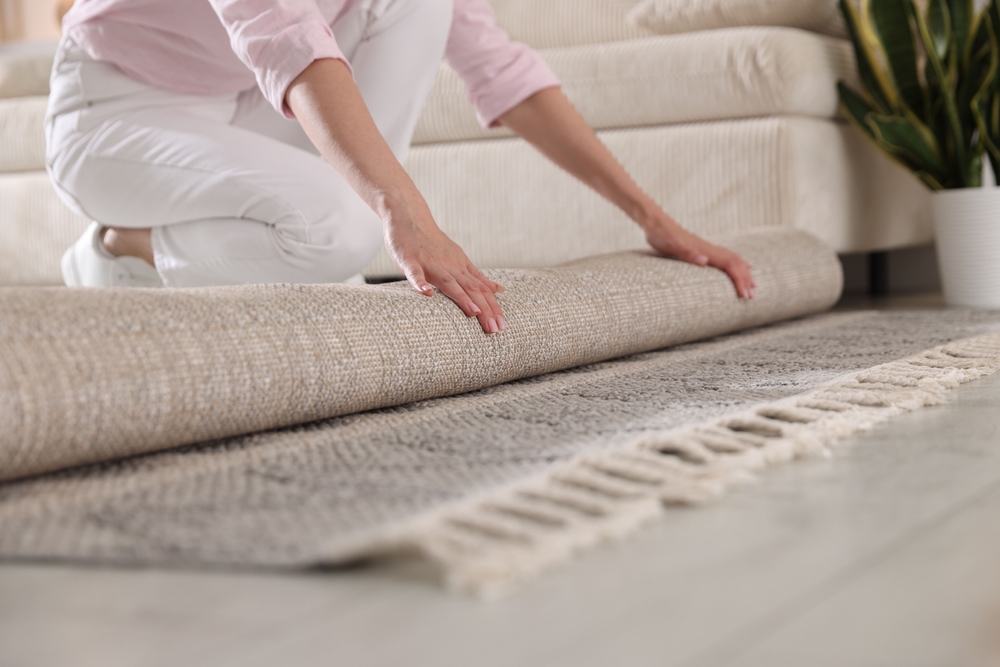
Furniture, lighting, or decor that looks great but functions poorly tends to create daily friction. Chairs that aren’t comfortable, rugs that slide, lamps that don’t give enough light. These things are easy to ignore at purchase and impossible to ignore once they’re in constant use.
For many husbands, irritation builds through repetition. Every awkward sit, stubbed toe, or dim corner reinforces the sense that looks won over practicality. Over time, that tradeoff stops feeling worth it.
13. Impulse Purchases Made Late At Night

These buys happen quietly, without discussion or much reflection. A rough day, a scroll through a sale, a moment of “I deserve this,” and the order is placed. The item itself is rarely outrageous. What bothers husbands is the pattern behind it.
The irritation usually shows up later, when the package arrives, and no one can explain why it was needed. It feels disconnected from shared priorities and more tied to emotional timing. Over time, those moments start to feel less like treats and more like avoidable noise in the budget.
14. Things That Require Ongoing Maintenance

Plants, pets, specialty appliances, or home features often come with hidden upkeep. Feeding schedules, cleaning routines, refills, repairs. What starts as a one-time purchase turns into a recurring responsibility.
For many husbands, the frustration isn’t the item—it’s the assumption that the maintenance will somehow take care of itself. When the ongoing work quietly becomes shared labor, resentment can build. The cost ends up being time and effort, not just money.
This article is for informational purposes only and should not be construed as financial advice. Consult a financial professional before making investment or other financial decisions. The author and publisher make no warranties of any kind.