
The housing market doesn’t punish homes evenly. Some properties lose appeal quietly, not because they’re bad, but because buyer priorities have shifted faster than the homes themselves. What used to feel charming, practical, or aspirational can now register as inconvenient, risky, or outdated. These are the types of homes that are increasingly sitting longer, attracting fewer offers, or requiring bigger price cuts to move.
1. Homes With Extremely High HOA Fees
High HOA fees used to be easier to justify when interest rates were low and monthly payments felt manageable. Now, buyers are far more sensitive to recurring costs that don’t build equity. An extra few hundred dollars a month can knock a property out of someone’s budget instantly. The home itself may be fine, but the math isn’t mathing.
According to data from the National Association of Realtors, buyers are increasingly factoring HOA fees into affordability calculations more heavily than in previous years. Rising insurance and maintenance costs have pushed many associations to raise dues. That makes resale trickier, especially in markets where comparable non-HOA homes exist. Monthly friction matters more than amenities.
2. Oversized Homes With Unused Square Footage
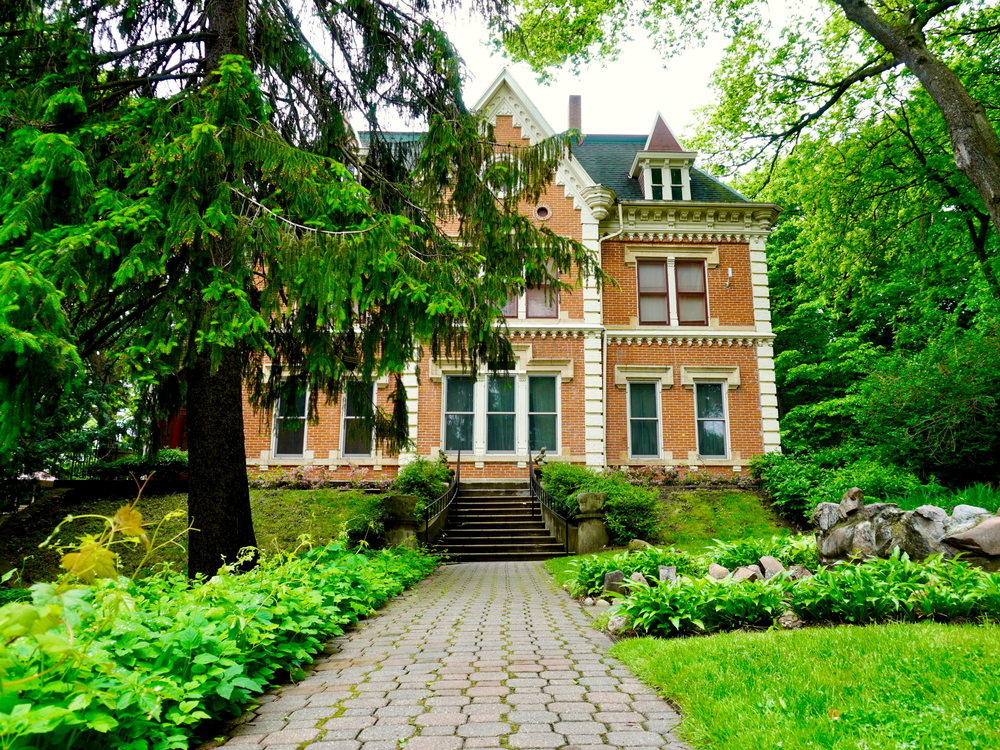
Big houses once signaled success and flexibility. Now they often signal higher taxes, higher utility bills, and more maintenance than people want to manage. Buyers are questioning whether they actually need the space. Empty rooms are starting to feel like liabilities.
Downsizing isn’t just for retirees anymore. Younger buyers are prioritizing efficiency and livability over scale. Homes that feel impressive but impractical take longer to sell. Excess is losing its shine.
3. Properties Far From Jobs and Daily Infrastructure
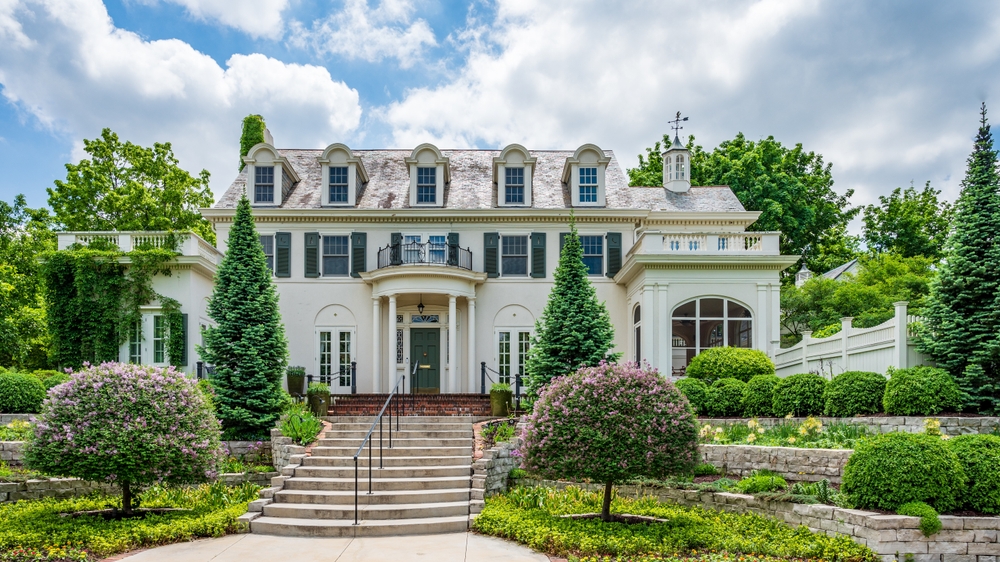
Long commutes were once tolerated as a tradeoff for space or affordability. That tolerance has thinned. Buyers now weigh time, gas, and unpredictability more heavily. Distance is more expensive than it used to be.
Census Bureau and Department of Transportation data show that commute length is increasingly tied to housing decisions post-pandemic. Hybrid work softened the blow temporarily, but infrastructure still matters. Homes far from healthcare, schools, and essentials face a smaller buyer pool. Convenience is currency.
4. Homes With Highly Personalized Renovations

Bold design choices can feel like upgrades to the person who made them. To buyers, they often read as work. Custom murals, niche layouts, or extreme color palettes narrow appeal quickly. Personal taste doesn’t always translate.
Neutral isn’t boring in resale—it’s flexible. Buyers want to imagine themselves in a space, not undo someone else’s vision. The more specific the renovation, the smaller the audience. Customization can quietly become a drag on value.
5. Older Homes Without Major System Updates
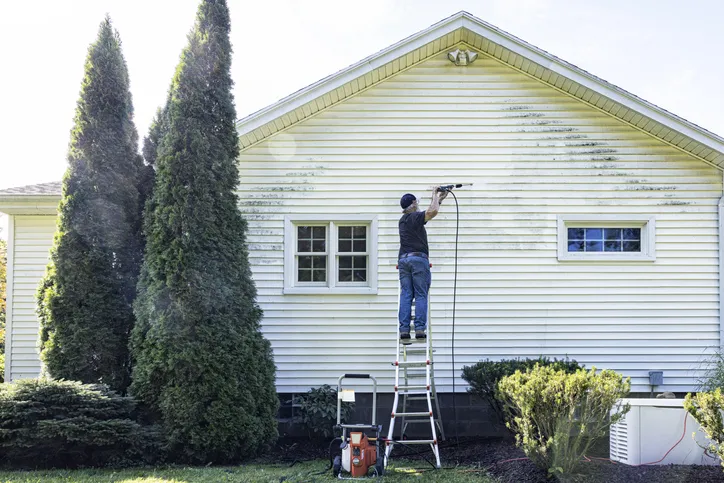
Charm goes a long way, but not when paired with aging roofs, plumbing, or electrical systems. Buyers are increasingly wary of deferred maintenance. Renovation fatigue is real. Uncertainty scares people.
Homes that require immediate, expensive updates tend to linger. Even motivated buyers hesitate when they can’t predict costs. “Good bones” only go so far without proof. Confidence sells.
6. Condos in Buildings With Financial Red Flags
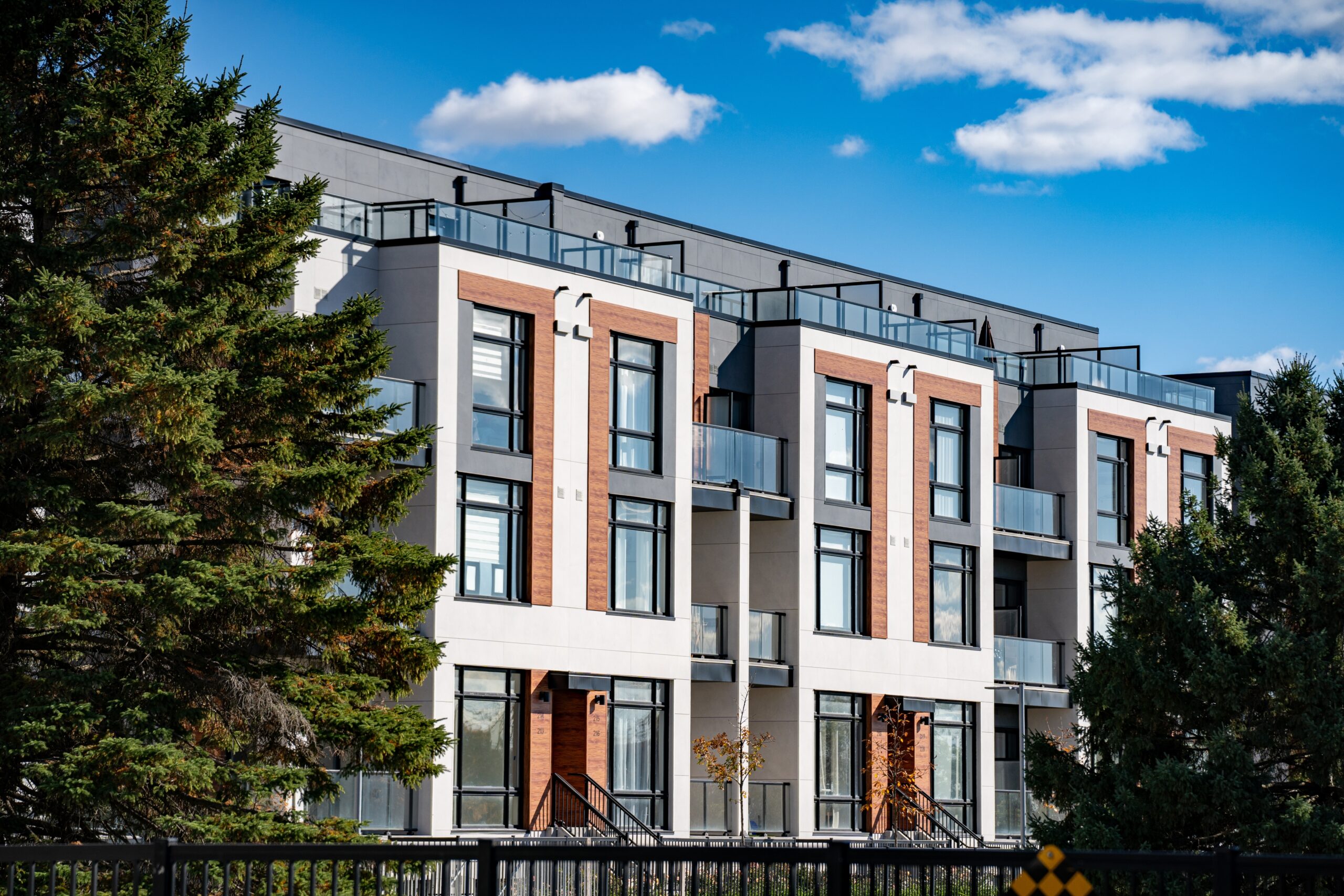
Condos used to attract buyers looking for simplicity and lower upfront costs. Now, buyers are paying closer attention to reserve funds, insurance issues, and deferred maintenance. A poorly managed building can tank resale prospects quickly. The unit doesn’t exist in isolation.
After high-profile condo safety and insurance crises, lenders and buyers alike have become more cautious. Reports from Freddie Mac and Fannie Mae have highlighted stricter lending standards for condos in underfunded associations. That makes financing harder and buyers scarcer. Risk perception lingers.
7. Homes With No Dedicated Workspace

Even as return-to-office conversations continue, buyers still want flexibility. Homes without a quiet area for work feel limiting. Kitchen-table setups have lost their appeal. Dedicated space matters.
This doesn’t require a full office, but it does require intention. Nooks, spare rooms, or adaptable layouts sell better. Homes that can’t accommodate modern work habits feel dated. Function drives demand.
8. Properties in Areas Prone to Climate Risk

Flood zones, wildfire-prone regions, and extreme weather areas are facing increased buyer hesitation. Insurance costs are rising, coverage is harder to secure, and uncertainty weighs heavily. Location risk is no longer abstract. It’s priced in.
Even buyers who love the home hesitate when future costs feel unknowable. Disclosure awareness has increased. What once felt like a distant concern now shows up in closing costs and premiums. Risk affects liquidity.
9. Homes With Poor Energy Efficiency
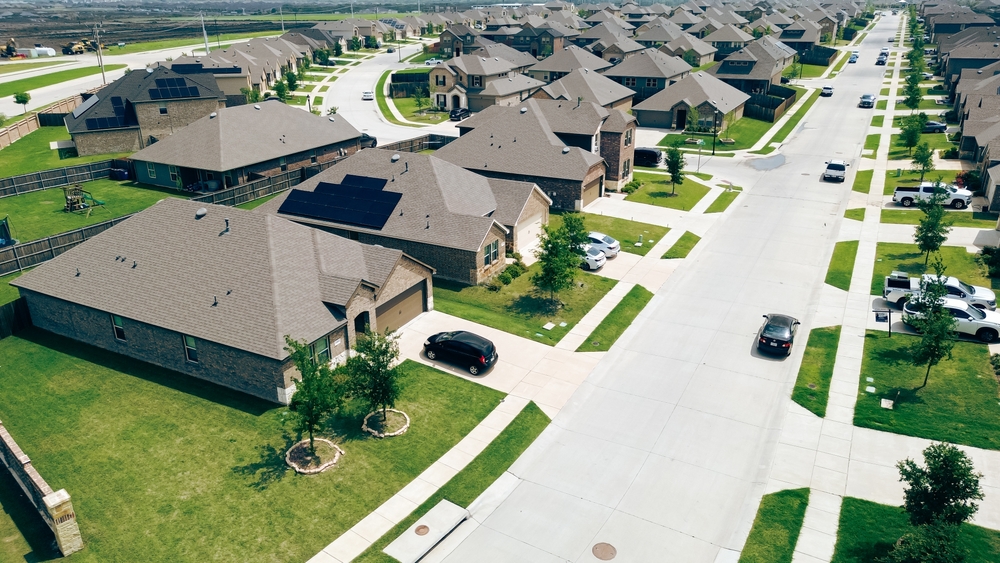
High utility bills turn off buyers faster than they used to. Drafty windows, old insulation, and inefficient systems are no longer minor annoyances. They signal ongoing expense. Energy costs feel permanent.
According to data from the U.S. Department of Energy, energy-efficient homes tend to sell faster and at higher prices than comparable inefficient ones. Buyers increasingly factor operating costs into affordability. Efficiency isn’t a bonus anymore. It’s an expectation.
10. Houses With Awkward or Obsolete Layouts
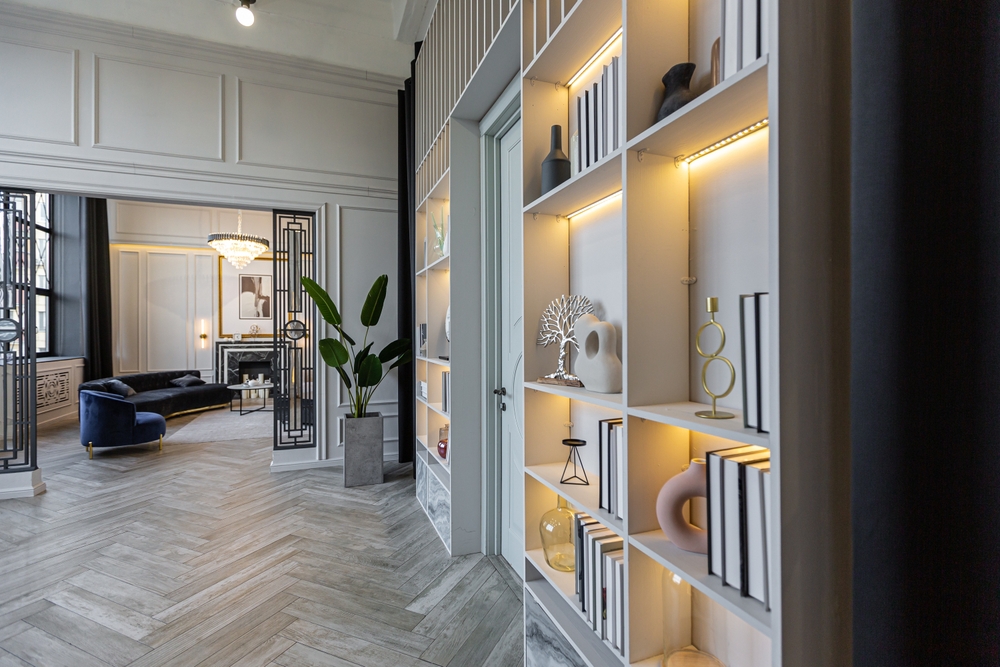
Formal dining rooms, closed-off kitchens, and maze-like floor plans are losing favor. Buyers want flow and flexibility. Spaces that feel rigid or compartmentalized struggle to compete. Layout matters more than finishes.
Updating a layout is expensive and disruptive. Many buyers won’t bother. Homes that don’t align with modern living patterns feel harder to adapt. Flow sells.
11. Properties With Strict Short-Term Rental Restrictions
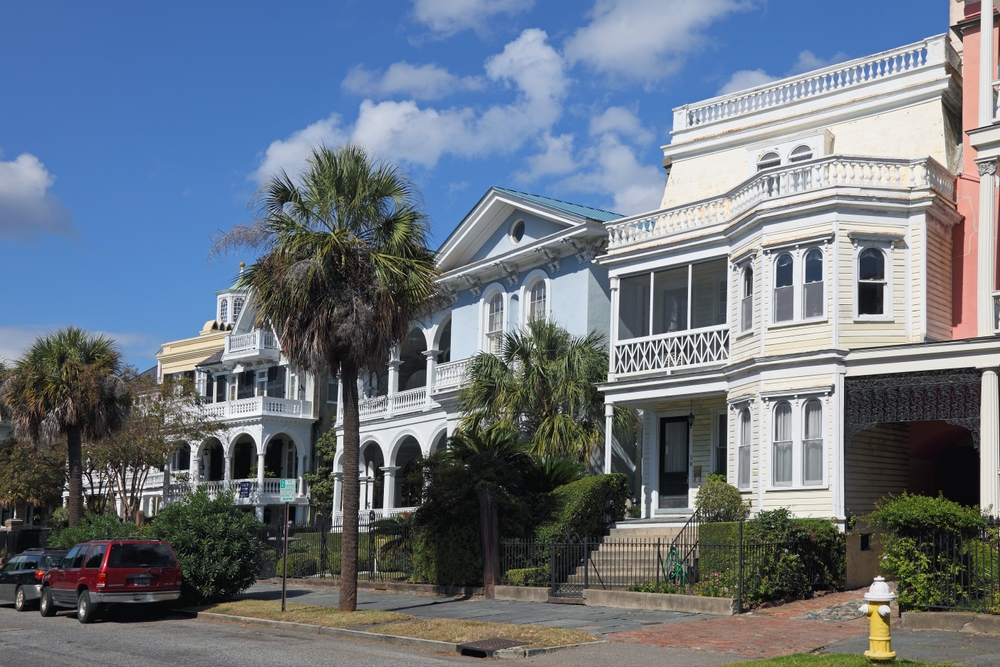
Some buyers want flexibility, even if they never plan to rent. Heavy restrictions limit perceived options. That limitation can be a dealbreaker in markets where rental income helps justify the purchase. Optionality has value.
Homes that can’t adapt to changing financial needs attract fewer buyers. Restrictions don’t scare everyone, but they do shrink the pool. Fewer options mean slower sales.
12. Homes in School Districts Losing Appeal
School quality still influences resale, even for buyers without children. District reputation affects demand broadly. When scores drop or boundaries shift, home desirability follows. This happens quietly but decisively.
Buyers track these changes more closely than sellers expect. A strong home can’t always overcome a weak district. Perception drives momentum. Momentum drives price.
13. Properties With High Property Taxes Relative to Value

High taxes used to be accepted in certain markets without much pushback. Now, buyers scrutinize them closely. Monthly obligations matter more than ever. Taxes don’t flex when income does.
Homes that feel overpriced once taxes are factored in struggle to compete. Buyers compare net costs, not just sale prices. Affordability is holistic now. Taxes are part of the headline.
14. Homes That Require Too Many Immediate Compromises
One compromise is manageable. Several start to feel like settling. Buyers are less willing to stack tradeoffs in a market that already feels expensive. They want homes that work without constant justification.
When a property asks buyers to overlook location, layout, cost, and condition all at once, it stalls. The bar has moved. Homes that meet people where they are sell faster. The rest wait.
This article is for informational purposes only and should not be construed as financial advice. Consult a financial professional before making investment or other financial decisions. The author and publisher make no warranties of any kind.