


For some celebrities, wealth was never meant to be hoarded or inherited. Instead of building dynasties or fueling generational excess, they chose to redirect their fortunes toward causes that mattered to them deeply. These decisions often surprised the public and, in some cases, their own families. What they left behind wasn’t just money, but a final statement about values, responsibility, and legacy.
1. George Michael
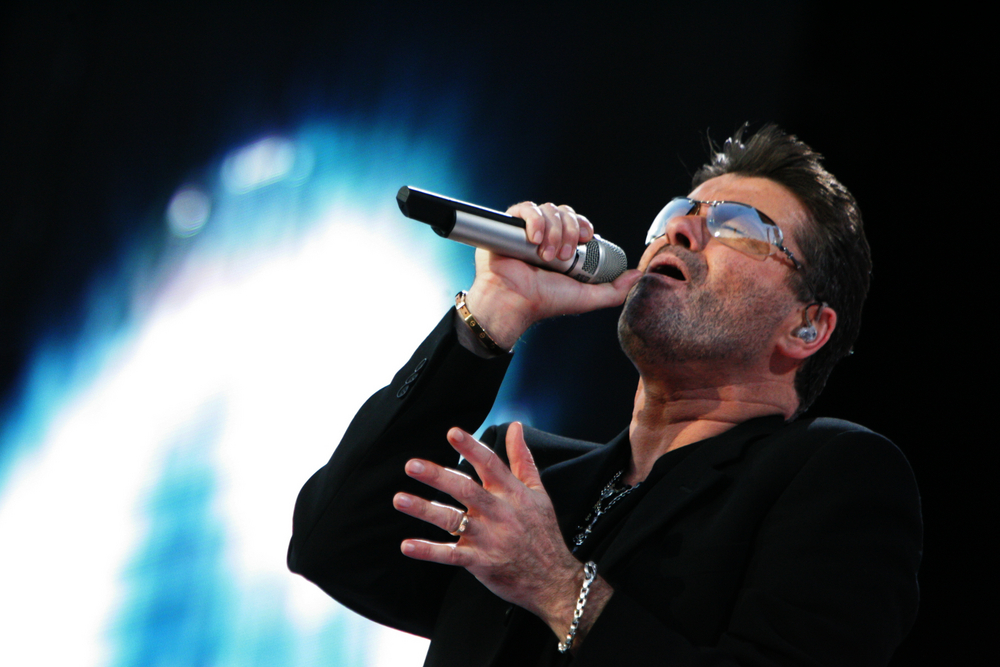
George Michael quietly donated millions throughout his life and ensured much of his remaining estate continued that work after his death. He supported causes ranging from HIV/AIDS research to children’s charities, often without attaching his name. Many beneficiaries only learned the source of the funding years later. His giving reflected a deep commitment to privacy and impact rather than recognition.
After his death, stories emerged showing how consistently generous he had been. Former recipients described help that arrived exactly when it was needed, without fanfare. His fortune became an extension of his empathy. The legacy felt personal, not performative.
2. Paul Newman
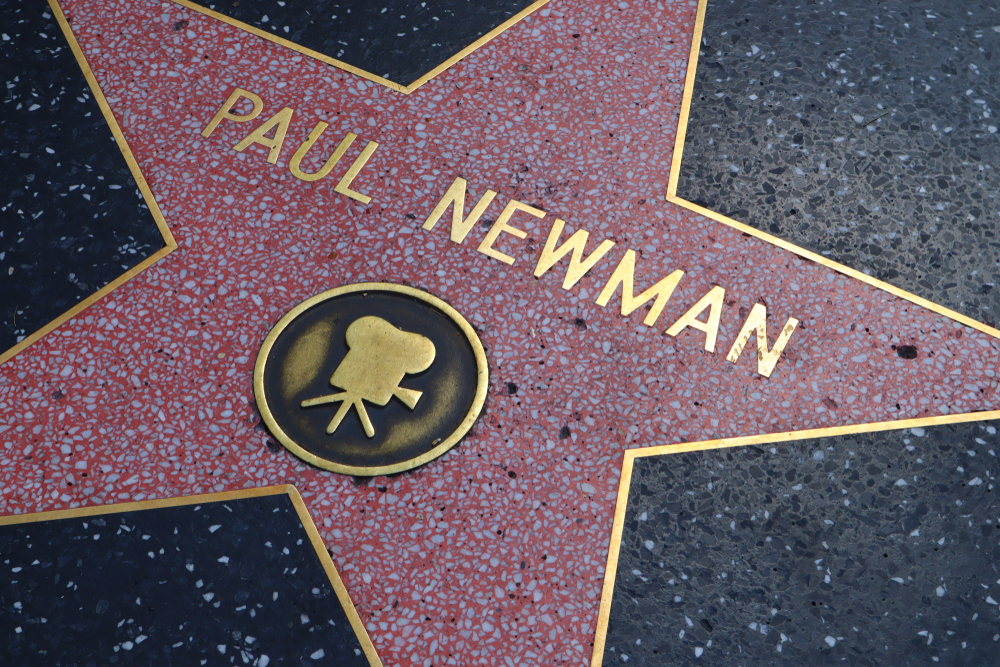
Paul Newman famously directed his wealth into philanthropy rather than inheritance. Through Newman’s Own, he funneled all post-tax profits to charitable causes, eventually donating hundreds of millions of dollars. According to reporting from Forbes, the company generated over $570 million for charity during his lifetime and after. His estate planning reinforced that mission rather than reversing it.
Newman viewed money as a tool, not a reward. His approach reframed celebrity wealth as something temporary and transferable. The structure ensured his values outlived him. Charity wasn’t a side project; it was the point.
3. Robin Williams
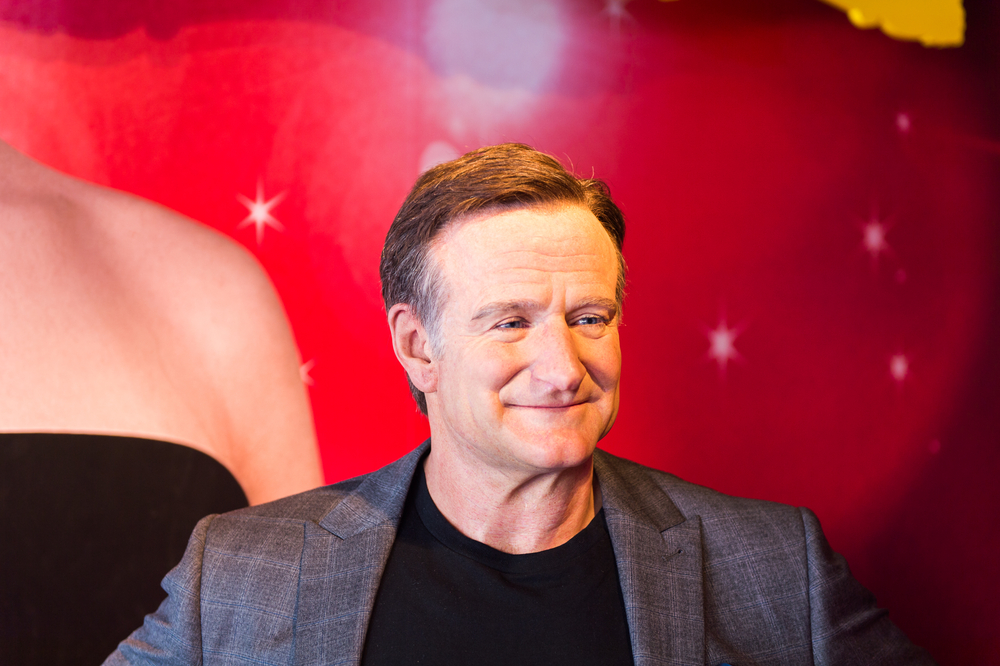
Robin Williams left significant portions of his estate to charitable organizations focused on mental health, homelessness, and children’s welfare. These causes reflected struggles he spoke about openly during his life. His giving mirrored his offstage compassion. It extended the care he showed privately to a broader scale.
Friends described generosity that wasn’t strategic or calculated. It came from a desire to ease suffering where he could. His estate reflected that instinct. The money followed the empathy.
4. Marilyn Monroe
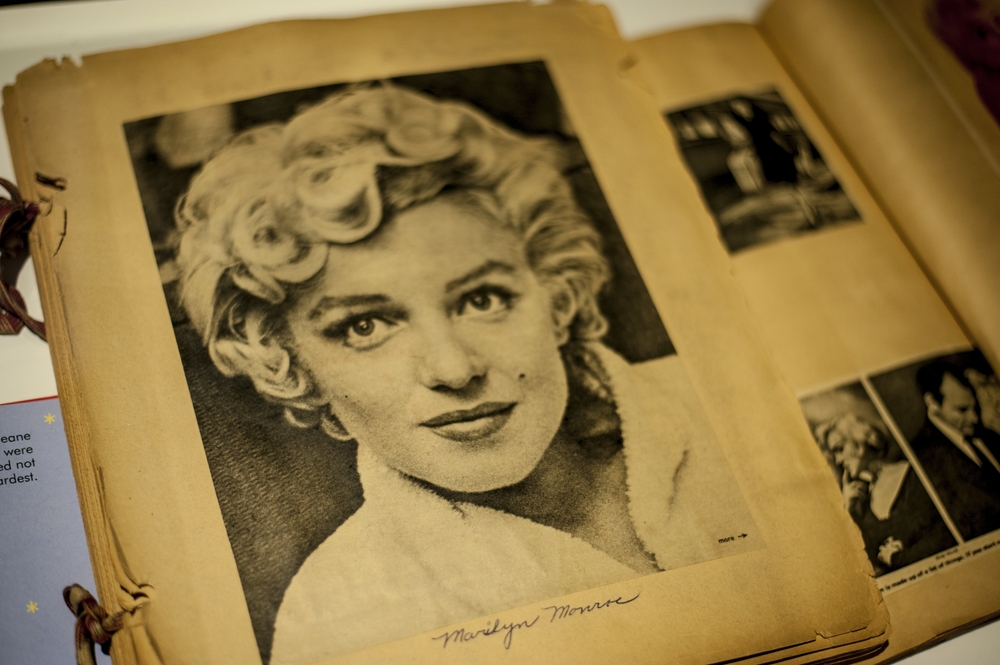
Despite her turbulent life, Marilyn Monroe left much of her estate to charitable and educational institutions. She prioritized causes that supported children and learning. The decision surprised many who assumed her wealth would remain within her personal circle. It suggested foresight.
Her bequests revealed a desire to nurture something lasting. She understood impermanence intimately. Directing her fortune outward was a way to stabilize it. Legacy became intentional rather than accidental.
5. Prince
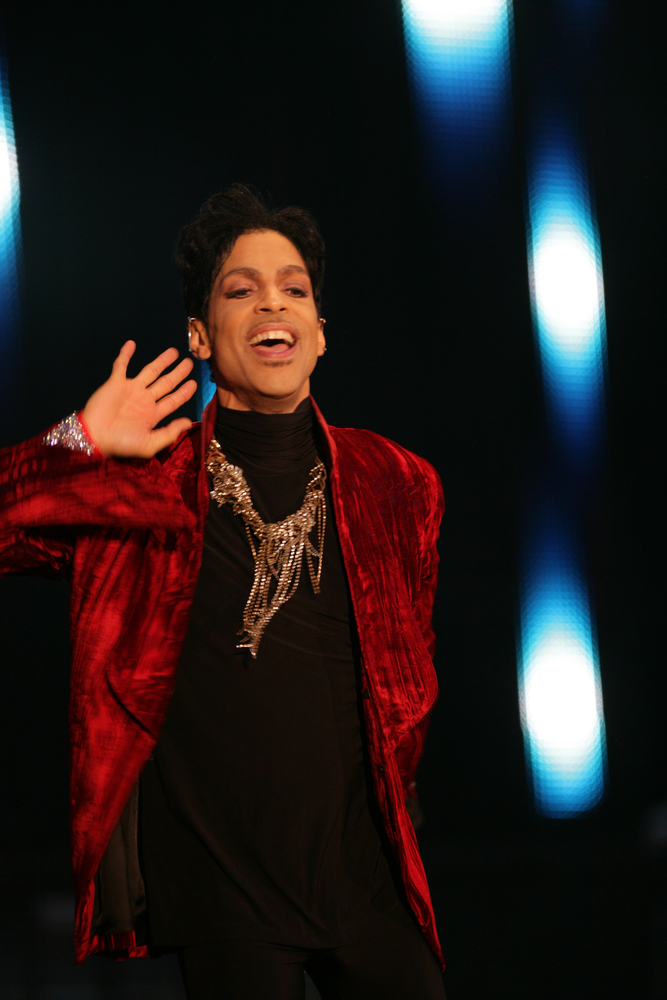
Prince died without a will, but the eventual handling of his estate resulted in substantial charitable contributions aligned with his lifelong advocacy. According to coverage from The New York Times, proceeds supported arts education and community programs in Minnesota. His philanthropic intentions were inferred from years of private giving. The estate ultimately followed the pattern he set.
Prince believed deeply in creative autonomy and access. His wealth was tied to expression, not accumulation. Even after death, that philosophy shaped where the money went. Art and community came first.
6. Philip Seymour Hoffman
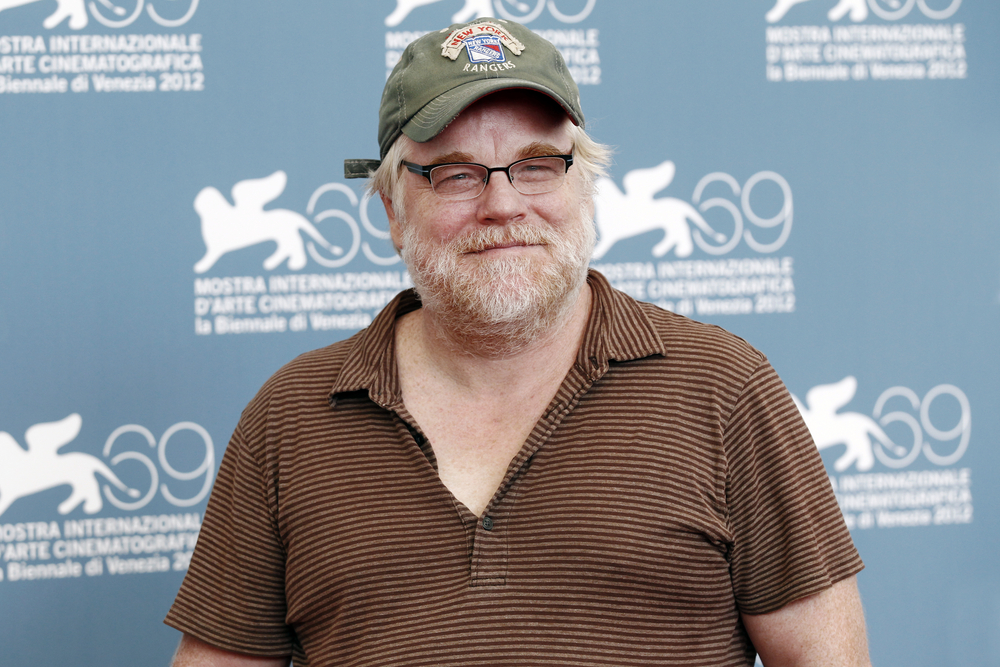
Philip Seymour Hoffman made deliberate provisions to support charitable causes rather than build a sprawling inheritance. Legal reporting noted that he wanted his children raised without reliance on large sums of money. According to estate experts cited by NPR, this reflected a broader belief in independence. Charity became part of that equation.
His approach rejected excess as a form of protection. Wealth, in his view, could distort growth. Directing funds outward reinforced that belief. The estate mirrored his grounded values.
7. Betty White
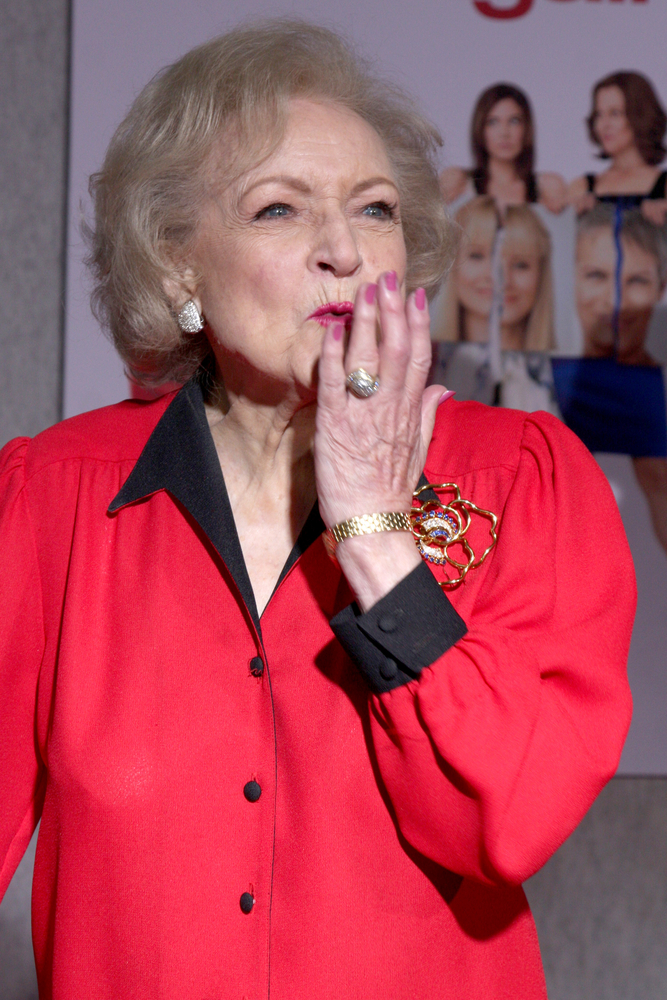
Betty White left much of her estate to animal welfare organizations she supported for decades. According to People magazine, her will prioritized zoos, rescues, and conservation groups she had actively worked with. The choice felt unsurprising to those who knew her. Her advocacy never softened with age.
Animals were central to her identity. The money extended a lifelong commitment rather than creating a new one. Her estate became a continuation. Giving felt natural.
8. Heath Ledger
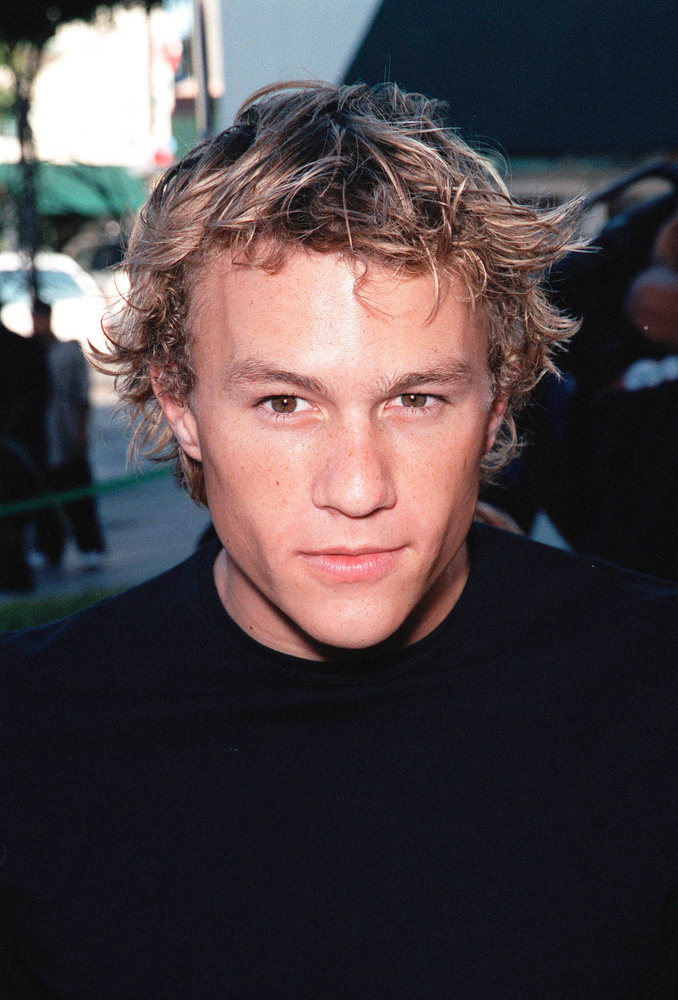
Heath Ledger’s estate included charitable components tied to children’s causes and the arts. His family emphasized responsible distribution over indulgence. The decisions reflected concern for impact rather than optics. The focus stayed outward.
Ledger’s legacy often centers on talent and loss. His estate planning showed care beyond his career. Giving became part of how he was remembered. Responsibility shaped remembrance.
9. Joan Rivers
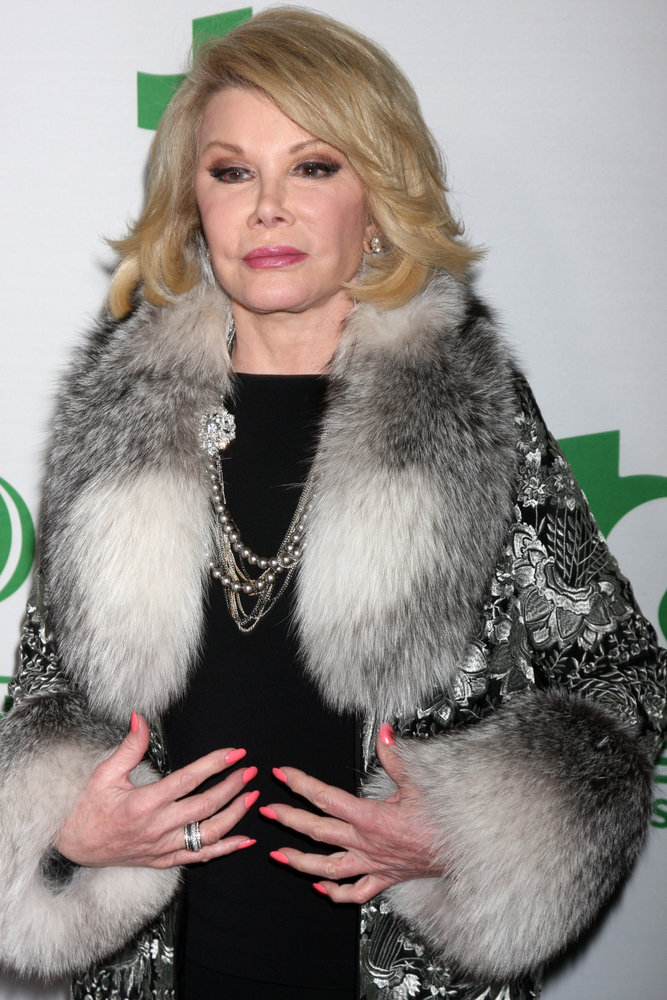
Joan Rivers left a substantial portion of her fortune to charitable foundations. She supported education, health initiatives, and Jewish charities. The choices reflected gratitude for the opportunity rather than attachment to wealth.
Rivers understood volatility better than most. She’d rebuilt her career more than once. That awareness shaped her exit. The money went where it could stabilize others.
10. James Gandolfini
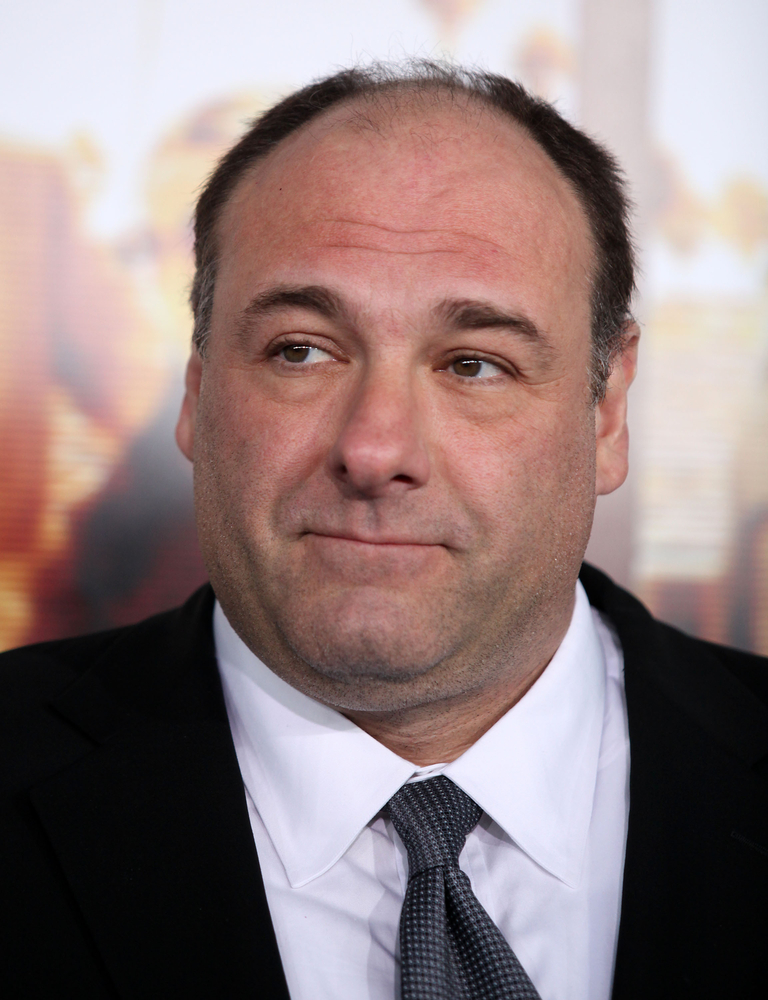
James Gandolfini directed part of his estate toward veterans’ organizations and medical charities. These choices reflected causes he supported quietly while alive. The public learned more after his death. The giving felt grounded and personal.
His work often explored moral complexity. His estate showed moral clarity. Wealth became service-oriented. The decisions spoke without drama.
11. David Bowie
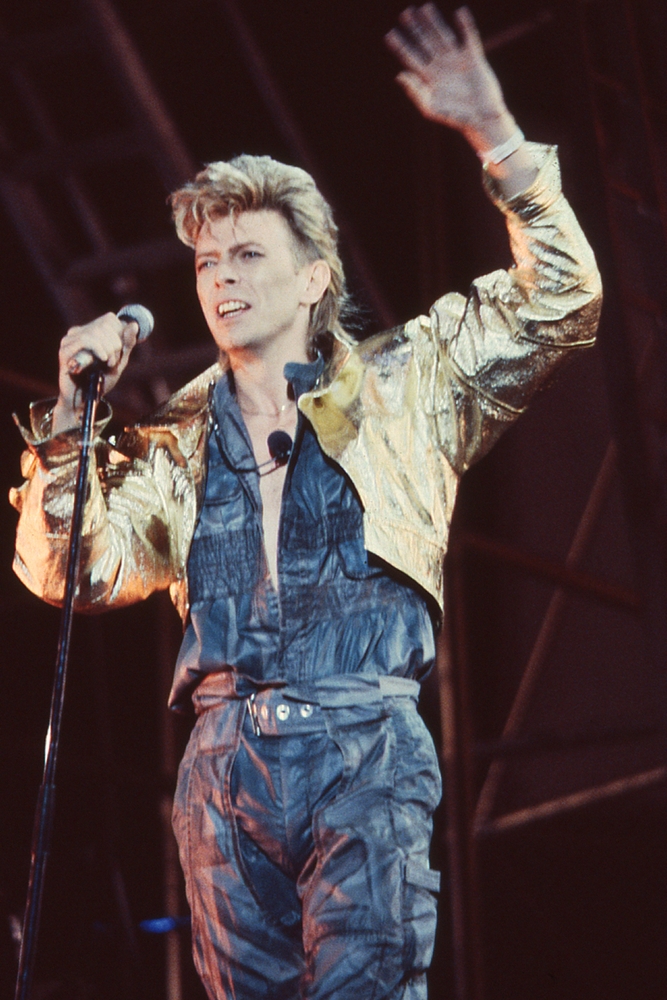
David Bowie structured his estate with long-term stewardship in mind, including charitable components supporting the arts. His planning emphasized sustainability rather than spectacle. Control mattered, even in generosity. The approach mirrored his career.
Bowie treated legacy as design. Nothing was accidental. Giving was integrated, not reactive. His fortune followed the same philosophy as his work.
12. Steve McQueen
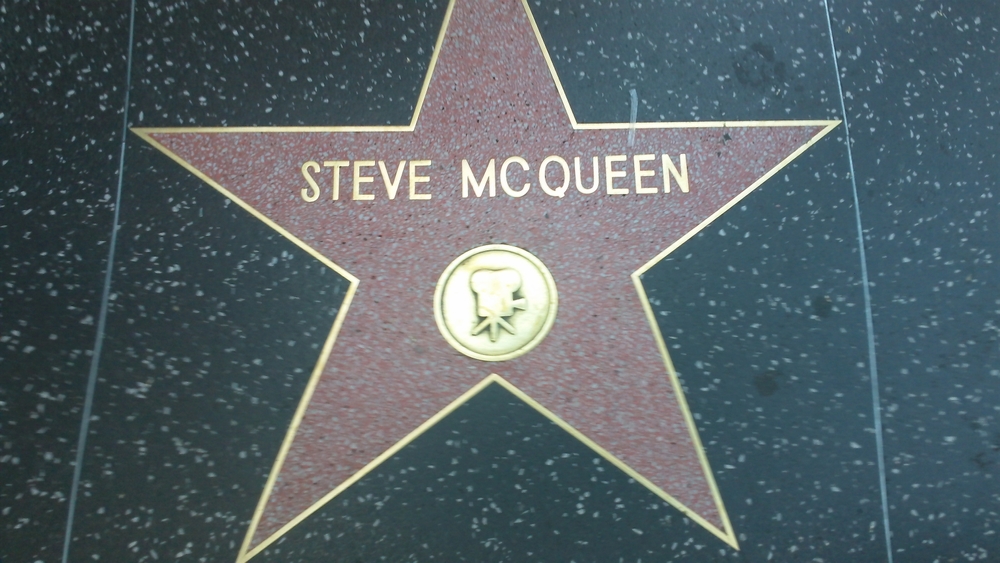
Steve McQueen left portions of his estate to educational and charitable causes. His life had been shaped by reform school and second chances. That history informed his decisions. The money followed experience.
McQueen’s image was rebellious, but his planning was thoughtful. He remembered where help mattered most. Charity became acknowledgment. The legacy felt earned.
13. Aretha Franklin
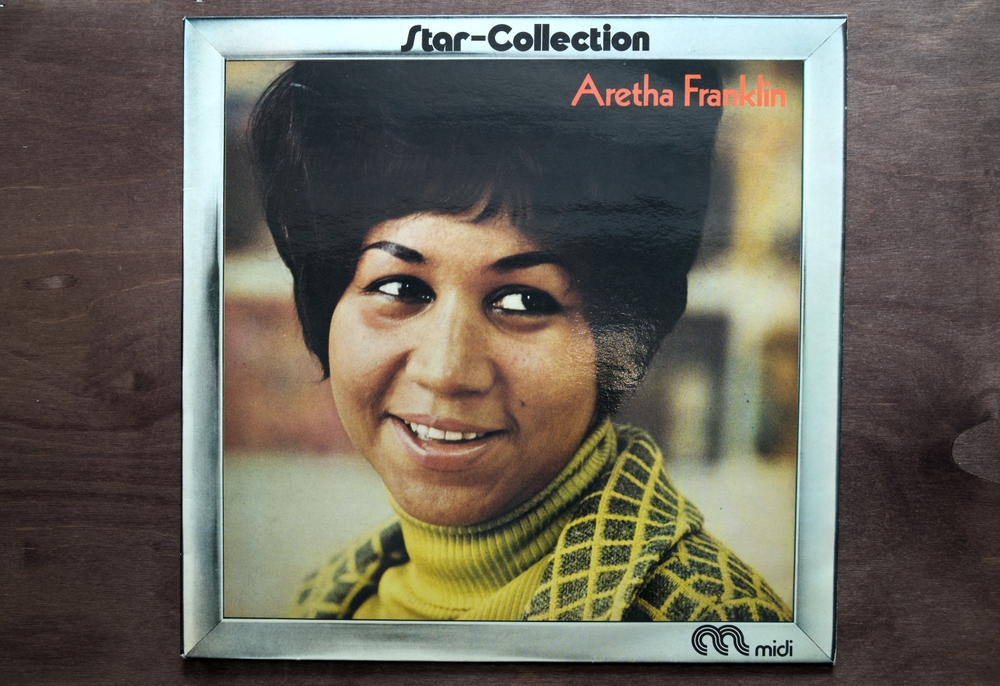
Aretha Franklin directed wealth toward charitable causes connected to education and community support. Despite the complexity of her estate, philanthropy remained part of the outcome. Giving aligned with her public advocacy. The intention was clear.
Franklin’s career was rooted in cultural contribution. Her estate reflected the same impulse. Money reinforced meaning. Impact outlasted assets.
14. Leonard Nimoy
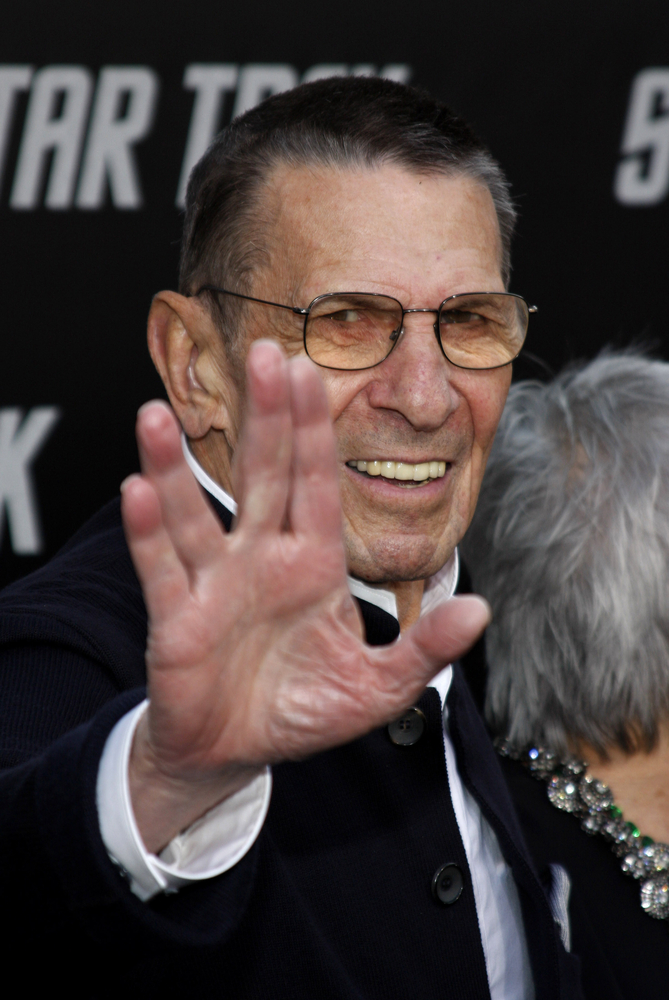
Leonard Nimoy left significant funds to support arts education and Jewish cultural institutions. His giving reflected intellectual curiosity and cultural continuity. He treated legacy as stewardship. The choices felt deliberate.
Nimoy valued learning and preservation. His estate reinforced those priorities. Wealth became cultural memory. Giving was purposeful.
15. Chadwick Boseman
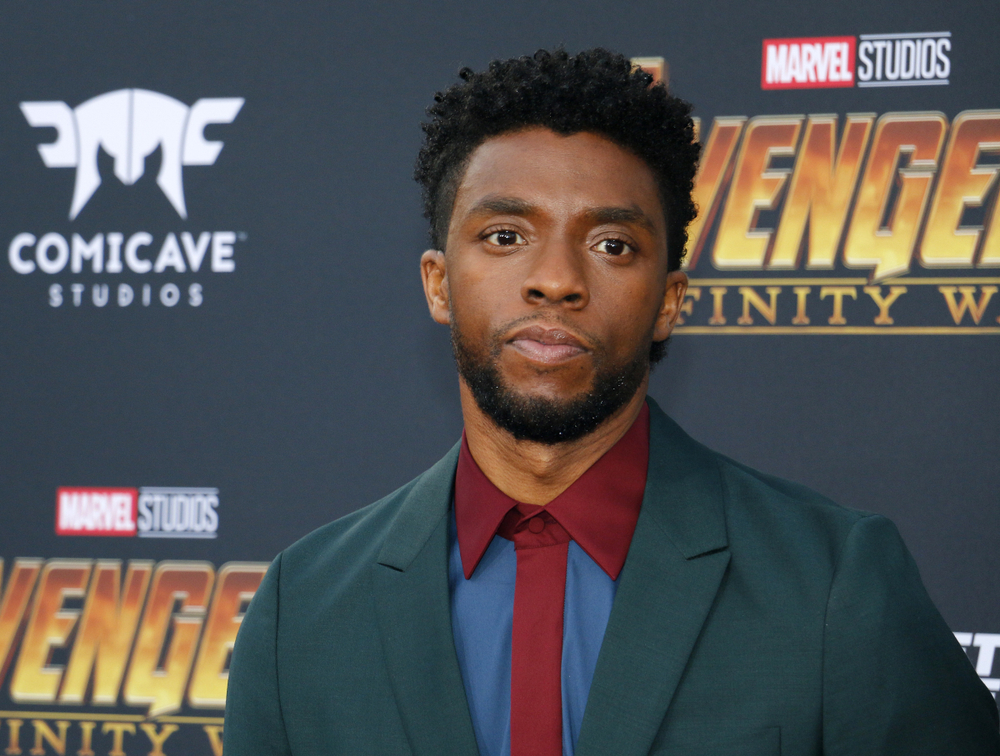
Chadwick Boseman left behind charitable intentions that focused on cancer awareness and children’s causes. Though his life was cut short, his planning reflected maturity and foresight. His values guided the outcome. The legacy felt aligned.
Boseman believed in responsibility beyond fame. His estate echoed that belief. Money followed meaning. The impact continues quietly.
This article is for informational purposes only and should not be construed as financial advice. Consult a financial professional before making investment or other financial decisions. The author and publisher make no warranties of any kind.