

Austin, Miami, Nashville—these oft-moved to cities are already old news. What’s happening now is more deliberate, driven by people who want livability without spectacle and opportunity without hype. Remote work normalized mobility, inflation reshaped priorities, and burnout changed what “success” looks like. These are the cities absorbing that shift without marketing themselves as the next big thing.
1. Grand Rapids, Michigan
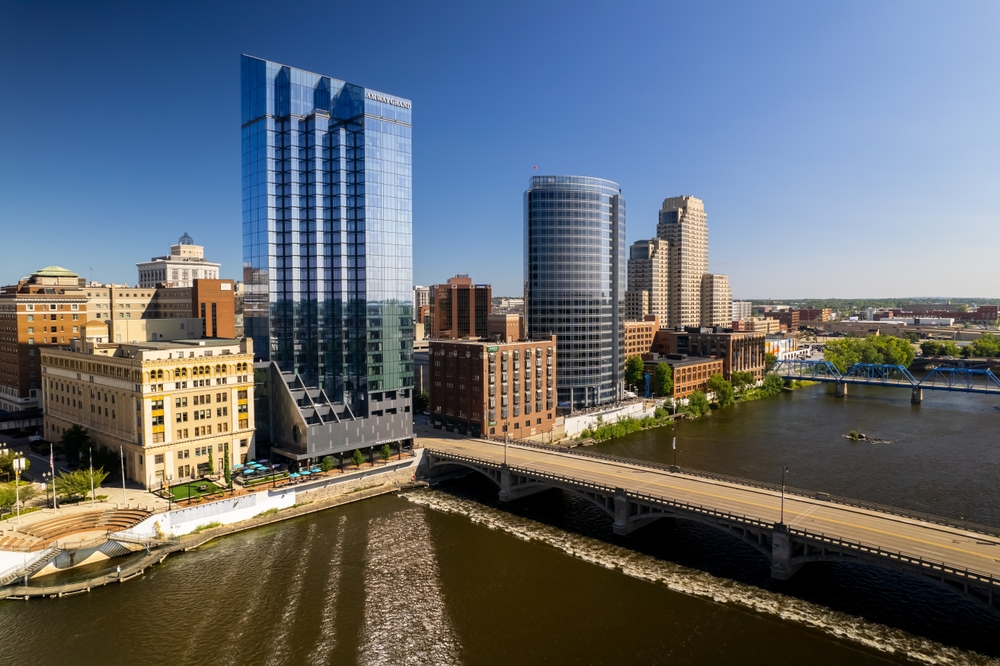
Grand Rapids has been steadily pulling in people who want a real city without coastal prices. The downtown is walkable, housing remains comparatively attainable, and the job market is diverse enough to support both remote workers and locals. It offers cultural infrastructure without the constant churn of trend cities. Life feels manageable here.
What’s drawing people isn’t flash—it’s balance. Grand Rapids offers stability without stagnation and growth without chaos. For Americans priced out of bigger metros but unwilling to retreat to rural isolation, it hits a rare middle ground.
2. Chattanooga, Tennessee
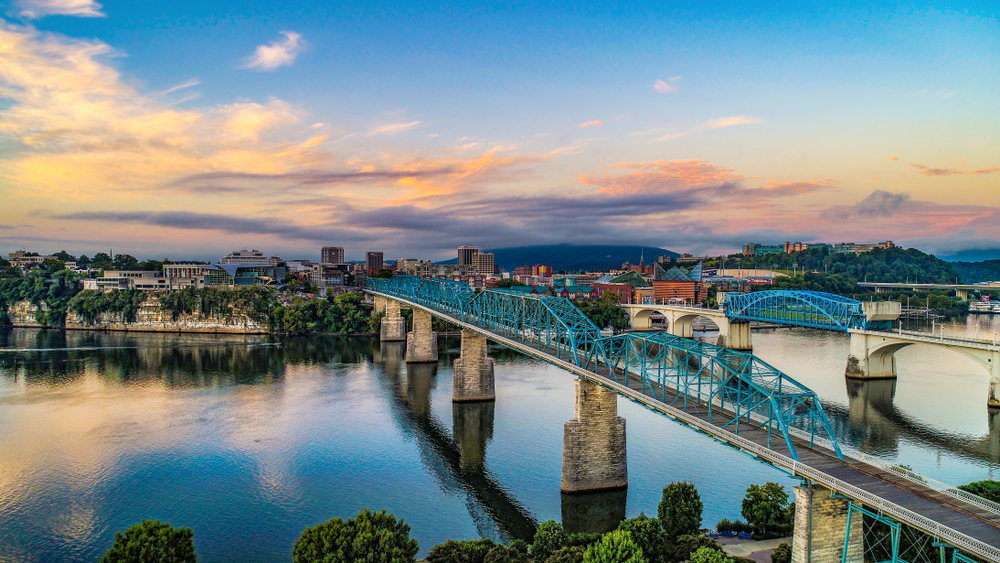
Chattanooga’s rise has been methodical, not explosive. According to migration and broadband data cited by the U.S. Census Bureau and regional economic development reports, the city has attracted a growing number of remote workers due to its high-speed municipal internet and low cost of living.
The appeal is practical rather than aspirational. Chattanooga offers outdoor access, reliable connectivity, and a pace that doesn’t demand burnout as proof of ambition. People move here to recalibrate, not reinvent themselves.
3. Pittsburgh, Pennsylvania
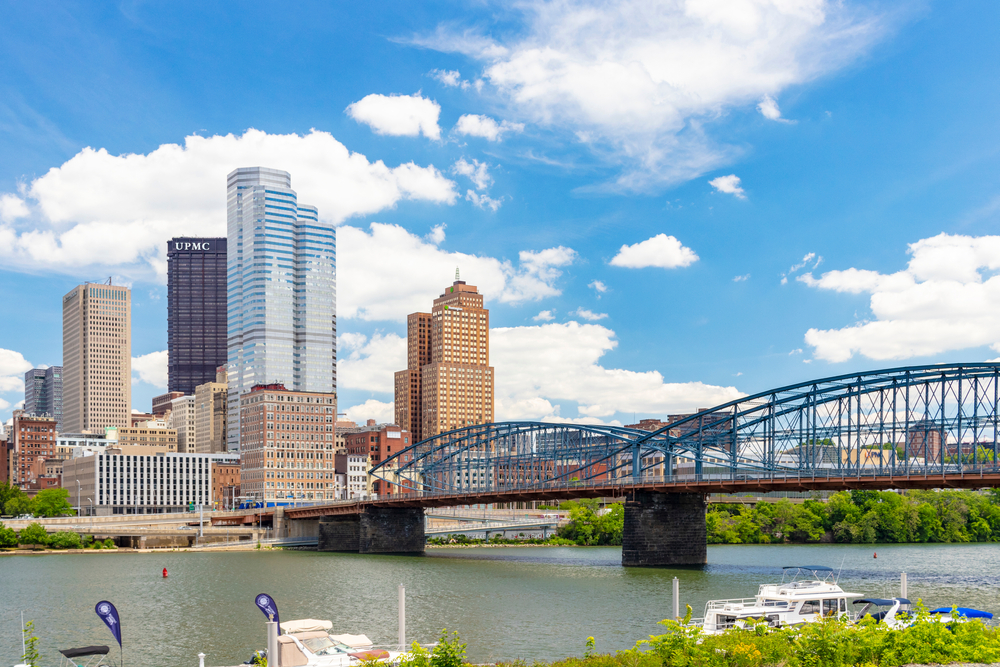
Pittsburgh has quietly transformed from an industrial legacy city into a knowledge and healthcare hub. Data from the Bureau of Labor Statistics and reporting from Brookings highlight strong employment growth in education, medicine, and tech-adjacent fields. Housing costs remain low relative to wages. That ratio is rare now.
What attracts movers is resilience. Pittsburgh knows how to adapt without erasing itself. Neighborhoods feel rooted rather than manufactured. For people tired of boom-and-bust cities, that steadiness feels like relief.
4. Fayetteville, Arkansas
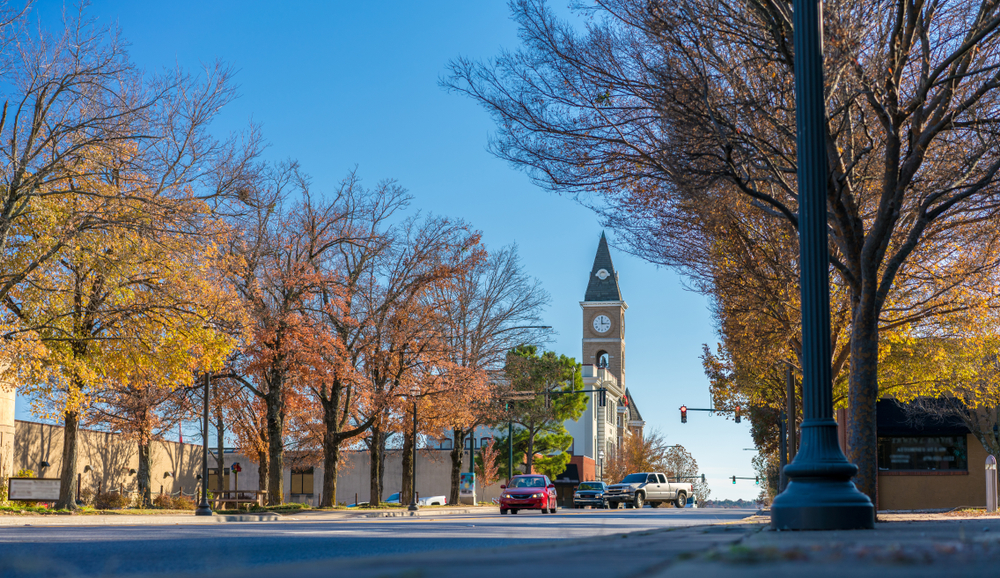
Fayetteville benefits from a unique combination of university energy, corporate investment, and natural surroundings. The presence of major employers creates economic stability without overwhelming the city’s scale. Growth feels intentional rather than extractive. That distinction matters to people watching cities hollow out under rapid expansion.
Transplants often cite quality of life as the deciding factor. Commutes are short, communities are tight, and access to nature is immediate. Fayetteville feels like a place where life can expand without becoming complicated.
5. Richmond, Virginia
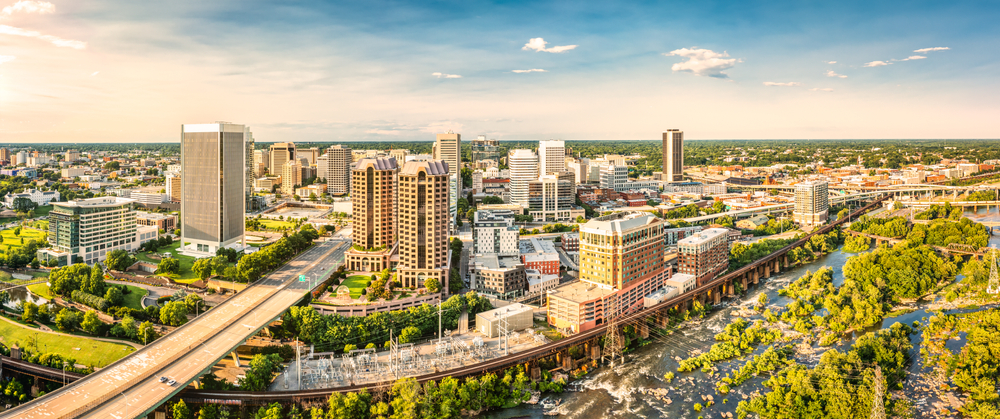
Richmond has become a magnet for people leaving larger East Coast cities without wanting to abandon culture entirely. According to relocation data and housing trend analysis reported by Redfin and the U.S. Census Bureau, the city has seen steady inbound migration from D.C. and New York. Proximity without proximity pricing is the draw.
Richmond offers history, arts, and walkable neighborhoods without constant competition. It feels lived-in rather than optimized. People move here to slow down without shrinking their lives.
6. Des Moines, Iowa
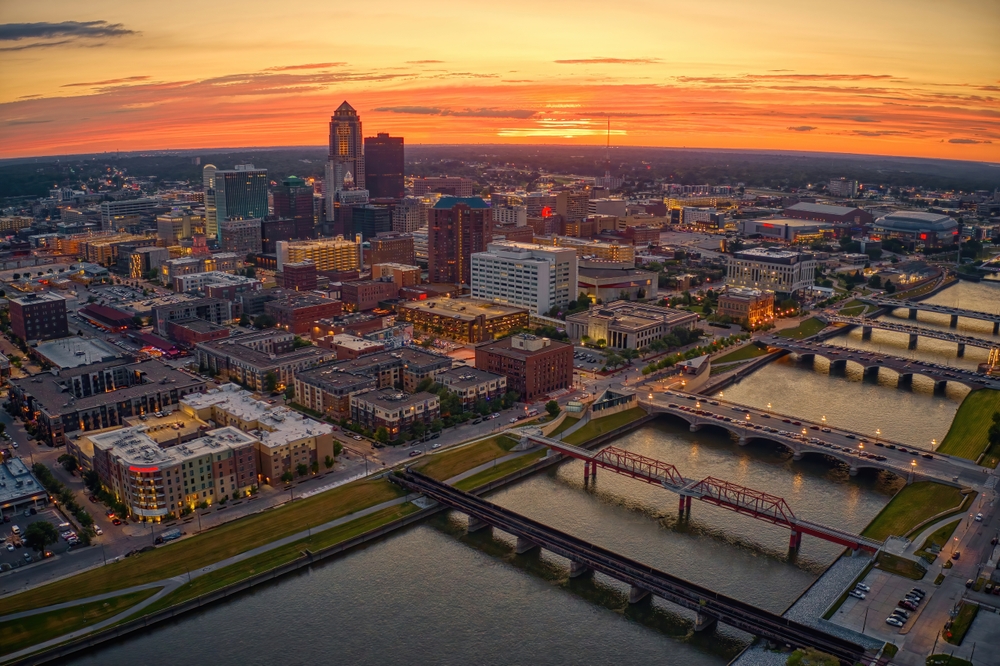
Des Moines has been benefiting from a mismatch between perception and reality. According to population movement and employment data cited by the U.S. Census Bureau and regional labor reports, the city has seen steady inbound migration tied to insurance, finance, and remote-friendly professional work. Wages stretch further here than in most metros of similar size. That math is increasingly persuasive.
What surprises new arrivals is how complete the city feels. Des Moines offers cultural institutions, solid schools, and real career pathways without constant financial pressure. Life doesn’t require optimization just to stay afloat. For people exhausted by high-cost tradeoffs, that stability feels radical.
7. Spokane, Washington
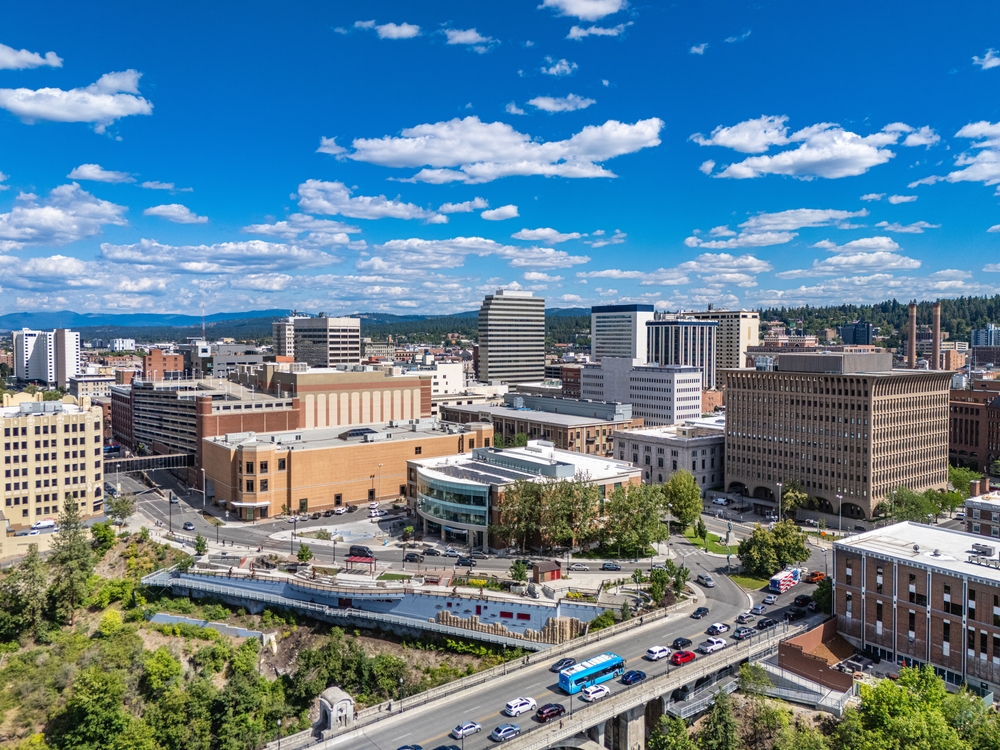
Spokane is absorbing spillover from the Pacific Northwest without inheriting its price crisis. People leaving Seattle and Portland are landing here because it offers nature access, infrastructure, and livability at a lower cost. The city benefits from proximity without dependence.
People are drawn to sustainability. Spokane feels functional in a way that larger cities no longer do. Commutes are manageable, housing is attainable, and daily life doesn’t feel like a competitive sport.
8. Huntsville, Alabama
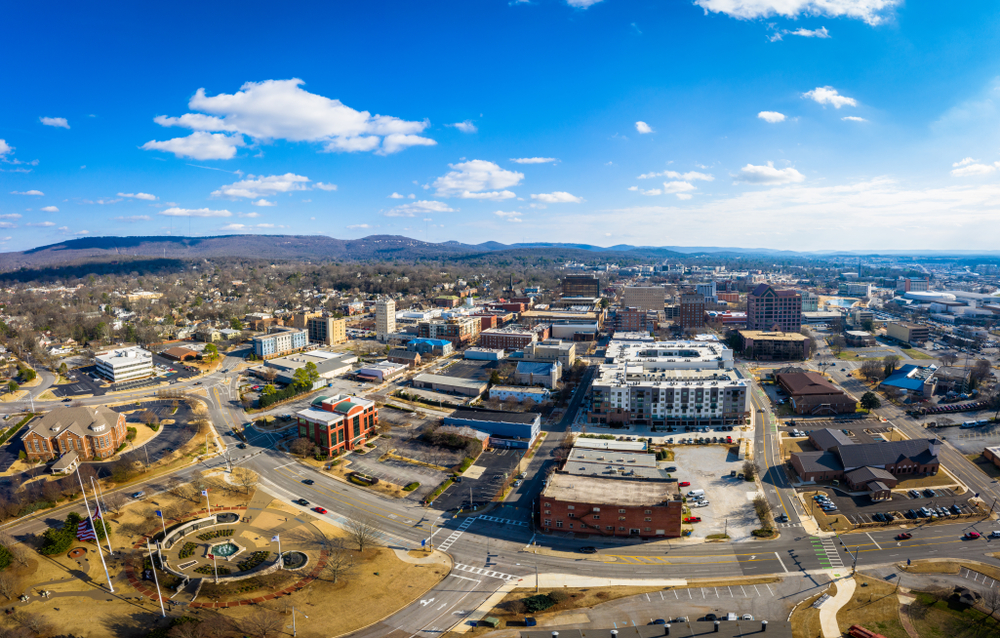
Huntsville’s growth is rooted in industry rather than trend. Aerospace, defense, and engineering jobs anchor the economy, creating stability that doesn’t evaporate with market shifts. The city attracts professionals who want meaningful work without coastal chaos.
Transplants often mention how livable the city feels day-to-day. Housing remains accessible, schools are strong, and neighborhoods retain coherence. Huntsville doesn’t market itself aggressively, which keeps growth quieter and more sustainable. People move here for continuity, not clout.
9. Boise, Idaho
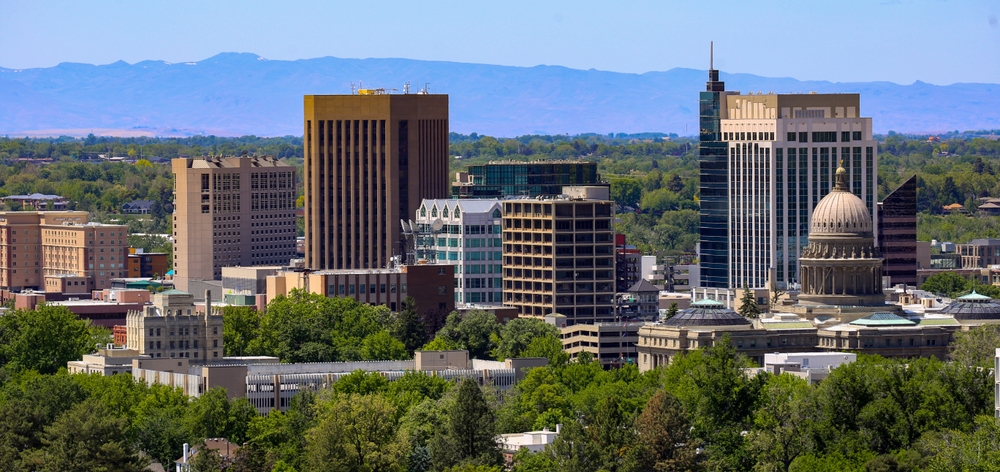
Boise’s early wave of hype cooled, but migration didn’t stop—it matured. The people arriving now are more deliberate, often coming from California and the Pacific Northwest with remote work already secured. They’re looking for long-term livability, not a quick lifestyle flip. That shift has changed the city’s trajectory.
What keeps Boise attractive is its balance between access and scale. The city offers outdoor proximity without complete isolation. Community still feels possible here. For people burned by overstimulation, Boise provides breathing room.
10. Lancaster, Pennsylvania
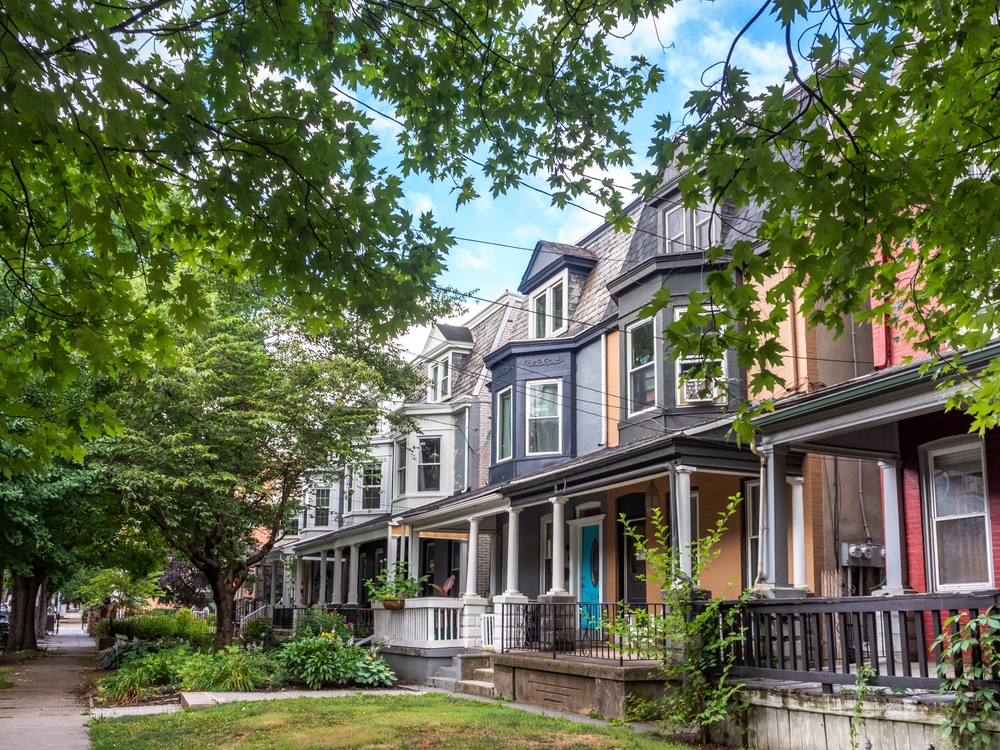
Lancaster has quietly benefited from East Coast fatigue. People priced out of Philadelphia, New York, and D.C. are discovering a city that offers charm, walkability, and access to larger metros without being swallowed by them. The pace is slower, but not stagnant.
New arrivals often talk about how quickly life feels more humane. Housing costs are lower, commutes are shorter, and communities feel accessible. Lancaster allows settling. That’s what people want.
11. Madison, Wisconsin
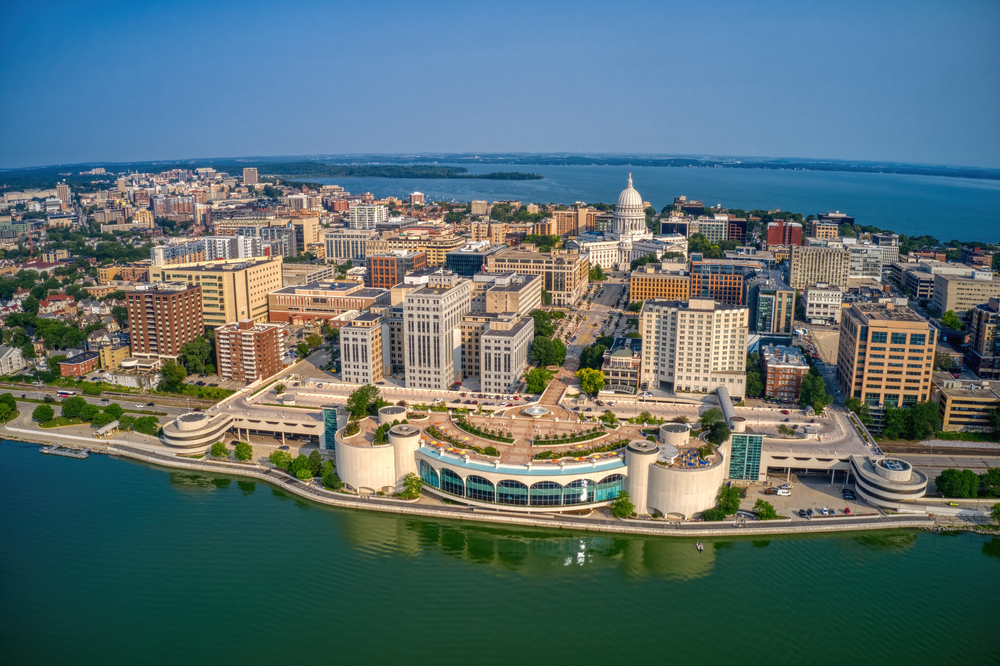
Madison draws people who want intellectual energy without coastal intensity. The university anchors the city, but it doesn’t dominate it. Public services are strong, neighborhoods feel intentional, and civic life still matters.
What keeps people here is the sense of coherence. Madison feels like a place designed for living rather than extracting productivity. Work exists, but it doesn’t consume everything. For people craving stability with stimulation, that balance is compelling.
12. Santa Fe, New Mexico
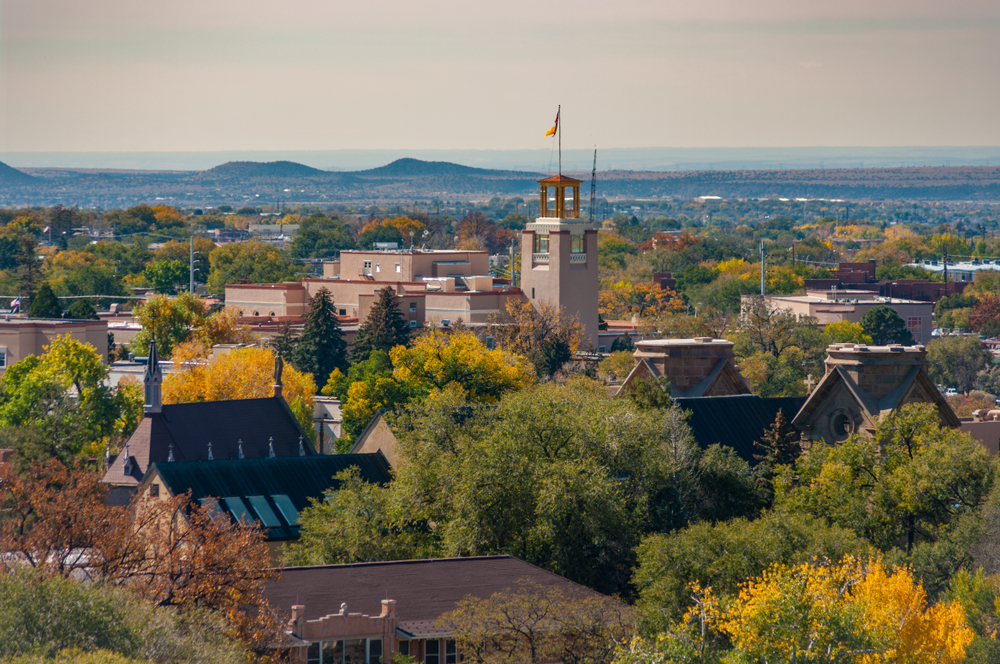
Santa Fe attracts a very specific kind of mover: people opting out of speed. The city’s appeal is preservation. Art, culture, and landscape are prioritized over expansion. That clarity is magnetic to those burned out by constant acceleration.
New arrivals often describe a recalibration of values. Life slows without shrinking. Community feels deliberate rather than transactional. Santa Fe isn’t for everyone, which is exactly why the people who choose it tend to stay.
13. Knoxville, Tennessee
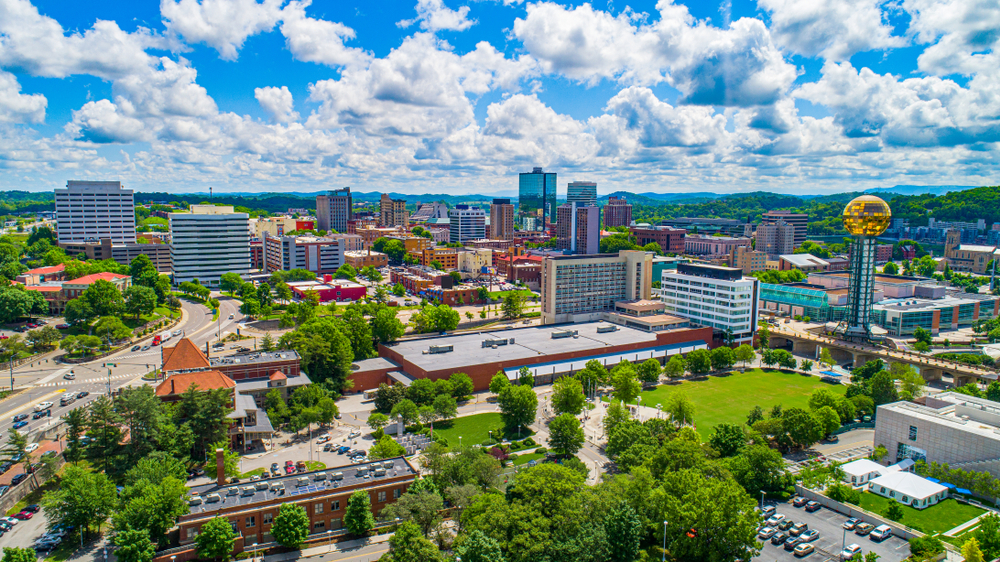
Knoxville benefits from Southern affordability without leaning into performative growth. The presence of the university brings energy, while the surrounding nature offers immediate escape. The city feels lived-in rather than optimized.
People moving here often cite relief. Expenses feel manageable, commutes are reasonable, and social life is accessible. Knoxville doesn’t promise reinvention—it offers sustainability.
14. Fort Collins, Colorado
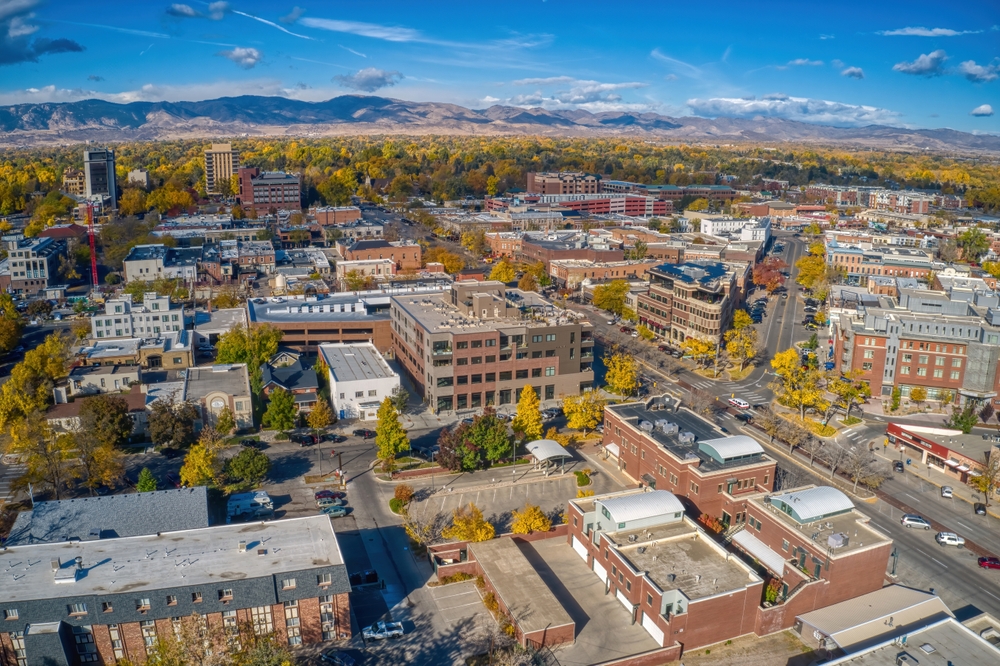
Fort Collins offers many of the benefits people once sought in Denver, without the same pressure or price. It’s bikeable, outdoors-oriented, and anchored by a strong local economy. Growth has been steady rather than explosive.
Life feels functional here. Nature access doesn’t require sacrifice, and the community still feels tangible. Fort Collins appeals to people who want alignment.
15. Marquette, Michigan
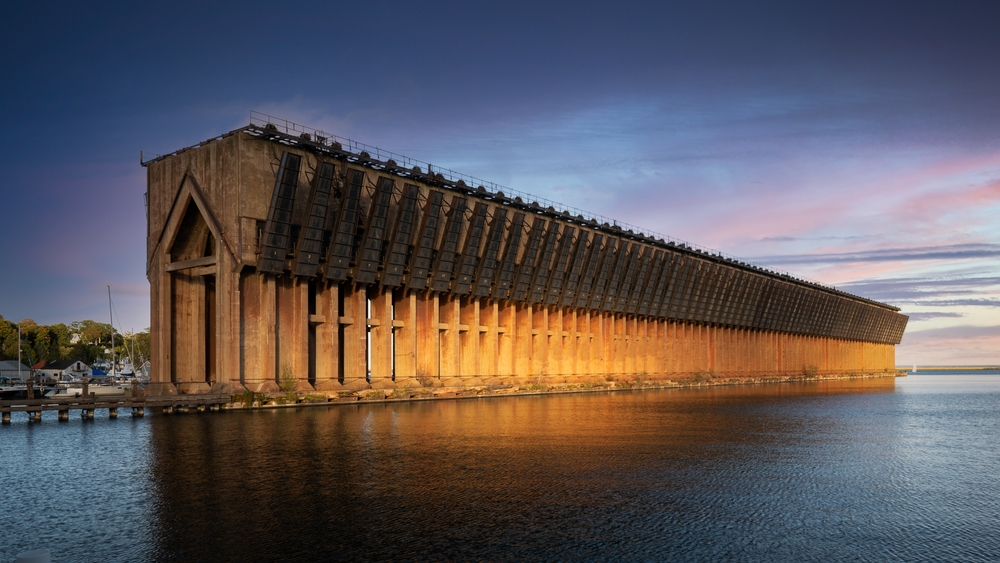
Marquette represents a different migration logic entirely. People move here to opt out, not level up. The city offers natural beauty, a tight-knit community, and a slower economic rhythm. Winters are pretty intense, which filters out casual interest.
Those who choose Marquette are intentional. They’re trading scale for depth, stimulation for steadiness. Life becomes smaller but more contained. For a growing subset of Americans, that trade feels worth it.
This article is for informational purposes only and should not be construed as financial advice. Consult a financial professional before making investment or other financial decisions. The author and publisher make no warranties of any kind.