


Eating healthier doesn’t have to mean breaking the bank. With a bit of strategy and smarts, you can fill your plate with nutritious foods while keeping your wallet happy. Here are 14 hacks that will help you eat better for less, proving that healthy eating isn’t reserved for those with unlimited grocery budgets.
1. Start a Meal Planning Routine

Meal planning is your secret weapon for eating healthily on a budget. By planning your meals weekly, you can create a detailed shopping list that helps you stick to your budget and avoid impulse buys. This approach minimizes food waste since you only buy what you need and ensures you have healthy options ready to go. According to a study published in the American Journal of Preventive Medicine, people who plan their meals are more likely to have a healthier diet and maintain a healthy body weight.
Get creative when planning your meals. Use apps or websites to discover recipes that use similar ingredients, maximizing the use of what you buy. Planning also gives you the chance to cook in bulk, making dishes like soups, stews, or casseroles that can last multiple meals. This not only saves you money but also cuts down on the time spent cooking during the week.
2. Buy Non-Perishables in Bulk
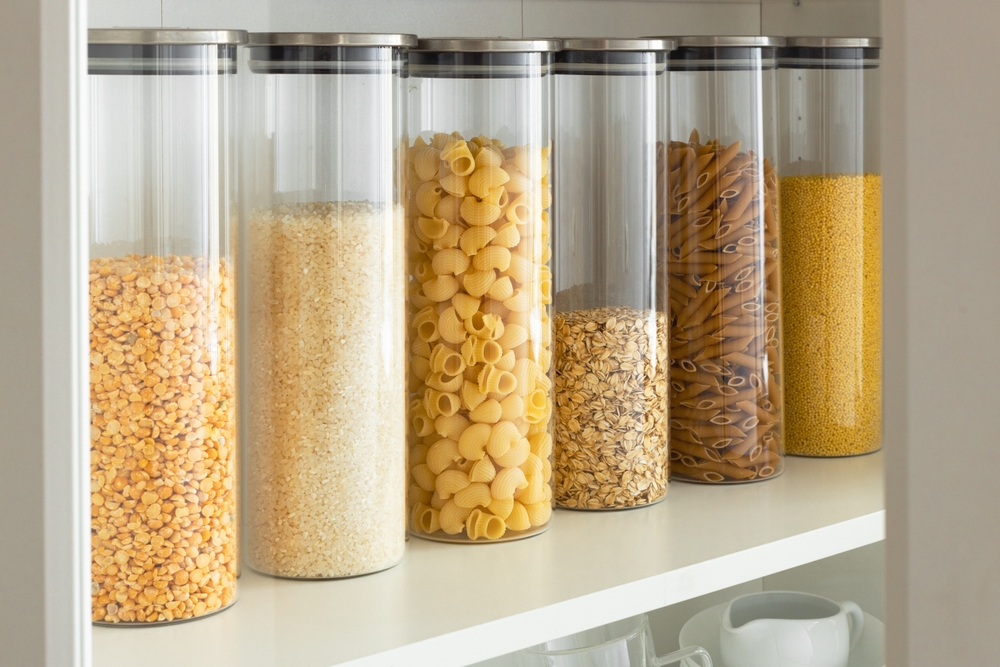
Buying in bulk can significantly reduce your grocery bill, especially for pantry staples like grains, nuts, and spices. Stores like Costco or bulk sections in supermarkets usually offer lower prices per unit, which is great for non-perishable items. Stocking up on these essentials ensures you always have healthy options on hand, which can prevent last-minute unhealthy takeout decisions. Plus, with bulk buying, you’re reducing packaging waste, making it an environmentally friendly choice.
However, buying in bulk requires some strategy. Ensure you have proper storage solutions like airtight containers to keep your items fresh longer. Be mindful of portion control, as it’s easy to overuse ingredients when they’re in abundance. Take inventory periodically to avoid buying more of what you already have, ensuring nothing goes to waste.
3. Choose Local and Seasonal Produce

Fruits and vegetables are often cheaper when bought in season and locally. Seasonal produce not only tastes better but also retains more nutrients since it’s picked at peak ripeness. Farmers markets are excellent places to find fresh, local produce at competitive prices. The USDA points out that purchasing seasonal produce can lead to significant savings on your grocery bill while supporting local farmers.
Understanding what’s in season can guide your meal planning and grocery shopping. Consider starting a small home garden for seasonal vegetables and herbs if space allows. This can supplement your produce needs and provide a rewarding hobby. Seasonal eating encourages variety in your diet, keeping your meals exciting and balanced.
4. Make a Habit of Meatless Mondays

Incorporating more plant-based meals into your week can be both economical and healthful. Meat is often one of the more expensive items in your cart, so going meatless even once a week can significantly cut costs. Instead, focus on plant-based proteins like beans, lentils, and tofu, which are affordable and versatile. This shift not only benefits your wallet but can also improve your overall health by increasing your fiber and nutrient intake.
Experiment with different cuisines that naturally emphasize plant-based ingredients, such as Indian or Mediterranean. Find hearty, satisfying recipes so you don’t miss the meat. If you’re worried about protein, remember that beans and legumes are excellent sources. By finding foods you love that don’t rely on meat, you’ll discover endless new meal opportunities.
5. Cook at Home More Often

Cooking at home is one of the most effective ways to eat healthier without spending a fortune. Restaurants and takeout meals often come with hidden costs, both financial and nutritional. By preparing your own meals, you control the ingredients and portion sizes, ensuring they meet your dietary needs. A report from the Johns Hopkins Bloomberg School of Public Health found that people who frequently cook at home eat healthier and consume fewer calories than those who eat out regularly.
You don’t have to be a gourmet chef to make delicious meals at home. Start with simple recipes and gradually build your cooking skills over time. Make cooking a fun, social activity by involving friends or family. This habit not only improves your health but also strengthens your connections with others.
6. Embracer Frozen Fruits and Vegetables
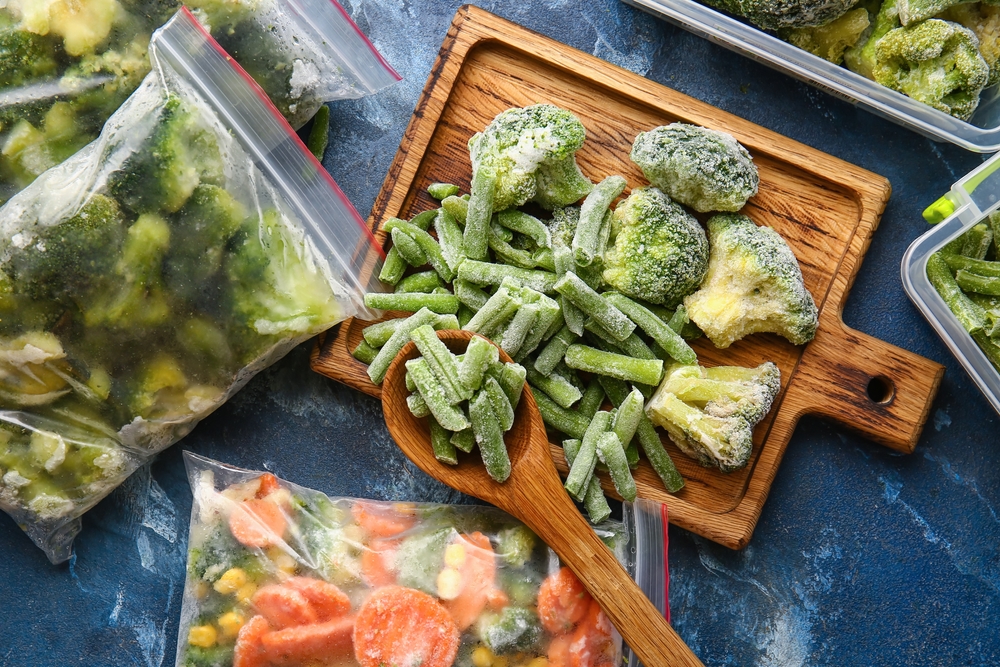
Frozen fruits and vegetables can be a lifesaver for your budget and nutrition. They’re often cheaper than fresh counterparts and have a longer shelf life, reducing waste from spoilage. Freezing locks in nutrients at their peak, making them just as nutritious as fresh produce. This flexibility allows you to enjoy your favorite fruits and veggies year-round, regardless of the season.
Keep a variety of frozen options in your freezer for quick, easy meal additions. They’re perfect for smoothies, stir-fries, or as simple side dishes. Buying frozen also means you can stock up when they’re on sale. Just be mindful of added sauces or sugars in some frozen products, opting for plain, unseasoned varieties when possible.
7. Grow Your Own Herbs

Growing your own herbs can be a simple and rewarding way to enhance your meals without extra cost. Fresh herbs add flavor and depth to dishes, turning basic meals into something special. Starting an herb garden doesn’t require a lot of space; even a windowsill can accommodate a few pots. The National Gardening Association notes that home gardening can lead to a sense of accomplishment and improved dietary habits.
Choose easy-to-grow herbs like basil, mint, or parsley, which can thrive indoors or outdoors. Not only will you save money, but you’ll also have a fresh supply of herbs at your fingertips. Regular pruning encourages growth, so use your herbs often in cooking. Beyond their culinary uses, many herbs also have health benefits, offering more than just great taste.
8. Batch Cook and Freeze

Batch cooking is a game-changer for busy weeks and tight budgets. By preparing and cooking meals in large quantities, you can portion them out and freeze for later use. This not only saves time on busy days but also ensures you have healthy meals ready to go, reducing the temptation for expensive, unhealthy fast food. It’s an efficient way to make use of bulk-bought ingredients, maximizing both their usage and your savings.
Start with simple, freeze-friendly recipes like soups, chili, or casseroles. Make sure to label and date everything, so you use older items first and avoid waste. On top of the convenience, knowing you have a homemade meal ready can be a huge stress reliever. Plus, it’s environmentally friendly as it reduces the energy and packaging associated with processed foods.
9. Get Creative With Leftovers

Don’t underestimate the power of leftovers in a healthy and economical diet. Leftovers can be repurposed into new meals, turning yesterday’s dinner into today’s lunch or side dish. This reduces food waste and stretches your grocery budget further. Get creative by using leftovers in wraps, salads, or frittatas to keep your meals interesting.
Store leftovers properly to maintain freshness and safety. Investing in quality food storage containers can keep your meals organized and appetizing. If you often have leftovers, plan for them in your weekly meal prep, ensuring they’re a part of your meal rotation. Embrace the art of the remix — with a little creativity, leftovers can be just as exciting as the original dish.
10. Shop with a List and Stick to It

Impulse buying is a major enemy of tight budgets and healthy eating. Going to the store with a list helps focus your shopping and resist the temptation of unhealthy snacks. A well-thought-out list is based on your meal plan, ensuring you buy only what you need. By sticking to your list, you avoid unnecessary purchases, which can add up quickly at the checkout.
Prepare for your shopping trip by reviewing your pantry, so you don’t double up on items. This strategy minimizes waste and prevents overstocking. Consider using apps that organize your lists by store layout, saving time and reducing impulse buys. Remember, those end-of-aisle displays are designed to tempt you — but with a list in hand, you can stay on track.
11. Explore Different Types of Protein

Protein is an essential part of any diet, but it doesn’t have to come from expensive cuts of meat. Explore a variety of protein sources, such as eggs, beans, lentils, and chickpeas, which are nutritious and budget-friendly. These options are incredibly versatile, lending themselves to a wide array of dishes from different cuisines. Incorporating diverse proteins can improve your diet’s nutritional balance and make meals more interesting.
Try incorporating plant-based proteins into dishes you already love. For example, substitute lentils for ground beef in tacos or use chickpeas to bulk up a curry. Not only are these options cheaper, but they also carry additional health benefits, like added fiber. As you experiment with different protein sources, you might find new favorites that make both your body and wallet happy.
12. Take Advantage of Sales and Coupons

Sales and coupons are tried-and-true methods for saving money on groceries. Keep an eye out for discounts on staples and stock up when prices are low. Using store apps or websites can help you find deals and organize your shopping trips. Pairing coupons with sales can lead to significant savings, freeing up your budget for other healthy choices.
Stay organized to maximize this strategy. Create a system for tracking sales cycles and coupon expiration dates. Consider downloading digital coupon apps that match discounts with your shopping list. This way, you ensure you’re always getting the best possible price on your groceries, allowing for healthier options without the premium price tag.
13. Practice Mindful Eating

Mindful eating is about paying full attention to the experience of eating and enjoying your meals. It involves savoring flavors, textures, and aromas, which can lead to greater satisfaction from smaller portions. By eating mindfully, you’re likely to consume less, reducing your grocery bill and promoting healthier eating habits. This practice encourages a deeper connection with your food, helping recognize true hunger and fullness cues.
To practice mindful eating, eliminate distractions like TV or smartphones during meals. Focus on each bite, chewing slowly and appreciating the tastes and textures. This conscious approach can prevent overeating and promote better digestion. Ultimately, mindful eating not only benefits your health but also fosters a more intentional and satisfying relationship with food.
This article is for informational purposes only and should not be construed as financial advice. Consult a financial professional before making investment or other financial decisions. The author and publisher make no warranties of any kind.