


Most collectibles were things people used every day, didn’t protect, and rarely thought twice about replacing. Over time, they stopped being made, got tossed during moves, or wore out from regular use. What’s left now is a smaller, stranger category of everyday objects that people suddenly care about again—usually after realizing how few are still around.
1. Vintage Pyrex And CorningWare Sets
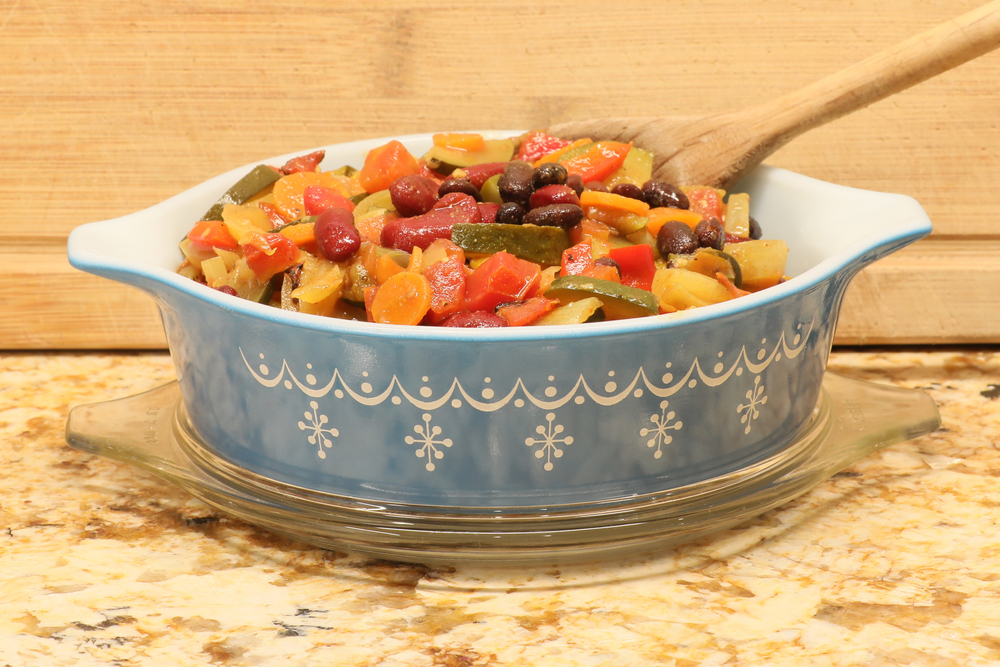
For decades, Pyrex bowls and CorningWare dishes were basic kitchen staples. They were stacked too high, shoved into cabinets, and taken for granted because they were everywhere. According to resale data from WorthPoint and reporting cited by Smithsonian Magazine, certain mid-century patterns now sell for hundreds or even thousands of dollars. The jump happened gradually, as fewer complete and undamaged sets remained in circulation.
Most households didn’t preserve these intentionally. They broke, got donated, or were replaced with lighter cookware that felt more modern at the time. What’s left now tends to be owned by people who never bothered to upgrade. That accidental survival is what’s driving demand.
2. Early KitchenAid Stand Mixers
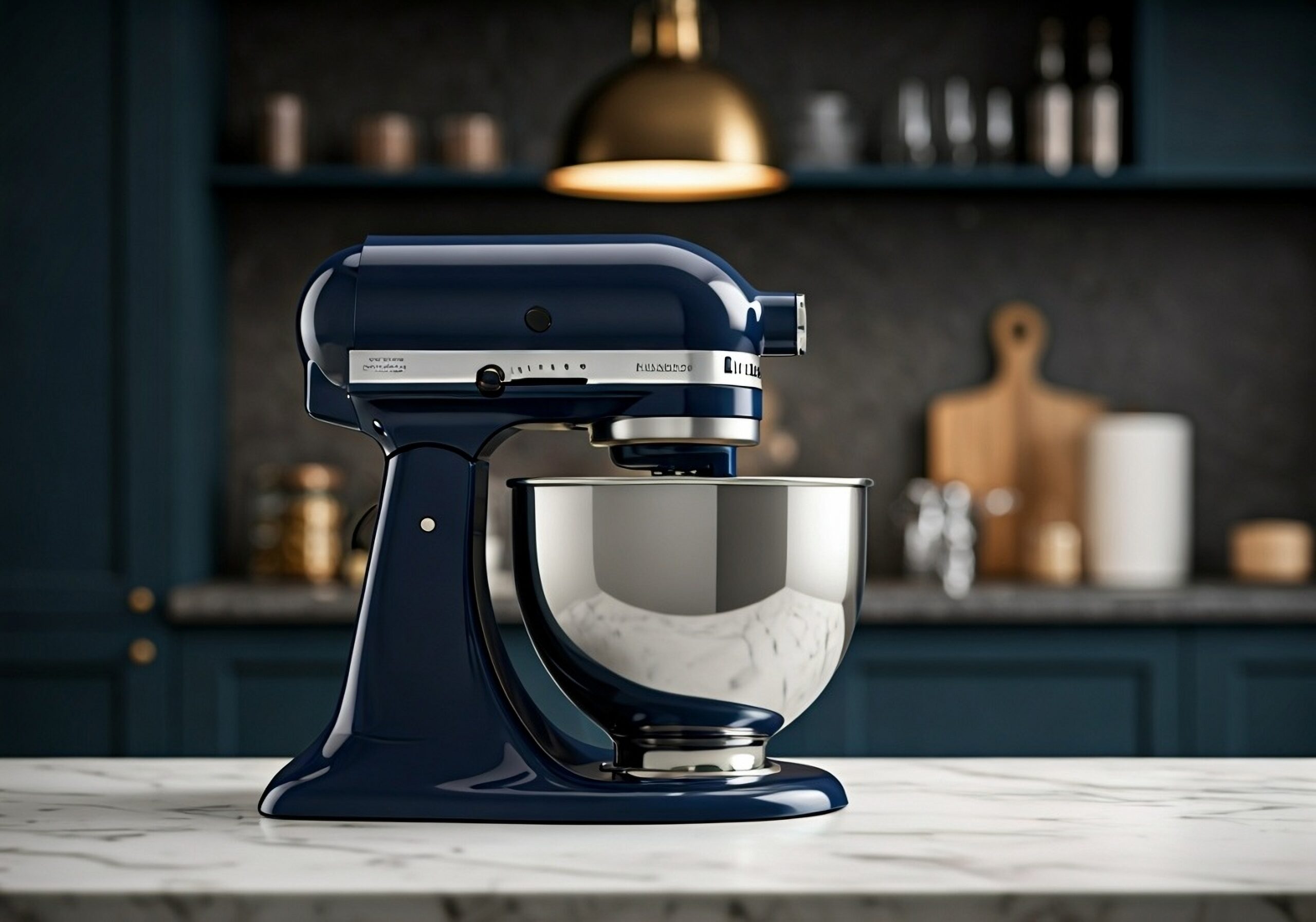
Older KitchenAid mixers were often bought once and kept indefinitely. They were heavy, loud, and built with metal components that could be repaired instead of replaced. According to durability testing and appliance history reporting from Consumer Reports and The Atlantic, early models are increasingly sought after because they still function decades later. Many newer versions don’t have the same lifespan.
People aren’t hunting these down because they look good on a countertop. They want something that still works and can be fixed if it doesn’t. In a market full of disposable appliances, that reliability has become noticeable.
3. IKEA Furniture From Before Flat-Pack Became Disposable
Early IKEA furniture wasn’t designed to be collectible, but it wasn’t designed to be temporary either. Pieces from the 1970s and 1980s used thicker materials and simpler construction that held up better than later mass-market versions. At the time, they were affordable and unremarkable. Most people didn’t treat them carefully.
Surviving pieces now stand out because so many were discarded. Collectors are less interested in the brand name than in the era of design and build quality. What’s scarce isn’t IKEA furniture—it’s IKEA furniture that lasted.
4. Older Household Appliances That Still Run
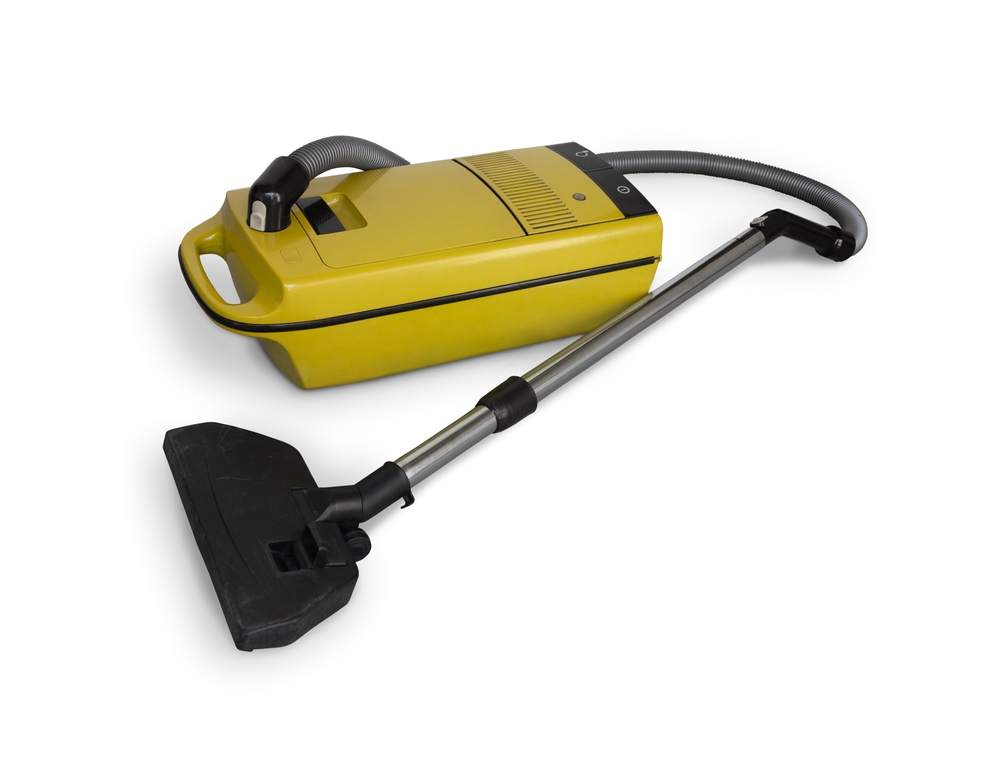
Vacuum cleaners, fans, and small appliances from the mid-20th century were often built with repair in mind. According to manufacturing and consumer durability research cited by the National Museum of American History, many older appliances were designed to be serviced repeatedly rather than replaced. Working examples are increasingly uncommon. When they surface, they attract attention.
These items appeal to people frustrated by modern replacements that fail quickly. The interest isn’t decorative. It’s practical. Durability itself has become a distinguishing feature.
5. Complete Dish And Glassware Sets From Defunct Retailers
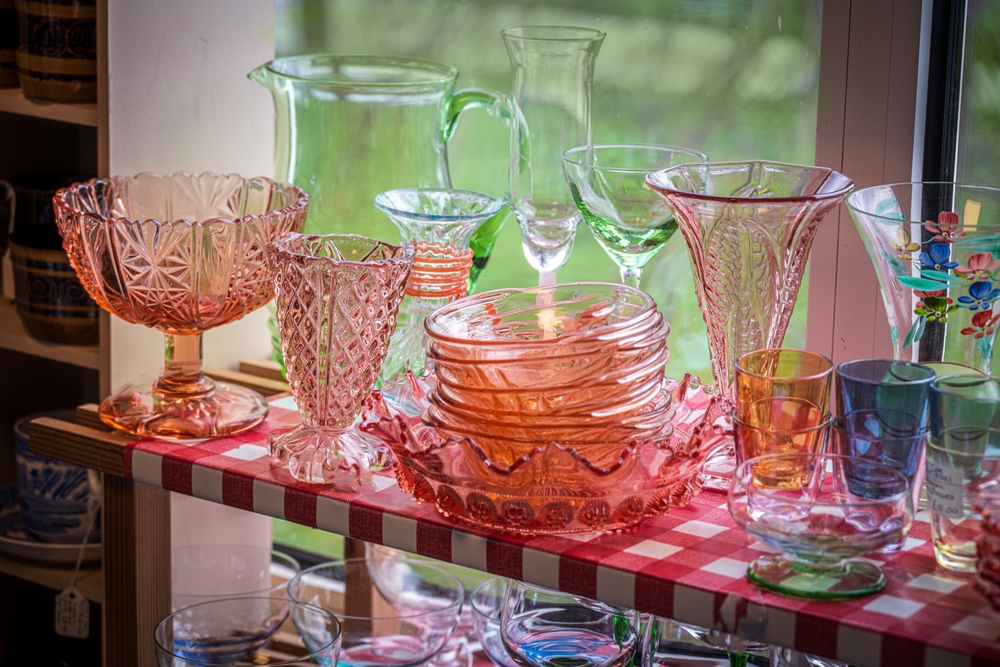
Stores like Pier 1, Linens ’n Things, and early Crate & Barrel sold full dish and glassware collections meant to be bought all at once. Over time, pieces broke, sets mixed, and replacements became impossible to find. When the stores closed, so did access to matching items. Complete sets quietly thinned out.
Collectors now look for intact collections because they’re hard to reconstruct. The value isn’t in any single plate or glass. It’s in the fact that the whole thing survived years of normal use without being scattered.
6. Mid-Century Lamps And Light Fixtures
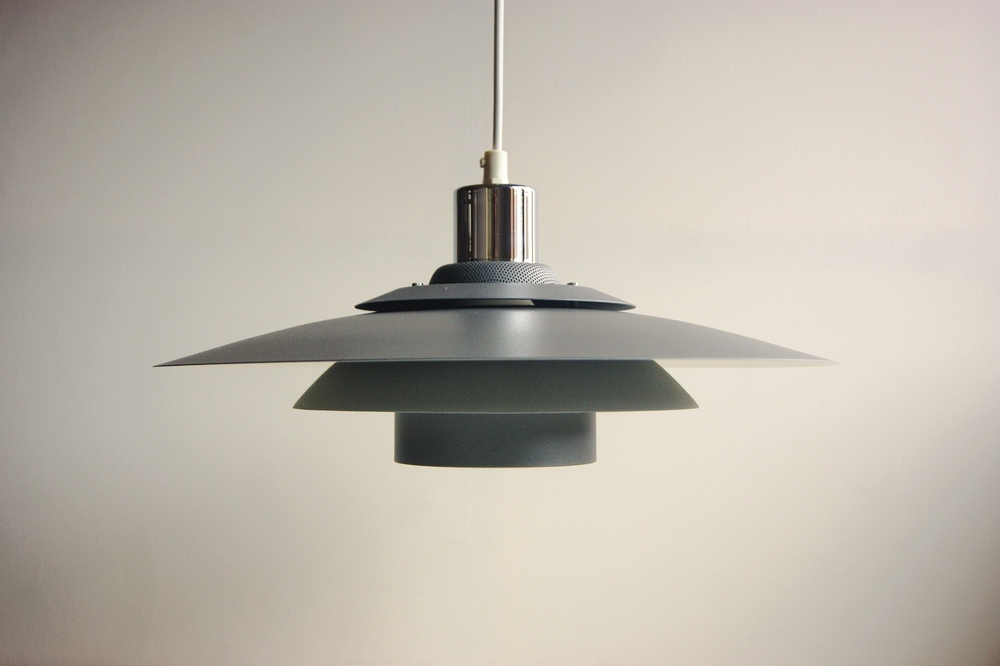
Older lamps and ceiling fixtures were often installed and then forgotten about. They stayed in place for decades because they worked and didn’t draw attention. According to resale trend analysis and auction data cited by Architectural Digest and 1stDibs, original mid-century lighting has surged in value, especially pieces with intact wiring and hardware. Replacement and rewiring thinned the field more than people realize.
What buyers want now are fixtures that haven’t been altered to match newer tastes. Original sockets, cords, and finishes signal authenticity rather than neglect. Many homes updated everything else and left the lighting behind. That neglect turned into scarcity.
7. Complete, Early Flatware Sets
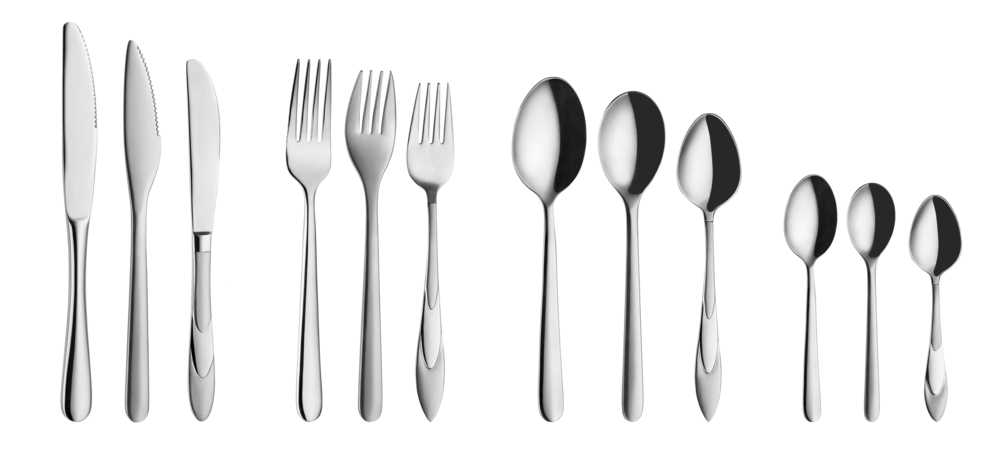
Flatware was never treated as something to preserve. Pieces disappeared into desk drawers, lunch bags, or mismatched replacements over the years. Sets were slowly broken up through everyday use. Nobody thought twice about it.
Complete sets are now difficult to assemble, especially in older patterns that stopped being produced quietly. Collectors look for consistency across dozens of small pieces, not just a few forks. The value comes from what didn’t wander off. Every day loss did most of the filtering.
8. Older Board Games With All Their Original Pieces
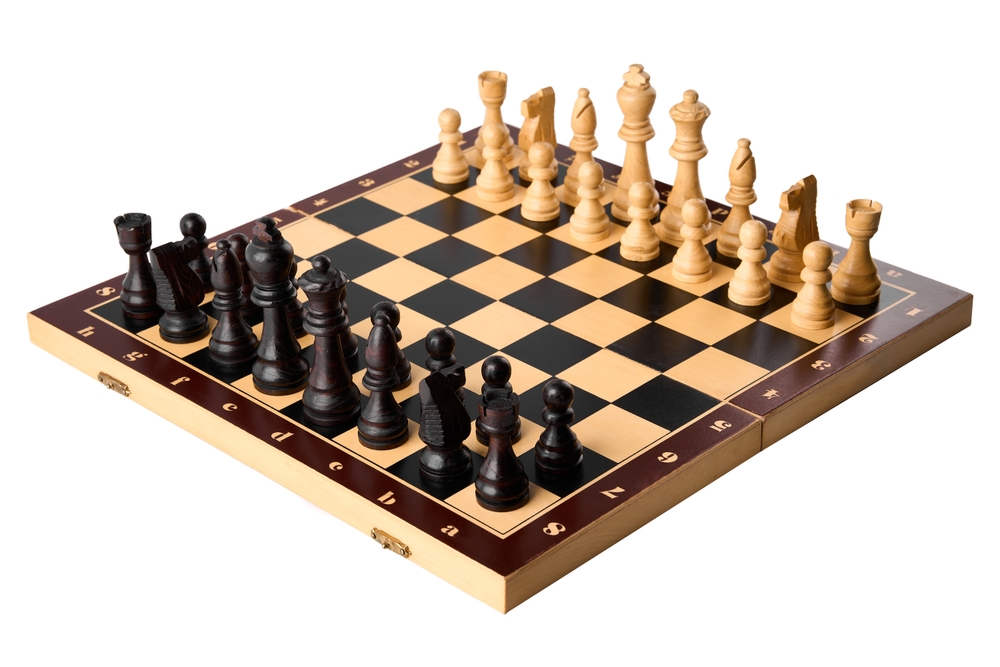
Board games were meant to be played, not protected. Boxes tore, instructions went missing, and pieces ended up under couches or mixed into other games. Most households assumed they could just buy another copy if needed. Many titles eventually stopped being printed.
What draws collectors now is completeness. Games with intact boards, cards, and original packaging are rare. The wear patterns tell a story people now want intact. Missing one piece can erase most of the value.
9. Analog Audio Equipment
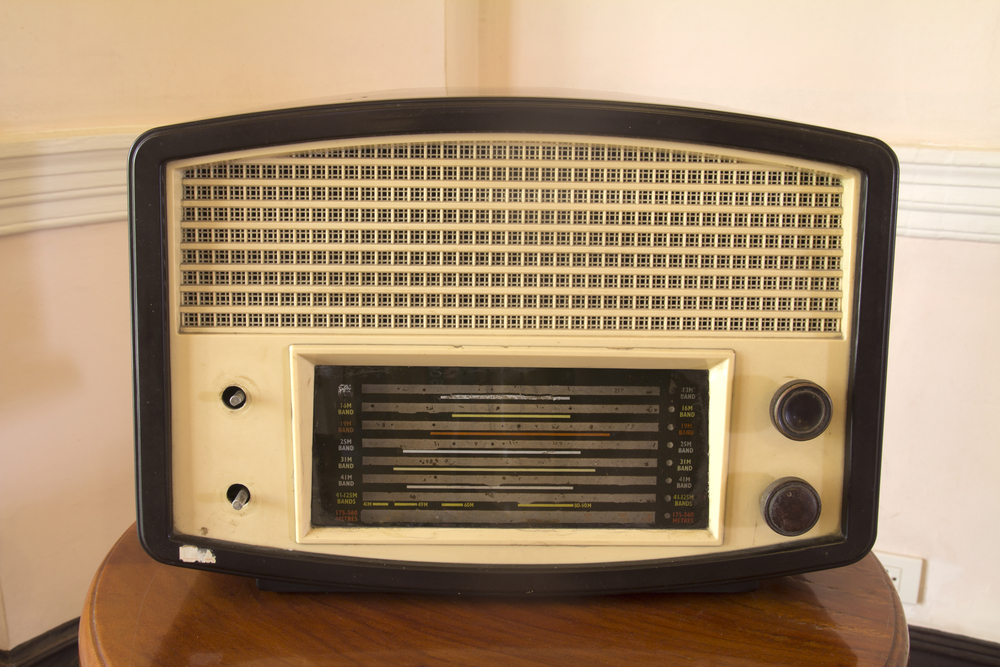
Turntables, receivers, and speakers from the 1970s and 1980s stayed in use until they didn’t. When digital formats took over, many were stored rather than sold. They weren’t stylish enough to display and not obsolete enough to throw away. They just sat.
Interest returned as people realized how well some of this equipment was built. Components that were once entry-level now outperform many modern equivalents. What survived storage became desirable again. The gap between old and new narrowed in unexpected ways.
10. Early Flat-Screen TVs
The first generation of flat-screen televisions was extremely expensive and widely advertised as future-proof. Early adopters paid a premium and kept them far longer than expected. When newer models arrived, these sets weren’t worth reselling. Many ended up in basements or spare rooms.
Some of these models are now being collected as design artifacts rather than electronics. They represent a specific moment in consumer technology when form suddenly mattered. Condition and originality determine interest. What once felt cutting-edge now reads as historical.
11. Older Office Chairs
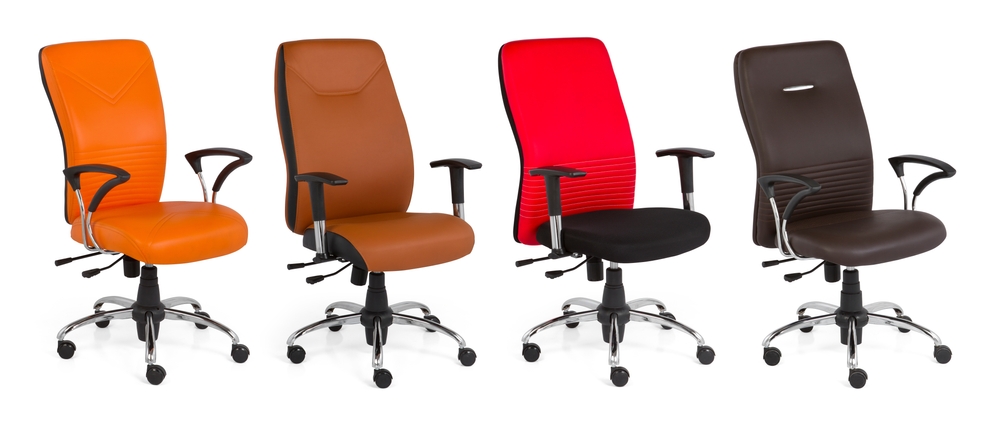
Office chairs used to be purchased for durability rather than aesthetics or branding. Many workplaces bought solid, heavy models that stayed in service for decades. When offices modernized, these chairs were discarded in bulk. Few people thought to save them.
Some of those early designs are now being sought out for their build quality and materials. They hold up better than many modern replacements and can be refurbished rather than replaced. Comfort aged better than style. The chairs that survived are the ones no one bothered to upgrade.
12. Vintage Storage Containers With Matching Lids

Plastic and metal storage containers were once treated as interchangeable and disposable. Lids wandered off, containers cracked, and sets slowly became useless. Most people replaced them piecemeal without thinking twice. Matching sets disappeared.
Complete containers are now harder to find than the containers themselves. Collectors and resellers value sets that stayed intact through years of normal use. The appeal isn’t design-forward—it’s functional continuity.
13. Older Sewing Machines
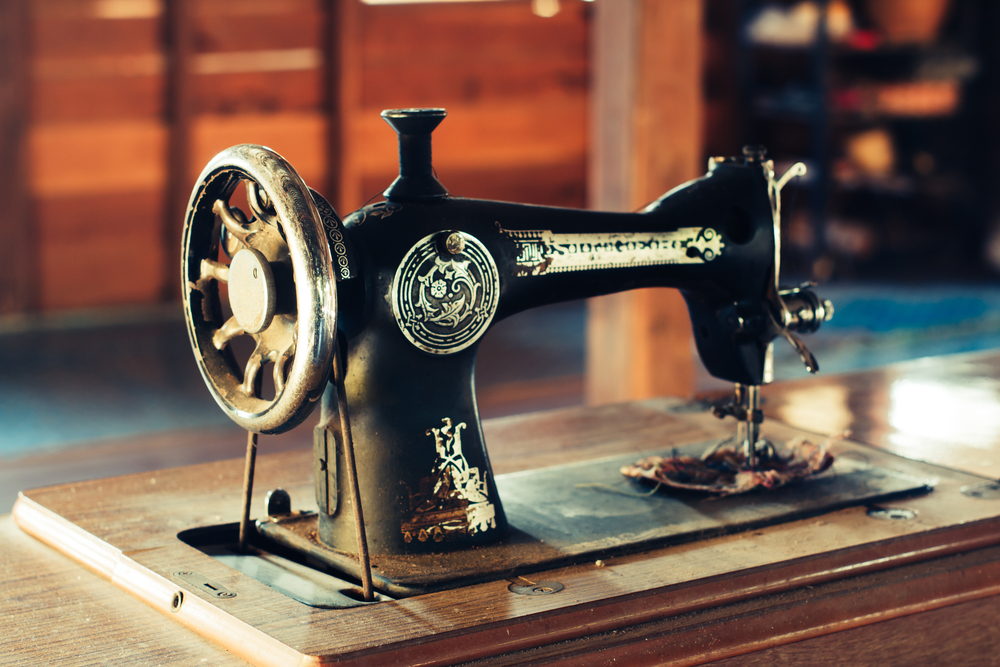
Mechanical sewing machines were common household tools rather than hobby equipment. Many families owned one that sat unused for long stretches but was never thrown away. When newer computerized models became popular, older machines were sidelined. They were too heavy to move easily and too reliable to toss.
Interest returned as people realized how consistent these machines are. Fewer electronic components mean fewer points of failure. They still do exactly what they were built to do. Reliability aged well here.
14. Original Instruction Manuals And Packaging For Everyday Products
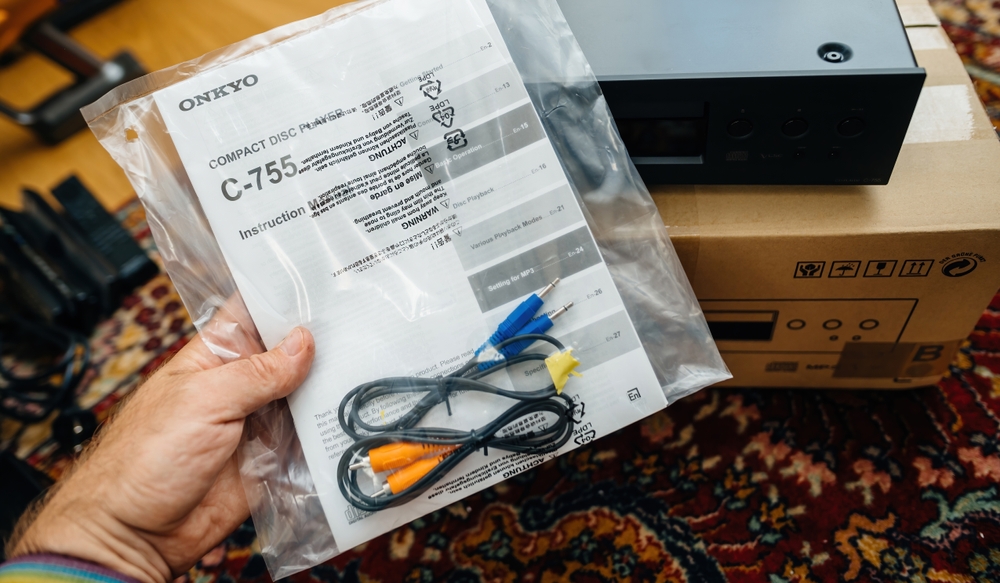
Boxes and manuals were almost always thrown away. They took up space and didn’t seem useful once the item was set up. Few people imagined they’d matter later. Most households prioritized storage over documentation.
Original packaging now adds significant value to otherwise common items. It provides context, confirms age, and signals care. What was once clutter became cool.
This article is for informational purposes only and should not be construed as financial advice. Consult a financial professional before making investment or other financial decisions. The author and publisher make no warranties of any kind.