
Real estate trends are brutal about picking winners and losers, and certain architectural styles are becoming harder to sell. These aren’t just cosmetic preferences—they’re shifts in how people want to live that leave entire neighborhoods of certain styles struggling in the market. What was desirable a generation ago can become a liability when buyer preferences change.
1. 60s Split-Level
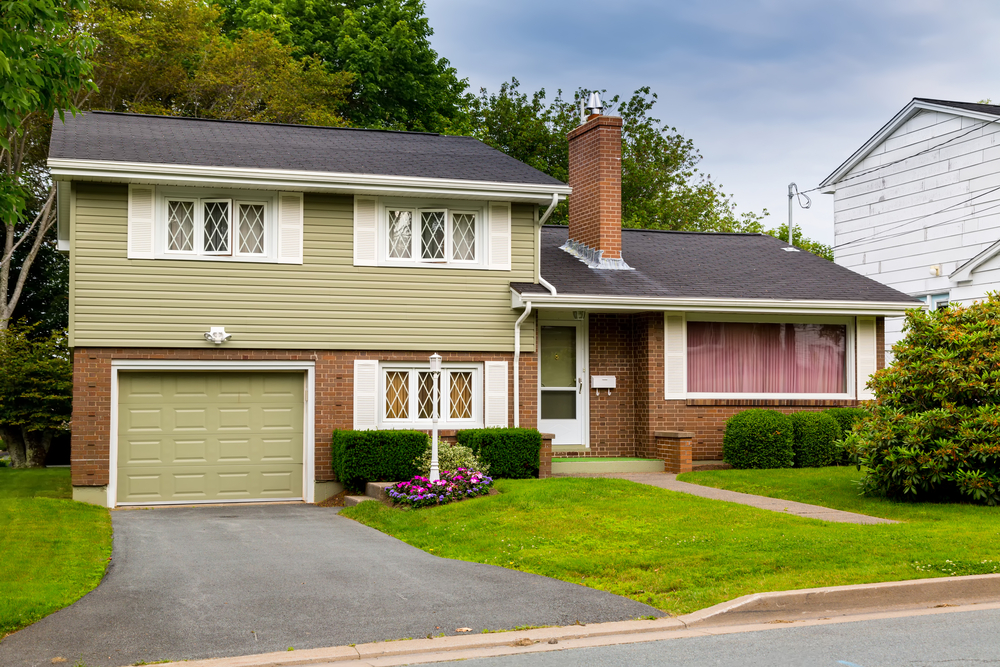
Split-levels were the answer to sloped lots in the 1960s and 70s, and now they’re the style nobody wants. The constant stairs between levels are accessibility nightmares, and the segmented layout feels choppy compared to open modern designs. These homes were practical solutions to specific problems that buyers today just don’t have.
The market shows it clearly—split-levels sit longer and sell for less than comparable square footage in other styles. Families with young kids or aging parents can’t navigate all the stairs, and renovating to fix the layout is prohibitively expensive.
2. 80s Postmodern
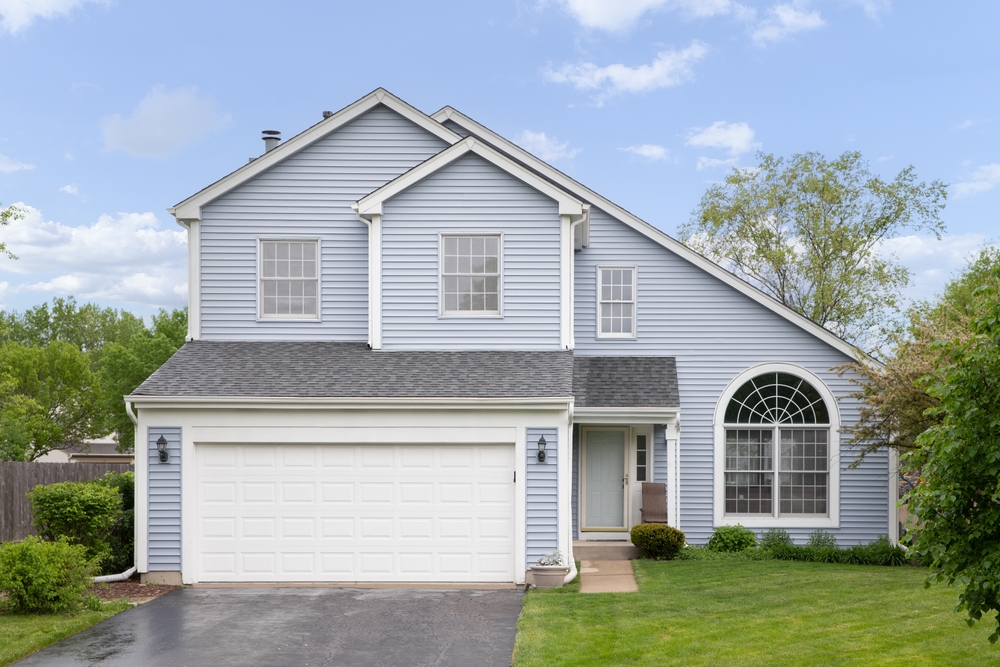
According to Zillow’s 2024 housing market analysis, homes with distinct postmodern architectural features—irregular shapes, clashing materials, bold color blocking—sold for an average of 8-12% less than traditional styles in the same neighborhoods. Those aggressively “unique” homes from the 1980s and 90s with conflicting rooflines and bizarre angles are nearly impossible to sell without massive discounts.
What looked cutting-edge in 1985 now looks like architectural slop that nobody wants to live with. These homes are too weird to appeal to traditional buyers but not cool enough to attract modernist enthusiasts. They exist in a style wasteland that tanks resale value.
3. Mediterranean Revival
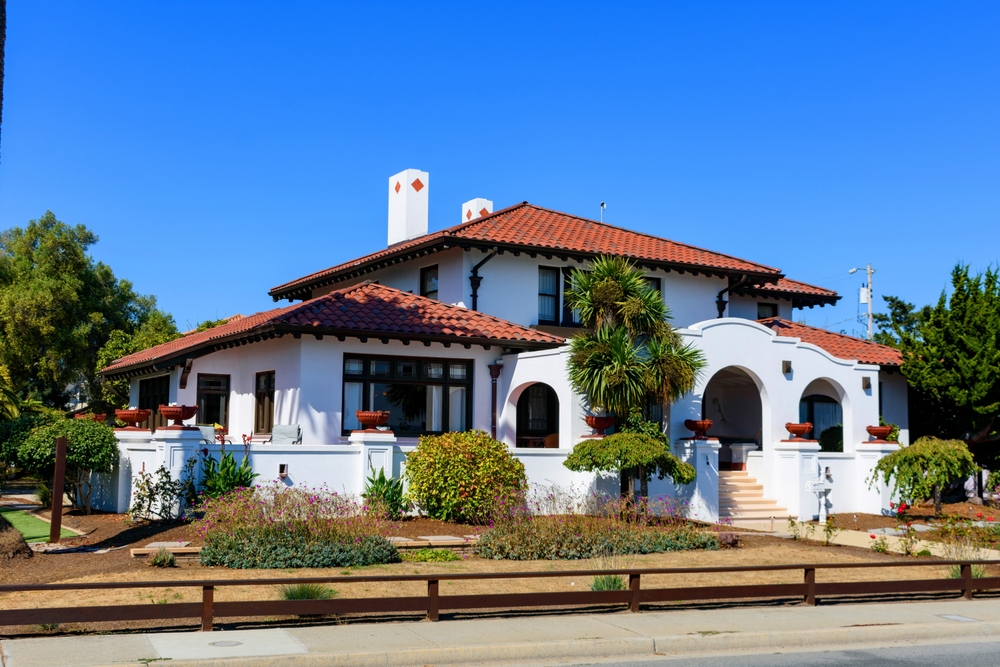
The stucco palaces with terracotta roofs that spread across sunbelt suburbs in the 2000s are already dated and deteriorating. According to Redfin’s 2024 home trends report, Mediterranean-style homes in markets outside of California and Florida experienced the steepest value declines of any architectural style, with average price reductions of 15-20% compared to their 2006 peaks. The style only makes sense in certain climates, and even there, it feels fake.
Buyers see these homes as high-maintenance stucco nightmares that will crack and need constant repair. The style was trendy during the housing bubble and now screams “built during the worst design era in American history.” They’re expensive to maintain and basically impossible to update.
4. Traditional Colonial
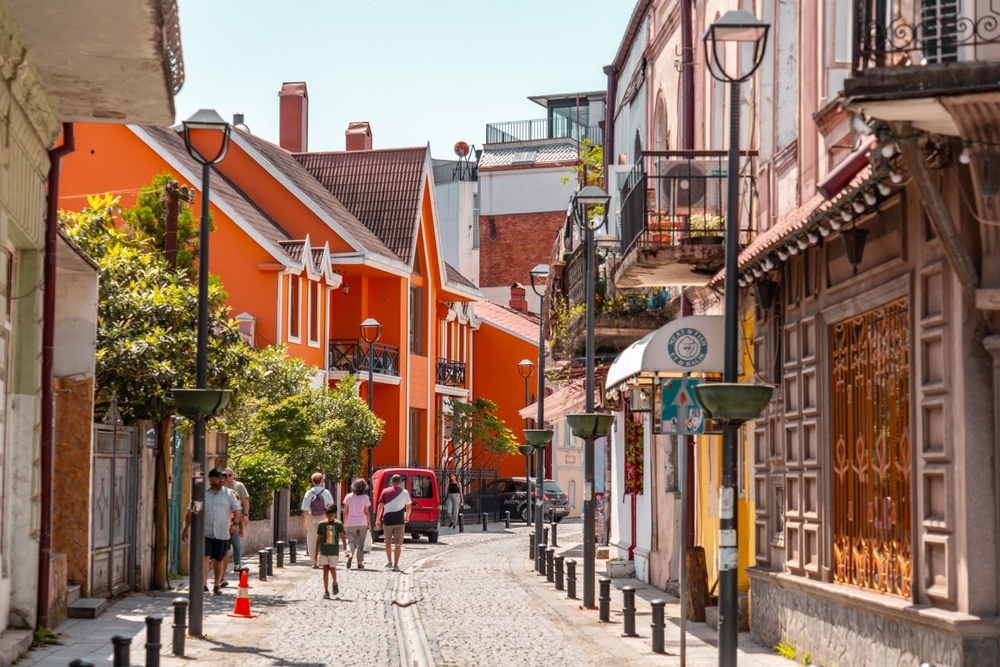
The symmetrical brick colonials with formal columns and center-hall layouts are falling out of favor with younger buyers who find them stuffy and old-fashioned. The rigid room divisions and emphasis on presentation over function don’t match how people use homes today.
The houses are solid but inflexible—you can’t easily open up spaces or modernize layouts without destroying what makes them colonial in the first place. Buyers want homes they can adapt to modern living, not museums they have to preserve. Colonial is becoming code for “outdated and unchangeable.”
5. Raised Ranch
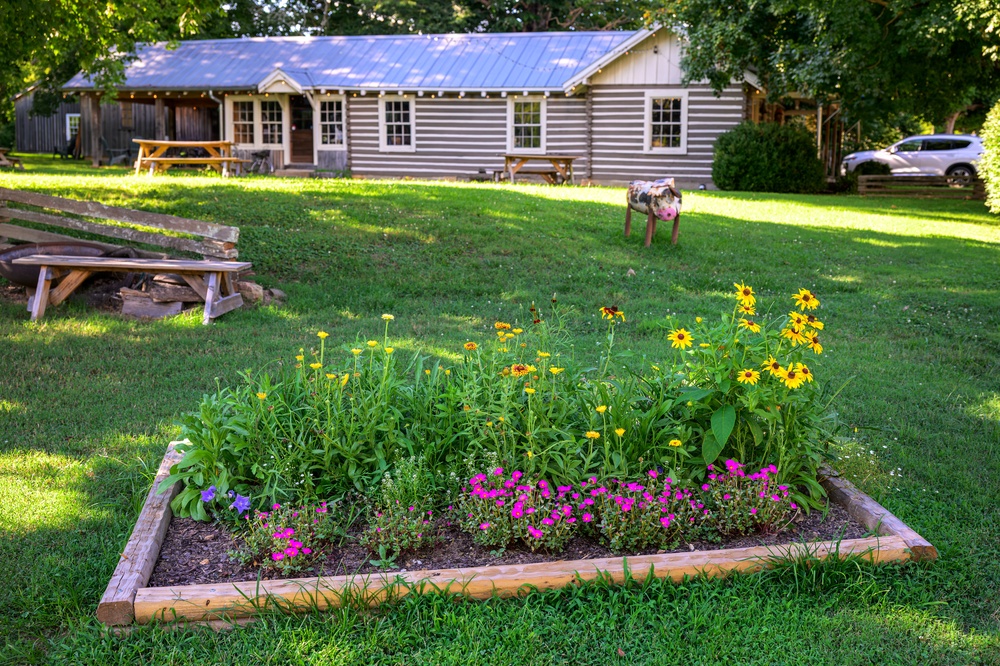
According to a 2024 study by the National Association of Realtors, raised ranch homes showed the slowest appreciation of any housing style over the past decade, with values increasing just 12% compared to 35% for craftsman and contemporary styles. Data from HomeLight indicates that raised ranches require an average of 22% longer to sell than other styles in similar locations and price ranges. The half-buried lower level that’s too dark to be a living space but counts toward square footage fools nobody.
These homes promise more space than they deliver because half of it is in a dim basement level nobody wants to use. They’re stuck between a ranch and a two-story without the benefits of either.
6. Tudor Revival
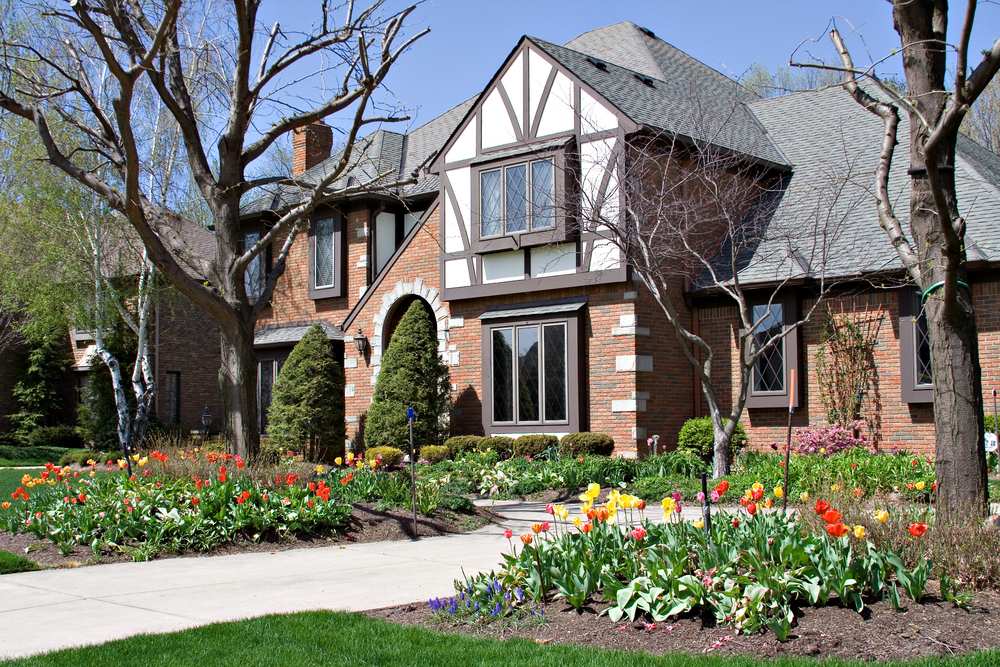
The half-timbered suburban Tudors with their dark interiors and chopped-up floor plans require a lot of maintenance. Wasting resources on upkeeping decorative timber that serves no purpose, and small windows make interiors dark and depressing.
Modern buyers want natural light and open spaces. You can’t update these homes without destroying their character, but keeping their character means living in dark rooms divided by unnecessary walls.
7. A-Frame Cabins
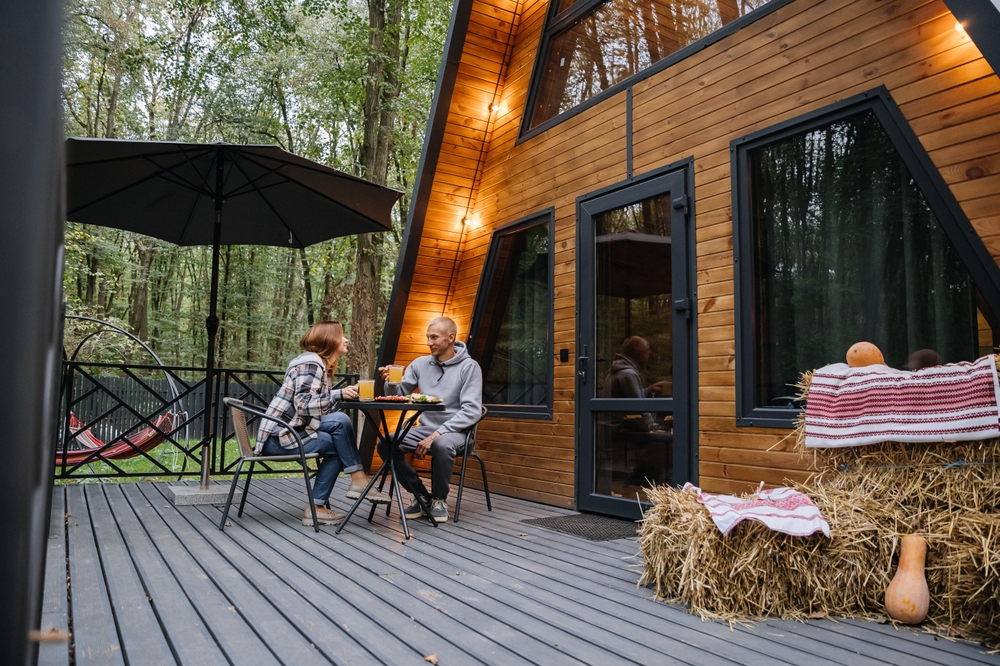
A-frames had a moment as quirky vacation properties, but the market is realizing how impractical they are as actual homes. According to housing market data from Redfin, A-frame homes experienced a brief 15% value spike during the pandemic as remote workers sought unique properties, but have since declined 8% as practical concerns outweighed novelty. The dramatically angled walls mean you can’t use most of your floor space for furniture or storage.
These homes look cool in photos, but function terribly in daily life. The quirk factor that justified the compromises is wearing off as people realize they’re paying for square footage they can’t actually use. A-frames are going back to being occasional vacation properties instead of primary residences.
8. Prairie Style
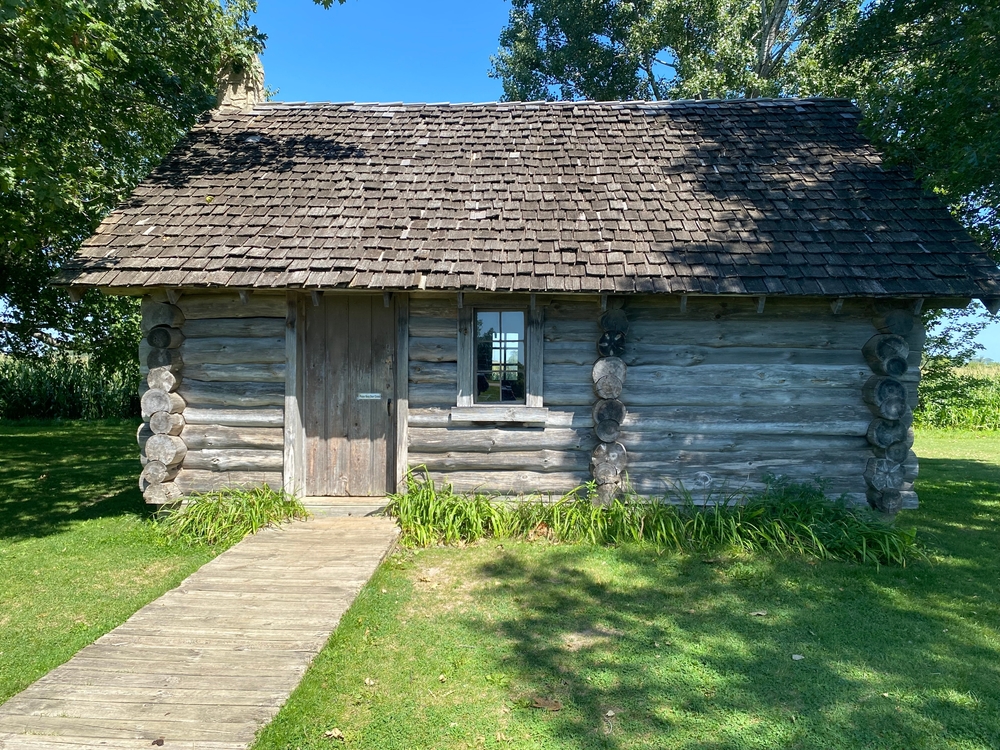
Frank Lloyd Wright’s Prairie Style homes are architecturally significant but practically problematic. Research from the Frank Lloyd Wright Foundation’s 2024 preservation report found that prairie-style homes require 35% more in annual maintenance costs compared to conventional homes due to their complex rooflines, custom windows, and specialized materials. The low-pitched roofs leak, the built-in furniture can’t be replaced, and the radical horizontal emphasis makes additions or modifications nearly impossible.
These homes are museums that happen to have people living in them. Every repair requires specialized knowledge and custom materials because nothing is standard. Buyers who aren’t Wright devotees see them as beautiful money pits, and they don’t have the budget to maintain them properly.
9. Brutalist Residential
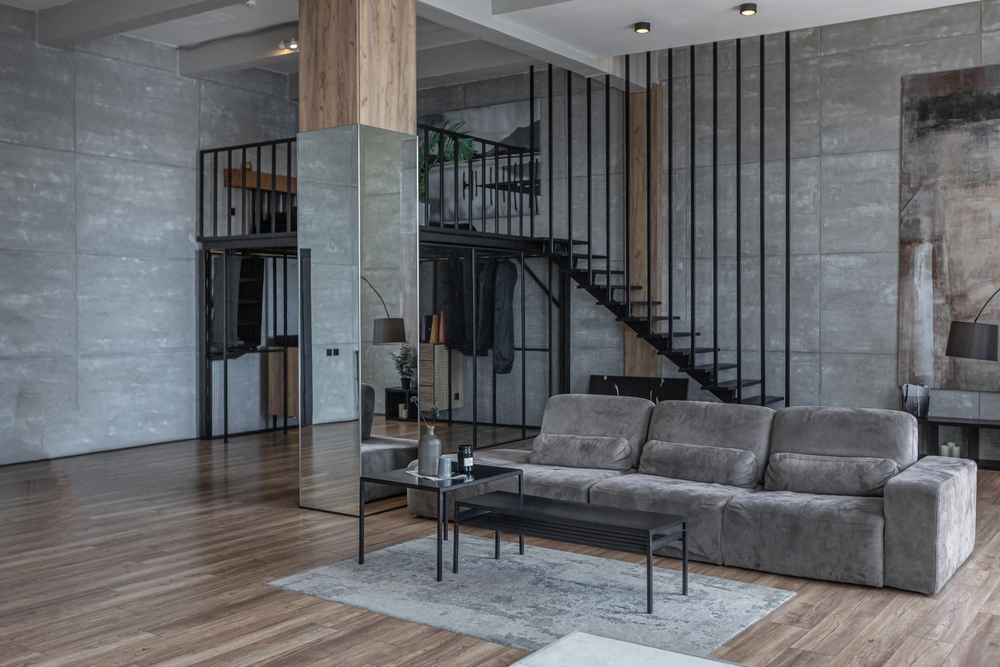
Nobody wants to live in exposed concrete boxes that are expensive to heat, impossible to modify, and generally hostile to human comfort. The style makes powerful statements that nobody wants to live inside.
These homes appeal to a tiny subset of architecture enthusiasts and repel everyone else. They sit on the market for years, often selling only when someone demolishes them for the land. Brutalism worked better for institutions than homes, and the market has decisively rejected residential concrete bunkers.
10. Victorian “Painted Ladies.”
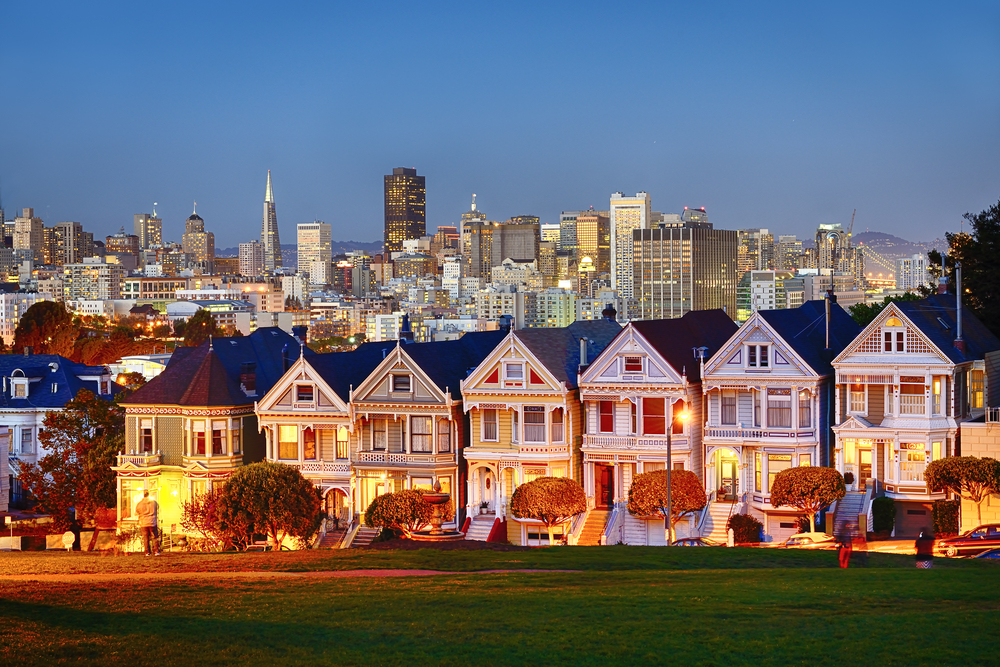
The ornate Victorian homes that look gorgeous in San Francisco postcards are maintenance nightmares. All that gingerbread trim needs constant painting, the layouts are choppy with tiny rooms, and modernizing them requires fighting historic preservation rules. They’re beautiful to look at but exhausting to own.
The detailed exterior work requires skilled craftspeople and costs a fortune to maintain properly. Buyers are choosing simpler styles that don’t need specialized contractors for basic upkeep.
11. Mid-Century Ranch
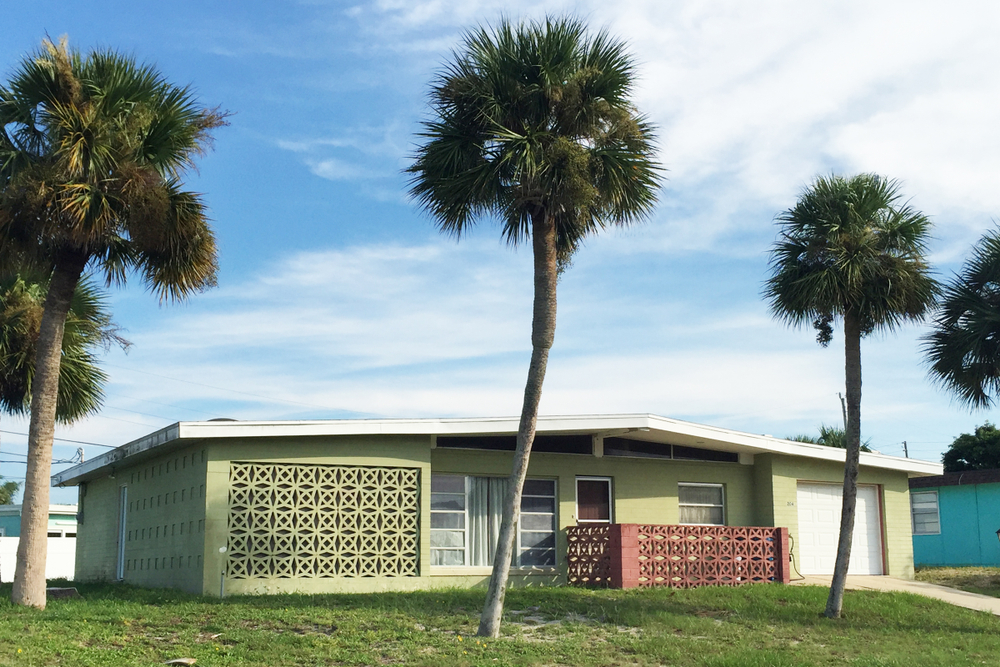
Not all mid-century design is created equal—the cheaply built ranch homes from the 1960s and 70s that haven’t been updated are nearly worthless. These aren’t the clean-lined Eichlers that architecture fans covet; they’re the builder-grade ranches with low ceilings, tiny windows, and awkward layouts.
Buyers see these dated ranches as teardowns or total gut jobs, not charming retro homes. The good mid-century modern homes command premiums, but the mediocre ones are actively harming property values. The name sounds desirable until you see the actual house.
12. Dutch Colonial
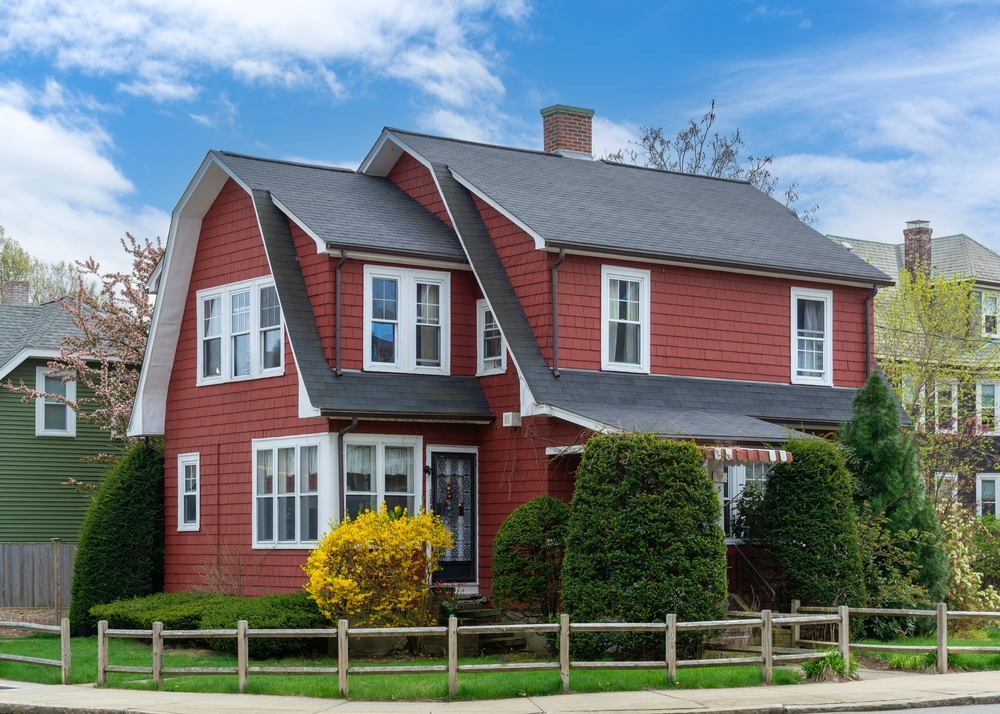
The gambrel-roofed Dutch colonials with their barn-like profiles are falling out of favor as buyers find them awkward and old-fashioned. The style was never that popular to begin with, and the homes that exist are often poorly maintained examples in transitional neighborhoods. The distinctive roof creates odd interior angles that limit furniture placement.
These homes don’t have enough character to attract period-home enthusiasts but are too specific to appeal to general buyers. They’re stuck in the middle ground where nobody is excited about the style.
13. Modern Farmhouse
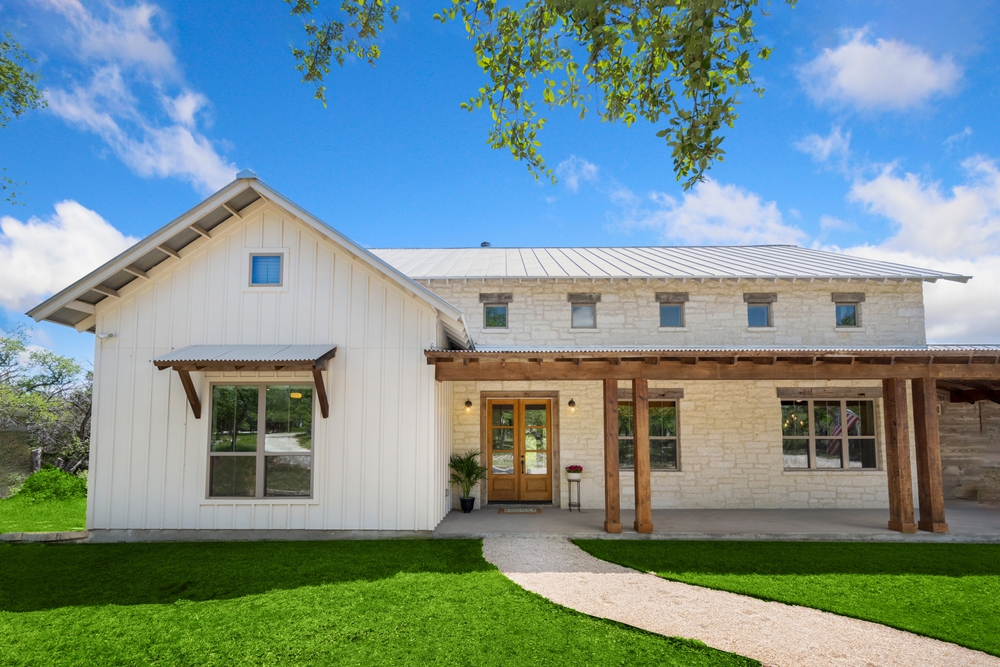
The shiplap-and-barn-door farmhouse style that HGTV popularized is already aging poorly. These aren’t authentic farmhouses—they’re suburban homes dressed up with cosmetic farmhouse signifiers that feel dated the moment they’re installed. The style got so oversaturated so quickly that it went from trendy to tired in under a decade.
Buyers can see through the performative rusticity to the basic builder-grade home underneath. The style was always more about aesthetics than authenticity, and those aesthetics are already looking dated.
14. French Provincial
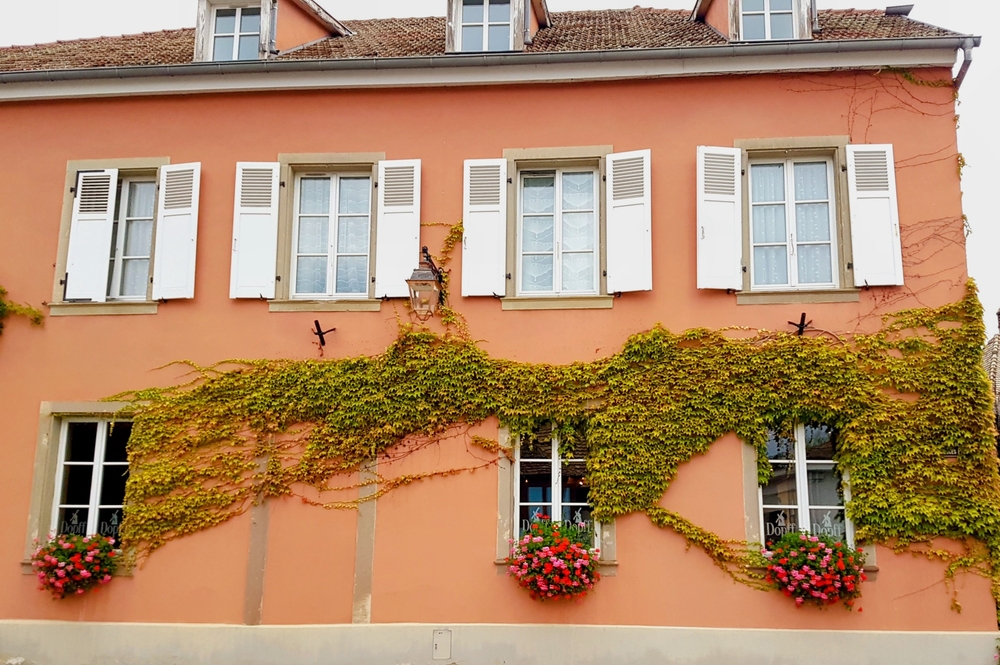
The suburban French country homes with their rounded turrets and mansard roofs are remnants of the 1990s aspirational building that hasn’t aged well. These homes tried to import European elegance to American suburbs and mostly succeeded in looking pretentious.
Without meticulous maintenance, these homes slide from elegant to shabby fast. French provincial works in actual French provinces; in American suburbs, it reads as trying too hard.
15. Geodesic Dome
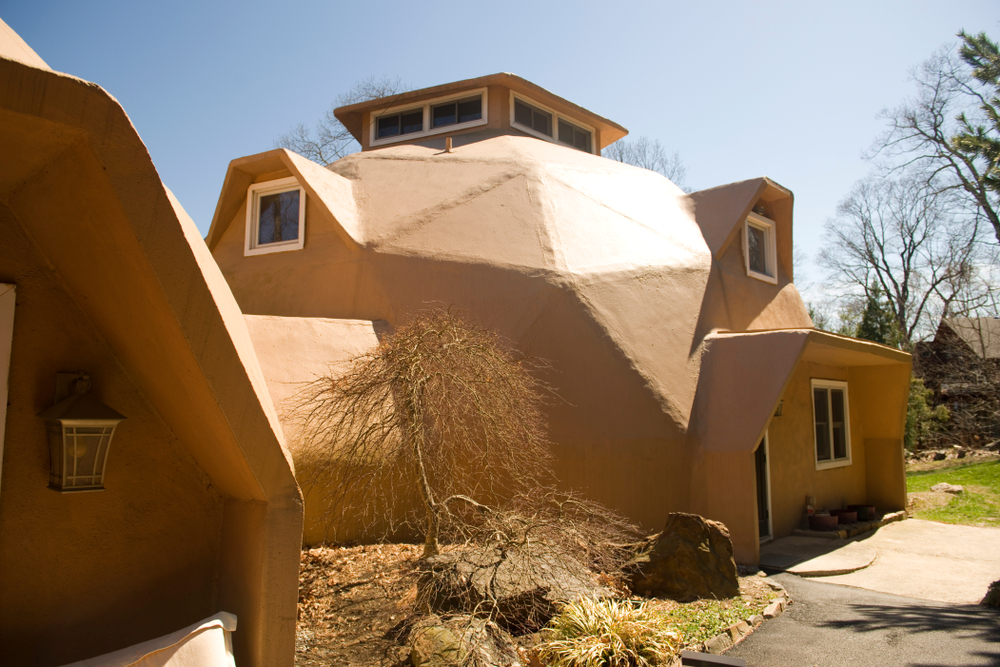
The futuristic dome homes that seemed revolutionary in the 1970s are practically unsellable today. Everything about them is custom—windows, doors, furniture placement—which means everything is expensive to replace or repair.
These homes sit on the market indefinitely because they’re too weird for conventional buyers and too impractical for everyone else. You’re not buying a home; you’re buying someone else’s experimental architecture project. The domes that were supposed to be the future are now relics nobody wants to inherit.
This article is for informational purposes only and should not be construed as financial advice. Consult a financial professional before making investment or other financial decisions. The author and publisher make no warranties of any kind.