

We just got to 2026, and already, buying or selling a home is feeling more calculated than it used to. People are slowing down, asking more questions, and paying closer attention to the details that affect daily life. Instead of chasing momentum, buyers and sellers are reacting to what actually feels affordable and workable. These are the housing trends emerging from that shift.
1. Smaller Homes Are Starting to Feel Like the Smarter Choice

Buyers are no longer automatically equating more space with more value. Rising costs have made efficiency feel practical rather than restrictive. Homes that use space well feel easier to manage and easier to afford. Extra rooms now come with mental math attached.
This isn’t about minimalism for its own sake. It’s about avoiding future pressure from taxes, utilities, and maintenance. Buyers are thinking past the purchase and into everyday living. Smaller homes reduce long-term friction.
2. Affordability Is Being Judged by Monthly Reality, Not List Price

Buyers are looking beyond the sale price and focusing on what a home actually costs to live in. Property taxes, insurance, utilities, and HOA fees are being weighed together. A home that looks affordable up front can feel expensive very quickly. Monthly burn matters more than optics.
According to the National Association of Realtors, buyers are increasingly evaluating total monthly housing costs rather than focusing only on purchase price. Rising insurance premiums and local taxes are driving that change. The gap between the list price and living cost is harder to ignore now. That awareness is reshaping demand.
3. Location Is Being Valued for Convenience, Not Status

Prestige matters less than it used to. Buyers are prioritizing access to healthcare, grocery stores, schools, and transportation over zip-code bragging rights. Daily functionality is outweighing reputation. Convenience feels safer than cachet.
This shift shows up clearly in secondary cities and outer suburbs. Areas with solid infrastructure are drawing more interest than trendier neighborhoods without it. Buyers are thinking about time and ease, not just appreciation. Practical locations are winning quietly.
4. Hybrid Work Is Still Shaping What Buyers Expect From Layouts

Even buyers who don’t work remotely full-time want homes that can accommodate it. Dedicated offices aren’t always required, but flexibility is. Spaces that can shift between work and life matter more now. Layouts that don’t allow for that feel limiting.
U.S. Census Bureau data shows hybrid work remains a stable part of the workforce. Buyers are planning for flexibility rather than assuming old routines will fully return. Homes that can’t adapt feel outdated faster. Expectations around layout have changed.
5. Insurance Costs Are Playing a Bigger Role in Buying Decisions

Insurance has moved from a background detail to an active concern. Buyers are researching premiums and coverage availability before making offers. In some areas, uncertainty alone is enough to slow or stall interest. Risk feels more personal now.
Data from the Insurance Information Institute shows premiums rising sharply in climate-exposed regions. Buyers are factoring insurance into affordability and resale potential earlier in the process. Coverage is no longer assumed. It’s evaluated.
6. New Construction Isn’t Automatically Trusted

Brand-new homes no longer get a free pass. Buyers are more skeptical about build quality, materials, and long-term durability. Warranty promises don’t fully offset concerns about rushed timelines or cost-cutting. New doesn’t automatically mean better.
Construction costs have shifted expectations. Buyers compare new builds more critically against existing homes. Craftsmanship carries more weight than novelty. Trust has to be earned.
7. Energy Efficiency Is Becoming an Expectation, Not a Bonus
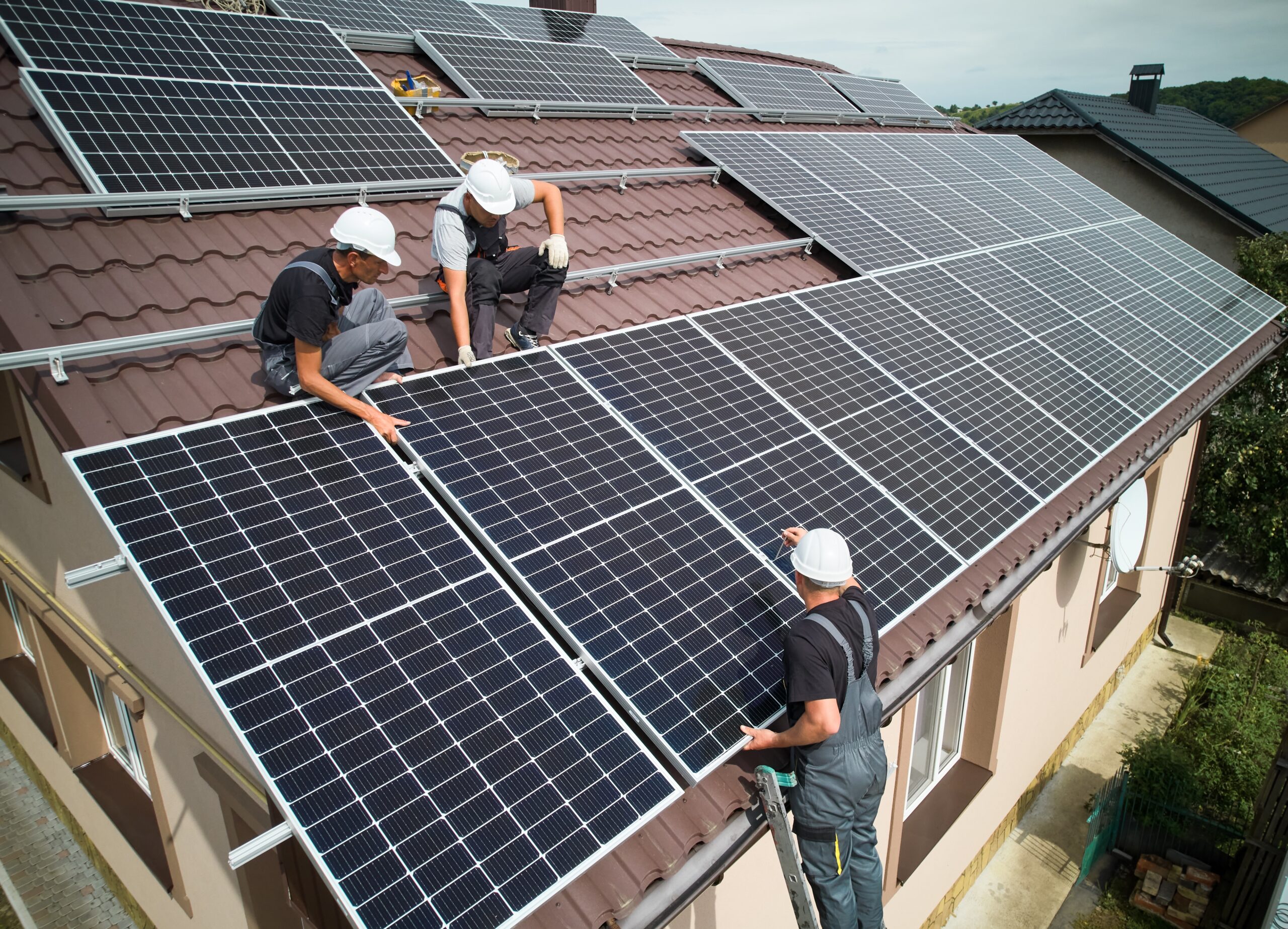
Buyers are paying closer attention to how expensive a home feels to operate. Insulation, windows, and efficient systems are no longer nice-to-haves. Homes that bleed energy feel like future problems. Efficiency reads as practicality.
According to the U.S. Department of Energy, energy-efficient homes tend to sell faster and hold value better over time. Buyers are directly connecting utility costs to affordability. Inefficiency now feels like a liability. Expectations have reset.
8. Buyers Are More Willing to Wait

Urgency has cooled across many markets. Buyers are taking their time, revisiting listings, and walking away more easily. The fear of missing out isn’t driving decisions the way it once did. Patience has become part of the strategy.
This shift changes how negotiations play out. Sellers can’t rely on immediate competition to force decisions. Time on market carries more meaning now. Waiting is no longer seen as a weakness.
9. Condos Are Being Evaluated More Critically
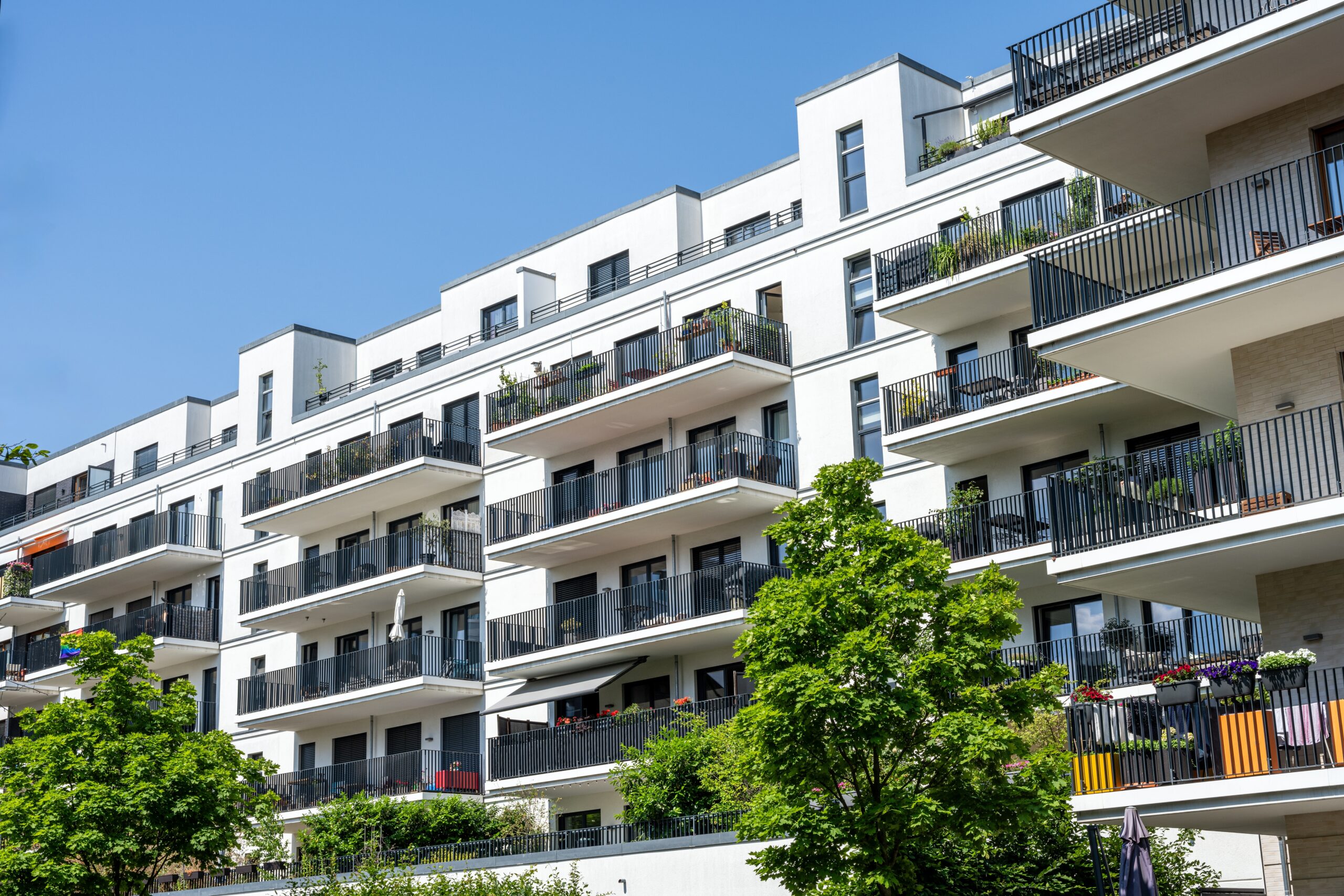
Condos are no longer judged on price and location alone. Buyers are digging into HOA finances, reserve funds, and management quality. A strong unit can still struggle in a weak building. Structure matters more than it used to.
Recent safety concerns and financing changes have made buyers more cautious. Risk assessment happens earlier in the process. Confidence plays a larger role in demand. Scrutiny has increased across the board.
10. Price Reductions Are Becoming More Normalized
Instead of dramatic drops, sellers are making smaller, strategic adjustments. Prices are tested and then nudged. These changes often happen quietly, without much attention. Momentum is being managed rather than forced.
This reflects a market looking for balance. Sellers still want strong outcomes, but expectations are adjusting. Buyers notice patterns even when headlines don’t. Subtle shifts are setting the tone.
11. Flexibility Is Outperforming Luxury

Buyers are paying closer attention to whether a home can adapt as life changes. Rooms that can shift purpose over time feel more valuable than rigid, high-end features. A space that only works one way limits future options. That limitation affects demand.
Luxury that locks people into a specific lifestyle feels riskier now. Buyers are thinking ahead to job changes, family changes, and financial shifts. Homes that can absorb those transitions sell more easily. Adaptability has become a selling point.
12. Local Knowledge Is Carrying More Weight

National housing narratives matter less than they used to. Buyers are paying attention to block-by-block differences, school zones, insurance quirks, and local taxes. Two homes in the same city can feel like completely different propositions. Context matters.
This puts pressure on sellers who rely on broad assumptions. Pricing that ignores micro-market behavior misses the mark. Buyers notice when expectations feel outdated. Precision matters more than confidence.
13. Lifestyle Costs Are Being Counted as Housing Costs

Commute time, childcare access, and daily convenience are now part of the affordability conversation. Buyers aren’t separating the house from the life that comes with it. A lower-priced home can still feel expensive if it adds friction everywhere else. The calculation has widened.
This shift favors homes that reduce daily strain. Proximity and functionality now carry financial weight. Buyers are naming tradeoffs more honestly. That transparency is shaping choices.
14. Renovation Fatigue Is Influencing Demand

Buyers are less enthusiastic about major projects than they were a few years ago. Time, money, and mental energy all feel tighter. Homes that require significant updates face more hesitation, even when priced accordingly. “Potential” doesn’t land the same way.
This doesn’t mean buyers expect perfection. They expect predictability. Clear costs and manageable updates feel acceptable. Open-ended renovation lists slow decisions.
15. Expectations Are Settling Into Something More Realistic

The defining feature of the 2026 housing market is adjustment. Buyers and sellers are letting go of extremes built during unusual years. Decisions feel slower, more deliberate, and less reactive. That tone is shaping outcomes.
This isn’t a reset driven by shock. It’s one driven by experience. The market is relearning what works. And that learning is happening quietly.
This article is for informational purposes only and should not be construed as financial advice. Consult a financial professional before making investment or other financial decisions. The author and publisher make no warranties of any kind.