


Interest rates dominate housing headlines, but they don’t explain everything happening in the market. Even when rates move, many of the pressures shaping where people can live—and how—are structural rather than financial. Zoning rules, demographic shifts, climate risk, and supply constraints increasingly outweigh borrowing costs. These trends will continue to matter regardless of where rates settle.
1. Not Enough Homes Are Being Built

In many regions, housing supply remains far below what population growth and household formation require. Years of underbuilding created a shortage that can’t be solved quickly. Even when demand cools temporarily, inventory stays tight. That imbalance keeps prices elevated independent of rates.
Buyers often assume affordability will return when borrowing costs fall. Without meaningful increases in supply, that relief doesn’t materialize. The structure of the market matters more than the price of money.
2. Local Zoning Still Limits What Can Be Built

Local zoning laws continue to restrict density in many high-demand areas. Single-family zoning, height limits, and parking requirements slow the addition of new units. These rules keep housing scarce even when demand is obvious. Change happens slowly, if at all.
According to analyses from the Urban Institute and other housing policy groups, zoning constraints are one of the largest drivers of long-term housing costs. Interest rates fluctuate, but land-use policy sets the ceiling on supply. Where building is limited, prices stay resilient.
3. Who Needs Housing Is Changing

Household formation is shifting toward more single adults, smaller families, and multigenerational living. These changes affect what kinds of homes are needed and where. Demand hasn’t disappeared—it’s moved. That movement reshapes markets unevenly.
Areas that adapt housing stock to these shifts remain more stable. Places that don’t see pressure build faster. Rates can’t correct mismatches between people and housing types. Demographics drive demand.
4. Climate Risk Is Affecting Home Costs

Flooding, wildfire exposure, and extreme weather increasingly influence affordability. Insurance premiums rise, or coverage disappears in high-risk areas. Homes may look affordable on paper, but become costly to own. Risk now shows up monthly.
Data from insurance regulators and climate risk assessments show premiums rising faster than mortgages in vulnerable regions. These costs don’t fall when rates do. Climate exposure permanently alters affordability, and buyers are starting to price that in.
5. Older Homes Come With Bigger Ongoing Costs

Much of the U.S. housing supply is aging. Deferred maintenance creates expenses that surface after purchase. Roofs, plumbing, and electrical systems fail regardless of interest rates. Repairs don’t respond to monetary policy.
Older homes may appear cheaper upfront, but long-term costs tell a different story. Renovation inflation compounds the issue. Ownership stretches budgets even when mortgage payments stabilize. Condition matters as much as purchase price.
6. Insurance Costs Are Becoming a Dealbreaker

Home insurance is no longer a background expense in many markets. Premiums are rising, and in some areas, coverage is difficult to secure at all. These costs directly affect monthly affordability. They also change which homes are even financeable.
According to data from state insurance regulators and industry reports, insurers are pulling back from high-risk regions faster than buyers expect. When coverage disappears or becomes unaffordable, demand follows. Interest rates don’t offset that risk. Insurance availability increasingly sets the boundaries of the market.
7. Property Taxes Are Doing More of the Damage

In many places, rising home values have pushed property taxes higher even when wages haven’t kept up. Buyers focus on mortgage payments, then get surprised by tax bills that climb year after year. These increases don’t fluctuate with interest rates. They compound.
Analysis from the Tax Foundation and local government data shows property tax growth outpacing income growth in multiple regions. Once taxes rise, they rarely come back down. Long-term affordability depends as much on tax structure as financing. That pressure is structural.
8. Investors Are Competing With Buyers

Large investors and institutional buyers continue to influence housing markets, especially in entry-level price ranges. Their purchasing power isn’t tied to mortgage rates in the same way individual buyers’ is. That creates uneven competition. First-time buyers often lose leverage.
Even when rates rise, investor activity doesn’t always slow proportionally. Cash purchases keep pressure on prices. Supply stays constrained for owner-occupants. Market dynamics matter more than borrowing costs.
9. Remote Work Has Permanently Shifted Demand

Remote and hybrid work have changed where people can live, not just how they work. Demand has spread to smaller cities and suburban areas that weren’t previously competitive. Housing pressure follows mobility. Local markets feel the impact.
This redistribution of demand doesn’t reverse when rates change. Once people relocate, they rarely move back quickly. Infrastructure and housing stock take time to adjust.
10. Starter Homes Are Disappearing

Smaller, entry-level homes are becoming harder to find in many markets. New construction often targets higher price points where margins are better. Older starter homes are frequently bought, renovated, and resold at higher prices. The bottom rung keeps moving up.
This trend limits mobility for first-time buyers. Without accessible entry points, demand backs up. Rates don’t create starter homes. Supply decisions do.
11. Construction Costs Aren’t Coming Back Down

Labor, materials, and permitting costs remain elevated across most markets. Even when demand cools, builders can’t lower prices without losing viability. That sets a floor for new home pricing. Rates don’t change what it costs to build.
As a result, price corrections are limited. New construction stays expensive, which props up existing home values. Buyers waiting for dramatic drops often wait indefinitely. Cost structure matters more than financing cycles.
12. Infrastructure Quality Is Influencing Home Values
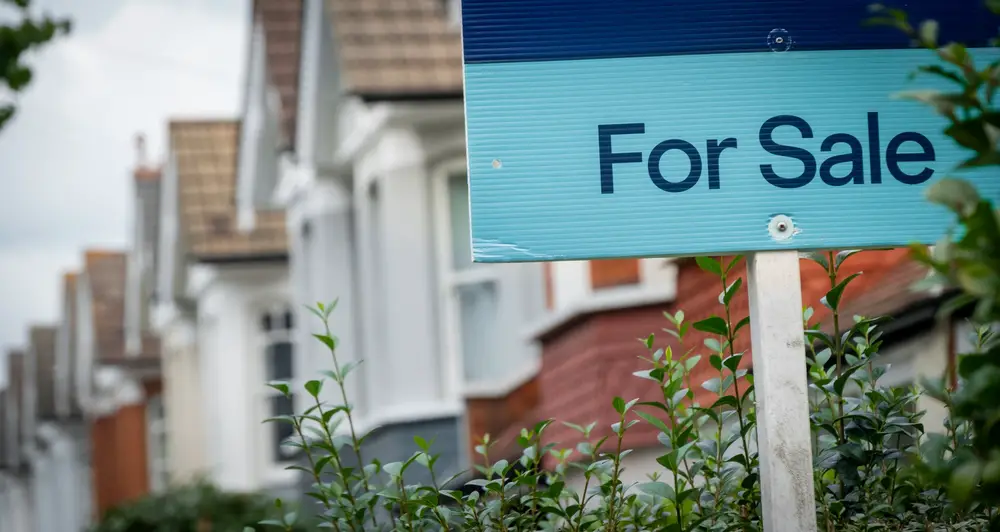
Access to reliable water, power, roads, and broadband increasingly affects where people choose to live. Aging or overburdened infrastructure pushes costs onto homeowners through assessments and service disruptions. Newer developments often price this upfront. Older areas absorb it slowly.
Homes in areas with stable infrastructure hold value better. Deferred upgrades eventually show up in taxes or utility costs. Buyers are paying closer attention. livability depends on systems, not just structures.
13. Homeowners Are Staying Put Longer

Many current homeowners are locked into low mortgage rates and have little incentive to sell. That reduces resale inventory even when demand softens. Fewer listings keep competition alive. Turnover slows.
This “lock-in” effect limits buyer options. Prices don’t fall easily when homes aren’t coming to market. Supply stagnation matters more than rate movement. Mobility is constrained structurally.
14. Rental Markets Are Shaping Buying Decisions
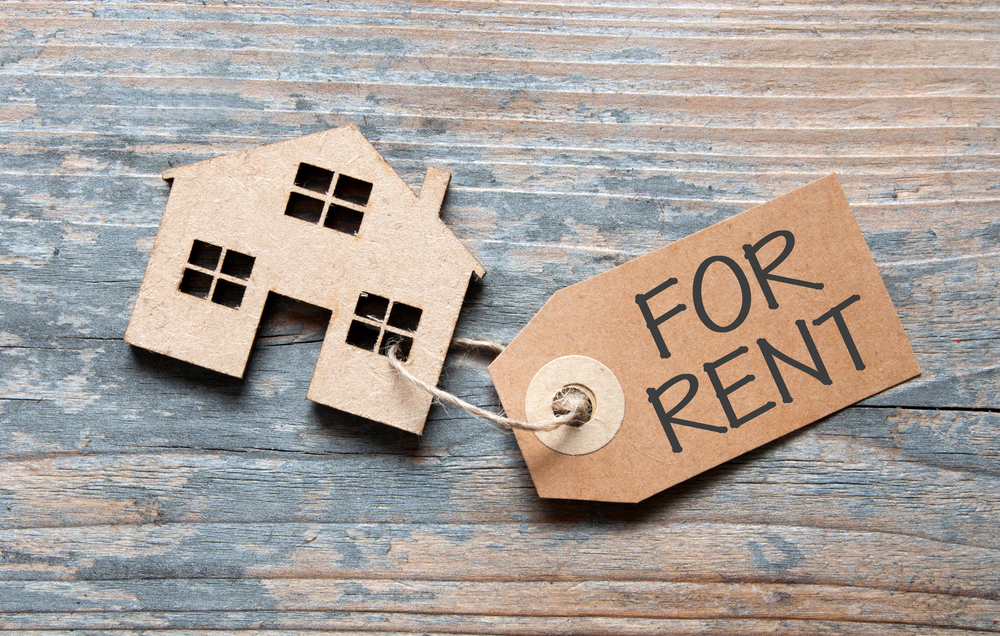
High rents continue to push people toward homeownership when possible. In some markets, buying is still cheaper month-to-month than renting. That keeps demand elevated despite higher rates. Rent pressure doesn’t ease with the mortgage policy.
When renting feels unstable or overpriced, buyers stretch to purchase. This dynamic supports housing demand even in restrictive conditions. Rental economics influence buyer behavior. Rates don’t operate in isolation.
15. Housing Is Being Treated as Long-Term Shelter, Not Short-Term Investment

More buyers are prioritizing stability over appreciation. Homes are being evaluated based on livability, resilience, and long-term costs rather than quick equity gains. This changes what people are willing to pay for. Practical considerations outweigh speculation.
That shift dampens volatility but reinforces baseline demand. People still need places to live. When housing is viewed as shelter first, pricing becomes stickier. The fundamentals matter more than rate headlines.
This article is for informational purposes only and should not be construed as financial advice. Consult a financial professional before making investment or other financial decisions. The author and publisher make no warranties of any kind.