


Financial security shows up in small, boring decisions that don’t photograph well and don’t need validation. Flashiness, on the other hand, tends to be loud precisely because it needs to be seen. These habits aren’t about income—they’re about how people relate to money when no one is paying attention.
1. They Don’t Rush To Prove They Can Afford Something

People who are financially secure don’t feel pressure to justify purchases. They pause, compare, and sometimes walk away, even when they technically have the money. That hesitation isn’t anxiety—it’s discernment. Flashy spending, by contrast, often comes with an urgency to demonstrate capacity.
The difference shows up in tone. Secure people don’t narrate their purchases as victories. They don’t need witnesses. The absence of explanation is often the tell.
2. They Treat Credit Cards As Tools
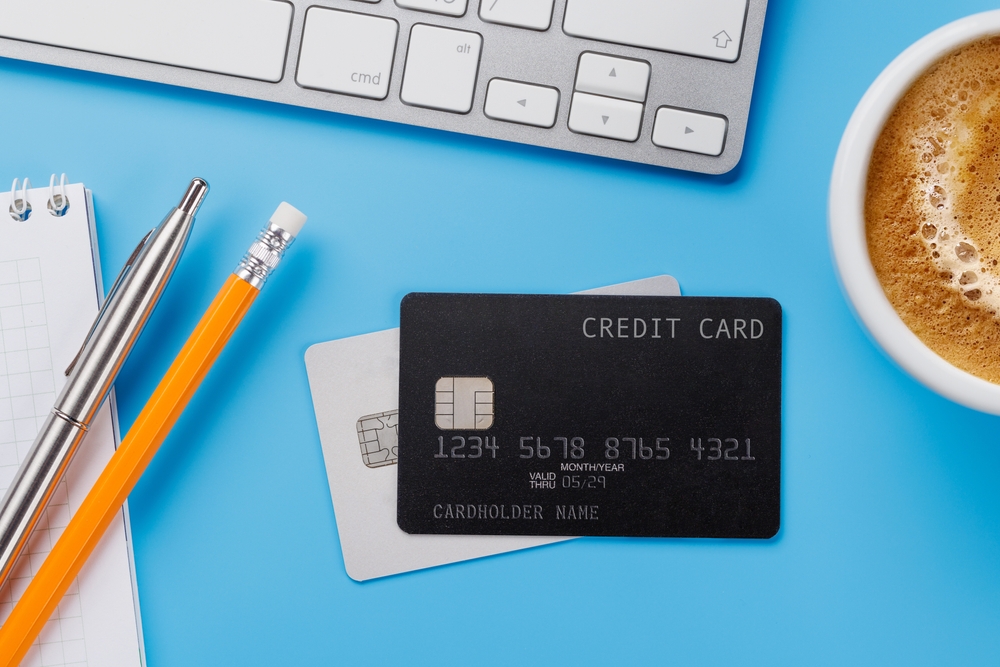
According to data from the Federal Reserve and analysis by the Consumer Financial Protection Bureau, high-income households often carry less revolving credit relative to income than middle earners chasing appearances. The card exists to smooth cash flow, not inflate status. Its role is functional.
Flashiness shows up when credit becomes performative. Rewards, limits, and aesthetics are emphasized more than the payoff strategy. The habit reveals whether money is being managed—or leveraged for image.
3. They’re Comfortable Buying Things No One Notices

Secure money habits prioritize usefulness over recognition. People spend on quality mattresses, boring appliances, reliable shoes, and preventative care. None of it signals wealth outwardly. That’s the point.
Flashy spending gravitates toward visible upgrades. Logos and novelty matter more than longevity. The contrast isn’t taste—it’s orientation. One is inward-facing, the other outward-facing.
4. They Rarely Buy Depreciating Status Items

Financially secure people tend to avoid long-term payments on things that lose value quickly. According to research and consumer debt analysis from Experian and the Bureau of Labor Statistics, households under financial strain are more likely to finance cars, electronics, and luxury goods for image preservation. Security changes that calculus.
Flashiness prioritizes access over cost efficiency. Monthly payments feel manageable even when the total cost balloons. The habit exposes whether money decisions are anchored in math or perception.
5. They Don’t Center Their Identity Around Being “Good With Money”

People who are actually secure rarely talk about it. They don’t brand themselves as disciplined or savvy. Money is one system among many, not a personality trait. Stability allows for quiet confidence.
Flashiness comes with constant signaling—tips, flexes, disclaimers. Talking replaces tracking. The habit reveals who needs reassurance and who already has the cashflow.
6. They Keep Their Fixed Costs Lower

Financially secure people often make choices that look oddly modest compared to their income. They choose housing, cars, and subscriptions that don’t stretch them, even when upgrades are available. According to spending and savings data from the Federal Reserve and analysis by the Urban Institute, households with lower fixed obligations are far more resilient to shocks. Flexibility is the asset they’re protecting.
Flashy spending tends to lock people into high monthly commitments. The lifestyle looks impressive, but it leaves little room to breathe. What appears confident on the surface often depends on everything continuing to go perfectly.
7. They Don’t Treat Raises Or Windfalls As Signs To Spend

When financially secure people earn more, they don’t immediately expand their lifestyle to match. Research from behavioral economists cited by the National Bureau of Economic Research shows that lifestyle inflation is one of the strongest predictors of financial stress, even at higher incomes. Security shows up in restraint during moments that invite indulgence. The money is absorbed quietly rather than showcased.
Flashiness reacts differently. New income triggers visible upgrades—bigger apartments, better cars, more expensive habits. The spending feels celebratory, but it permanently raises the cost of life.
8. They’re Unbothered By Other People’s Spending Choices

Secure people don’t track what others are buying closely. Someone else’s vacation, renovation, or wardrobe doesn’t provoke urgency or comparison. Their financial plan is insulated from outside noise.
Flashy money habits are often fueled by proximity. Seeing others spend creates pressure to keep pace. Comparison quietly drives decisions.
9. They Delay Purchases Even When They Know They’ll Buy Eventually

Financially secure people often sit with decisions longer than expected. They don’t confuse intention with immediacy. Waiting doesn’t feel like deprivation—it feels normal. Time becomes part of the decision-making process.
Flashy spending tends to collapse that gap. Wanting something quickly turns into owning it. The pause is uncomfortable because it interrupts momentum.
10. They’re Willing To Look Underwhelming On Paper

Secure people don’t optimize for appearances. Their homes, cars, and wardrobes might look ordinary relative to their net worth. They’re fine with that mismatch. Money isn’t performing a role.
Flashy habits aim for coherence between image and income. Everything must look proportional, even if the finances underneath are strained. The pressure to look “successful” drives choices more than long-term stability.
11. They Spend More Time Thinking About Risk Than Rewards
Financially secure people tend to run decisions through downside scenarios first. They ask what happens if income drops, expenses spike, or plans change. Optimism exists, but it’s tempered by contingency. The goal isn’t to win—it’s to stay stable.
Flashy money habits fixate on upside. The focus is on how good something will feel or look if everything goes right. Risk gets minimized or ignored. When conditions shift, the margin disappears quickly.
12. They Don’t Build Their Lives Around Monthly Payments

Secure households think in totals, not installments. They consider the full cost of ownership rather than whether something fits into a monthly budget. Payments are evaluated as commitments, not conveniences. Fewer obligations mean more flexibility.
Flashy spending often relies on fragmentation. Breaking costs into smaller numbers makes expensive decisions feel manageable. Over time, those fragments stack. Life becomes a series of non-negotiable payments.
13. They Can Enjoy Nice Things Without Showing Off

Financially secure people still buy quality and enjoy comfort. The difference is that enjoyment doesn’t require validation. They don’t need acknowledgment or comparison for purchases to feel worthwhile. Satisfaction is private.
Flashiness depends on recognition. The enjoyment is incomplete unless it’s seen or affirmed. Money becomes a communication tool instead of a resource.
14. They’re Comfortable Saying No Without Explaining Why

Secure people decline plans, trips, or upgrades without elaborate justifications. “It’s not in the budget” or “not right now” is enough. Their boundaries don’t need defending.
Flashy habits often involve over-explaining. Declining feels embarrassing unless it’s reframed or softened. The discomfort signals fragile margins. Saying no feels like revealing something that’s supposed to stay hidden.
15. They Think In Terms Of Optionality, Not Optimization

Financial security prioritizes keeping doors open. Choices are made to preserve freedom—time, location, and energy. Not every dollar is maximized, but flexibility is protected. The future remains adjustable.
Flashiness optimizes for the present moment. Money is fully deployed in service of now. That leaves little room for change later.
This article is for informational purposes only and should not be construed as financial advice. Consult a financial professional before making investment or other financial decisions. The author and publisher make no warranties of any kind.