
We’ve all been there—excited about a purchase that promises to change our lives, only to watch it collect dust months later. These spending decisions often seem perfect in the moment, but they can also silently drain our resources without delivering lasting value. These are the items that many feel compelled to buy but may regret not long after.
1. Home Gym Equipment
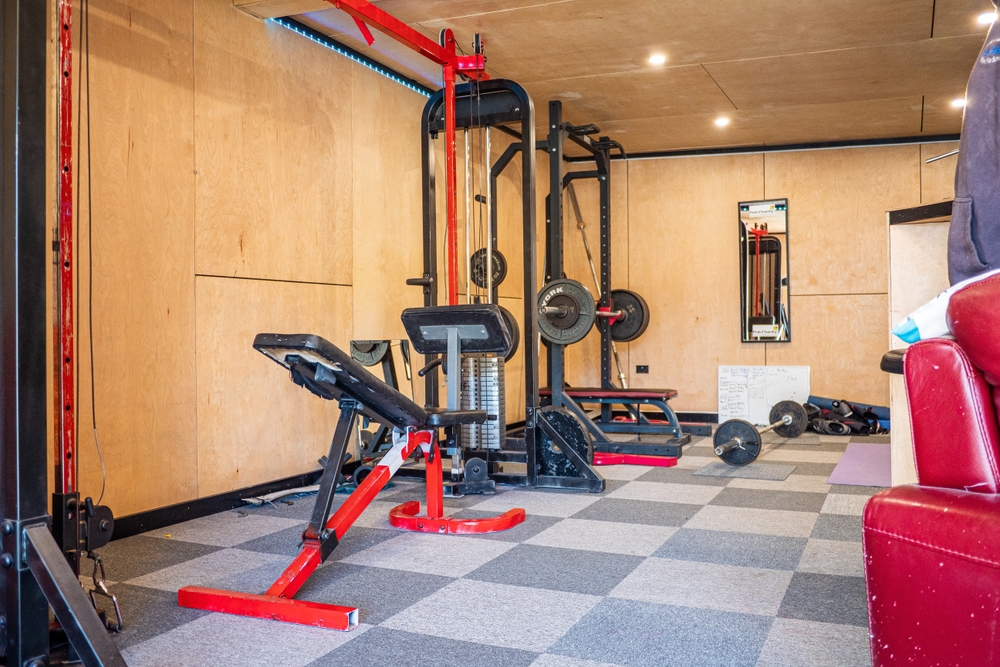
The vision of working out at home sounds incredibly appealing, and many of us invest $2,000 to $4,000 or more in treadmills, ellipticals, or weight sets with the best intentions. That first week feels great—you’re motivated, energized, and proud of your new setup. But for many people, the initial excitement gradually fades as other commitments take priority or the reality of solo workouts becomes less appealing than expected. Within a few months, that treadmill often becomes the world’s most expensive clothing rack.
Part of the challenge is that we tend to overestimate how much we’ll actually use equipment at home compared to a gym environment. The social atmosphere, variety of equipment, and simple act of leaving the house can make traditional gyms more sustainable for many people; the latter part especially helps make a local gym more of a commitment: once you’re out, you’re out, no room for distractions. Before making a significant investment in home fitness equipment, consider starting with a gym membership or smaller, versatile items like resistance bands to test your actual habits. This approach lets you understand your workout preferences without committing thousands of dollars upfront.
2. Timeshares
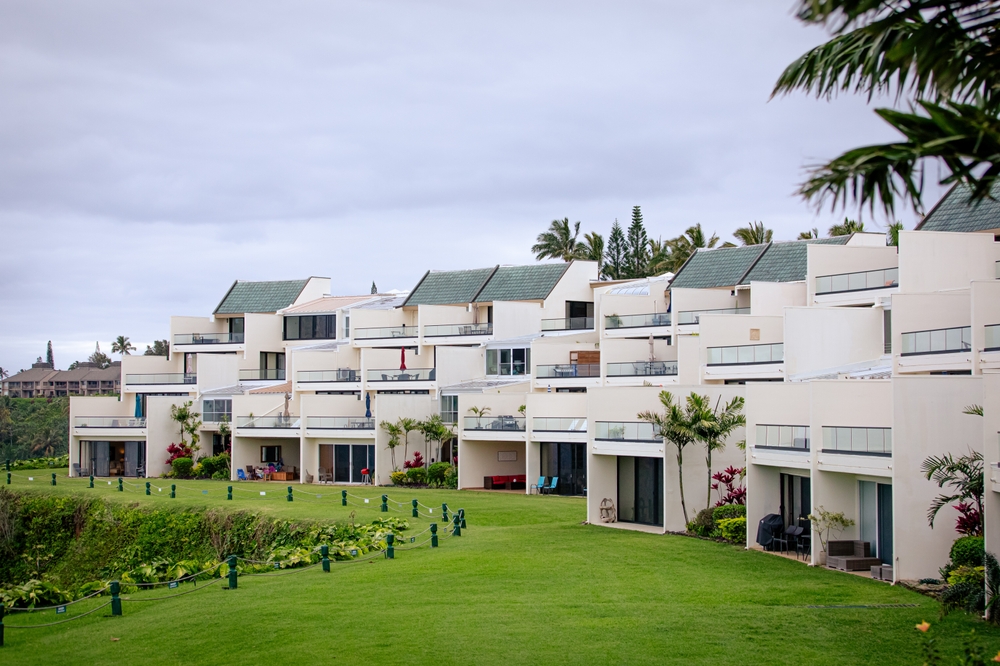
Timeshares are often marketed as smart vacation investments, with promises of guaranteed getaways and long-term value. The average purchase runs $20,000 to $30,000, plus annual maintenance fees that typically exceed $1,000 and tend to increase each year. While the pitch sounds appealing, many owners discover that the rigid booking systems, limited availability, and escalating fees don’t match up with how they actually want to vacation. What seemed like a path to affordable travel can start to feel more like an obligation than an opportunity.
The challenge intensifies when life circumstances change—job situations shift, family needs evolve, or you simply want to explore different destinations. Timeshares are notoriously difficult to sell, with a saturated resale market where desperate owners sometimes give them away just to escape ongoing fees. The flexibility you gain from booking hotels or rentals as needed often provides better value and far less stress. If guaranteed vacations appeal to you, consider setting aside money in a dedicated travel fund that you control completely.
3. Luxury Vehicles
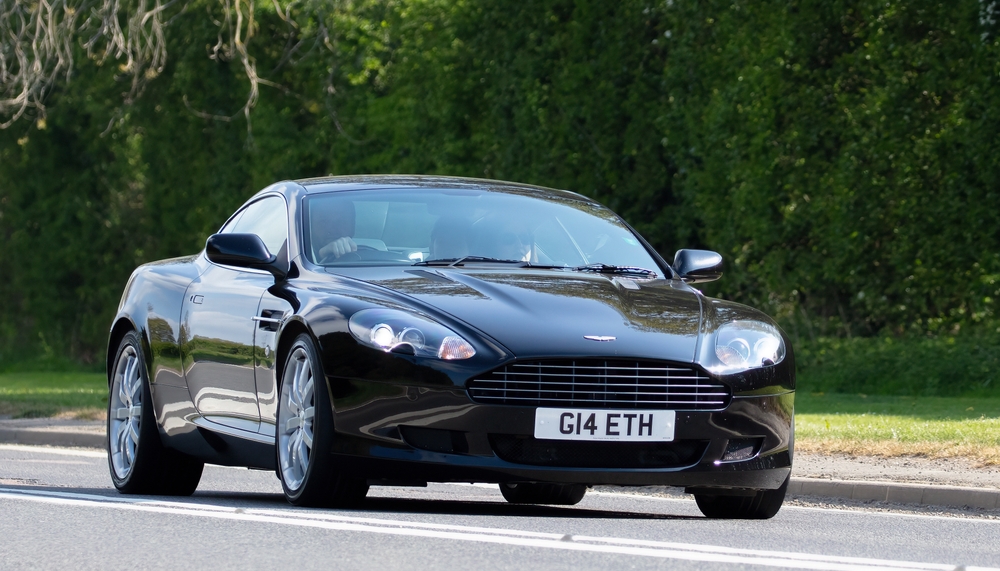
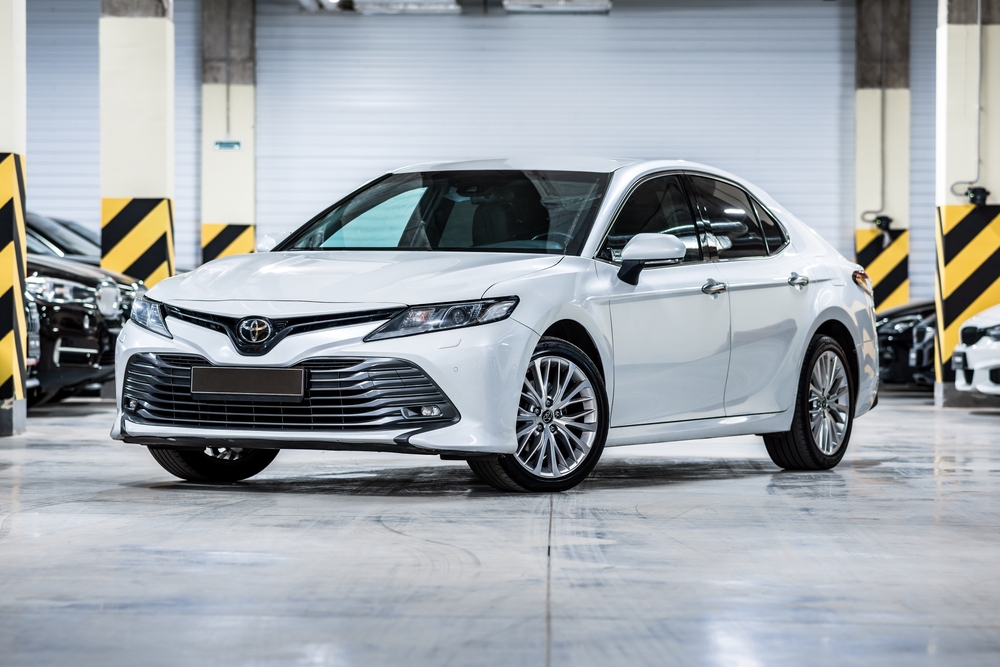
There’s something undeniably appealing about a luxury vehicle—the smooth ride, premium features, and yes, the status it represents. Many people stretch their budgets to afford cars priced between $50,000 and $100,000, believing the investment will bring lasting satisfaction. However, luxury vehicles depreciate quickly, often losing 20% to 30% of their value in just the first year. Beyond depreciation, maintenance costs, insurance premiums, and even fuel expenses run significantly higher than those of standard vehicles.
What’s interesting is how quickly the novelty can fade, especially if the car sits unused while you work from home or becomes just another tool for errands and commutes. The features that justified the premium price—advanced entertainment systems, performance packages, luxury materials—often go underutilized in daily life. A reliable mid-range vehicle can meet most transportation needs while freeing up resources for other financial goals. Sometimes the peace of mind that comes from a more modest car payment outweighs the temporary thrill of a luxury badge.
4. Boats and Watercraft
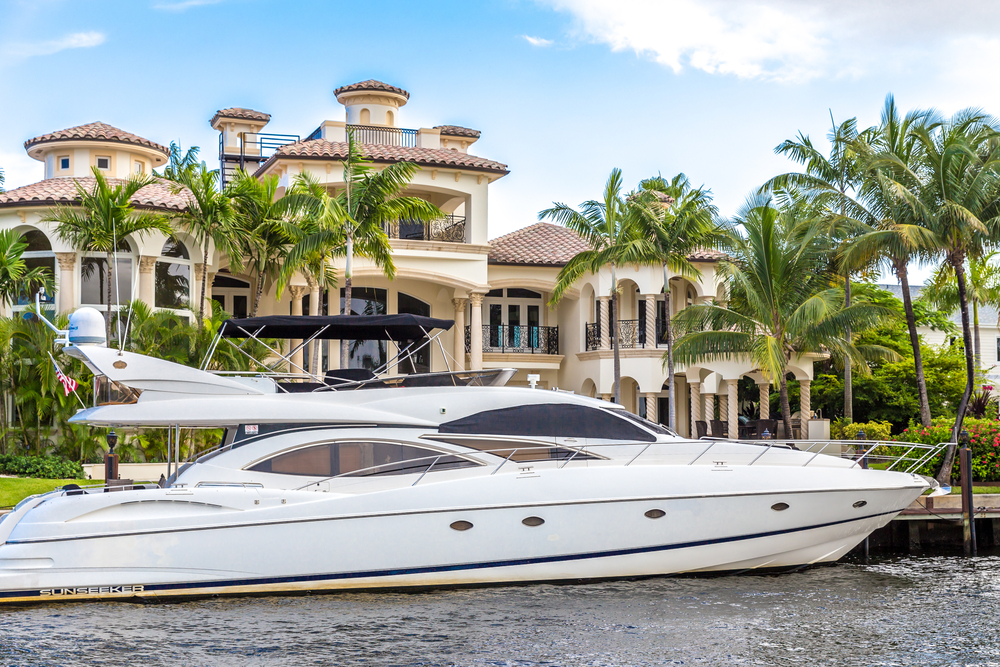
The dream of owning a boat is powerful—weekends on the water, fishing trips, or just cruising with friends and family. Purchases range from $20,000 for smaller boats to well over $100,000 for larger vessels, and the excitement of that first summer feels worth every penny. The reality, though, is that the average boat gets used fewer than 20 days per year, while storage, insurance, maintenance, and fuel costs continue year-round. Winterization, repairs, and upkeep can easily add thousands of dollars annually, whether you use the boat or not.
Beyond the financial costs, boat ownership requires time and knowledge that many buyers underestimate. Weather-dependent plans, transportation logistics, and mechanical issues can turn a relaxing hobby into a source of stress. Many boat owners eventually realize that renting for the handful of times they’d actually use one makes more practical sense. The phrase “the two best days of boat ownership are the day you buy it and the day you sell it” exists for a reason—though we’d never discourage anyone who genuinely loves being on the water and will make it a priority.
5. RVs and Motorhomes
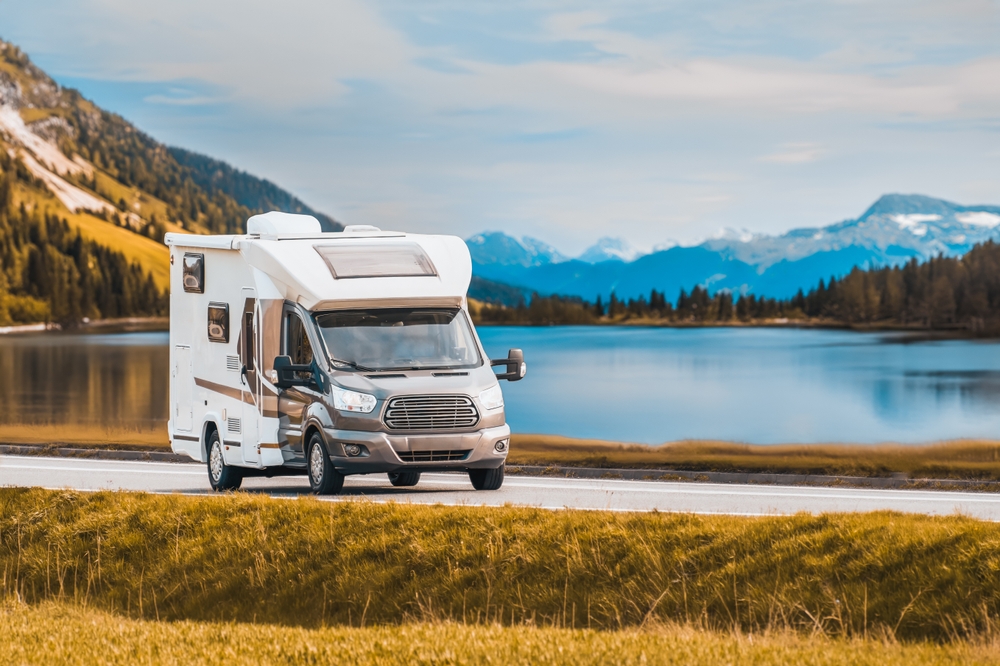
The RV lifestyle represents freedom and adventure, which is why so many people invest $50,000 to $500,000 in recreational vehicles. The idea of exploring the country on your own schedule, with all your comforts along for the ride, genuinely appeals to the wanderer in many of us. However, statistics show that the average RV sits unused about 350 days per year, while storage fees, insurance, maintenance, and fuel costs continue accumulating. What seemed like a ticket to endless adventures can become an expensive commitment that’s hard to back out of.
Many first-time RV buyers discover that the lifestyle involves more complexity than anticipated—managing water systems, electrical hookups, and finding suitable parking takes practice and patience. The compact living space and constant upkeep aren’t for everyone, and that’s perfectly okay to realize. If you’re drawn to RV travel, renting for a few trips can help you determine whether ownership truly fits your lifestyle. This way, you can enjoy the experience without the depreciation, storage concerns, and year-round expenses that come with ownership.
6. Swimming Pools
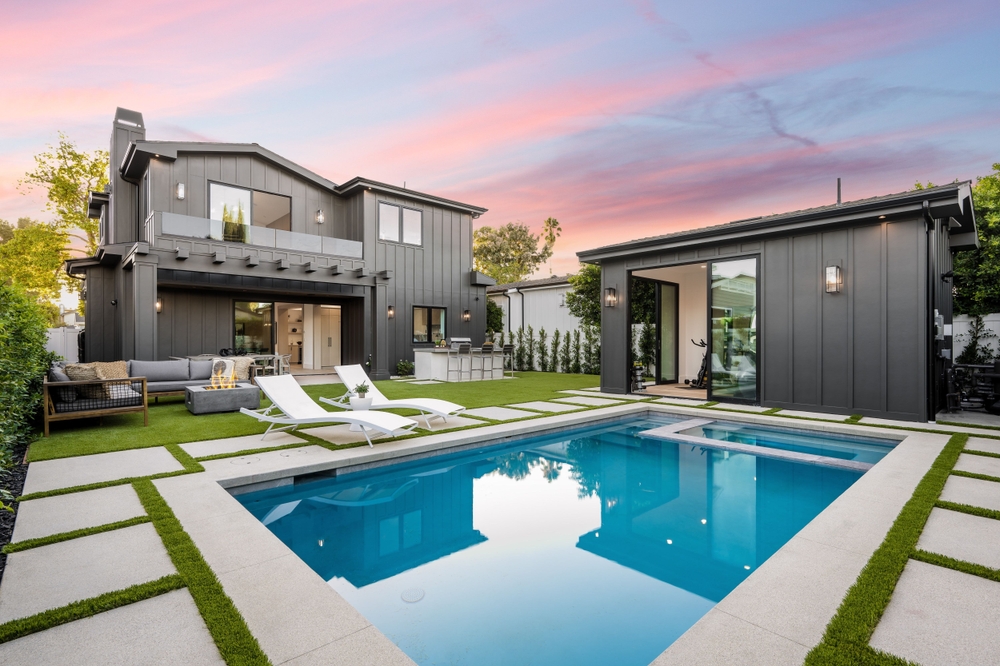
An in-ground pool seems like the ultimate backyard upgrade, promising summer fun and adding resort-style living to your home. Installation typically costs $35,000 to $65,000 or more, and during that first summer, it often feels like money well spent. But as seasons change and routines settle, many families find they use their pool less than expected—maybe a dozen times per summer. Meanwhile, maintenance costs averaging $2,000 to $4,000 annually continue regardless of use, along with higher utility bills and insurance premiums.
The responsibility of pool ownership is year-round, even in climates where swimming is only realistic for a few months. Chemical balance, cleaning, repairs, and safety concerns require ongoing attention and expense. Interestingly, pools can actually complicate home sales, as many buyers view them as liabilities rather than amenities. Before installing a pool, honestly assess how often your household would realistically use it—you might find that community pools, memberships, or occasional resort visits deliver the swimming experience you want without the commitment.
7. Musical Instruments

Learning to play an instrument is a wonderful aspiration, with many mental health benefits adding to the appeal, and it’s easy to convince ourselves that investing in a quality piano ($5,000 to $20,000) or professional-grade guitar will motivate us to practice. That initial enthusiasm feels real—you imagine yourself developing a new skill, perhaps playing for friends and family. Unfortunately, the reality of consistent practice often proves more challenging than the dream, and busy schedules make it even harder to carve out regular time for learning. Before long, that beautiful instrument becomes an expensive piece of furniture.
This pattern is especially common with children, whose interests naturally shift as they grow and explore different activities. High-end instruments also require ongoing care—tuning, climate control, and maintenance that add to the total investment. Starting with a rental or modestly-priced student model makes more sense until you’ve demonstrated genuine commitment. If the interest sustains beyond a few months, you can always upgrade, and if it doesn’t, you haven’t made a significant financial commitment to an abandoned hobby.
8. Elaborate Home Theater Systems
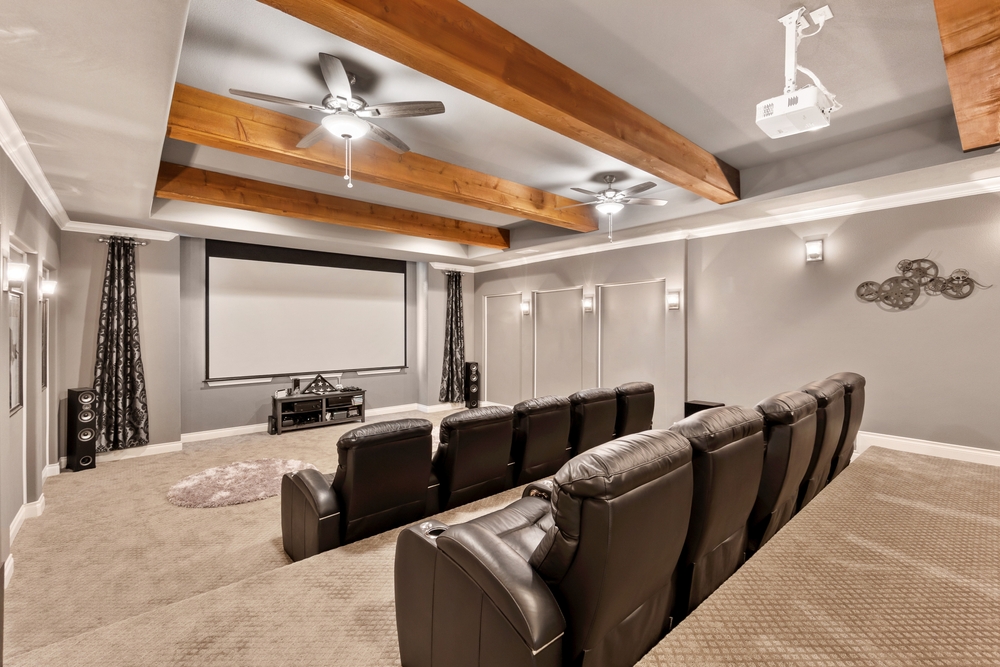
For movie enthusiasts, a dedicated home theater sounds like paradise—complete with high-end projectors, surround sound, and luxury seating that can total $10,000 to $50,000. The first few movie nights feel special and justify the expense. However, many owners find that the convenience of watching content on tablets, phones, or regular TVs in more comfortable, informal spaces wins out over the dedicated theater experience. The formality of using a separate room, combined with the complexity of operating sophisticated systems, can make simpler options more appealing for daily viewing.
Technology also evolves rapidly, and formats that seemed cutting-edge during installation can feel outdated within a few years. The theater room may be too isolated from the rest of family life, making it less appealing for regular use. A high-quality television with a good soundbar in a comfortable living space often delivers 90% of the enjoyment at a fraction of the cost. Save the elaborate theater experience for actual theaters, where you don’t have to worry about maintenance, upgrades, or whether it’s worth turning on the whole system for a single show.
9. Designer Handbags and Accessories
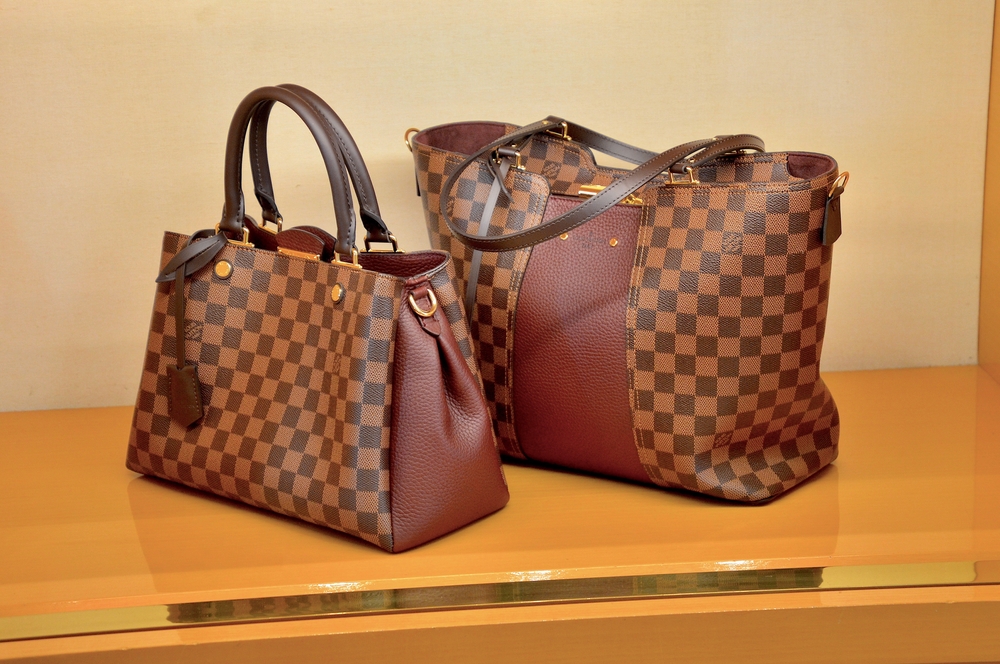
Luxury handbags from brands like Hermès, Chanel, and Louis Vuitton carry price tags from $2,000 to $50,000 or more for exclusive pieces. There’s genuine craftsmanship in these items, and owning one can feel like a meaningful achievement. Interestingly though, many buyers find themselves hesitant to actually use these expensive accessories—worried about damage, weather, or theft. The irony is that an item designed for daily use becomes too precious to actually carry, spending most of its life carefully stored in dust bags.
The satisfaction of owning luxury goods can fade faster than expected once the initial thrill passes. Fashion trends evolve, and even classic designs can feel less exciting as newer styles emerge. Many people discover they’re actually more comfortable with less expensive bags they don’t have to constantly protect and worry about. If you love designer accessories and use them regularly without stress, that’s wonderful—but if they’re sitting unused in your closet, they’re not serving their purpose or delivering value.
10. High-End Kitchen Appliances and Gadgets
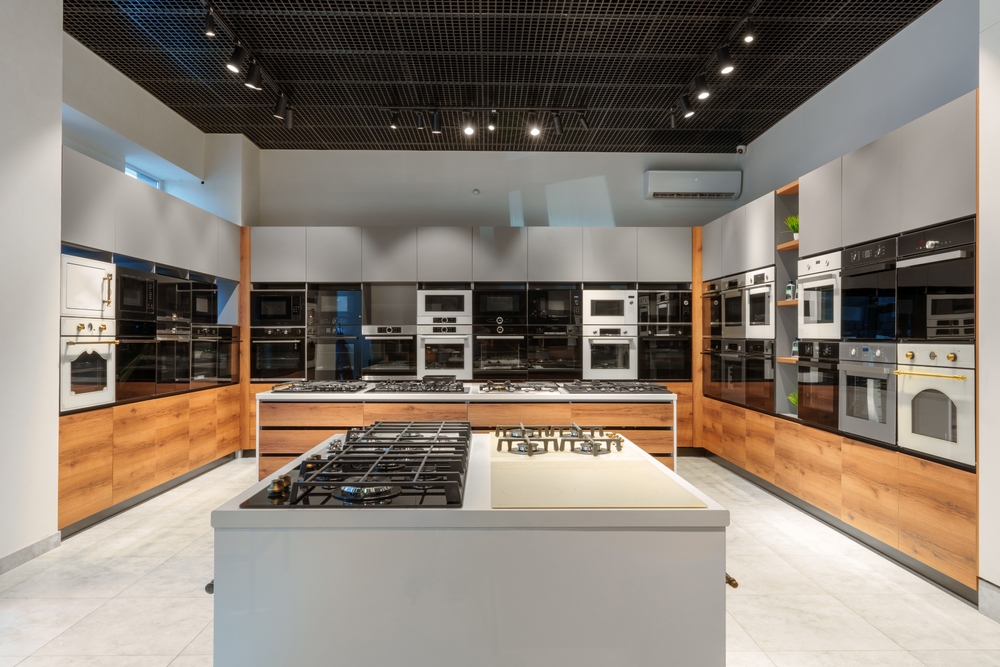
Professional-grade ranges, built-in espresso machines, and specialty appliances can add $20,000 to $50,000 to a kitchen renovation. The vision of becoming a more accomplished home cook or easily recreating restaurant-quality meals feels inspiring and achievable with the right equipment. Reality tends to be more modest—most of us continue preparing the same reliable meals we’ve always made, regardless of our appliance quality. That pasta maker, bread machine, or sous vide circulator gets enthusiastic use for a week or two before migrating to the back of a cabinet.
Counter space becomes cluttered with specialized tools that seemed essential but rarely get used, while simpler equipment would have sufficed. Professional-grade appliances can actually complicate cooking rather than enhance it—preheating times are longer, maintenance is more involved, and complexity replaces convenience. Unless you’re genuinely passionate about cooking and do it daily, standard appliances will serve you well. Put your resources toward quality ingredients and cooking classes if you want to improve your culinary skills—the equipment isn’t what holds most people back.
11. Country Club and Golf Memberships
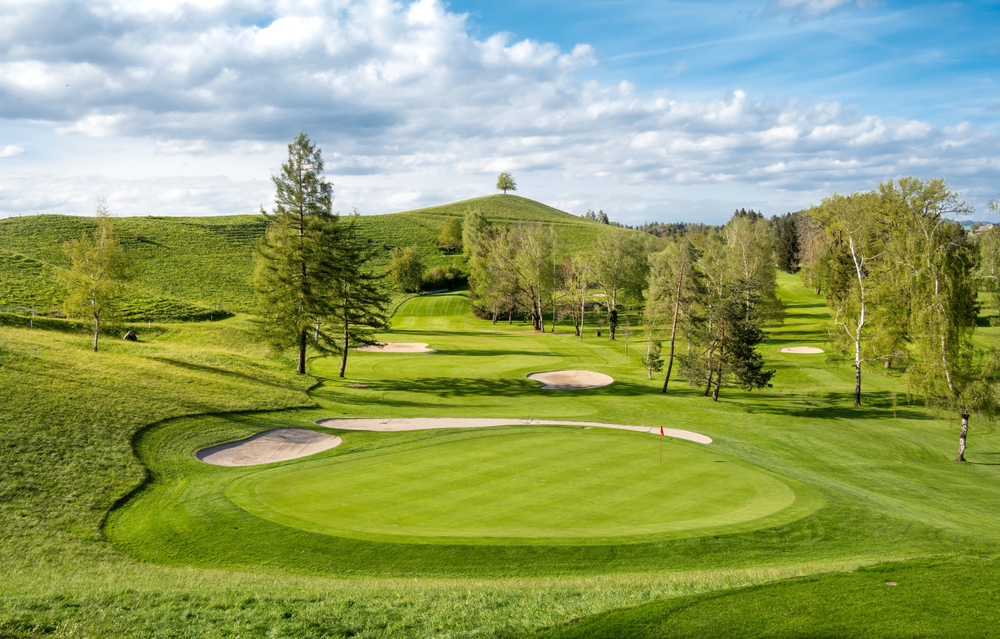
Private club memberships represent a significant financial commitment, with initiation fees ranging from $50,000 to $250,000 and annual dues between $5,000 and $30,000. The appeal is real—beautiful facilities, networking opportunities, and convenient access to golf and dining. However, busy work schedules, family obligations, and unpredictable weather often limit actual usage to far less than anticipated. Breaking down the cost per visit can reveal surprisingly high numbers that might shift your perspective on value.
The social aspect of membership can create pressure to maintain it even when usage doesn’t justify the expense, particularly in communities where club participation signals professional success. Younger professionals especially may find that the formality and traditions don’t quite match their lifestyle or interests. Public courses and pay-per-play options have improved dramatically in recent years, offering excellent golf experiences without long-term commitment. Consider whether the networking and social benefits truly justify the cost, or if other ways of building those connections might work better for you.
12. Expensive Baby Gear and Nursery Items

Preparing for a new baby brings excitement and, often, anxiety about having everything “just right.” It’s easy to spend $5,000 to $15,000 on premium strollers, designer cribs, and specialized furniture, believing that higher prices equal better outcomes for your child. The truth is that babies are wonderfully adaptable and don’t know the difference between expensive and budget-friendly options. Many elaborate purchases go barely used as parents discover what actually works for their specific situation and lifestyle.
First-time parents are understandably vulnerable to marketing that suggests certain products are essential for proper childcare. Multiple strollers, various carriers, and specialized items often accumulate before you realize which ones you’ll actually use. Babies outgrow most equipment within months, making the investment especially brief. Borrowing from friends, buying quality used items, or waiting to see what you genuinely need can save thousands without compromising your baby’s wellbeing or your peace of mind.
13. Collectibles and Limited Edition Items
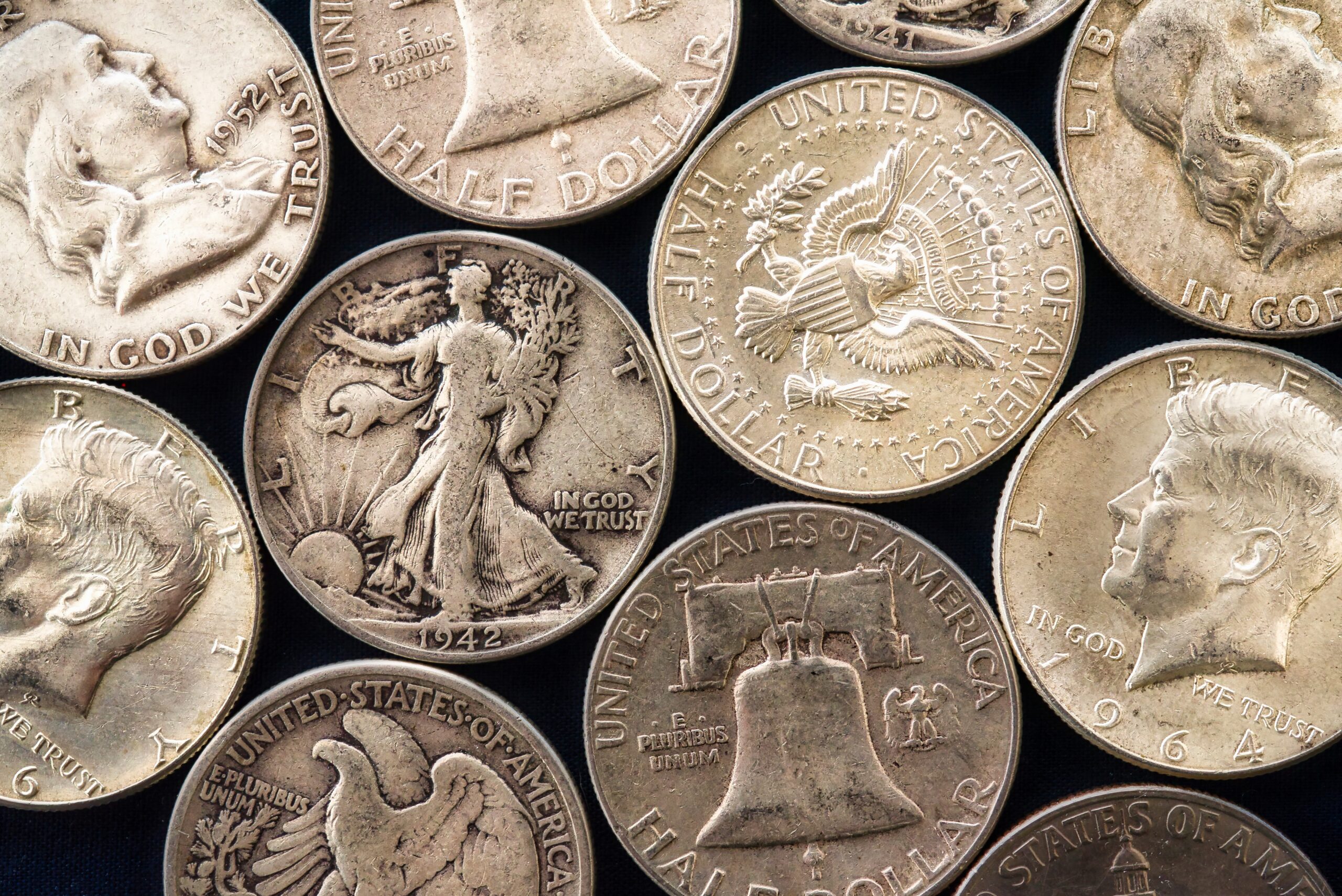
Collecting can be a genuine hobby that brings joy—whether it’s sneakers, sports memorabilia, coins, or trading cards. Individual items might cost hundreds or thousands, with serious collectors investing tens of thousands building their collections. The challenge comes when collecting shifts from personal enjoyment to investment strategy, with the belief that these items will appreciate significantly in value. Markets for collectibles are unpredictable, and artificial scarcity often doesn’t translate to lasting value. Most collections spend their existence in storage or display cases, never touched beyond the initial acquisition.
The emotional satisfaction of completing a set or owning something rare can fade once the hunt is over, leaving you with items that don’t provide ongoing enjoyment. Insurance, climate-controlled storage, and preservation add costs that chip away at any potential returns. If you collect because you genuinely love the items and the process brings you happiness, that’s meaningful and valid. However, if you’re collecting primarily as an investment, traditional financial vehicles typically offer more reliable growth with far less risk and storage hassle.
14. Outdoor Power Equipment

Homeownership often leads to purchases of riding mowers, leaf blowers, snow blowers, and pressure washers that can total $5,000 to $15,000. Having your own equipment provides convenience and the satisfaction of handling property maintenance yourself. However, these machines sit unused most of the year, emerging only for seasonal tasks, and they require ongoing maintenance to keep running properly. Small engines need fuel stabilization, oil changes, and winterization—all of which take time and money.
Storage requirements consume valuable garage or shed space, and equipment depreciates while needing occasional repairs as components age. For smaller properties or occasional use, the math often favors professional services or renting equipment when needed. This doesn’t mean you shouldn’t own outdoor equipment if you enjoy the work and use it regularly—just that it’s worth doing the calculation. Sometimes the convenience of ownership is worth it; other times, you’re paying a premium for flexibility you don’t actually need.
15. Vacation Homes and Investment Properties
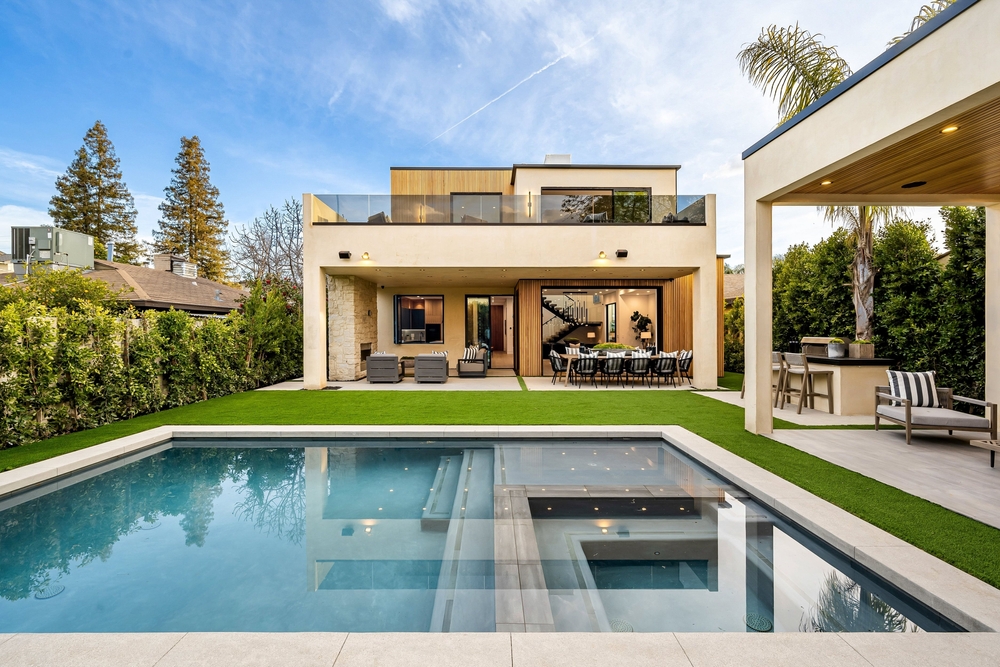
A second home in a favorite vacation spot represents a dream for many people—a personal retreat you can visit anytime, potentially generating rental income to offset costs. The reality involves property investments from $200,000 to well over $1,000,000, with ongoing expenses for taxes, insurance, maintenance, and utilities that continue whether you’re there or not. Most owners use vacation properties only a few weeks annually, while distance makes regular upkeep challenging and emergency repairs costly.
The rental income that’s supposed to offset expenses often underperforms expectations due to seasonal markets, property management fees, and maintenance costs from renters. Many owners also feel obligated to visit their property even when they’d prefer exploring new destinations, reducing overall travel flexibility. The emotional attachment to a special place is meaningful, but it’s worth honestly assessing whether the total costs align with how you’d actually use the property. Renting in various locations when you want to travel often provides more freedom and financial flexibility than ownership, even if it feels less permanent.
This article is for informational purposes only and should not be construed as financial advice. Consult a financial professional before making investment or other financial decisions. The author and publisher make no warranties of any kind.
This article is for informational purposes only and should not be construed as financial advice. Consult a financial professional before making investment or other financial decisions. The author and publisher make no warranties of any kind.