


Vintage value isn’t about nostalgia—it’s about scarcity, craftsmanship, and timing. Once ordinary items often become valuable precisely because no one thought to preserve them. What survives tends to be accidental, and markets reward that accident generously. These are the vintage objects quietly commanding serious money now.
1. Mid-Century Solid Wood Furniture
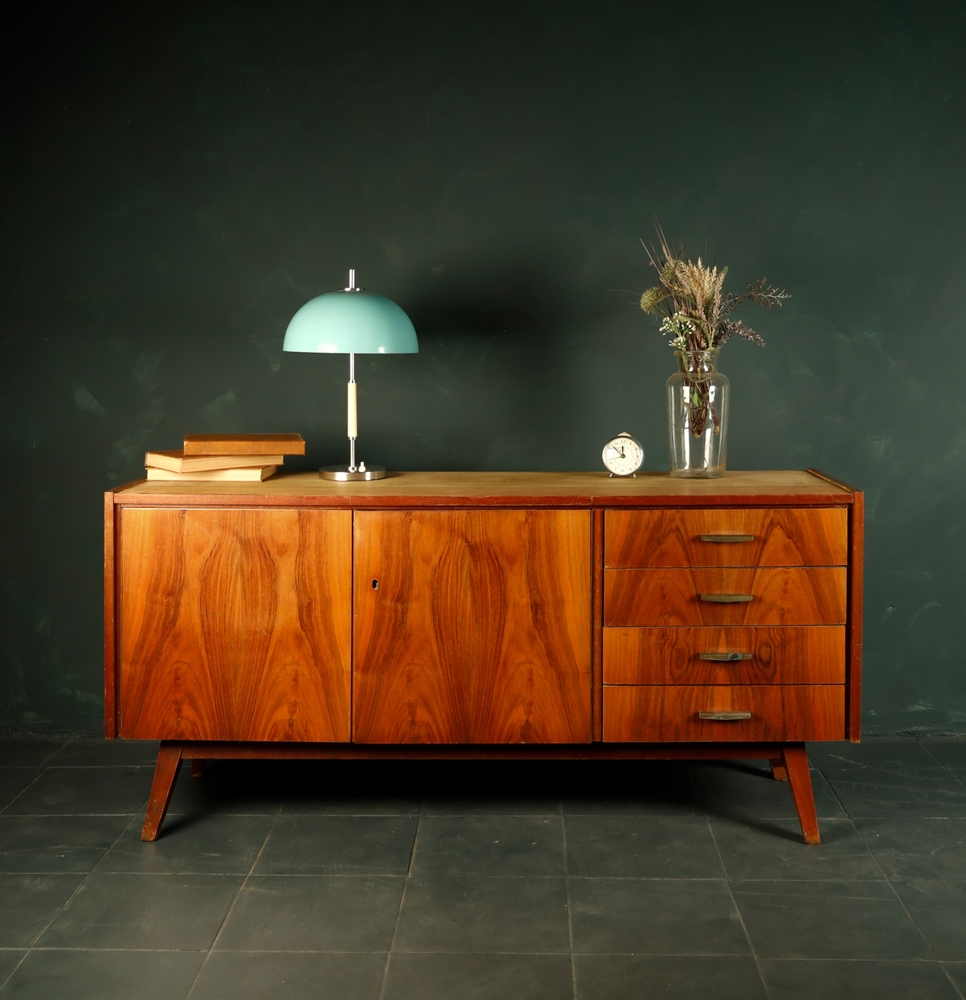
Furniture made between the 1940s and 1970s was often built with materials that are now prohibitively expensive. Solid walnut, teak, and oak pieces were mass-produced at a quality level that no longer exists. What was once standard is now exceptional. Time has done the vetting.
Value comes from durability as much as design. These pieces survive moves, trends, and decades of use. Unlike modern furniture, repair increases value rather than diminishing it. That longevity is what buyers are really paying for.
2. First-Edition Hardcover Books With Dust Jackets

First editions were never meant to be collectibles. According to auction data cited by Sotheby’s and Christie’s, intact dust jackets are often worth more than the book itself. Most were thrown away. Survival created scarcity.
Condition matters more than age. A clean jacket can multiply value dramatically, even for mid-tier authors. The market rewards preservation over prestige. What looks like an old book can actually be an asset.
3. Vintage Costume Jewelry From Defunct Designers
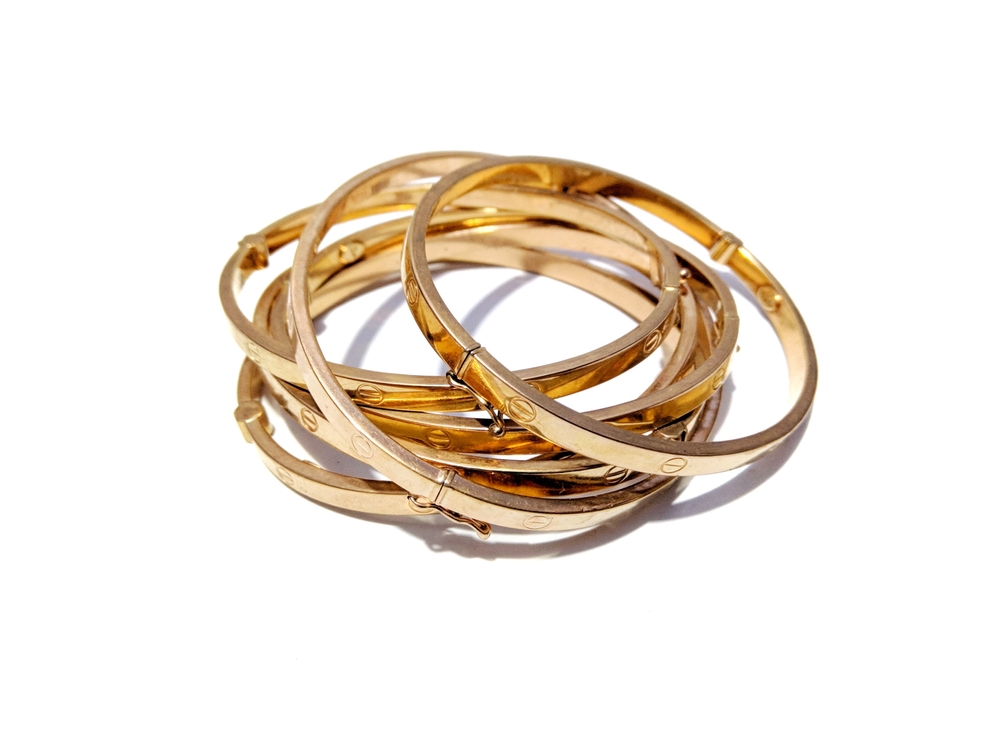
Costume jewelry wasn’t treated as heirloom-worthy, which is exactly why it’s valuable now. Pieces from defunct houses often used higher-quality materials than today’s equivalents. Design was prioritized over cost efficiency. That combination no longer exists.
Collectors value these pieces for originality. Once a brand disappears, its aesthetic becomes finite. Demand rises because supply can’t expand. Obsolescence turns into leverage.
4. Original Vinyl Records From Early Pressings
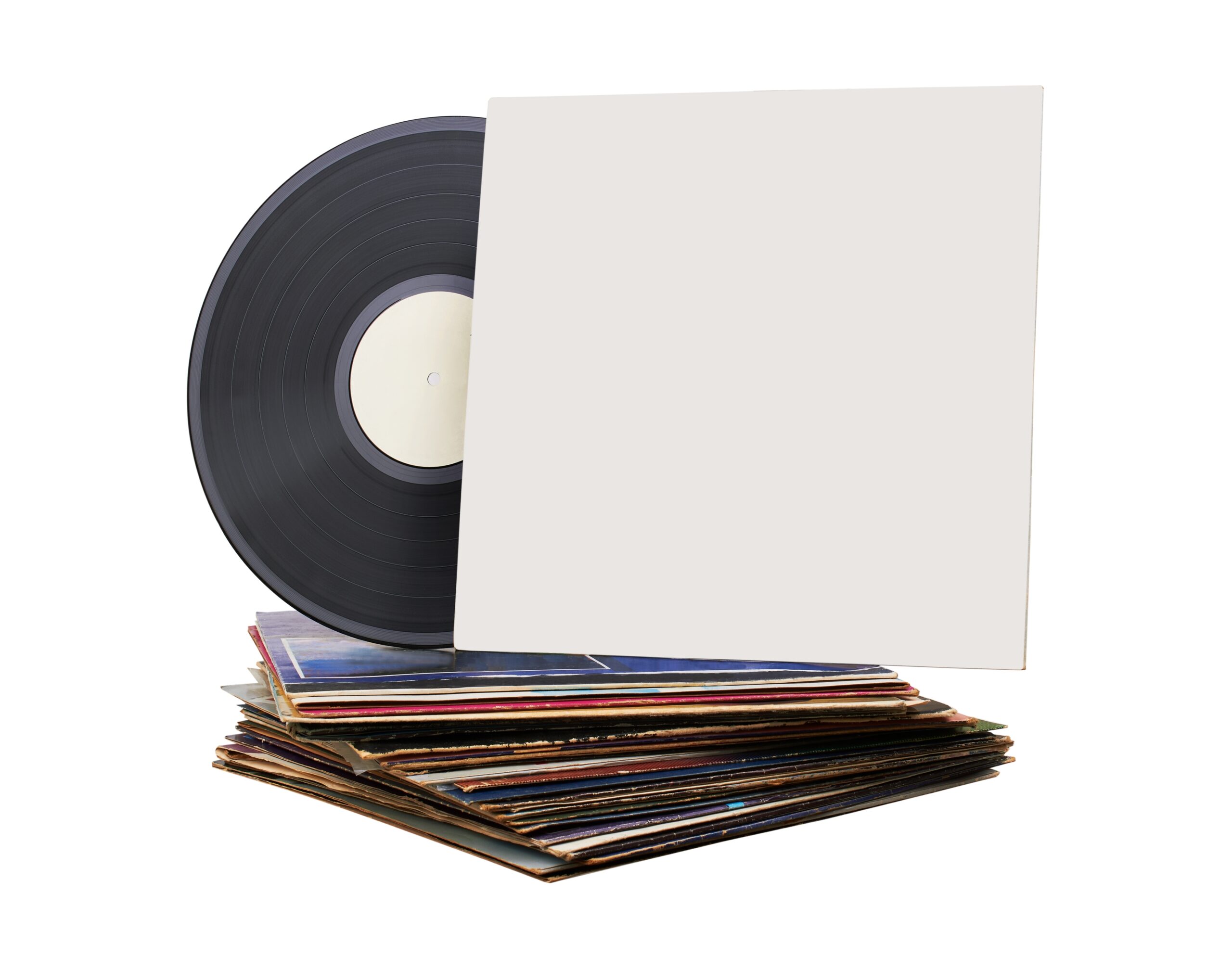
Early vinyl pressings often sound different from later reproductions. According to audio historians and market analysis referenced by Discogs and Rolling Stone, first pressings were produced with higher-quality masters and fewer compressions. Sound fidelity matters to collectors.
Condition is everything here. Clean vinyl with original sleeves commands a premium. Digital access didn’t kill this market—it refined it. Collectors pay for authenticity.
5. Vintage Wristwatches With Mechanical Movements
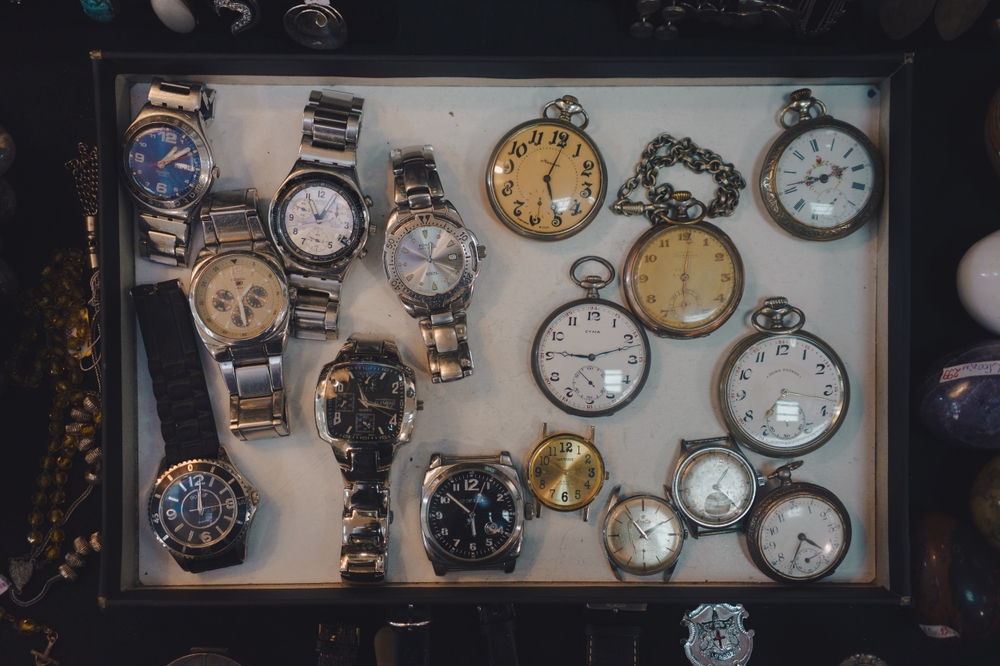
Mechanical watches used to be everyday tools, not luxury statements. Reporting from Hodinkee and auction houses shows that vintage Rolex, Omega, and lesser-known Swiss brands now outperform many modern watches in resale value. Craftsmanship aged well.
What buyers want is repairability and history. These watches were built to be serviced indefinitely. Modern equivalents rely on proprietary parts. Longevity, not flash, drives value.
6. Antique Persian And Oriental Rugs
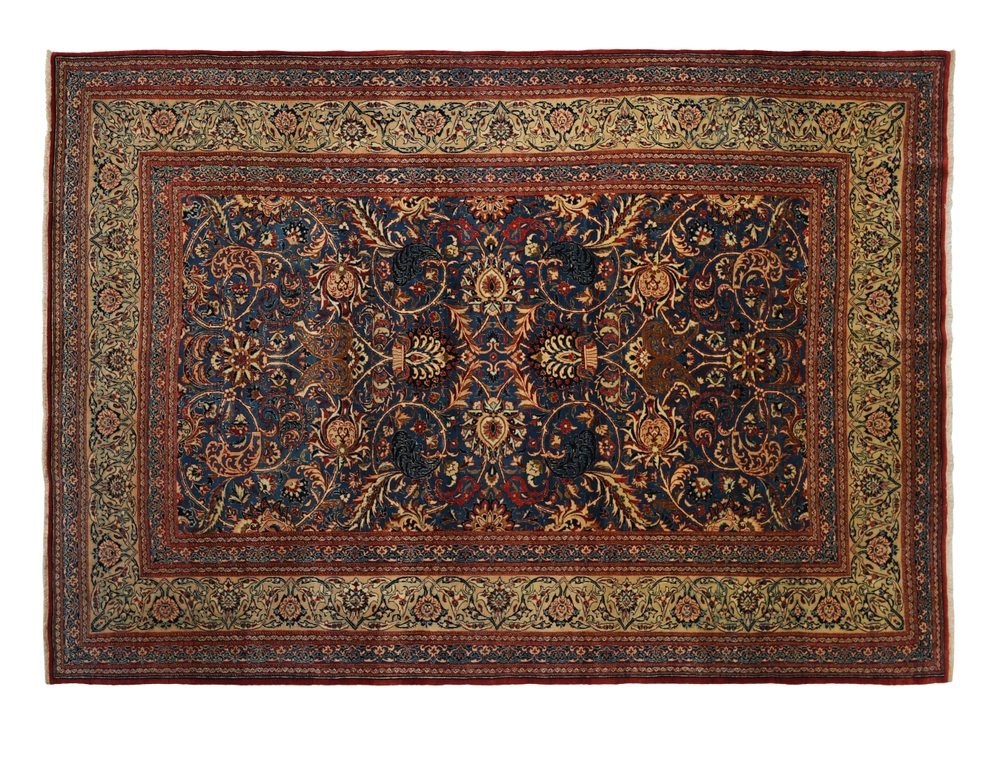
Handwoven rugs took months or years to produce, using techniques that can’t be replicated at scale. Wear patterns authenticate age rather than diminish it. Natural dyes age better than modern synthetics. Time enhances character.
These rugs function as both art and infrastructure. They survive generations of use. Replacement costs far exceed resale prices. That imbalance fuels demand.
7. Vintage Levi’s Denim From Before The 1980s
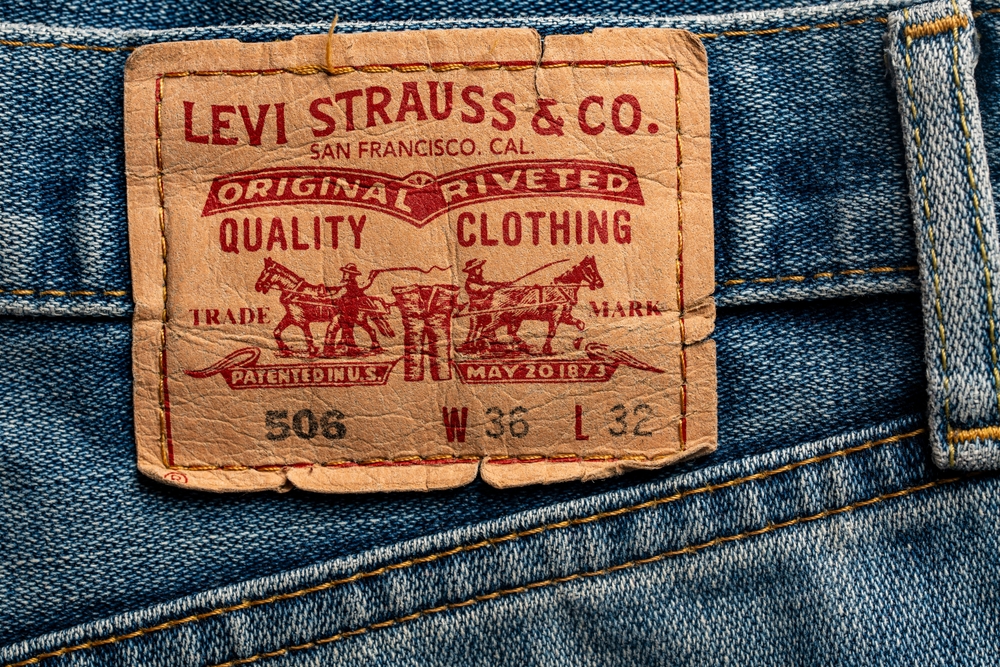
Old Levi’s were workwear, made to be worn hard and replaced. That’s exactly why surviving pairs are valuable now. Most were destroyed through use, not stored away carefully.
Pre-1980s denim used heavier fabrics and different dye processes that can’t be replicated today. The fade patterns are unique to each wearer. Modern reproductions imitate the look but not the material reality.
8. Original Pyrex And Fire-King Glassware
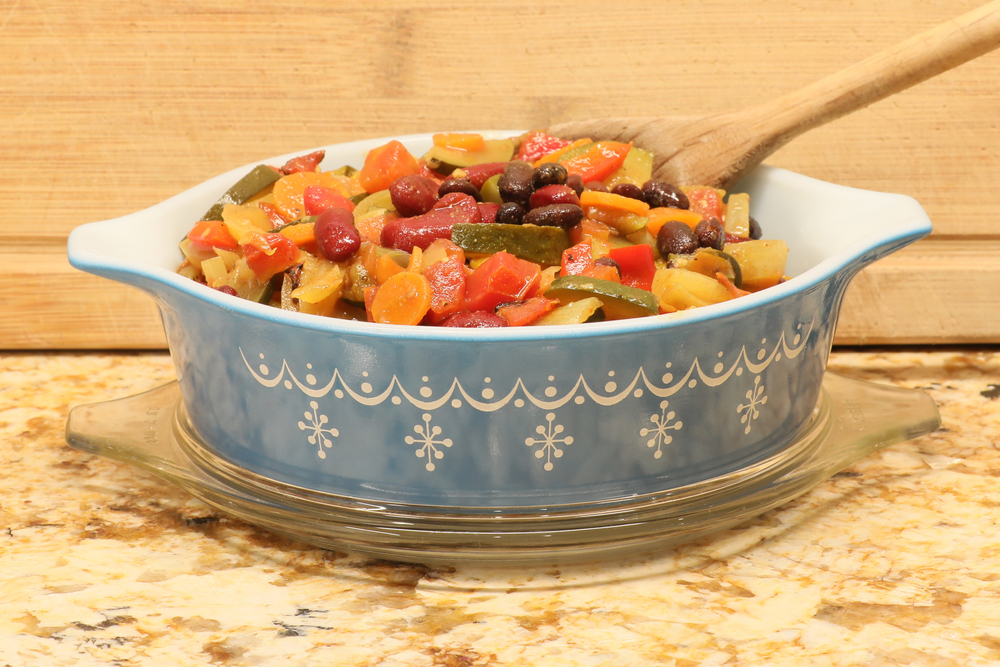
Vintage kitchenware has become one of the hottest collector markets. According to auction data and resale analysis cited by Smithsonian Magazine and major auction platforms, original Pyrex patterns from the mid-20th century routinely sell for hundreds or even thousands of dollars. Limited runs and discontinued designs drive competition.
The real value comes from durability and design integrity. These pieces were built for daily use and survived anyway. Modern equivalents prioritize cost over longevity. What was once a pantry staple is now display-worthy.
9. Old Advertising Signs And Branded Ephemera
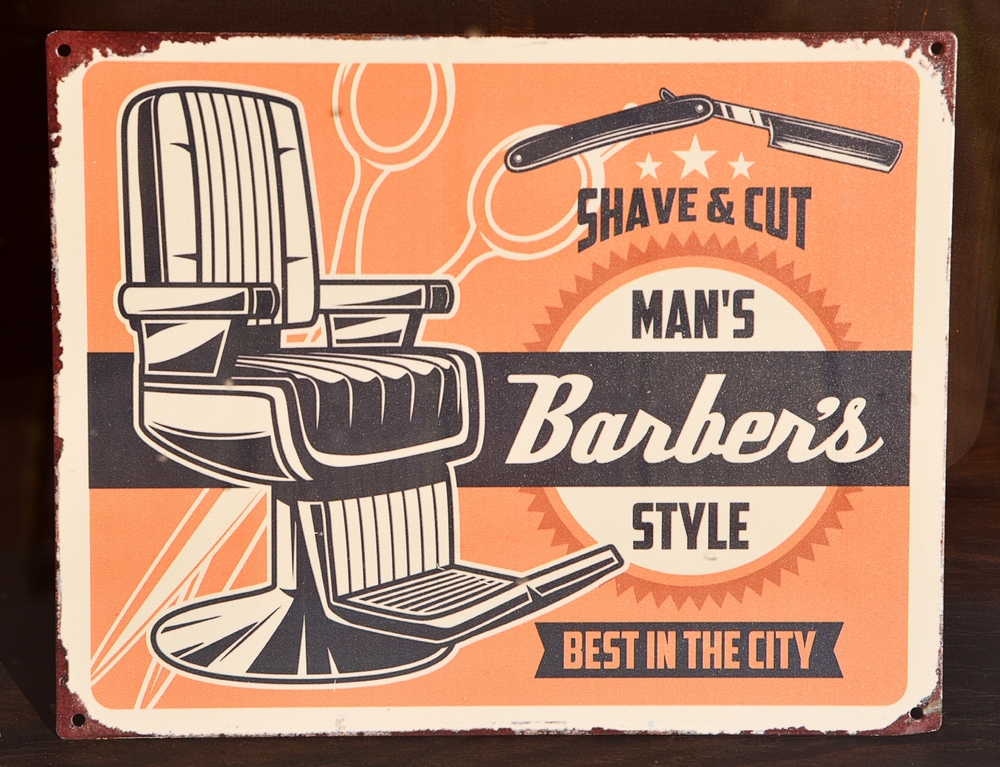
Vintage signs were never meant to last. They were temporary marketing tools, printed cheaply and discarded once campaigns ended. Survival was accidental.
Collectors value these items as cultural snapshots. Logos, slogans, and materials reflect eras that no longer exist. The wear tells a story.
10. Early Consumer Electronics In Working Condition
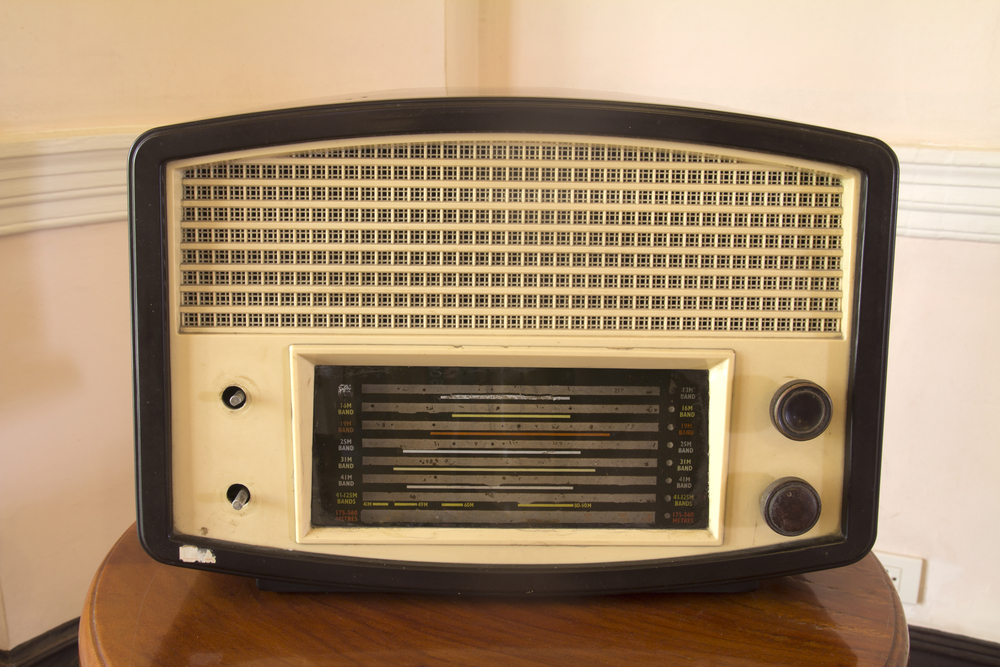
Early radios, record players, and gaming consoles often sell for far more than expected. What matters isn’t just age—it’s functionality. Many early electronics were repaired repeatedly until they failed permanently. Working examples are rare.
These items capture transitional moments in technology. They mark the beginning of habits that now feel ubiquitous. Collectors aren’t buying convenience—they’re buying origin stories.
11. Vintage Cameras With Manual Controls
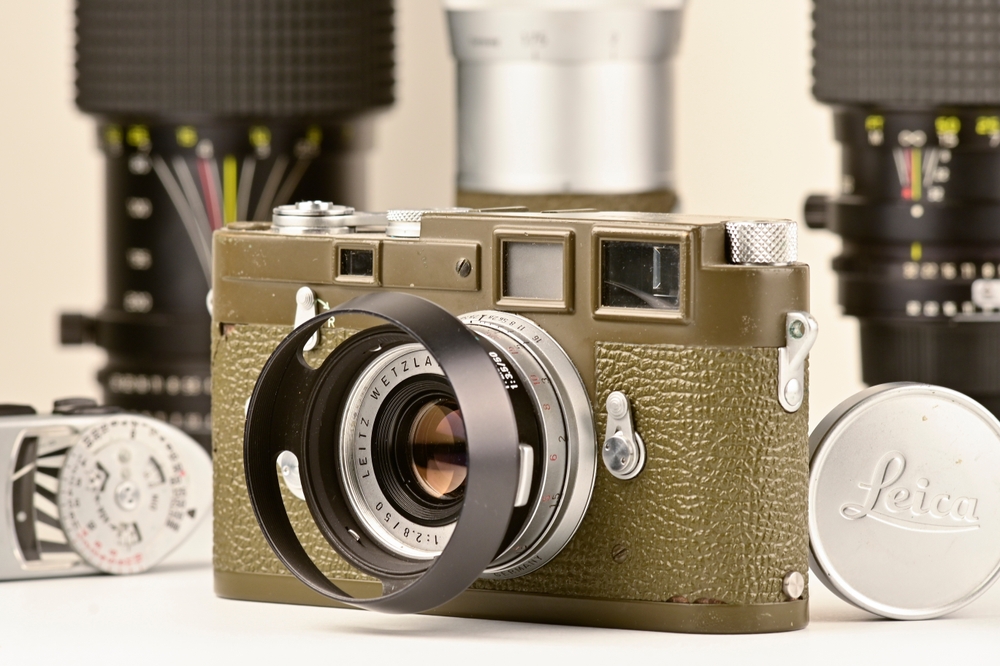
Film cameras from the mid-20th century were built to outlast their owners. All-metal bodies, mechanical shutters, and interchangeable lenses made them durable and serviceable. Many are still fully functional decades later. That longevity is part of the appeal.
As digital photography flattened skill requirements, manual cameras gained cultural weight. They demand intention. Photographers and collectors value them for what they require, not just what they produce.
12. Vintage Board Games With Original Pieces

Old board games weren’t treated as collectibles, which is exactly why complete sets are rare now. Pieces were lost, boxes damaged, and rules discarded over years of casual use. What survives intact does so almost by accident. That accidental completeness is where the value lives.
Collectors look for original components, artwork, and boxes, not modern reprints. The appeal isn’t just nostalgia—it’s cultural preservation. These games reflect how people socialized before screens dominated leisure.
13. Antique Typewriters In Working Condition
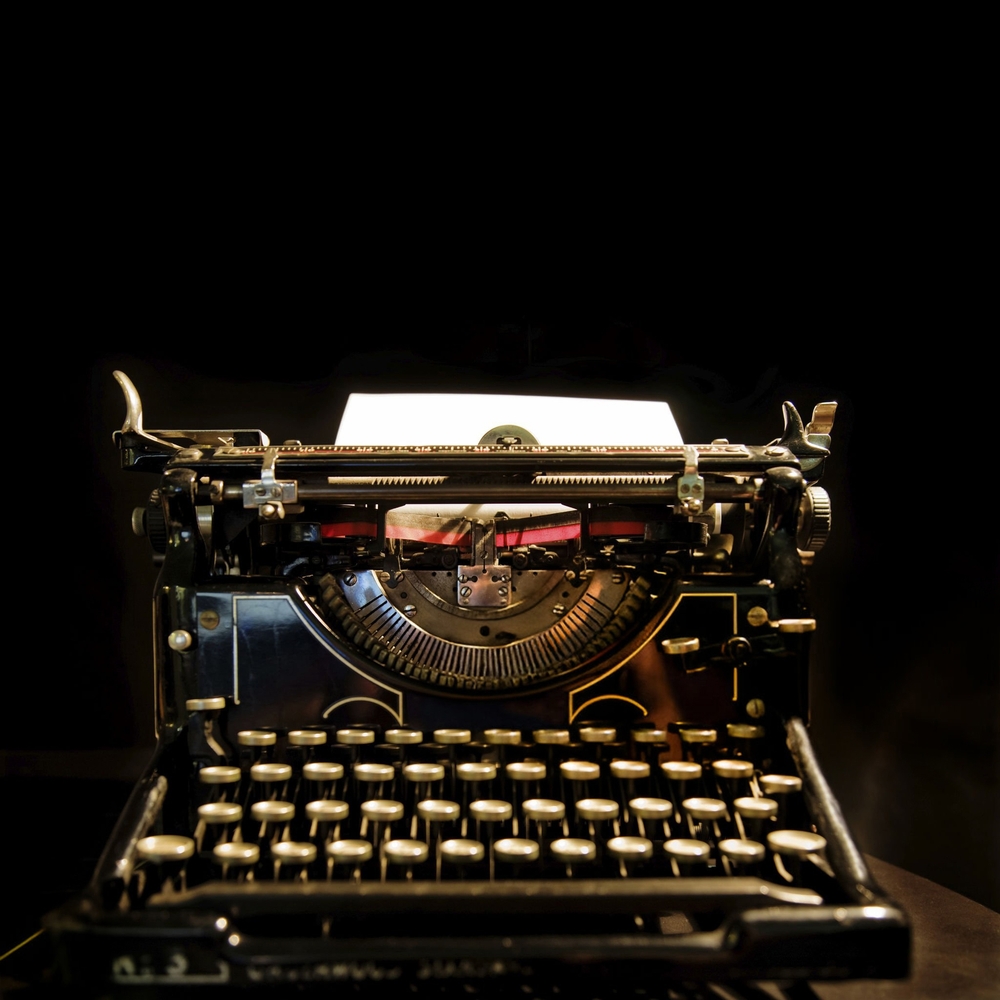
Typewriters once filled offices and homes, then vanished almost overnight. Most were scrapped or left to rust once computers took over. Functional machines are now scarce. Working mechanics matter more than cosmetic perfection.
These typewriters attract writers, collectors, and designers alike. They represent a slower, more deliberate relationship with language. The physicality of typing is the draw. Value comes from both function and symbolism.
14. Vintage Designer Clothing From Early Career Runs
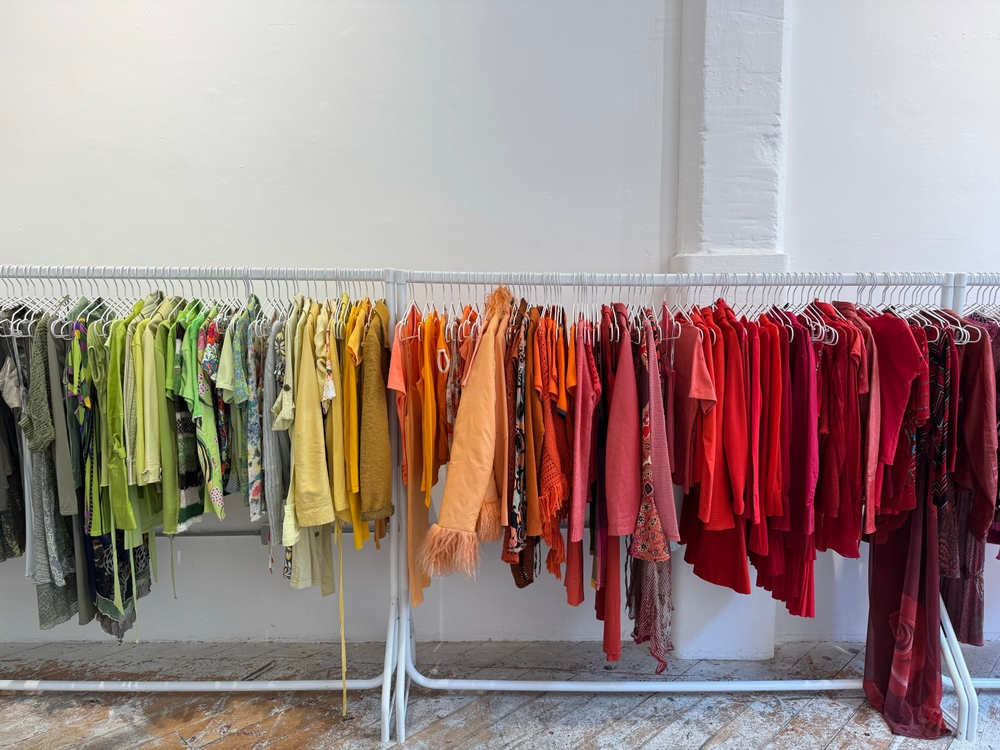
Early pieces from designers before they became household names often sell for more than later, more polished work. These garments were produced in smaller quantities with more hands-on involvement. The design risks were higher. The vision was less diluted.
Condition still matters, but originality matters more. These pieces show intent before commercial pressure took over. Fashion collectors aren’t just buying clothes—they’re buying the origin of an aesthetic.
15. Old Maps

Vintage maps were working tools, not decorative objects. They were folded, marked, and replaced as borders changed. That constant updating made older versions obsolete quickly. Few were preserved.
What gives these items value is their worldview. They show how people understood geography, power, and movement at a specific moment in time. Errors, outdated names, and hand annotations increase interest. History embedded in paper holds steady demand.
16. Handwritten Letters And Personal Correspondence
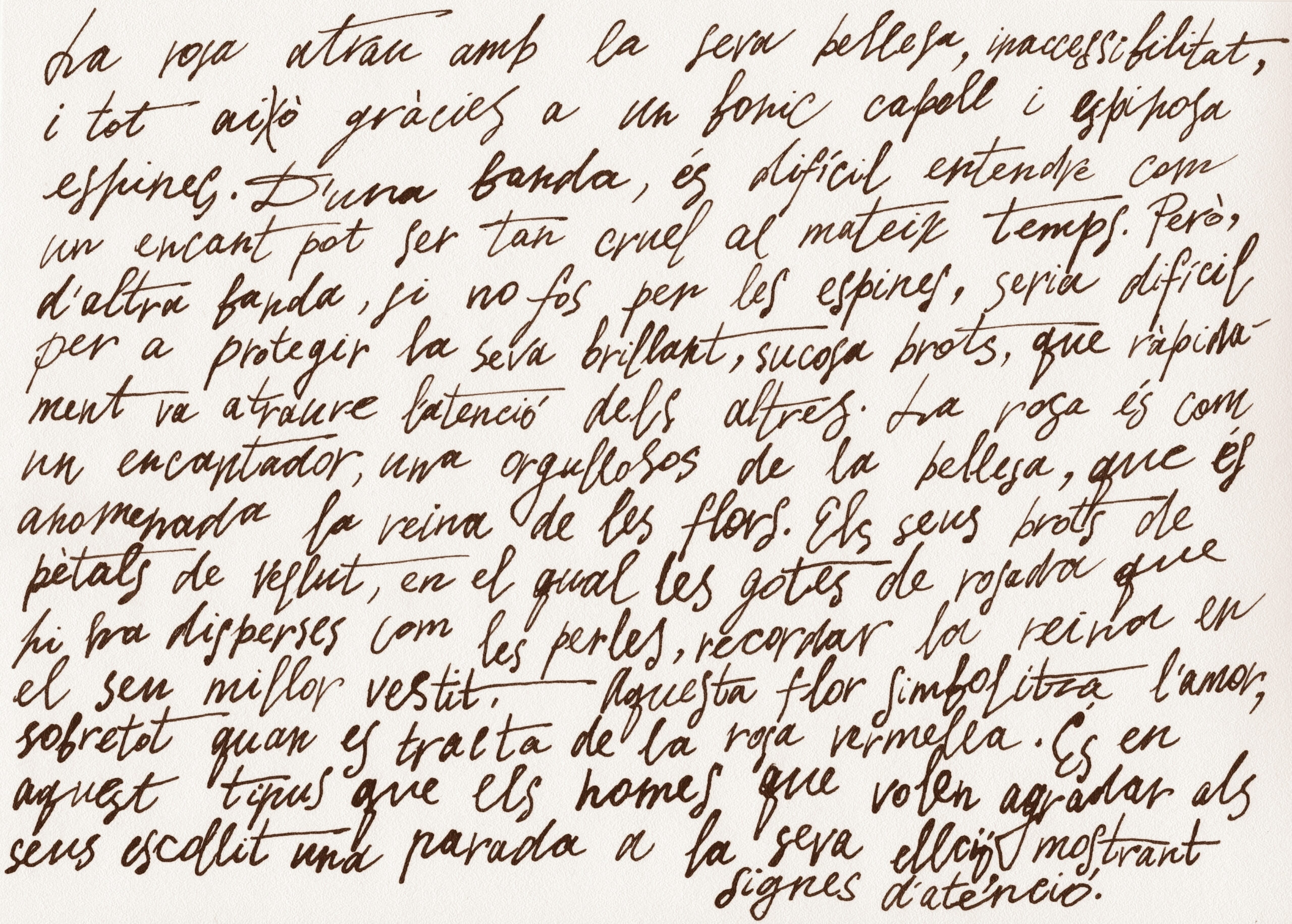
Personal letters were never meant to be saved beyond their immediate purpose. Most were destroyed once relationships changed or people passed away. Surviving collections are rare by nature.
Collectors and institutions seek letters for insight, not sentimentality. They reveal how people thought, spoke, and connected. The handwriting itself carries information. What once felt ordinary now functions as primary historical material.
This article is for informational purposes only and should not be construed as financial advice. Consult a financial professional before making investment or other financial decisions. The author and publisher make no warranties of any kind.