


Estate sales, auctions, and inheritances have become a quiet gold mine for people who know what they’re doing. When someone dies, their possessions often enter the market divorced from hype, trend cycles, or emotional pricing. That creates opportunity—but also traps. Some items gain value precisely because they’re secondhand. Others carry hidden costs most people don’t realize until it’s too late.
1. Solid Wood Furniture From Mid-Century Estates (Buy)
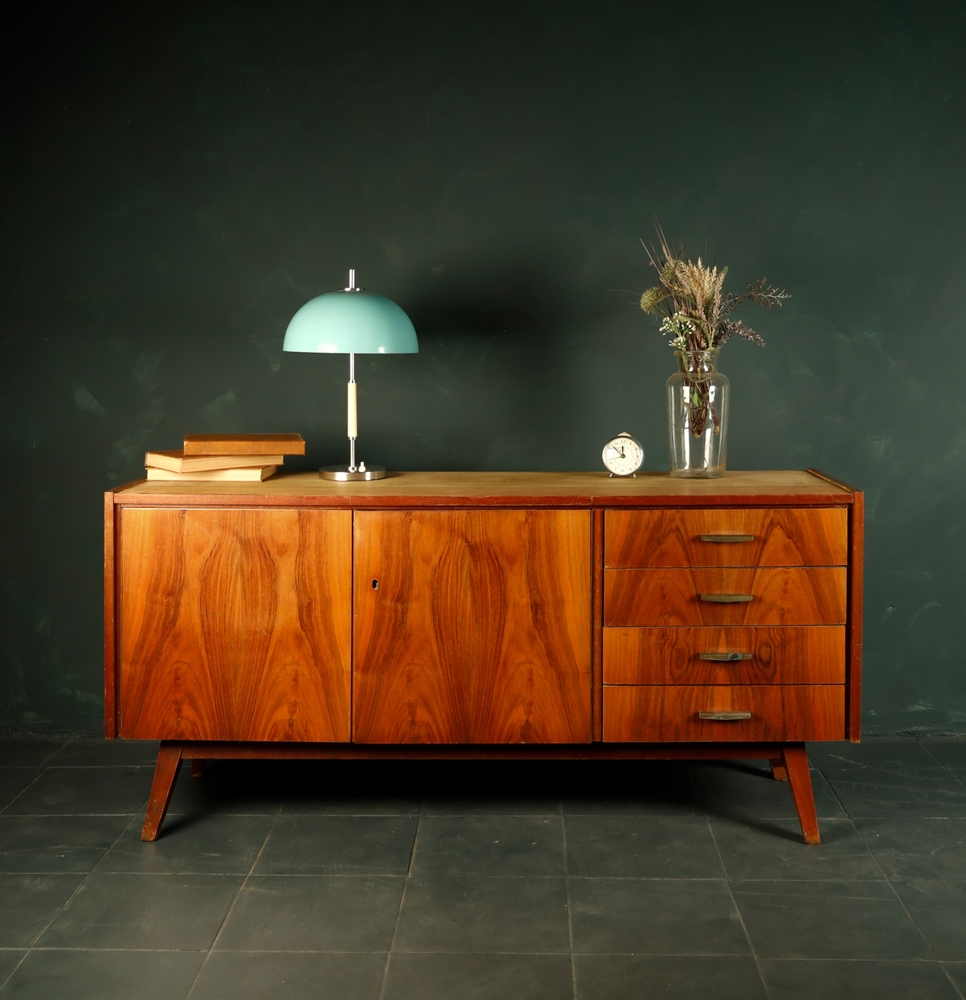
Furniture from older estates was often built to last decades, not design seasons. According to appraisal guidance from institutions like Sotheby’s and Christie’s, solid wood mid-century pieces routinely outperform modern flat-pack furniture in durability and resale value. These items were made before planned obsolescence became standard. The materials alone would be prohibitively expensive to replicate today.
Buying these pieces secondhand strips away branding premiums. You’re paying for craftsmanship, not marketing. Scratches and patina often increase appeal rather than diminish it. This is one of the rare cases where age is a feature, not a flaw.
2. Personal Mattresses And Upholstered Beds (Avoid)
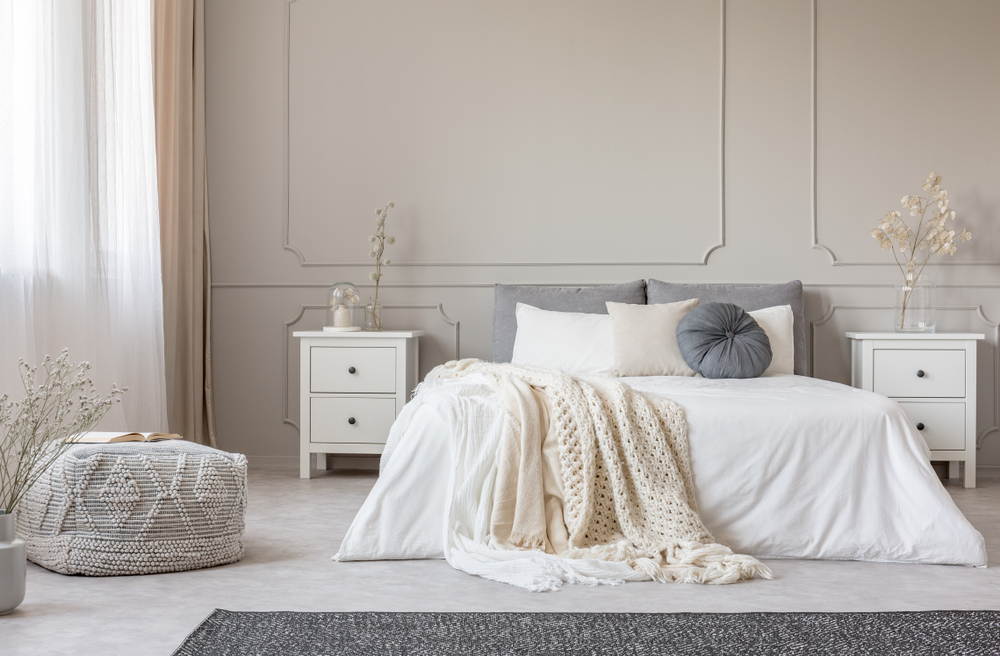
Mattresses are deeply personal items with a short functional lifespan. Even expensive ones degrade internally long before they look worn. Hygiene issues aside, support systems break down invisibly over time. What feels “barely used” can already be compromised.
Upholstered beds carry similar risks. They absorb moisture, odors, and allergens that can’t be fully removed. The savings rarely justify the uncertainty. This is one area where new is better.
3. Vintage Jewelry With Verifiable Provenance (Buy)
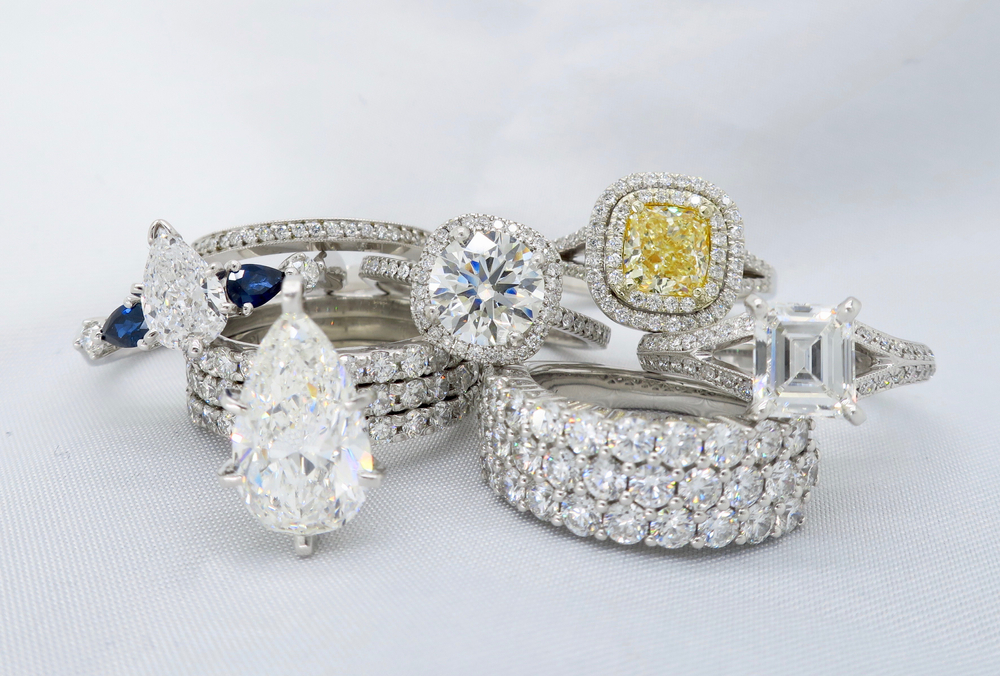
Estate jewelry often sells for far less than its intrinsic value. According to gemological research and auction house reporting, older pieces frequently contain higher-quality stones than modern mass-market jewelry. Cuts, settings, and materials reflect eras when craftsmanship mattered more than scalability. Provenance adds both legitimacy and value.
Buying estate jewelry avoids retail markups entirely. You’re purchasing materials and artistry, not trend positioning. These pieces also tend to hold value better over time. In many cases, they quietly appreciate.
4. Old Electronics And Personal Computers (Avoid)
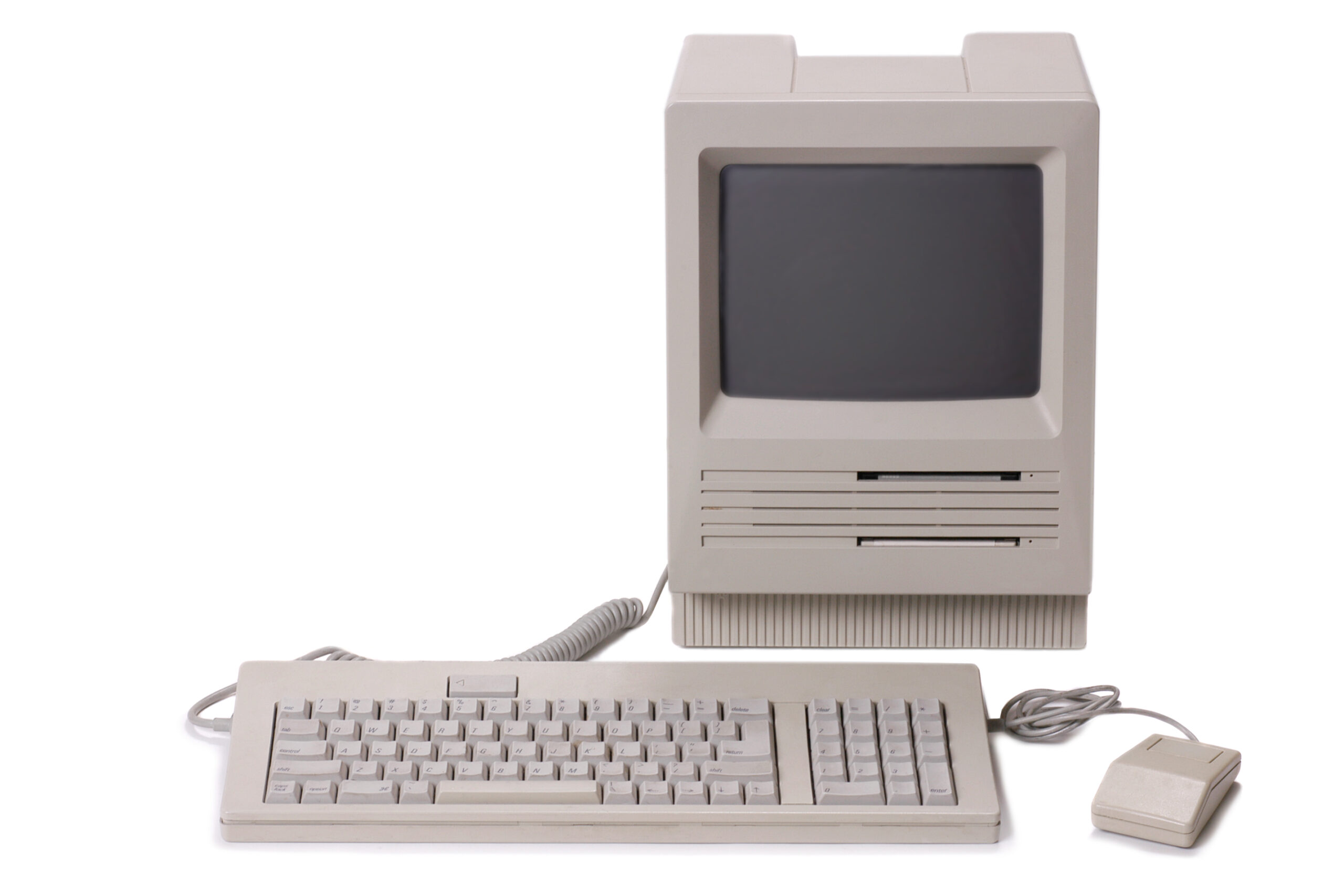
Electronics age faster than almost any other category. Batteries degrade, software becomes obsolete, and compatibility issues multiply. Even devices that look pristine can be functionally useless within a few years. Repair costs often exceed replacement value.
There’s also a data risk most people overlook. Old devices may still contain personal information. Buying someone else’s tech means inheriting their digital residue. That’s not a bargain—it’s a liability.
5. Handwritten Letters And Personal Archives (Buy)
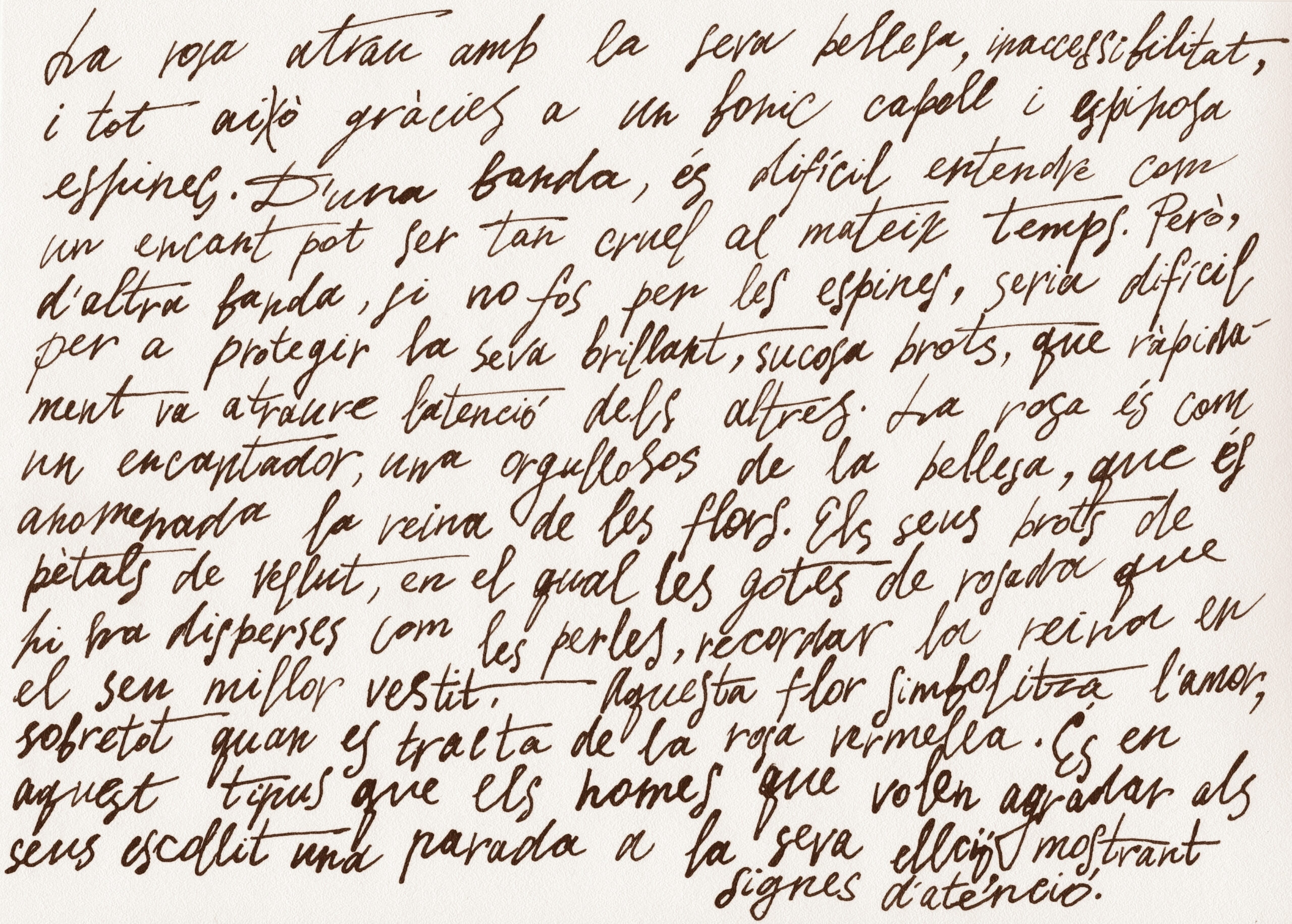
Personal letters, diaries, and archived documents from estates can be historically and financially valuable. Archivists and auction houses like Bonhams have noted increased demand for personal correspondence that offers cultural or historical insight. Even unknown individuals’ letters can gain value when they reflect a specific era or social moment.
These materials are finite by nature. Once discarded, they’re gone forever. Researchers, collectors, and institutions are increasingly interested in primary sources. What looks like clutter at an estate sale can become an asset later.
6. Used Cosmetics And Skincare (Avoid)

Cosmetics expire faster than people realize. Bacteria grows even in sealed-looking containers once they’ve been opened. Ingredients degrade and separate over time. No discount makes that safe.
Luxury branding doesn’t change biology. A half-used serum is already compromised. Skin reactions can be severe and unpredictable. This is never worth the gamble.
7. Antique Rugs And Handwoven Textiles (Buy)
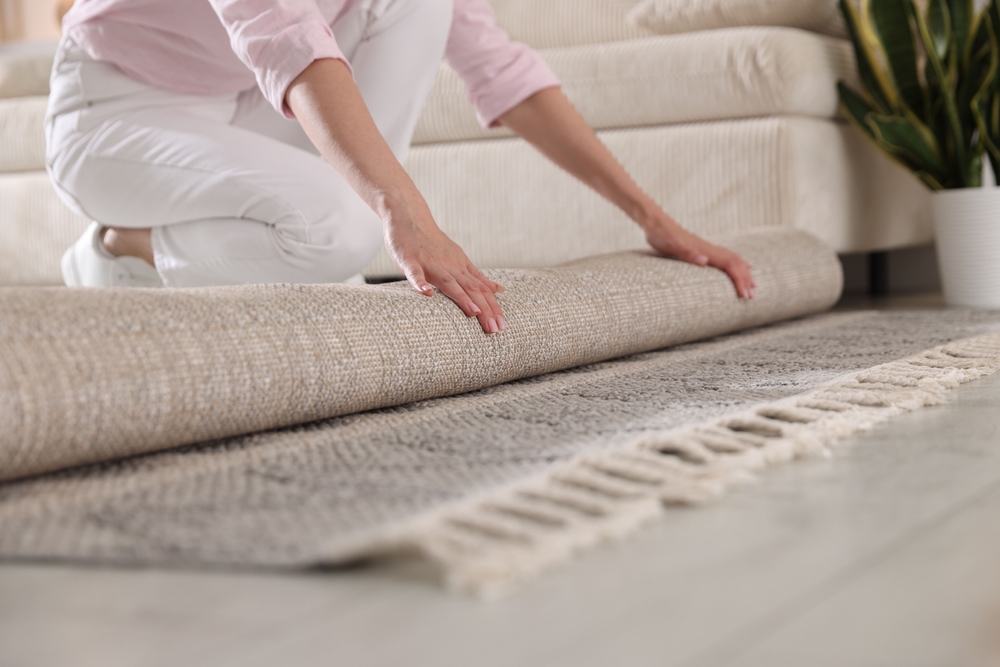
Older rugs and textiles were often made with natural dyes and hand-knotting techniques that no longer exist at scale. According to textile historians and appraisers cited by the Metropolitan Museum of Art, antique rugs frequently outlast modern reproductions by decades. Wear patterns can even authenticate age and quality. Durability was built in.
Estate sales often price these pieces far below replacement cost. Cleaning and restoration are usually straightforward. Once restored, they function as both art and utility.
8. Prescription Medications (Avoid)

Prescription drugs should never be purchased secondhand. Storage conditions, expiration dates, and dosage integrity can’t be verified. Even sealed bottles may have been improperly stored. The risk is serious.
Beyond safety, resale is often illegal. Penalties can be severe. No savings justify health or legal consequences. This is a hard no.
9. Tools From Skilled Tradespeople (Buy)
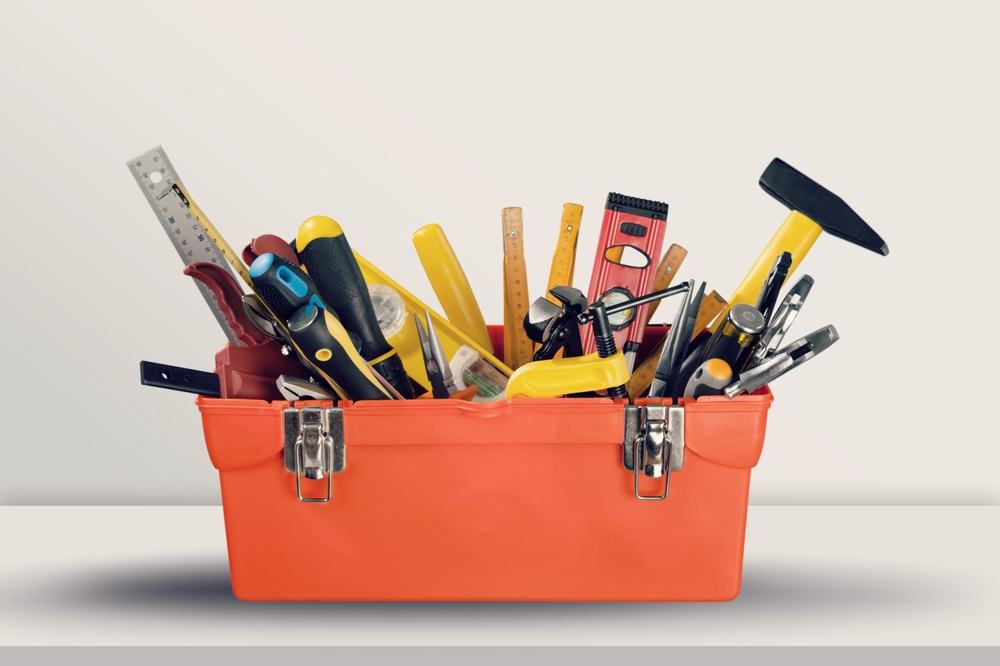
Tools owned by craftsmen are often high-quality and well-maintained. Many older tools were manufactured with stronger metals and tighter tolerances. Estate tools frequently outperform modern budget versions. Function mattered more than cost-cutting.
These tools were used, not abused. Wear often signals reliability rather than damage. Replacement costs for equivalent quality are high. This is one of the most reliable secondhand categories.
10. Photo Albums And Unlabeled Family Photos (Avoid)

Loose family photo albums often look charming but are difficult to resell or place. Without names, dates, or context, their value collapses quickly. Most collectors and institutions won’t touch unidentified personal photos. They become visual orphans.
There’s also an ethical discomfort buyers report after the novelty fades. These images weren’t meant to circulate. What feels like history at first can feel intrusive later. This is one of those items people regret buying.
11. First-Edition Books From Private Libraries (Buy)

Private libraries are one of the most overlooked estate-sale categories. First editions are often shelved without fanfare and priced casually. Owners bought them to read, not speculate. That’s where opportunity hides.
The condition is often better than expected because books were stored, not flipped. Dust jackets alone can multiply value. Even mid-tier authors can surprise you. This is where quiet money lives.
12. Clothing With Heavy Personal Wear (Avoid)
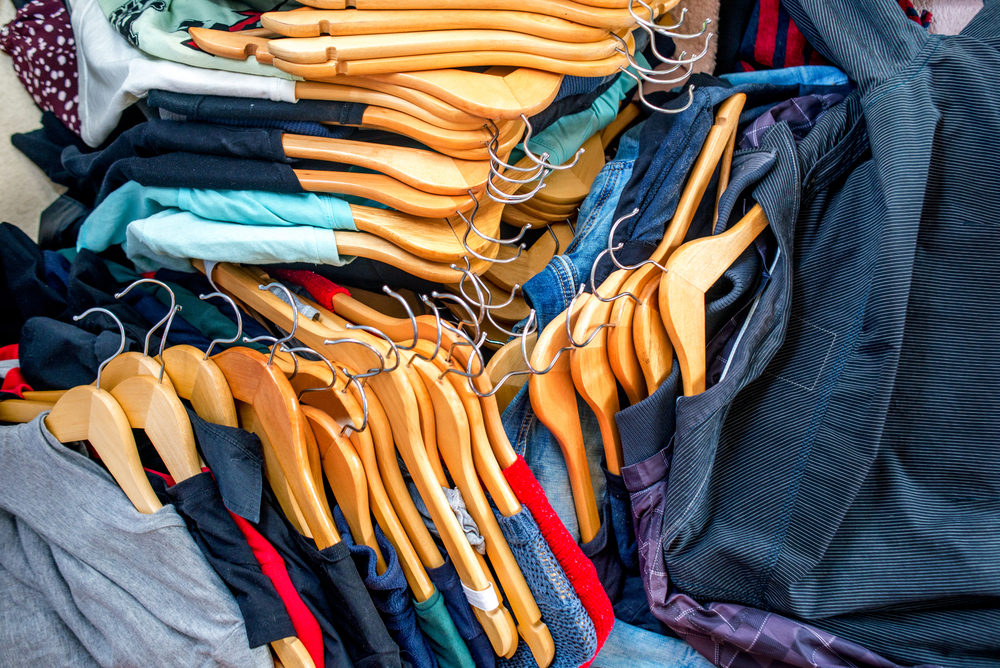
Every day clothing carries too much physical and emotional residue. Fit, wear patterns, and fabric breakdown are rarely worth the savings. Even high-end garments lose structure over time. What looks intact may not be.
Tailoring costs add up fast. Odors and stains don’t always come out. Unlike outerwear or formal pieces, daily clothes rarely justify the effort. This is a pass category.
13. Fine Art Bought Before The Artist Was Famous (Buy)

Estate collections sometimes include early works purchased directly from artists. These pieces were bought without speculation in mind. Provenance often exists informally through receipts or correspondence. That early timing matters.
Even if the artist never exploded, quality work holds cultural value. Some estates unknowingly hold significant pieces. Authentication takes effort, but the upside can be large. This is where patience pays.
14. Personal Financial Documents And Papers (Avoid)

Old checkbooks, bank statements, tax records, and legal paperwork should never be purchased. They carry privacy risks and zero resale value. Handling them can expose buyers to ethical and legal issues.
Even collectors avoid these materials. Institutions require strict consent and context. What seems historically interesting is usually unusable. Some things are meant to be destroyed, not circulated.
This article is for informational purposes only and should not be construed as financial advice. Consult a financial professional before making investment or other financial decisions. The author and publisher make no warranties of any kind.