


The era of flaunting luxury purchases on social media, dripping in logos, and making sure everyone knows exactly how much you spent is winding down. A quieter approach to wealth—sometimes called “stealth wealth” or “quiet luxury”—has been gaining momentum. It reflects a deeper shift in how people with money want to move through the world: less visible, less performative, and more secure in what they have without needing anyone else to validate it. Here’s why understated is becoming the new aspirational.
1. Flashy Displays Feel Tone-Deaf Right Now

With economic uncertainty, inflation, and widening inequality dominating headlines, flaunting expensive purchases feels out of touch. According to Bain and Company’s 2024 luxury market report, affluent consumers are now prioritizing longevity and craftsmanship over consumption. When people are struggling to afford groceries, posting photos of your new designer handbag doesn’t just look tacky, it looks cruel.
This sensitivity to economic context isn’t new. After the 2008 financial crisis, there was a similar cultural pullback from “bling culture” as flashy displays of wealth felt inappropriate. What’s different now is the permanence. Rather than a temporary correction, this feels like a genuine values shift among people who have money but don’t want to be defined by showing it off. The old “look what I can afford” mentality has given way to something quieter.
2. Logos Have Lost Their Power
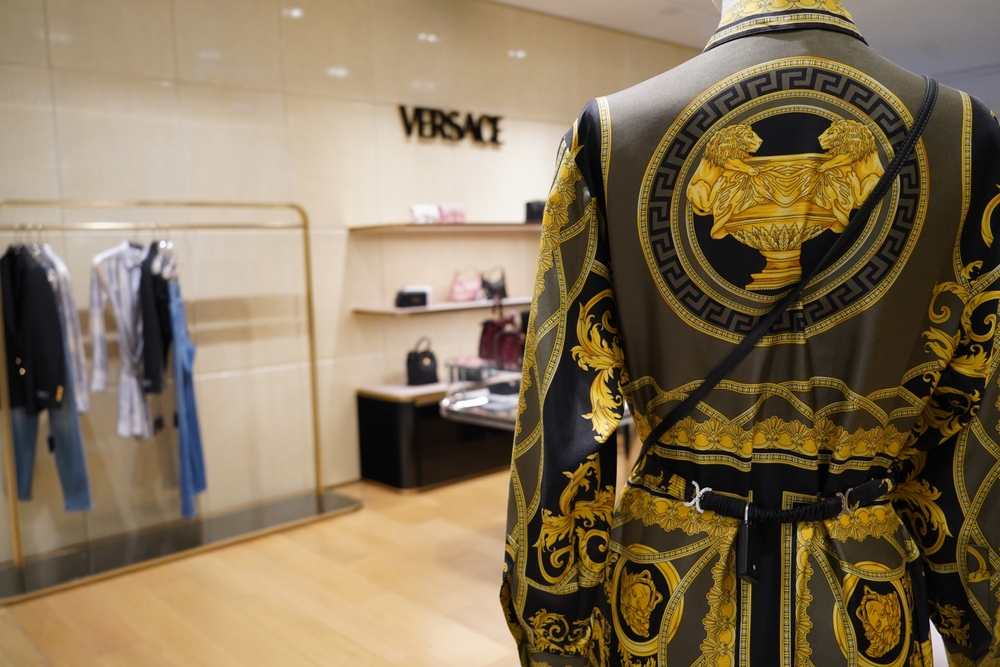
There was a time when a visible logo meant something—that you had access to luxury most people couldn’t afford. But as brands expanded their customer bases and made entry-level products more accessible, those logos became associated with aspirational wealth rather than actual affluence. When everyone at the mall is carrying the same monogrammed bag, it stops signaling exclusivity and starts signaling that you wanted people to think you had money.
The truly wealthy noticed this dilution and pivoted. The new status symbols are items that only insiders recognize—an unbranded cashmere sweater that costs more than most people’s rent, shoes from a maker no one outside certain circles has heard of. The message isn’t “look how much I spent” but rather “I don’t need you to know.”
3. It Signals Sophistication

Flashy spending tells people you have money. Quiet wealth tells people you have taste, knowledge, and the kind of confidence that doesn’t require external validation. A WGSN trend analyst noted in 2024 that quiet luxury became aspirational not because it’s expensive, but because it’s coded as tasteful. There’s a reason HBO’s “Succession” sparked obsessive interest in the Roy family’s understated wardrobe—viewers recognized that real power doesn’t need to announce itself.
This shift reflects a broader change in what wealth is supposed to communicate. The old model was transactional: I have money, therefore I am successful, therefore you should respect me. The new model is more nuanced: I have cultivated taste and insider knowledge, I understand quality at a level you might not, and I’m secure enough not to need your recognition. It’s the difference between screaming into a room and being the person everyone leans in to hear.
4. Security Concerns Are Real

Displaying wealth publicly has always carried some risk, but social media has amplified it dramatically. Criminals now use platforms to identify targets, track movements, and plan attacks. Crypto-related kidnappings have surged globally, with attackers specifically targeting individuals who flaunt their digital wealth online. The daughter of Dell founder Michael Dell had her social media accounts suspended by the family’s security team after she posted images that included GPS location data, citing fears of kidnapping for ransom.
When you broadcast your wealth, you’re essentially advertising yourself as a target to people who are paying attention. The quiet wealth movement isn’t just aesthetic; for many affluent people, it’s a security strategy. The less the world knows about what you have, the safer you are.
5. Social Media Backlash Has Made Showing Off Exhausting
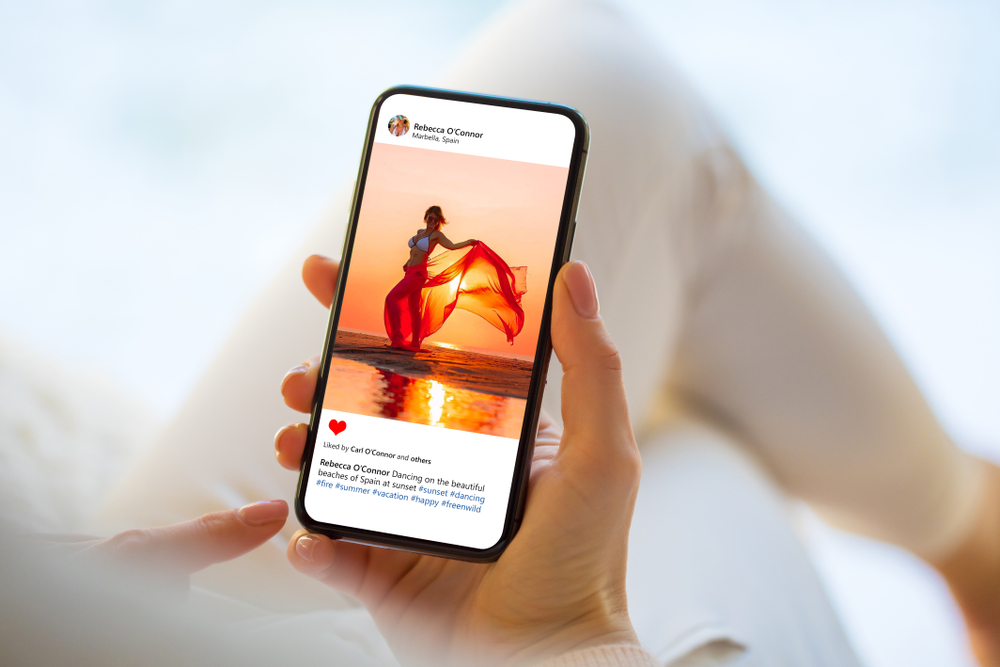
The same platforms that enabled people to display their wealth have also weaponized resentment toward it. Research has shown that visual exposure to wealth on social media increases feelings of relative deprivation and hostility toward affluent people. The comments section under any display of luxury has become a minefield of criticism, accusations, and demands for justification. Even innocuous posts get dissected for their ethical implications.
For wealthy people who once enjoyed sharing their lives online, the calculation has changed. The dopamine hit from showing off a purchase is outweighed by the exhaustion of defending it. Going quiet is self-preservation. Why invite criticism when you can simply enjoy what you have privately?
6. Quality Actually Lasts Longer

One of the practical advantages of the quiet wealth approach is that it prioritizes durability over trendiness. When you’re buying for craftsmanship rather than logos, you’re typically getting items that will last decades. A well-made leather bag, a properly constructed blazer—these don’t go out of style because they were never “in style” in the first place.
This longevity has both financial and psychological benefits. You’re not constantly replacing things, which means spending less over time despite higher upfront costs. And you’re freed from the exhausting cycle of keeping up with trends. Your wardrobe becomes a collection of things you genuinely like rather than a rotating display of whatever’s currently popular. There’s a deep satisfaction in owning fewer, better things.
7. The Ultra-Wealthy Have Always Known This

What’s being called “quiet luxury” now is really just how old money has always operated. A McKinsey 2024 consumer sentiment survey found that more than 60 percent of high-income shoppers now favor quality-over-quantity buying behaviors—but multi-generational wealth has operated this way for decades. The hand-me-down approach to expensive items, the preference for bespoke over branded, the comfort in understated quality—these have long been markers of inherited rather than newly acquired wealth.
The current trend is essentially aspirational classes catching up to what established money figured out long ago: that needing to prove you’re wealthy is itself a sign that your wealth is fragile or recent. The most secure position is one where you simply don’t care whether people know what you have. That indifference to external validation—not the specific aesthetic choices—is what quiet wealth is really about.
8. It’s A Rejection Of Influencer Culture

The rise of quiet wealth is partly a backlash against the entire influencer economy, where people are paid to display and endorse products in increasingly obvious ways. When every luxury purchase becomes content, and every content creator is essentially a walking advertisement, genuinely wealthy people have retreated in the opposite direction. They don’t want to look like they’re selling something. They don’t want to participate in a system that has turned taste into commerce.
Influencer culture blurred the line between preference and paid promotion until no one could tell the difference. Quiet wealth is a way of signaling that your choices are actually yours—that you’re not angling for a brand deal. In a world where everything feels sponsored, unbranded authenticity has become the ultimate luxury.
9. Peace of Mind Has Become The Real Status Symbol

At its core, the shift toward quiet wealth reflects a broader redefinition of what success actually means. The old model equated success with visible accumulation—houses, cars, watches, bags. The new model equates success with freedom from anxiety, performance, and the treadmill of keeping up. The person who doesn’t need anyone to know they’re wealthy is genuinely freer than the person who needs constant validation.
It’s not about hiding what you have out of shame or scarcity. It’s about recognizing that the performance of wealth is its own burden—and choosing to put that burden down. The goal isn’t to have less, but to need less recognition. In a world that’s constantly demanding your attention and your participation in status games, opting out entirely has become the most powerful move of all.
This article is for informational purposes only and should not be construed as financial advice. Consult a financial professional before making investment or other financial decisions. The author and publisher make no warranties of any kind.