


Before Amazon, buying something meant planning ahead. You waited until you actually needed it, went to a store, and made do with what was available. Now, owning something doesn’t require much thought at all—just a click and a delivery window. That ease has changed what people keep around, how often they replace things, and what counts as “normal” to own in the first place.
1. Phone Accessories In Bulk
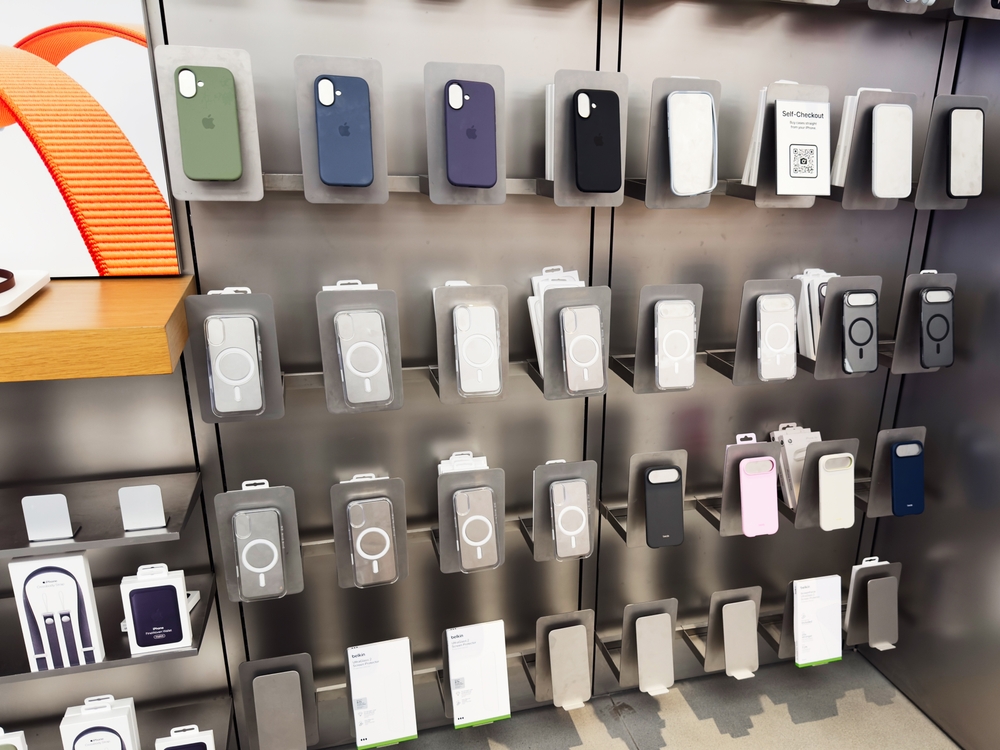
People never owned multiple phone cases, spare chargers, car cables, and backup screen protectors. You bought one, used it until it failed, and then replaced it. According to consumer purchasing data cited by the National Retail Federation and e-commerce trend analysis from McKinsey, accessory sales grew sharply once one-click purchasing normalized repeat buying. Convenience made redundancy feel reasonable.
Now people keep extras everywhere—bags, cars, drawers—because replacing or upgrading feels frictionless. Losing a cable no longer feels like a problem. You just order another one.
2. Household Items As “Backups”
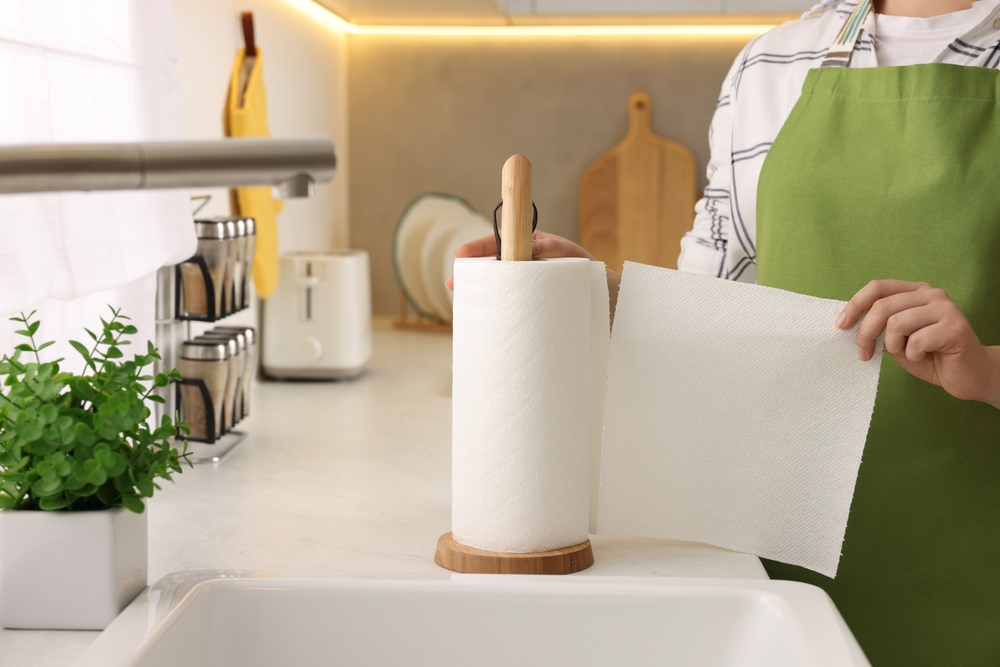
Paper towels, cleaning sprays, toiletries, batteries—people didn’t stockpile these unless there was a reason. According to consumer behavior research cited by the Federal Reserve and retail data reported by Bloomberg, online purchasing increased the tendency to buy everyday items in multiples rather than as-needed. The idea of running out started to feel unnecessary.
Ordering ahead turns routine goods into inventory. Cabinets quietly fill up. People stop tracking what they already have because replacing it is easier than checking. Ownership expands without ever feeling deliberate.
3. Single-Purpose Gadgets
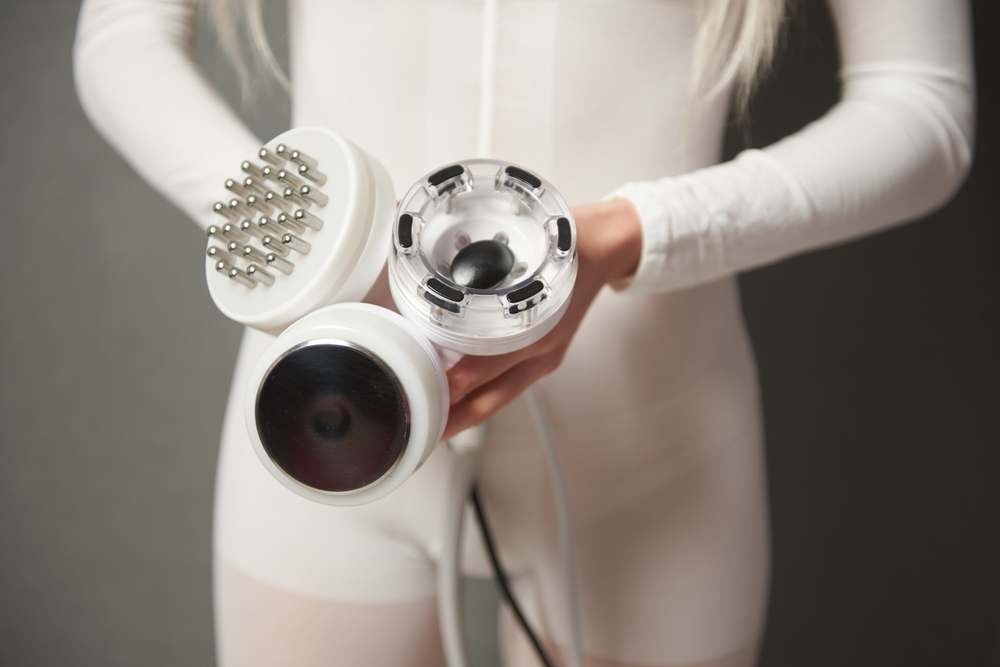
Before Amazon, most households avoided buying things that only did one small task. Space, availability, and effort kept those purchases in check. Now it’s normal to own tools that solve extremely specific problems, even if they’re rarely used. The barrier to trying them is low.
People don’t overthink whether they’ll need something long-term. If it solves a momentary annoyance, that’s often enough. Gadgets cycle in and out of drawers, and it just keeps happening.
4. Cheap Clothing For Specific Occasions

Buying clothes just for one event used to feel impractical. According to retail and apparel purchasing data cited by the Bureau of Labor Statistics and industry reporting from Business of Fashion, online marketplaces accelerated the rise of low-cost, fast-turn clothing purchases tied to short-term needs. Convenience changed expectations around reuse.
Now people buy outfits for trips, parties, or even photos without planning for what happens afterward. Ownership lasts just long enough to serve the moment.
5. Subscription Refills For Everyday Products
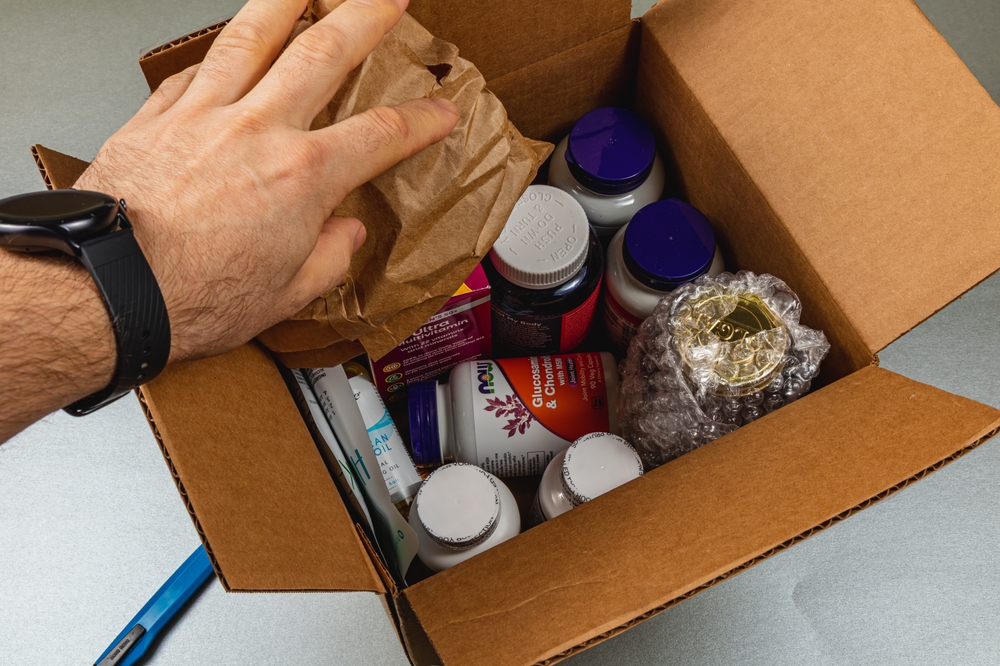
Automatic refills for things like vitamins, pet food, razors, and household supplies weren’t common. According to consumer spending research cited by McKinsey and subscription economy analysis reported by The Wall Street Journal, people are far more likely to enroll in recurring deliveries when setup takes seconds, and cancellation feels low-risk. What used to require memory now happens in the background.
Over time, people stop actively deciding to buy these items at all. They just notice them showing up. Spending becomes less about choice and more about default.
6. Cheap Storage Solutions
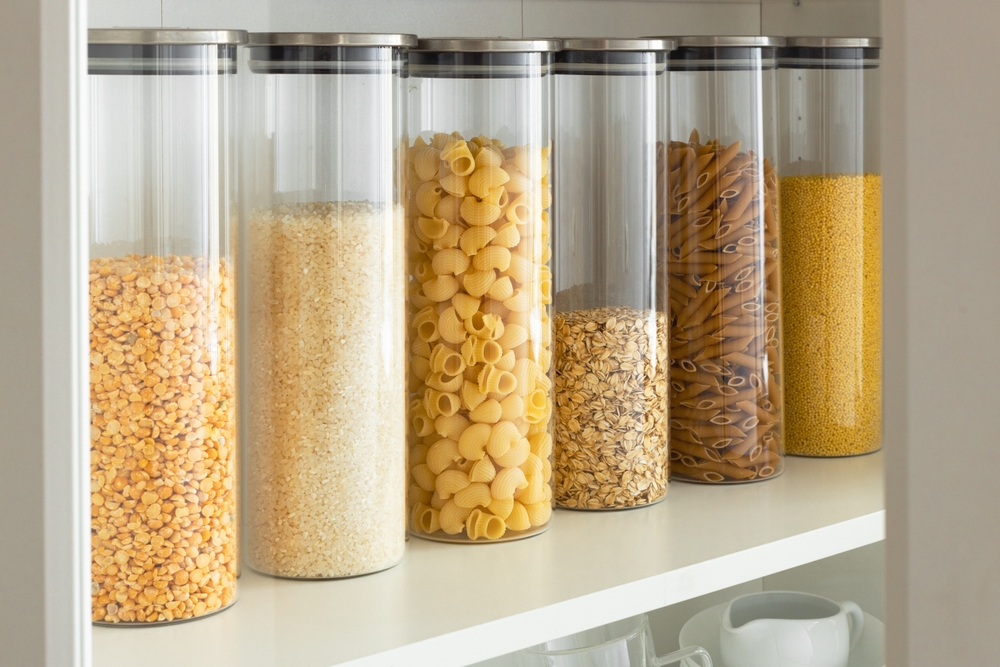
Plastic bins, drawer organizers, cable boxes, and shelf dividers weren’t everyday purchases for most households. Now they’re a common response to clutter rather than a last resort. When something doesn’t fit, people buy something to contain it. Storage becomes the solution instead of reduction.
These items accumulate quietly. One organizer leads to another, usually ordered late at night after noticing a mess. The house fills with containers meant to manage things that arrived just as easily.
7. Hobby Supplies For Short-Lived Interests

Before, starting a new hobby meant commitment. You had to find a store, talk to someone, and invest enough effort that quitting felt costly. Now supplies arrive fast enough that curiosity alone can justify the purchase. Trying something new doesn’t require much follow-through.
Many of these items get used once or twice before being set aside. People don’t feel regret so much as neutrality. The supplies sit until they’re donated or forgotten.
8. Replacement Parts Instead Of Repairs
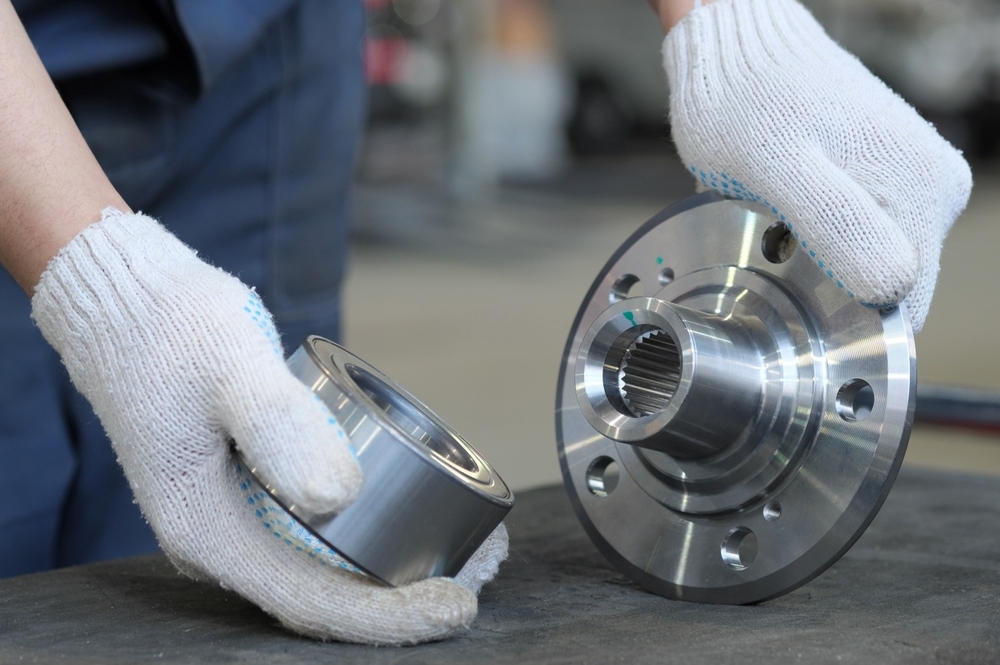
Small replacement parts used to be hard to track down, so people repaired things or lived with imperfections. Now it’s easy to order a new knob, hinge, remote, or adapter without much thought. Fixing something becomes modular. Repair turns into swapping.
People replace parts preemptively, often before something fully breaks. The availability changes expectations around longevity. Items stay functional through replacement rather than durability.
9. Novelty Items Bought On A Whim

Impulse buying existed long before Amazon, but it was limited by access. Now novelty items appear exactly when people are bored, tired, or scrolling. Buying something small feels like a harmless interruption to the day. The item arrives later, detached from the moment it was ordered.
These purchases don’t feel significant enough to track. They don’t change budgets or routines much. They just add to what’s already around.
This article is for informational purposes only and should not be construed as financial advice. Consult a financial professional before making investment or other financial decisions. The author and publisher make no warranties of any kind.