


Growing up without financial stability leaves its mark, and sometimes it shows up in the way you manage your money as an adult. You might not even realize these behaviors are lingering in your everyday life, quietly echoing the days when making ends meet was a family sport. But let’s not beat around the bush—there’s no shame in having had humble beginnings. Recognizing these habits is the first step toward smarter financial choices. So, whether you’re looking to break the cycle or simply understand yourself a bit better, here are 13 money habits that might just reveal your thrifty upbringing.
1. You Hoard Coupons Like They’re Currency
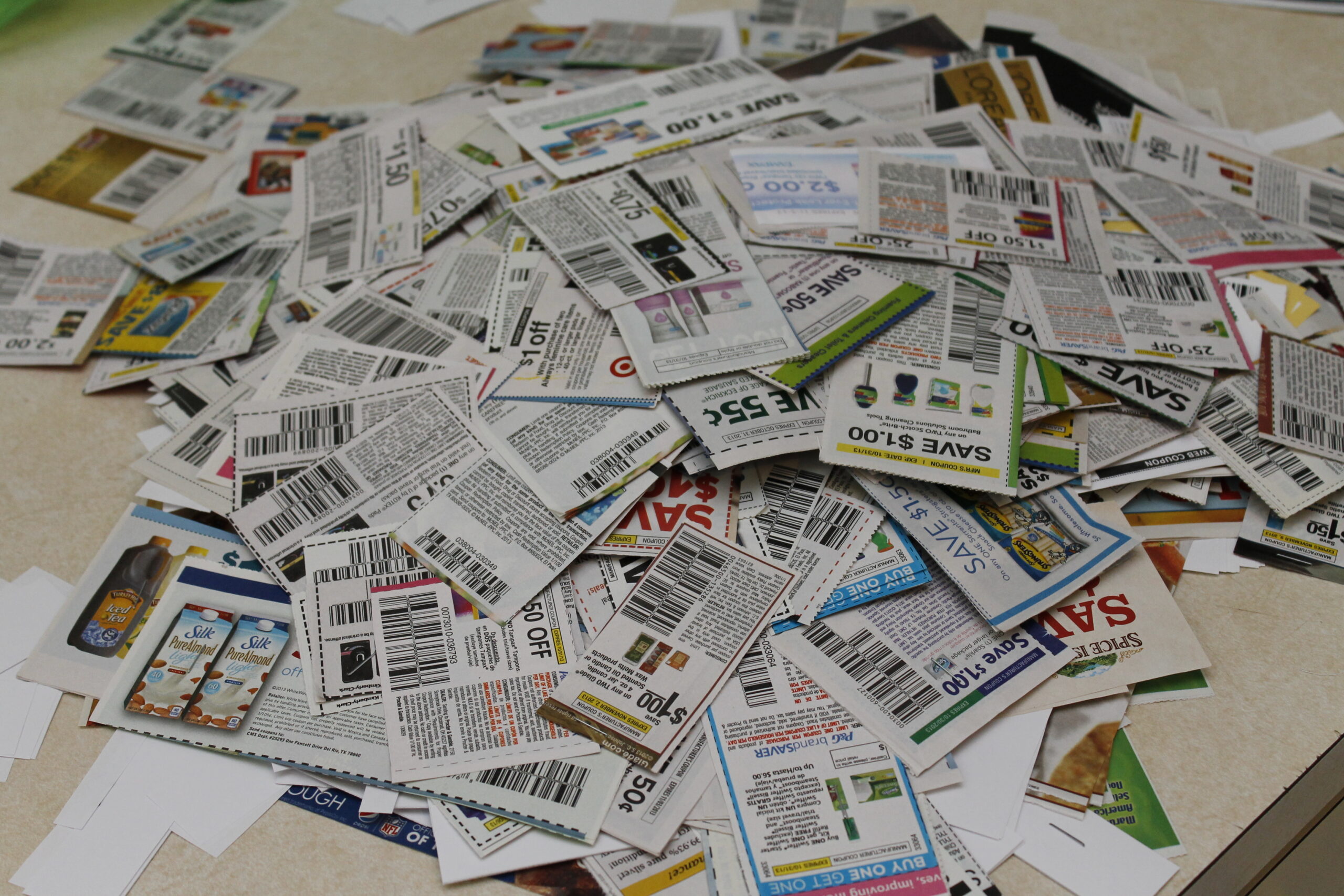
Remember when a stack of Sunday circulars felt like a treasure chest? You’re still all about those BOGOs and get a thrill out of extreme couponing, even if it means buying stuff you don’t need. A 2018 survey by CreditCards.com found that 91% of people with annual incomes below $75,000 use coupons regularly. You might spend hours hunting for deals, clipping away, and organizing them with military precision. While this habit can save you money, it may sometimes lead to buying things just because they’re on sale, not because you need them.
You’re not just saving pennies; you’re preserving a mindset. Each snip of the scissors echoes back to a time when every cent mattered. It’s a skill that’s served you well, but make sure it’s not consuming more time than it’s worth. There’s an art to balancing smart shopping with overdoing it. Sometimes, the best deal is the time you get back from not chasing every single bargain.
2. You Always Choose Value Over Brand

Growing up, it was all about the store brand and generics. To this day, you instinctively reach for the cheaper option on the shelf. You’re not swayed by fancy packaging or brand prestige; you know that most of the time, the product inside is just as good. Even when your income increases, old habits die hard, and you find yourself loyal to low-cost choices. It’s a practical approach, but occasionally it’s worth splurging on quality that truly makes a difference.
Your eye is trained to spot deals in a sea of options, and you’re proud of your thriftiness. When you see someone go straight for the name brands, you can’t help but feel a sense of pride in your discerning eye. You might even evangelize about the virtues of generic goods to friends who seem to be spending needlessly. This habit safeguards your finances but can sometimes lead to a mindset where you undervalue quality. In some cases, investing in a pricier option can save money and hassle down the line.
3. You’re Reluctant to Splurge on Luxuries

Luxuries always seemed like something other people had, not you. Now, even when you can afford them, you hesitate. According to a study published by the Journal of Consumer Research, people from lower-income backgrounds often feel guilty about indulging in luxury goods. Even when your bank account says “go for it,” your upbringing whispers a cautious “maybe not.” The result is often a cycle of overthinking any purchase that feels like a treat.
This reluctance can be useful, keeping you grounded and financially prudent. However, it can also prevent you from enjoying the fruits of your labor. There’s nothing wrong with treating yourself occasionally—it’s about balance, not deprivation. Listen to that voice that says you deserve nice things, and allow yourself to indulge in moderation. After all, life is too short to never enjoy the small luxuries.
4. You Prioritize Saving Over Investing

A savings account feels like a safety net that you can’t live without. Growing up with financial insecurity means you’ve been conditioned to save first, invest later—if at all. The thought of putting your money into something that could lose value feels risky and irresponsible. You prefer to watch your savings stack up, even if it’s not growing as fast as it could. Playing it safe gives you peace of mind, but it may come at the cost of future financial growth.
You’re not alone in this; many who grew up with less feel more comfortable with money saved in a bank. It’s hard to shake the anxiety of watching your funds dip, even when it’s part of a growth process. The idea of losing everything feels too familiar, making you overly cautious. While saving is important, learning to invest wisely can help you build wealth over time. A balanced approach can offer the best of both worlds.
5. You’re Always Thinking About Your Next Meal

Food insecurity is a reality you’ve lived with, and it’s shaped how you approach meals today. Even when your pantry is stocked, you find yourself planning meals meticulously, worried about waste and cost. A 2019 report from Feeding America highlights how early experiences with food insecurity can lead to lifelong habits of hyper-awareness around meal planning. You know exactly how much each dish costs, down to the price per serving. This skill is a testament to your resourcefulness, but it can sometimes make dining feel more like a survival tactic than an enjoyable experience.
You’re the friend who can whip up a meal from seemingly nothing, a talent that comes from years of making do. But there’s also a fear that if you don’t plan carefully, you’ll find yourself without the necessities. While it’s great to be aware of costs, it’s also okay to enjoy a spontaneous dinner out or try a new recipe without worrying about every detail. Letting go of that hyper-vigilance can be freeing and allows food to be a source of joy, not stress. Remember, it’s important to nourish your soul as much as your body.
6. You Avoid Debt Like the Plague

When you’ve seen firsthand the stress that debt can cause, it’s no wonder you’re cautious about borrowing. Credit cards, loans, and anything that accrues interest feels like a trap, so you steer clear whenever possible. You’ve likely heard too many stories of spiraling debts and are determined not to be one of them. This makes you incredibly disciplined with your finances, paying off any balance as quickly as possible. But while avoiding debt is wise, sometimes a bit of strategic borrowing can help you grow financially.
Your debt aversion means you live within your means, focusing on what you can afford now. It’s a habit that’s kept you financially secure, even if it means missing out on potential credit-building opportunities. You might be reluctant to take on a mortgage or other substantial loans, fearing the risk involved. Remember, not all debt is bad; it can be a tool for building a life and future you want. The key is to differentiate between good debt and bad debt, using it to your advantage.
7. You Obsess Over Budgeting

For you, budgeting isn’t just a task; it’s an art form. You track every penny with the vigilance of a seasoned accountant. In a piece by CNBC, financial expert Suze Orman points out that those who experienced scarcity early in life often become meticulous budgeters as adults. This habit ensures that no expense goes unnoticed and helps keep your finances in check. While this level of detail is useful, it can also become overwhelming and restrictive.
You might miss out on opportunities that require a bit of financial flexibility because you’re so focused on sticking to your budget. Balancing a strict budget with occasional spontaneity can make life more enjoyable. It’s about finding that sweet spot where you feel both secure and free. Remember, a budget should be a guide, not a straightjacket. Give yourself room to breathe and enjoy the fruits of your labor.
8. You Have a Rainy Day Fund for Everything

The concept of “just in case” is embedded in your financial DNA. Whether it’s a car repair or an unexpected medical expense, you’ve got funds stashed away for every conceivable emergency. While this shows incredible foresight, there’s a fine line between being prepared and being overly cautious. It’s great to have a safety net, but don’t let it become a crutch that stops you from enjoying life. Sometimes, you have to embrace the uncertainty and trust that you’ll manage whatever comes your way.
You’ve learned from experience that life can throw curveballs, and you don’t want to be caught off guard. This level of preparedness can be reassuring, but it might also keep you from taking calculated risks. Remember, living in constant fear of the unknown can be exhausting and limiting. While it’s wise to have a cushion, it’s also important to invest in experiences and opportunities that enrich your life. Striking a balance between caution and adventure can lead to a more fulfilled existence.
9. You Keep Cash Hidden Around the House

Growing up, cash was king, and not trusting banks was a common sentiment. Even now, you keep a stash of bills hidden in a safe spot “just in case.” This habit is a nod to a time when financial institutions seemed unreliable or out of reach. While having cash on hand isn’t a bad idea, it’s important to ensure your money is working for you, not gathering dust under a mattress. Consider balancing this practice with modern financial solutions that offer security and growth.
Cash hidden in the house gives you peace of mind, knowing you have immediate access if needed. However, it’s essential to evaluate whether this habit is truly serving your long-term financial health. With advances in digital banking and financial technology, there are safer and more lucrative ways to store and grow your money. Trusting in these systems can provide benefits that cash alone cannot. It’s worth exploring these options to maximize your financial potential.
10. You Feel Guilty Spending on Yourself

Growing up with limited means often conditions you to prioritize others’ needs over your own. When you do spend on yourself, a wave of guilt often washes over, as if you’re doing something wrong. This habit can be deeply ingrained, making it hard to enjoy the fruits of your labor without feeling selfish. Remember, self-care is not synonymous with self-indulgence; it’s necessary for your well-being. Allowing yourself small pleasures doesn’t mean you’re being irresponsible; it’s part of living a balanced life.
You’ve been taught that self-sacrifice is noble, but self-neglect isn’t sustainable. It’s important to shift the narrative and recognize that you deserve to enjoy the money you work hard to earn. Treating yourself occasionally is not just okay; it’s essential for maintaining mental health and overall happiness. Start with small indulgences and gradually work towards bigger ones. By doing so, you’ll learn to embrace the joy of spending on yourself without the accompanying guilt.
11. You’re Wary of Financial Institutions

There’s an underlying skepticism you hold towards banks and financial entities. Perhaps it stems from witnessing financial mishaps or mismanagement in your formative years. You’re cautious about fees, interest rates, and hidden charges, always scrutinizing the fine print. While this wariness protects you from potential pitfalls, it can also prevent you from benefiting from financial products and services. Trust and careful selection can open doors to tools that enhance your financial journey.
Your skepticism often leads you to choose the simplest and most transparent banking options. This mindset ensures you avoid unnecessary pitfalls, but it can also limit your financial growth. Modern banking offers numerous advantages that could help you manage money smarter and more efficiently. Educating yourself on these opportunities can help bridge the gap between caution and convenience. Trust, but verify, and you might find a middle ground that works for you.
12. You Find Comfort in Frugality

Living frugally isn’t just a necessity; it’s become a lifestyle choice. You find satisfaction in making the most of what you have and enjoy the challenge of living on less. This approach demonstrates resourcefulness and resilience, but it can sometimes border on deprivation. It’s important to recognize when frugality serves you and when it holds you back from experiencing joy. Life is about balance—between thriftiness and indulgence, necessity and desire.
Frugality has taught you to value experiences over things, a lesson not everyone learns. However, it’s essential to occasionally loosen the purse strings and indulge in what makes you happy. Experiences can be enriched when you allow yourself to spend a little more to gain a lot more. It’s okay to occasionally choose convenience or luxury if it enhances your quality of life. After all, money is a tool meant to enrich your life, not constrain it.
13. You’re Always Planning for “What If” Scenarios

Your mind is a constant reel of potential problems and their solutions. You’re always a step ahead, planning for every possible outcome, especially the negative ones. This habit stems from a need for control in a world that often felt unpredictable in your past. While being prepared is commendable, it can prevent you from living fully in the present. Balance your foresight with spontaneity to carve out a more fulfilling life experience.
Planning for contingencies has its benefits, providing a sense of security and readiness. However, it can also become a mental burden, keeping you in a state of perpetual anxiety. By focusing too much on the “what ifs,” you risk missing out on the joys of the here and now. Remember that while the future is important, it’s equally crucial to enjoy today. Practicing mindfulness can help shift your focus from potential problems to present pleasures.
This article is for informational purposes only and should not be construed as financial advice. Consult a financial professional before making investment or other financial decisions. The author and publisher make no warranties of any kind.