

Navigating the ever-evolving landscape of luxury and indulgence, one can’t help but notice the distinct generational divide in spending habits. While millennials and Gen Z are reshaping the luxury market, baby boomers maintain their steadfast approach to spending. Whether it’s because they don’t see the value or because they prefer simplicity, boomers are notoriously selective about the luxuries they indulge in. So, what exactly are these modern-day extravagances that many boomers are dodging? Here’s a glimpse into the world of luxuries that boomers often choose to forgo and the reasons behind their choices.
1. Trendy Coffee

The rise of artisan coffee shops and specialty brews has captivated younger generations, but many boomers remain loyal to their simple cups of joe. For them, coffee is more about function than form, providing a caffeine kick without the frills. The idea of spending upwards of five dollars on a single cup feels excessive, especially when a home-brewed pot can do the trick. They often see designer coffee as an unnecessary luxury that doesn’t align with their straightforward lifestyle. Instead, they prioritize consistency and value over Instagram-worthy presentations.
Boomers also tend to favor routine and familiarity, choosing their favorite local diner or home brew over trendy coffee spots. The ritual of morning coffee is more about comfort than exploration, and the reliability of a familiar brand carries significant weight. For many, the complexity of choosing between various brewing methods and flavor profiles seems more like a chore than a treat. Furthermore, the culture surrounding high-end coffee can feel exclusive or pretentious, deterring those who prefer simplicity. In essence, coffee is a means to an end, not an experience to be savored.
2. Subscription Services

In a world where almost everything can be subscribed to, from beauty boxes to streaming platforms, boomers remain skeptical about the allure of subscription services. They often see these recurring expenses as unnecessary and prefer to own rather than rent. According to a study by The NPD Group, boomers are more likely to prioritize purchasing tangible items over subscribing to digital content. This generational trait stems from a desire for permanence and value over ephemeral experiences. For many, the idea of renting access rather than owning doesn’t sit well with their pragmatic approach to spending.
Besides, boomers often view subscriptions as a commitment that doesn’t always justify the cost. Many grew up in a time when purchases were meant to last, and the idea of ongoing fees feels more like a financial trap than a convenience. Furthermore, they’re wary of forgetting to cancel and having charges pile up unnoticed. While younger generations might see subscriptions as a way to easily access a variety of services, boomers often prefer a one-time purchase that guarantees ownership. They value the certainty and control that comes with outright buying rather than subscribing.
3. New Smartphones
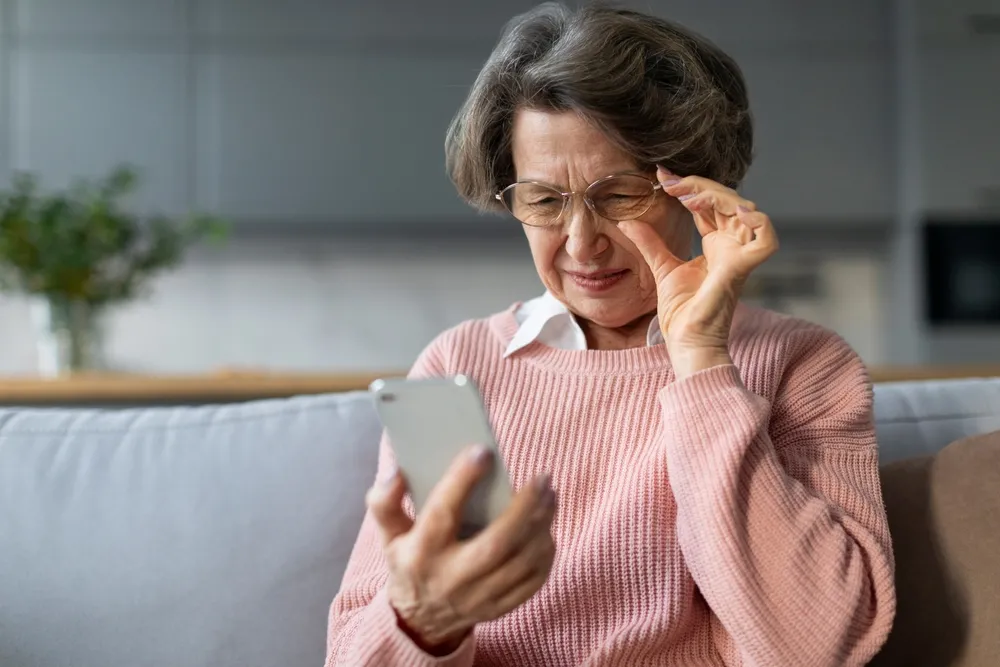
While younger generations eagerly await the launch of the latest smartphone, boomers often question the necessity of frequent upgrades. Many are content with basic models as long as they serve their key functions such as calling, texting, and perhaps some light browsing. For boomers, the constant cycle of upgrades seems excessive, especially if their current phone works just fine. They tend to view each purchase as an investment and prefer devices that promise durability over cutting-edge features. This mindset reflects a broader tendency to prioritize practicality over novelty in technology.
Boomers often associate the latest smartphones with hefty price tags that don’t seem justifiable. The allure of multi-camera systems, faster processors, and Face ID often falls flat when weighed against their real-world needs. Plus, many feel overwhelmed by the plethora of features they might never use. The complexity and rapid changes in technology can seem daunting rather than exciting. For them, a reliable device with essential features is more appealing than indulging in every new release.
4. Health and Wellness Apps

The market for health and wellness apps has exploded, with many people eager to count steps, track calories, and monitor sleep. However, boomers often see these tools as unnecessary for managing their health. A recent article in The Washington Post highlighted that boomers prefer traditional methods of staying fit, such as walking and home-cooked balanced meals. For them, wellness is a holistic journey rather than a digital checklist. The idea of relying on apps to dictate their health habits doesn’t resonate with their values.
Additionally, boomers often trust personal interaction over digital intervention when it comes to health advice. Many prefer to consult with trusted healthcare professionals rather than apps that offer generic advice. They’re also wary of privacy issues, as many apps collect personal data for various purposes. The thought of their health information being stored or potentially misused doesn’t sit well with a generation that values privacy. Thus, while apps are convenient, the traditional approach feels more secure and authentic to them.
5. Fitness Classes

While boutique fitness classes like spinning and Pilates are all the rage, boomers often resist the hype and stick to simpler exercise routines. Many prefer traditional workouts at home or a standard gym membership where they have more control over their routine. An article from AARP points out that boomers often enjoy activities that integrate exercise into daily life, like gardening or walking, rather than structured classes. They value practicality and consistency over trendy, high-energy workouts. For them, fitness is about maintaining health rather than following the latest craze.
Moreover, the cost of boutique fitness classes can be a significant deterrent. These classes often come with premium price tags, which boomers may find hard to justify when simpler, cost-effective options exist. The perceived exclusivity or intensity of these classes can also be off-putting, especially for those who prefer a less competitive environment. Many boomers favor a more relaxed pace, where exercise can be tailored to their personal comfort level. This approach allows them to maintain an active lifestyle without the added pressure or expense.
6. Designer Clothing

The fashion industry’s ever-changing trends and the allure of designer labels hold little sway over many boomers. They often prioritize quality and durability over brand names, valuing pieces that stand the test of time. Fast fashion holds little appeal, as boomers typically prefer investing in classic items that won’t go out of style. For them, clothing is about functionality and personal expression, not about making a statement. This practical approach often means prioritizing comfort and timeless style over conspicuous consumption.
Boomers grew up in a time when clothing was meant to last, and their buying habits reflect this ethos. They often associate style with personal taste rather than the latest runway trends. The notion of spending exorbitant amounts on designer pieces seems wasteful when similar quality can be found at more affordable prices. Many boomers prefer to shop at department stores or well-known, reliable brands that offer consistency. This mindset reflects a broader preference for value and substance over flash and flair.
7. Fancy Restaurants

While the allure of fine dining is compelling for many, boomers often prefer more casual dining experiences. The Michelin-starred restaurant appeals less than their favorite local eatery that offers comfort and familiarity. According to a report by The Wall Street Journal, boomers value the social aspect of dining and prefer places where they can linger without the pressure of formality. Dining out is more about the company and conversation than the culinary artistry on the plate. For them, a relaxed atmosphere often takes precedence over a tasting menu.
Additionally, the cost associated with fine dining can feel extravagant and unjustifiable. Boomers tend to view dining as a communal experience and prioritize the joy of sharing a meal with loved ones. The notion of spending hundreds on a single dinner feels excessive when a more modest meal can provide the same enjoyment. Many prefer to spend their time and money on places that offer good food in a welcoming setting. Ultimately, they seek value in the experience, not just the meal.
8. High-Tech Gadgets

In today’s tech-driven world, gadgets are often seen as a must-have, but boomers frequently question their necessity. While devices like smart home systems and wearable tech appeal to younger crowds, boomers often see them as superfluous. They tend to prioritize utility and simplicity over the novelty of the latest gadget. For many, the learning curve and constant updates associated with high-tech devices are more hassle than they’re worth. Thus, boomers often opt for technology that enhances their life without complicating it.
The rapid pace of technological advancement can feel overwhelming, deterring those who prefer stability and reliability. Many boomers are content with devices that fulfill their core needs without the bells and whistles. Additionally, they are often skeptical about the longevity and support for new technology, which can become obsolete quickly. The cost of staying on the cutting edge is another factor that weighs heavily in their decision-making. In essence, boomers prefer to invest in technology with proven utility rather than fleeting trends.
9. Gourmet Meal Kits

The convenience of gourmet meal kits is appealing to many busy households, but boomers often see them as an unnecessary luxury. For those who enjoy cooking, the process of selecting fresh ingredients and creating meals from scratch is part of the joy. The idea of pre-portioned and prepped ingredients doesn’t resonate with those who value the culinary process. While meal kits offer convenience, boomers often perceive them as an expensive alternative to traditional cooking. They find satisfaction in the hands-on approach to mealtime.
Moreover, boomers often question the long-term value of meal kits, which can be pricier than buying ingredients outright. They tend to see cooking as a skill to be honed rather than outsourced. Many appreciate the creativity and flexibility that comes with preparing meals from scratch. The act of cooking is as much about nourishment as it is about connecting with family and tradition. For this generation, the kitchen remains a central hub of activity and creativity.
10. Luxury Travel Experiences

Luxury travel, with its five-star hotels and first-class flights, holds little allure for many boomers who prioritize experiences over extravagance. They often favor road trips, family visits, or exploring nature over lavish resorts. This generation grew up with the ethos of making do and finds more value in the journey than in indulgent amenities. For them, travel is about connection with the world around them rather than the opulence of the journey. The focus is on creating lasting memories rather than indulging in every possible comfort.
Boomers often view luxury travel as an unnecessary expense that doesn’t align with their values. The idea of spending large sums on fleeting comforts feels excessive, especially when simpler, more meaningful alternatives exist. They appreciate the authenticity and adventure found in more modest travel experiences. Many find joy in discovering hidden gems and local cultures rather than sticking to tourist hotspots. This approach allows them to travel more frequently and explore a wider range of destinations without breaking the bank.
11. Cutting-Edge Home Appliances

The allure of smart refrigerators and robotic vacuum cleaners is undeniable for many, but boomers often remain unconvinced. They’re less likely to see the need for technology that feels more like a gimmick than a necessity. For boomers, home appliances should be reliable and functional rather than innovative for the sake of innovation. The complexity and potential for technical issues with cutting-edge appliances deter those who prefer simplicity. As a result, boomers often choose tried-and-true appliances that promise longevity and ease of use.
Cost is another factor that influences their reluctance to embrace the latest home gadgets. Boomers often question whether the benefits of high-tech appliances justify their price tags. Many prefer to invest in solid, dependable machines that require minimal maintenance and repairs. The rapid pace of technological advancement can also make these purchases feel fleeting. Thus, boomers typically prioritize durability and practicality over the latest advancements in home technology.
12. Streaming Services

The plethora of streaming services available today can feel overwhelming, but for many boomers, cable TV remains the go-to. They value the familiarity and straightforwardness of traditional television over the need to juggle multiple streaming platforms. While younger generations relish the endless content options, boomers often find it excessive and cumbersome to navigate. Many prefer a more curated viewing experience that doesn’t require them to hunt for what to watch. This approach aligns with a broader preference for consistency and simplicity in entertainment choices.
Boomers often see streaming subscriptions as an added expense that doesn’t necessarily enhance their viewing habits. They are accustomed to channel surfing and appreciate the predictability of scheduled programming. The concept of on-demand viewing can feel more like a chore than a convenience. For them, TV is a way to unwind rather than engage with an endless array of content. As such, they often opt for cable packages that bundle everything they need into one straightforward plan.
13. Spa Treatments

The self-care movement has popularized spa treatments as a way to unwind, but boomers frequently stick to simpler relaxation methods. Many find solace in activities like reading, gardening, or taking a leisurely walk rather than indulging in spa days. For them, relaxation is about everyday rituals rather than special occasions. They often view spa treatments as an unnecessary splurge that doesn’t fit into their idea of self-care. Instead, they prioritize personal time and low-cost activities that bring peace and balance to their lives.
Boomers grew up in an era where self-care was often woven into daily routines rather than separated as a distinct activity. They value time spent with family and friends as a more meaningful form of relaxation than solo spa experiences. The cost and exclusivity of spa treatments can also feel extravagant and unnecessary. For this generation, wellness is about creating a well-rounded lifestyle rather than indulging in sporadic luxury treatments. The emphasis is on sustainable, everyday practices that enhance their overall well-being.
This article is for informational purposes only and should not be construed as financial advice. Consult a financial professional before making investment or other financial decisions. The author and publisher make no warranties of any kind.